

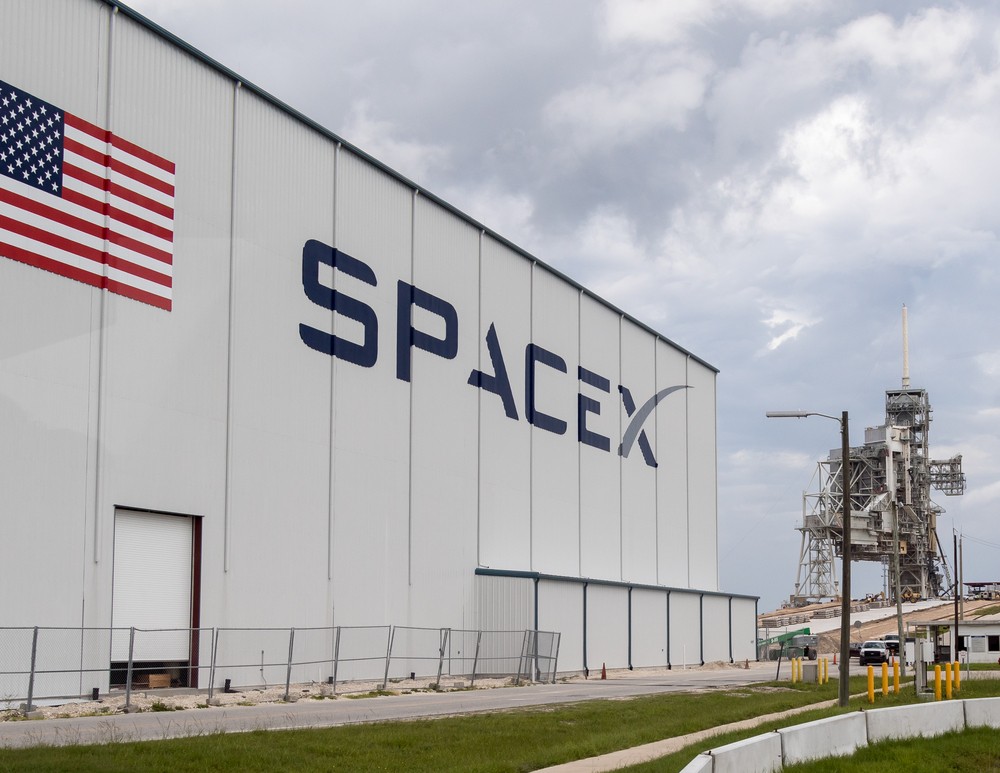

The SpaceX xAI merger has emerged as one of the most closely watched corporate developments of 2026, bringing together two of Elon Musk’s most ambitious ventures under a single strategic vision. The move blends space launch dominance with artificial intelligence development, creating a company that aims to reshape how data, connectivity, and intelligence operate on a global scale.
While the announcement generated excitement across technology and financial markets, attention is now shifting toward execution. Investors, regulators, and industry analysts are examining whether the combined structure can balance innovation with financial discipline, especially as scrutiny intensifies around valuation, governance, and long-term sustainability.
Strategic Context of the SpaceX xAI Merger
The SpaceX xAI merger reflects a broader shift in the technology sector toward vertical integration. Rather than operating as standalone entities, companies are increasingly seeking to control both infrastructure and intelligence layers.
SpaceX already dominates the commercial launch market, operating reusable rockets and maintaining contracts with governments and private customers worldwide. Its satellite internet service, Starlink, has expanded rapidly, providing broadband access in remote and underserved regions.
xAI, by comparison, is a newer company focused on building advanced artificial intelligence systems capable of real-time reasoning and large-scale data interpretation. The merger aligns SpaceX’s physical infrastructure with xAI’s computational ambitions, creating a platform that supporters say could redefine global connectivity.
SpaceX and xAI Operate at Different Stages of Maturity
A central question surrounding the merger is how two companies at vastly different stages of maturity can operate under a unified structure.
SpaceX is a proven operator with established revenue streams, long-term contracts, and operational experience spanning more than two decades. Its launch cadence and satellite deployment capacity are unmatched in the commercial sector.
xAI, meanwhile, remains in a growth and investment phase. Like many AI-focused firms, it requires heavy spending on computing power, talent acquisition, and research. Revenue visibility remains limited, placing pressure on the merged entity to justify continued investment without undermining profitability.
This imbalance has made some analysts cautious, warning that integration challenges could strain management focus and financial resources.
Why the SpaceX xAI Merger Was Formed
Supporters of the SpaceX xAI merger argue that the strategic logic lies in long-term positioning rather than short-term financial returns.
Artificial intelligence systems depend heavily on data access, processing speed, and infrastructure reliability. By combining AI development with satellite networks and launch capabilities, the merged company could reduce reliance on traditional cloud providers and terrestrial data centers.
Starlink’s global satellite constellation offers a unique opportunity for decentralized data processing, where AI workloads could be distributed closer to users. This could improve latency, enhance service resilience, and enable new applications in areas such as emergency response, logistics, and secure communications.
Industry observers describe the deal as a foundational step toward building an independent technology ecosystem that spans space, data, and intelligence.
Space-Based Internet and AI Integration
Elon Musk has outlined a vision in which future satellite networks do more than transmit signals. Instead, they could serve as intelligent nodes capable of processing data in orbit.
The integration of AI into satellite operations could allow networks to optimize traffic dynamically, predict system failures, and allocate bandwidth more efficiently. These capabilities could be especially valuable for government agencies, defense organizations, and enterprises operating in remote or high-risk environments.
However, experts caution that space-based computing presents significant technical challenges. Power generation, thermal control, and hardware maintenance remain complex in orbital environments. Scaling these capabilities will require advances that are still under development.
Despite these hurdles, the concept has gained attention as global demand for low-latency, high-reliability connectivity continues to rise.
Financial Pressures and Market Concerns
Markets are now evaluating whether the SpaceX xAI merger can deliver sustainable financial performance alongside technological ambition.
SpaceX’s operations require continuous capital investment, including rocket development, satellite manufacturing, and launch infrastructure. xAI adds another layer of expense, driven by the high cost of training large AI models and maintaining computing infrastructure.
Investors are particularly focused on how the merged company plans to allocate resources between established revenue-generating services and long-term research initiatives. Without clear financial reporting, uncertainty remains around profitability timelines and cash flow management.
As public market exposure becomes more likely, analysts expect increased pressure for transparency, cost controls, and measurable performance metrics.
Regulatory and Governance Challenges
Regulatory oversight represents another critical factor shaping the future of the merger.
Satellite operations already face scrutiny from national and international regulators concerned about orbital congestion, spectrum allocation, and space sustainability. Adding artificial intelligence services introduces additional regulatory considerations related to data privacy, security, and cross-border information flows.
Governance has also emerged as a point of discussion. Musk’s leadership across multiple companies raises questions about decision-making structures and accountability. Investors are likely to seek clarity on board composition, risk management, and operational independence as the company matures.
According to guidance from the U.S. Federal Communications Commission, satellite internet providers must meet strict compliance standards related to service reliability and spectrum use.
Investor Expectations Moving Forward
Public markets tend to reward execution over ambition. While the SpaceX xAI merger has captured attention, its success will depend on delivering consistent results rather than visionary narratives alone.
Key indicators will include subscriber growth for satellite services, cost efficiency in launch operations, and demonstrable progress in AI integration. Regulatory compliance and governance transparency will also play an important role in shaping investor confidence.
If the company can align innovation with disciplined execution, it could redefine how space-based infrastructure and artificial intelligence converge.
Conclusion
The SpaceX xAI merger marks a pivotal moment in the evolution of global technology platforms. By combining space launch capabilities, satellite internet, and artificial intelligence under one structure, the company is attempting to build an integrated system with few historical precedents.
Whether that ambition translates into long-term success will depend on execution, financial discipline, and regulatory navigation. As markets continue to assess the risks and rewards, the merger stands as a high-stakes test of Elon Musk’s vision for the future of connectivity and intelligence.