

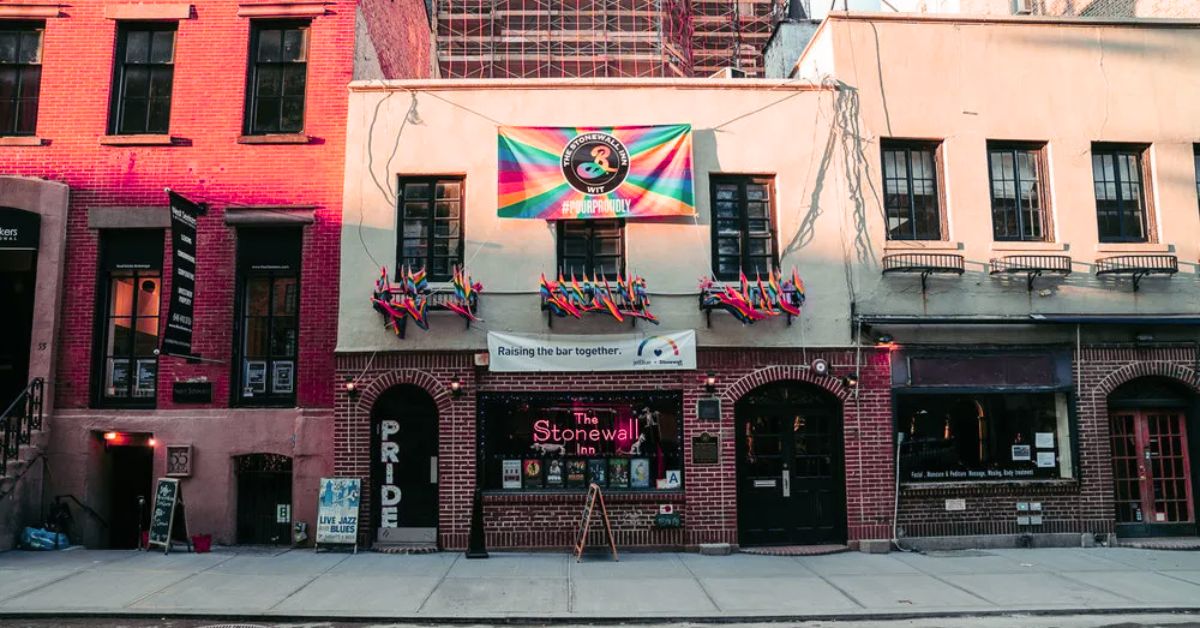

The decision by the trump admin to remove the Pride flag from Stonewall National Monument has ignited a national conversation about symbolism, civil rights history and federal authority. The move follows updated guidance regarding which flags may be displayed on property managed by the National Park Service.
trump admin officials say the action reflects compliance with revised federal flag policy.
Federal Flag Policy and the Monument
Stonewall National Monument, located in New York City’s Greenwich Village, commemorates the 1969 uprising widely recognized as a turning point in the modern LGBTQ rights movement. The Pride flag has long been associated with the site’s symbolic importance, even though its permanent display has varied over time.
According to federal officials, the trump admin reviewed flag display regulations earlier this year and issued clarification on which banners may be permanently installed on federal property. Under the interpretation adopted by the administration, only specific flags tied directly to federal institutions, military branches or historically designated categories may be flown.
Interior Department representatives say the decision ensures uniform enforcement of policy across all National Park Service sites. Supporters argue the move standardizes federal property rules. Critics say the removal changes the visual identity of one of the nation’s most recognized civil rights landmarks.
Why the trump admin Ordered the Change
Senior officials familiar with the directive say the trump admin relied on existing regulatory language that outlines allowable permanent displays at national monuments. The updated guidance emphasizes neutrality and strict adherence to federally recognized emblems.
In public statements, administration representatives described the removal as procedural rather than ideological. They stressed that the monument’s historical interpretation, educational exhibits and public access remain unchanged.
However, advocacy organizations quickly responded, framing the move as a significant cultural statement. The fact that the trump admin acted during a period of broader debate about representation in public spaces has amplified attention around the decision.
Observers note that while executive agencies have administrative discretion, such actions often carry symbolic weight far beyond procedural intent.
Stonewall’s Historical Significance
The Stonewall uprising began in June 1969 after a police raid at the Stonewall Inn sparked days of protests. The event galvanized activists and led to annual Pride marches that expanded across the United States and internationally.
In 2016, the site was designated a national monument. That designation formally recognized the uprising’s role in American civil rights history. The monument includes Christopher Park and the surrounding area connected to the original demonstrations.
The Pride flag, designed in 1978, became one of the most visible symbols of the LGBTQ rights movement. Its association with Stonewall developed over decades of activism, remembrance events and cultural recognition.
While the monument’s federal designation does not mandate specific flag displays, many visitors came to view the Pride flag as part of the site’s identity. The trump admin decision alters that visible symbol but does not change the monument’s protected status.
Political Reactions Across the Country
Reaction to the announcement that the trump admin removed the Pride flag was swift and divided along political lines.
Several Republican lawmakers defended the administration’s interpretation of federal display guidelines, arguing that uniform policy prevents selective symbolism on government property. They said federal spaces should remain consistent in applying established standards.
Democratic leaders and civil rights advocates criticized the decision. Some described it as part of a broader rollback of visible representation within federal institutions. Others characterized the move as unnecessary given the monument’s historic focus.
The trump admin has rejected claims that the action signals hostility toward LGBTQ Americans. Officials maintain that the policy applies equally across sites and contexts.
Public opinion remains split, with some Americans viewing the issue as a matter of regulatory compliance and others interpreting it as a cultural statement.
Legal Authority and Executive Discretion
Legal experts note that national monuments fall under executive branch oversight through the Department of the Interior. The National Park Service administers day-to-day operations, including compliance with display policies.
Under existing law, the executive branch has broad authority to set administrative guidelines for federal property. The trump admin appears to have relied on that authority in issuing clarification on permissible flags.
Congress could legislate new display standards if it chose to intervene. However, no immediate legislative response has been announced. Legal scholars say court challenges would likely focus on whether the policy violates constitutional protections or statutory interpretation.
So far, no federal court has issued rulings directly addressing the Stonewall flag removal.
The trump admin maintains that the decision reflects policy interpretation rather than new law, a distinction that could shape any future legal review.
Cultural Policy Under the trump admin
The Pride flag removal comes amid broader cultural policy debates during the current administration. The trump admin has previously reviewed educational materials, diversity language and public display standards across federal agencies.
Supporters describe these reviews as efforts to ensure consistency and neutrality. Critics argue they diminish recognition of historically marginalized communities.
At several federally managed institutions, curators and administrators have adjusted interpretive signage to align with executive guidance. The trump admin has framed such adjustments as administrative housekeeping rather than ideological change.
Analysts say the cumulative impact of these decisions influences how federal institutions present American history.
While the administration emphasizes policy uniformity, advocacy groups view the Stonewall case as emblematic of a larger conversation about public symbolism.
Community Response in New York
Local leaders in New York City expressed disappointment following the announcement. The Stonewall Inn, which operates independently of federal property, continues to display Pride flags prominently.
Community organizations organized public gatherings to reaffirm the historical importance of the site. Speakers emphasized that Stonewall’s legacy extends beyond physical symbols.
The trump admin decision has not altered scheduled educational programming or commemorative events at the monument. Visitors continue to access the park and surrounding areas as before.
However, many residents say the removal carries emotional resonance given the monument’s civil rights significance.
Some city officials are exploring symbolic actions on nearby non-federal property to maintain visible representation. The trump admin has not commented on such local initiatives.
Public Symbols and National Identity
The debate highlights longstanding questions about how federal spaces balance neutrality and representation.
Should government property display symbols associated with specific social movements? Or should federal spaces limit permanent displays to strictly governmental emblems?
The trump admin argues that clear guidelines prevent selective or inconsistent application of rules. Opponents say civil rights history merits visible acknowledgment within national monuments.
Political historians note that symbolic disputes often reflect deeper cultural divisions. From Confederate statues to historical plaques, public display debates have shaped American civic discourse for decades.
In this case, the trump admin action has become part of that broader narrative about national identity and public memory.
Broader Implications for Federal Sites
The Stonewall case may influence how other monuments interpret display guidelines. Park Service officials are reportedly reviewing similar installations to ensure compliance with federal standards.
The trump admin has indicated that any adjustments would follow the same criteria applied in New York. Administration officials say the objective is consistency rather than selective enforcement.
Observers caution that visible changes at historic sites can generate outsized public reaction, especially when tied to civil rights landmarks.
For many Americans, Stonewall represents a defining moment in modern social history. Any administrative decision connected to that site is likely to carry symbolic impact.
Ongoing Debate and Public Discourse
Public forums, town hall meetings and policy discussions continue as civic groups weigh possible next steps. Some advocacy organizations are considering legal review. Others are focusing on public education campaigns.
The trump admin maintains that the monument’s historical interpretation remains intact. Officials reiterate that removal of a flag does not erase the events commemorated at the site.
Nevertheless, critics argue that symbolism shapes visitor experience and collective memory.
As national debate continues, Stonewall National Monument remains open and operational. Tourists, students and historians still visit the location to learn about the 1969 uprising.
The trump admin has not indicated plans for further changes at the site.
A Moment Reflecting Broader Divisions
The removal of the Pride flag from Stonewall National Monument illustrates how administrative decisions can intersect with deeply held cultural values.
Supporters of the trump admin emphasize regulatory clarity and uniform standards. Opponents emphasize symbolic recognition and historical context.
Both sides acknowledge the monument’s importance in American civil rights history.
In the months ahead, the controversy may subside or evolve depending on public response, legislative developments and potential legal challenges.
For now, the decision stands as one of the most visible cultural policy actions undertaken by the trump admin this year.
While the physical landscape of the monument has changed, the historical legacy it represents remains firmly embedded in the nation’s civil rights narrative.