

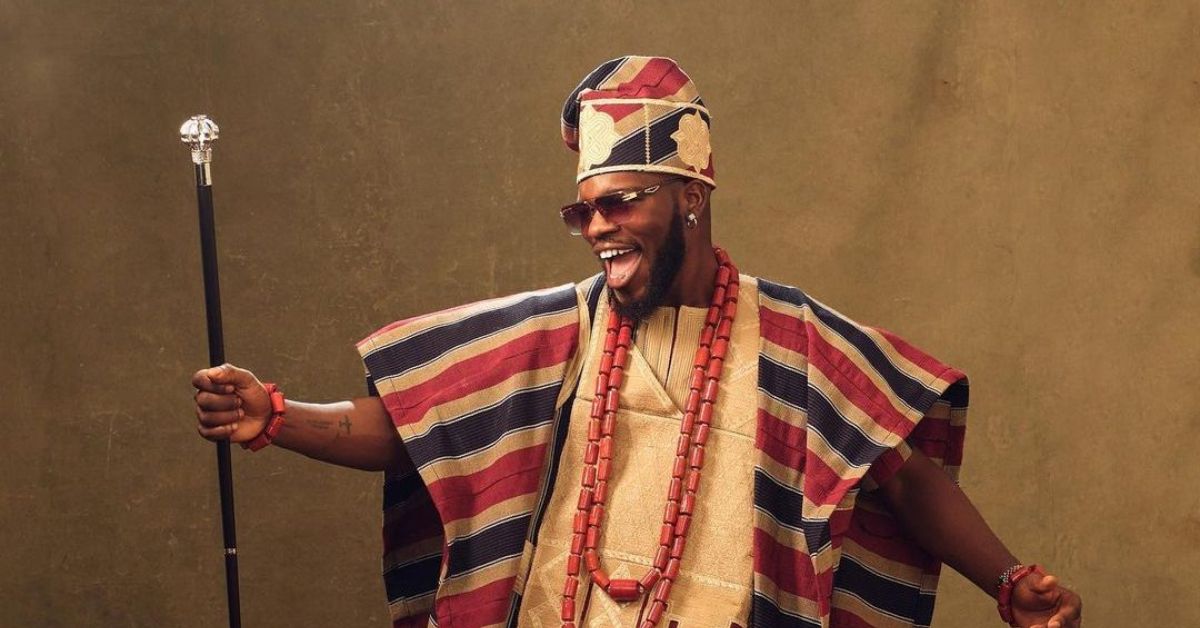

The rise of digital platforms has reshaped entertainment across the world, and nowhere is that transformation more visible than in Nigeria. Over the past decade, thousands of young creatives have turned smartphones, social media, and internet culture into a new industry built on comedy skits, livestreams, podcasts, and online storytelling.
Nigeria has long been known for its powerful creative industries, including Nollywood films and Afrobeats music. Now, a new generation of digital creators is expanding that cultural influence online, reaching millions of viewers across Africa and throughout the global diaspora.
For many audiences, short comedy videos, lifestyle content, gaming streams, and commentary podcasts have become everyday entertainment. These creators are building loyal followings and shaping digital culture in ways that were unimaginable only a few years ago.
Yet behind the viral videos and growing follower counts lies a complicated reality. While a handful of well-known personalities earn sponsorship deals and brand partnerships, a large portion of the country’s creators say their online success has not yet translated into reliable income.
The rapid growth of the creator economy in Nigeria is undeniable, but monetization remains one of the biggest challenges facing the industry.
The Rapid Rise of Digital Creators in Nigeria
Nigeria’s digital creator community has grown dramatically in recent years. Social media platforms have allowed individuals to bypass traditional media channels and reach global audiences directly.
A smartphone, a stable internet connection, and a creative idea can now launch a career.
Comedy skits are among the most recognizable forms of online entertainment emerging from Nigeria. Short, humorous videos often portray everyday life, family dynamics, relationships, and cultural traditions. Many of these videos spread quickly across multiple platforms, attracting millions of views within hours.
Creators frequently collaborate with one another, forming informal networks that amplify visibility and reach. A single skit might feature several performers, and each participant shares the video with their own audience.
This collaborative culture has helped the creator ecosystem expand quickly.
In addition to comedy, lifestyle vloggers, travel storytellers, beauty influencers, gamers, educators, and podcasters are all contributing to the digital media landscape. Some creators produce commentary on politics or social issues, while others focus on entertainment or personal storytelling.
For young people in Nigeria, digital creation has become both a career aspiration and a powerful form of self-expression.
Why the Creator Economy Is Expanding
Several factors have fueled the rapid growth of the creator economy in Nigeria.
First, the country has one of the largest and youngest populations in Africa. Millions of young people actively use social media platforms, creating a massive audience for digital content.
Second, mobile internet access has expanded significantly over the past decade. Affordable smartphones and increasing network coverage have allowed creators to reach viewers not only in major cities but also in smaller towns.
Third, global audiences have shown growing interest in African culture. Nigerian comedy, music, fashion, and storytelling resonate with viewers far beyond national borders.
Members of the African diaspora frequently share and amplify content produced in Nigeria, helping creators reach international audiences.
As a result, creators are no longer limited to local viewership. A skit filmed in Lagos can reach viewers in London, Toronto, Johannesburg, or New York within minutes.
This global reach has turned digital creativity into a powerful cultural export.
The Business Reality Behind Online Fame
Despite impressive audience numbers, financial sustainability remains a major concern for many creators.
The digital economy often rewards visibility and engagement, but revenue streams can be unpredictable.
Advertising payouts from global platforms tend to be significantly lower in many African markets compared with regions such as North America or Europe. Because advertising revenue is lower, the share distributed to creators is also smaller.
As a result, a creator who generates hundreds of thousands of views may still receive relatively modest income.
Some creators report earning only small amounts from platform monetization systems, even after building large audiences.
This gap between popularity and earnings is one of the defining challenges of the creator economy in Nigeria.
Infrastructure Challenges Facing Creators
Beyond monetization issues, creators must also navigate a range of logistical and infrastructure obstacles.
Electricity reliability remains a persistent challenge in many areas. Power interruptions can disrupt filming schedules, editing sessions, and livestream broadcasts.
To maintain consistent production, some creators rely on generators or alternative power sources, which increases operational costs.
Internet access can also be expensive, especially for creators who upload large video files or broadcast live streams.
Video production requires substantial data usage. Uploading high-quality content regularly may require significant monthly internet expenses.
These factors add financial pressure to creators who are still building their audiences and income streams.
Brand Partnerships and Alternative Income Streams
Because platform payouts alone rarely provide sufficient income, many creators rely on brand partnerships.
Companies increasingly collaborate with influencers to promote products and services to digital audiences. These partnerships can range from simple sponsored posts to full advertising campaigns.
For creators with large followings, brand partnerships can become the most reliable source of income.
Some creators also diversify their revenue streams through merchandise sales, event appearances, or premium membership platforms.
Others offer online courses, consulting services, or paid communities that provide exclusive content.
This diversification strategy helps reduce dependence on unpredictable advertising revenue.
However, access to major brand partnerships often depends on follower counts and audience demographics. Smaller creators may struggle to secure these opportunities.
Government Attention Toward the Creative Sector
The growing influence of digital creators has not gone unnoticed by policymakers.
In recent years, Nigeria’s government has highlighted the importance of creative industries as part of a broader strategy to diversify the economy beyond oil production.
Film, music, fashion, and digital media are increasingly recognized as sectors with strong growth potential.
Officials have expressed interest in supporting creative entrepreneurs, although specific programs targeting digital creators remain limited.
Industry experts say targeted policies could help unlock the sector’s economic potential.
Possible initiatives include training programs, funding opportunities, tax incentives, and partnerships with international technology companies.
Support systems that help creators scale their businesses could accelerate the development of the industry.
The Need for Stronger Industry Representation
Another challenge facing the creator economy is the lack of a unified organization representing creators.
While several associations exist, none currently serve as a widely recognized voice for the entire community.
Without a central representative body, it can be difficult for creators to advocate collectively for policy changes or negotiate with platforms and advertisers.
Industry observers believe that stronger collaboration among creators could help address shared challenges.
A unified organization could represent creators in discussions with government agencies, technology platforms, and advertisers.
Such representation might help establish clearer standards for compensation, intellectual property protection, and professional development.
Intellectual Property Concerns in the Digital Age
As the creator economy expands, questions surrounding intellectual property are becoming more important.
Digital content can be easily copied, reposted, or modified without the original creator’s consent.
Some creators have reported instances in which their videos or ideas were replicated by others without attribution.
The rise of artificial intelligence tools has also introduced new complexities.
AI technologies can generate voices, images, and video styles that closely resemble existing creators. Without proper safeguards, such tools could potentially be used to imitate or exploit original content.
Experts say stronger collaboration between regulators and technology companies may be necessary to protect creators’ rights.
Clear intellectual property policies could help ensure that creators receive recognition and compensation for their work.
The Cultural Influence of Nigerian Creators
Beyond economic impact, digital creators from Nigeria are shaping global cultural conversations.
Comedy sketches frequently reflect everyday life, social dynamics, and humor that resonates with viewers across cultures.
Many creators incorporate elements of local language, fashion, music, and storytelling traditions.
These cultural expressions allow audiences around the world to experience Nigerian culture in a personal and engaging way.
Digital creators are also helping redefine how African stories are told.
Instead of relying solely on traditional media institutions, individuals can now present their perspectives directly to global audiences.
This shift has expanded the diversity of voices represented in international media.
The Future of Nigeria’s Creator Economy
Looking ahead, many industry observers believe the creator economy will continue to expand.
The number of internet users across Africa is expected to grow steadily in the coming years, increasing the potential audience for digital content.
Advances in mobile technology, video editing tools, and artificial intelligence may also make content production more accessible.
As technology evolves, creators will gain new ways to engage audiences and build communities.
However, long-term sustainability will depend on improved monetization systems and supportive policies.
Platforms may need to adapt their revenue models to better reflect the contributions of creators in emerging markets.
Governments and private organizations could also play a role in supporting training programs, funding initiatives, and infrastructure development.
If these challenges are addressed, Nigeria could become one of the world’s most influential hubs for digital creativity.
Conclusion
Nigeria’s creator economy represents a powerful example of how technology can transform culture, entertainment, and entrepreneurship.
Digital creators are reaching global audiences and reshaping how stories are told and shared.
Yet many creators still face financial uncertainty, infrastructure challenges, and limited policy support.
As the industry continues to grow, stronger collaboration among creators, platforms, and policymakers could help unlock its full potential.
With the right environment, Nigeria’s digital storytellers may not only redefine entertainment across Africa but also influence the global media landscape for years to come.