

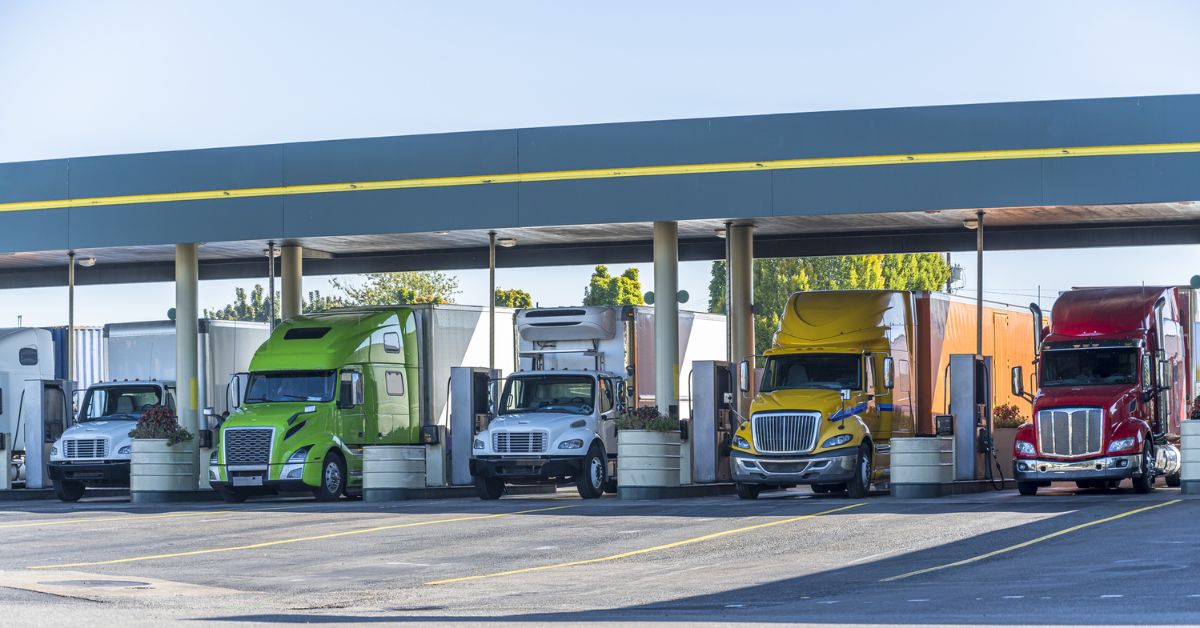

The recent Diesel Price surge past $5 per gallon is reshaping the economic outlook for millions of Americans, as rising fuel costs ripple across industries and daily life. What once seemed like a distant concern tied to global oil markets has now become a direct factor influencing grocery bills, transportation expenses, and overall household spending.
In recent weeks, fuel markets have experienced intense volatility, pushing Diesel Price levels to thresholds not seen in years. Analysts point to a combination of supply constraints, geopolitical tensions, and increased demand as key drivers behind this upward movement. While gasoline prices often receive more public attention, diesel plays a far more critical role in powering the backbone of the economy.
The Growing Diesel Price Pressure on the Economy
The Diesel Price increase is not just about what drivers pay at the pump. It reflects deeper structural pressures in global energy markets. Diesel is essential for heavy-duty transportation, including trucks that deliver goods across the country, ships that transport imports, and equipment used in agriculture and construction.
As Diesel Price levels climb, businesses across sectors are forced to adjust. Transportation companies face higher operating costs, which are often passed down to retailers and ultimately consumers. This chain reaction means that even individuals who never purchase diesel directly are still affected by its rising cost.
Economists often describe diesel as a “multiplier fuel” because of its widespread influence. A sustained increase in Diesel Price tends to amplify inflation across multiple categories, including food, retail goods, and services.
Supply Chain Strain and Rising Costs
The impact of Diesel Price changes is particularly evident in supply chains. Every product that moves from a manufacturer to a store relies on diesel-powered logistics at some stage. From long-haul trucking to last-mile delivery, diesel remains a critical energy source.
When Diesel Price rises sharply, logistics companies introduce fuel surcharges to offset their increased expenses. These surcharges are then reflected in the final price consumers pay for goods. Over time, this leads to noticeable increases in everyday items, including groceries and household essentials.
The timing of the current Diesel Price surge has added to its impact. Many businesses are still adjusting to previous inflationary pressures, and the sudden increase in fuel costs leaves little room for absorption. Instead, the burden is often transferred along the supply chain.
Agriculture Faces Mounting Challenges
Farmers are among the most directly affected by Diesel Price fluctuations. Agricultural operations depend heavily on diesel-powered machinery for planting, harvesting, irrigation, and transportation. As Diesel Price climbs, the cost of producing food rises significantly.
Beyond fuel, other inputs such as fertilizers and pesticides are also linked to global energy markets. When Diesel Price increases coincide with rising input costs, farmers face a double burden. This situation can lead to higher food prices for consumers as producers attempt to maintain profitability.
The agricultural sector’s sensitivity to Diesel Price changes highlights the broader economic implications. Food production is a foundational component of the economy, and disruptions at this level can have widespread consequences.
Transportation Sector Adjustments
The transportation industry is closely tied to Diesel Price trends. Trucking companies, which form the backbone of domestic logistics, are particularly vulnerable. Fuel expenses represent a significant portion of their operational costs, making them highly sensitive to price changes.
As Diesel Price continues to rise, companies are exploring strategies to manage costs. Some are optimizing routes, while others are investing in fuel-efficient technologies. However, these measures take time to implement and often provide only partial relief.
Air travel is also indirectly affected. While airplanes use jet fuel rather than diesel, both fuels are derived from crude oil. When Diesel Price increases reflect broader oil market trends, airlines often face higher fuel costs as well. This can lead to increased ticket prices and additional fees for travelers.
Consumer Impact Becomes More Visible
For many households, the effects of Diesel Price increases are subtle at first but become more noticeable over time. Unlike gasoline, which directly impacts drivers, diesel influences costs indirectly through goods and services.
Consumers may begin to notice higher prices at grocery stores, increased delivery fees, and rising costs for everyday essentials. These changes accumulate gradually, creating a sense of persistent inflation that affects overall purchasing power.
The Diesel Price surge also affects small businesses, which often operate with tighter margins. Higher operating costs can force them to raise prices or reduce services, further impacting consumers.
Inflation Concerns Intensify
The relationship between Diesel Price and inflation is a key concern for policymakers and economists. Fuel costs are a major input across industries, meaning sustained increases can contribute to broader inflationary trends.
When Diesel Price remains elevated, it creates upward pressure on prices across the economy. This can complicate efforts to stabilize inflation and maintain economic growth. Policymakers must balance the need to address rising costs with the risk of slowing economic activity.
The current Diesel Price environment is being closely monitored, as it has the potential to influence monetary policy decisions and economic forecasts.
Global Factors Driving Diesel Price Trends
The recent Diesel Price surge is closely tied to developments in global energy markets. Disruptions in key oil supply routes, combined with geopolitical tensions, have reduced the availability of crude oil, pushing prices higher.
At the same time, demand for diesel remains strong, particularly in emerging markets and industrial sectors. This imbalance between supply and demand has contributed to the sharp increase in Diesel Price levels.
Energy analysts note that the interconnected nature of global markets means that local prices are heavily influenced by international events. Even minor disruptions can have significant impacts when supply chains are already under strain.
Business Strategies to Adapt
Businesses are actively seeking ways to adapt to the changing Diesel Price environment. Some are investing in alternative energy sources, while others are focusing on improving efficiency in operations.
Large logistics companies are exploring electrification and hybrid technologies as long-term solutions. However, these transitions require significant investment and time, meaning diesel will remain a dominant fuel source in the near term.
In the short term, most businesses rely on pricing adjustments to manage increased Diesel Price costs. This approach helps maintain profitability but often results in higher prices for consumers.
Long-Term Economic Implications
The sustained increase in Diesel Price raises questions about long-term economic stability. High fuel costs can slow economic growth by reducing consumer spending and increasing operational expenses for businesses.
At the same time, the situation highlights the importance of energy diversification and resilience. Reducing dependence on a single fuel source can help mitigate the impact of future price fluctuations.
The Diesel Price surge also underscores the need for strategic planning in both public and private sectors. Investments in infrastructure, technology, and alternative energy sources will play a critical role in shaping the future of energy markets.
Household Budget Adjustments
As Diesel Price continues to influence costs, households are adjusting their spending habits. Many consumers are prioritizing essential purchases and cutting back on discretionary spending.
This shift in behavior can have broader economic effects, particularly in sectors that rely on consumer spending. Retail, travel, and entertainment industries may experience changes in demand as households adapt to higher costs.
Financial experts recommend that consumers remain aware of how Diesel Price trends affect their overall expenses. Understanding these dynamics can help individuals make informed decisions about budgeting and spending.
Market Uncertainty and Future Outlook
The future trajectory of Diesel Price remains uncertain. Much depends on developments in global energy markets, including supply levels and geopolitical conditions.
While some analysts expect prices to stabilize over time, others warn that continued disruptions could keep Diesel Price elevated. The unpredictability of these factors makes it difficult to forecast long-term trends.
For now, businesses and consumers alike are navigating a challenging environment shaped by rising fuel costs and economic uncertainty.
Conclusion
The Diesel Price surge past $5 per gallon is more than just a headline—it is a reflection of deeper changes in the global economy. From supply chains to household budgets, the effects are being felt across multiple levels.
As the situation evolves, the importance of diesel in supporting economic activity remains clear. While future conditions may bring some relief, the current environment highlights the critical role energy plays in shaping everyday life.