


Introduction
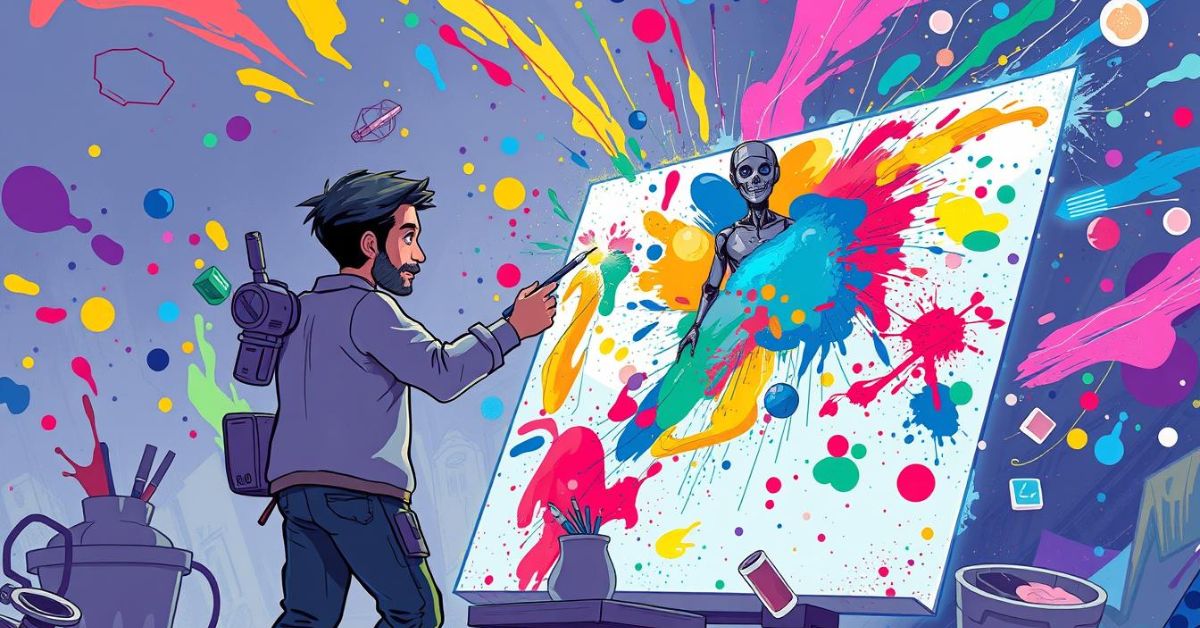
As artificial intelligence (AI) continues to advance, its applications in various fields have sparked both excitement and concern. One area where AI’s impact is being closely scrutinized is the world of art. The debate over whether AI-generated art can rival or even replace human creativity has gained traction in recent years. However, despite the technological strides, many argue that AI art remains fundamentally distinct from human art, highlighting an essential aspect of creativity that machines have yet to master.
Quick Summary
- As artificial intelligence (AI) continues to advance, its applications in various fields have sparked both excitement and concern.
- AI art refers to works created with the assistance of artificial intelligence technologies, often through machine learning algorithms.
- Despite the impressive capabilities of AI, there are inherent limitations that prevent it from fully replicating human art.
- One of the critical differences between AI-generated art and human-created art is the ability to convey emotional depth.
The Rise of AI Art
AI art refers to works created with the assistance of artificial intelligence technologies, often through machine learning algorithms. These algorithms analyze vast datasets of human artwork to generate new pieces that mimic styles, techniques, and even emotional expressions. AI-generated art has been showcased in galleries, auctioned at prestigious houses like Christie’s, and has even been used in commercial applications. The technology enables the creation of art at a speed and volume unattainable for human artists, challenging traditional notions of authorship and creativity.
The Distinct Nature of Human Creativity
Despite the impressive capabilities of AI, there are inherent limitations that prevent it from fully replicating human art. Creativity, in its essence, is deeply rooted in human experience, emotion, and cultural context. Human artists draw from personal experiences, cultural narratives, and a rich tapestry of emotions to create works that resonate on a profound level with audiences. This aspect of human art is something that AI, which lacks consciousness and emotional depth, cannot fully replicate.
Emotional Depth and Context
One of the critical differences between AI-generated art and human-created art is the ability to convey emotional depth. Human artists infuse their work with emotions and context that stem from their personal experiences. This depth is what often makes art relatable and evocative. AI, on the other hand, processes data and outputs results based on learned patterns, but it does not ‘feel’ or understand the emotional nuances that give human art its power.
Originality and Innovation
Human creativity is not just about reproducing existing styles or techniques; it is about innovation and originality. Artists often break away from established norms, experimenting with new forms, mediums, and ideas. This drive for originality is a hallmark of human art that AI struggles to achieve. While AI can mash up existing styles to create something that appears novel, it lacks the intentionality and vision that human artists bring to their work.
AI Art’s Role and Potential
Although AI may not be able to fully replicate human creativity, it holds significant potential as a tool for artists. Many artists are beginning to incorporate AI into their creative processes, using it to explore new forms of expression and to augment their own creative capabilities. AI can assist in generating ideas, providing new perspectives, and even executing complex designs that would be challenging for humans alone.
- Artists like Refik Anadol are using AI to create immersive installations that push the boundaries of traditional art.
- AI can serve as a collaborative partner, offering new insights and possibilities for human creators.
- The use of AI in art education is also gaining traction, helping students to explore and understand the intersection of technology and creativity.
The latest developments connected to AI art have reopened questions about strategy, risk, and timing, particularly for stakeholders who need clearer signals before making their next move. In practical terms, that means watching both official statements and real-world indicators to understand whether the current direction is likely to hold.
In recent coverage, AI art has become a reference point for wider discussions about accountability, communication, and how institutions respond under pressure. Observers say this broader lens is important because the immediate event is often only one part of a larger sequence of decisions.
Beyond the immediate updates, AI art is drawing attention because it links short-term events to longer-term structural trends that are still unfolding. Readers following the story closely are paying particular attention to what changes in response and what remains unresolved after each update.
As the story evolves, reporting on AI art is expected to focus increasingly on measurable impacts, official follow-through, and whether early assumptions hold up. That evidence-based framing helps audiences evaluate momentum without overreacting to isolated developments.
Taken together, these updates show why AI art matters now and why the next round of confirmed information will be critical to understanding the full impact. Analysts caution that the most meaningful shifts may appear gradually, making sustained coverage more useful than one-off snapshots.
Conclusion
While AI art represents a fascinating intersection of technology and creativity, it is not poised to displace human art any time soon. The unique qualities of human creativity – emotional depth, cultural context, and innovation – remain beyond the reach of current AI technology. Instead, AI should be seen as a complementary tool, one that can enhance and expand the possibilities for human artists rather than replace them. As we continue to explore the potential of AI in art, it is essential to appreciate and preserve the irreplaceable value of human creativity.
For further insights into the impact of AI on creative industries, explore our article on AI and the Future of Creativity. To understand more about how AI is shaping the world, visit BBC Technology.
Analysts say AI art now sits at the center of a broader shift, with consequences that could extend beyond the immediate headline and shape decisions in the coming weeks. They note that early signals often appear in policy language and market behavior before they are reflected in official summaries, which is why context matters as much as the headline itself.
Reporting around AI art has also highlighted how quickly circumstances can change, making context and verified updates essential for readers trying to separate signal from noise. The most reliable coverage connects each new update to the timeline of prior events so audiences can understand what is genuinely new and what is part of a longer trend.
Officials and industry observers are watching AI art closely, noting that the next phase of the story may depend on timing, policy responses, and cross-market reactions. Until those responses become clearer, experts recommend focusing on confirmed developments instead of speculation that can distort short-term expectations.