


Quick Summary: Control of Hormuz After US Calls Off Renewed Attacks US Iran tightens
- Iran has tightened control over the Strait of Hormuz after U.S. paused renewed attacks
- Iranian forces seized two vessels and increased pressure on the strategic waterway
- Iran demands the U.S. lift its naval blockade before agreeing to a full ceasefire
- The U.S. continues intercepting ships and enforcing restrictions in the region
- Global oil markets remain under strain as the conflict disrupts supply routes
Tensions between the United States and Iran have intensified as control over the Strait of Hormuz becomes a central point of conflict, with both sides taking actions that signal a fragile and uncertain ceasefire. Iran has moved to strengthen its position in the region by seizing vessels and tightening its grip on one of the world’s most critical oil transit routes, while the United States continues to enforce a naval blockade that Tehran considers an act of war.
The situation escalated after U.S. President Donald Trump announced that renewed military attacks on Iran would be called off indefinitely, a decision that appeared to pause further escalation but did not resolve underlying tensions. The announcement was framed as an opportunity to allow for discussions around a potential ceasefire, yet Iranian officials have made it clear that any lasting agreement would require the lifting of the blockade.
Iran’s response has been direct and assertive. The country’s parliament speaker and lead negotiator, Mohammad Baqer Qalibaf, stated that a full ceasefire would only make sense if the United States ended its naval blockade. He emphasized that maintaining restrictions on Iran’s maritime trade undermines any claim of a genuine ceasefire, describing the blockade as a breach of the agreement’s intent.
At the same time, Iranian forces have taken concrete actions to reinforce their position. The Islamic Revolutionary Guard Corps seized two vessels in the Strait of Hormuz, escorting them to Iranian shores. These actions were justified by Iranian authorities as enforcement measures against ships that were allegedly operating without proper permits or manipulating navigation systems. However, such moves have heightened tensions and drawn international attention.
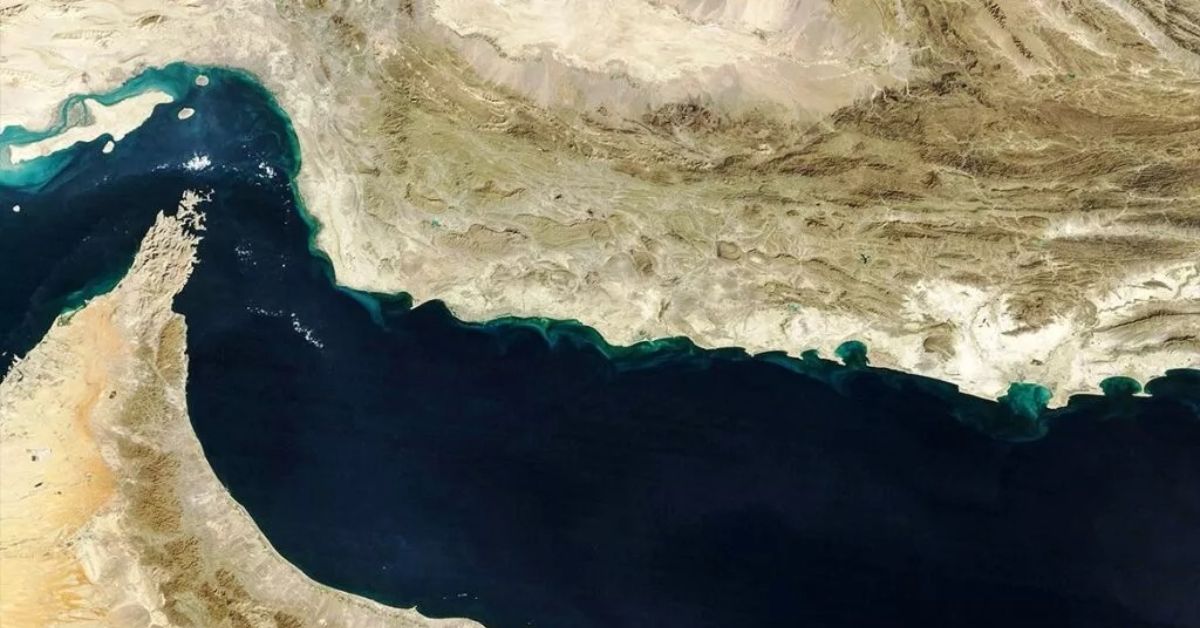
The Strait of Hormuz remains a critical chokepoint for global energy supplies, historically carrying a significant portion of the world’s oil trade. Disruptions in this narrow waterway have immediate and far-reaching implications for global markets. The current situation has effectively limited traffic through the strait, creating uncertainty and contributing to rising oil prices.
The United States has responded by maintaining its blockade and taking additional measures to control maritime activity in the region. U.S. military officials have reported directing dozens of ships to turn around or return to port, as well as intercepting Iranian tankers in waters far beyond the Persian Gulf. These actions demonstrate the scale and reach of the enforcement effort, extending its impact across multiple regions.
Despite the pause in direct military strikes, the broader conflict remains unresolved. The ceasefire, initially expected to provide a temporary halt to hostilities, has become increasingly ambiguous. Iranian officials have not formally agreed to extend the truce, and the lack of clear terms has left both sides operating under different interpretations of the situation.
Efforts to restart peace talks have also faced challenges. Pakistan has attempted to mediate discussions between the United States and Iran, but progress has been limited. Planned talks in Islamabad failed to take place as both sides did not attend, underscoring the difficulties in bringing the parties together. The absence of a new deadline for negotiations adds to the uncertainty, leaving the timeline for potential resolution unclear.
The broader regional context further complicates the situation. The conflict has involved multiple actors and has led to significant casualties, particularly in Iran and Lebanon. The involvement of groups aligned with Iran has expanded the scope of the conflict, making it more difficult to isolate and address specific issues. Ongoing military actions, including airstrikes and naval operations, continue to shape the dynamics on the ground.
Economic impacts are already being felt, with global oil markets reacting to the disruption in supply routes. Prices have remained elevated, reflecting concerns about the stability of energy flows through the region. The Strait of Hormuz’s importance means that any prolonged disruption could have lasting effects on global economies, influencing everything from fuel costs to broader economic activity.
The situation has also been influenced by internal developments within both countries. In the United States, changes in defense leadership, including the removal of the Navy Secretary, have added another layer of complexity. These changes come at a time when consistent and coordinated strategy is essential for managing the conflict.
Iran, meanwhile, has taken steps to reinforce its position domestically and internationally. The execution of an individual accused of links to opposition groups and foreign intelligence services signals a tightening of internal control. Such actions reflect the broader environment of heightened tension and the government’s focus on maintaining authority during a period of conflict.
As the situation continues to evolve, the key factors will be the actions taken by both sides and their willingness to engage in meaningful dialogue. The current standoff highlights the challenges of balancing military strategy with diplomatic efforts, particularly when trust between the parties is limited.
The next phase of the conflict will likely depend on whether conditions can be created for renewed negotiations. This includes addressing core issues such as the blockade, sanctions, and security concerns. Without progress on these fronts, the risk of further escalation remains.
Conclusion
The tightening of control over the Strait of Hormuz underscores the fragile state of relations between the United States and Iran, with both sides maintaining positions that complicate efforts toward a lasting ceasefire. While the pause in military strikes offers a temporary reprieve, the continued blockade and enforcement actions highlight unresolved tensions. The situation remains fluid, with global economic and security implications tied closely to developments in this critical region.