

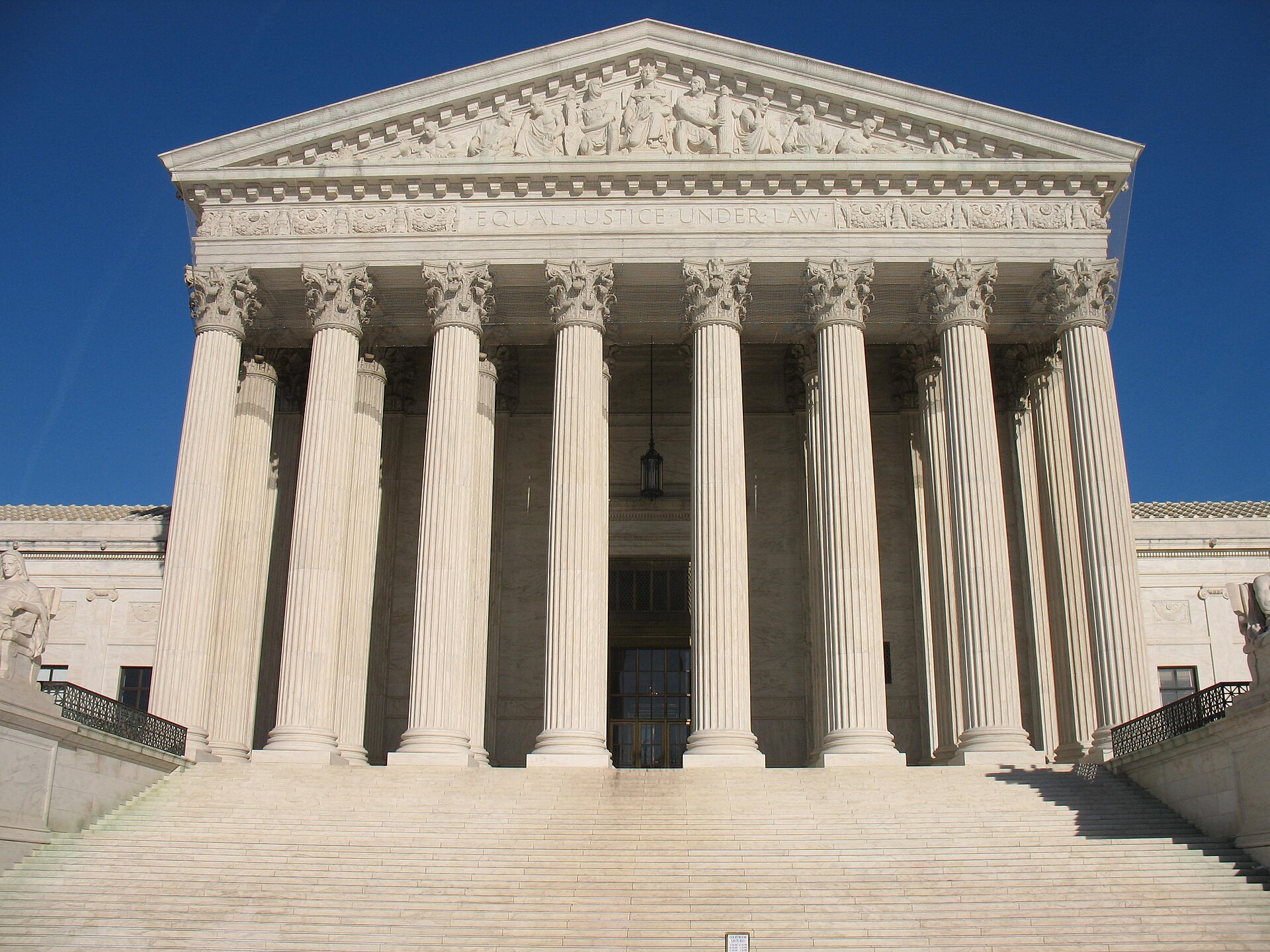

Quick Summary: Supreme Court Allows Texas Congressional Map for Upcoming Elections
- The Supreme Court upheld a Texas GOP-favored map, impacting upcoming elections.
- This decision allows the map to be used in November elections, affecting voter districts.
- The ruling has sparked debate over its implications for voter representation.
- Supporters argue it maintains fair representation, while critics claim it favors the GOP.
- The decision is part of ongoing legal battles over electoral maps nationwide.
Source: Read original article
The U.S. Supreme Court has upheld a congressional district map backed by Republicans in Texas, allowing it to remain in place for the upcoming November elections. The decision is expected to have a significant impact on voter representation and political outcomes in one of the country’s largest and most influential states.
The ruling effectively ends a legal challenge that sought to block the use of the map, which critics argued was drawn in a way that favored the Republican Party. By allowing the map to stand, the court has ensured that current district boundaries will be used in the next election cycle, shaping how votes are distributed across congressional districts.
Supporters of the map say the decision reinforces the legitimacy of the redistricting process and maintains consistency in how electoral boundaries are determined. They argue that the map reflects lawful procedures and provides a stable framework for elections.
Critics, however, contend that the ruling allows a system that may disproportionately benefit one political party. Concerns over gerrymandering — the practice of drawing district lines to favor a particular group — have been central to the debate. Opponents of the map argue that such practices can distort representation and limit electoral competitiveness.
The case is part of a broader national conversation about how electoral districts are drawn and the role courts play in overseeing that process. Redistricting battles have become increasingly common in recent years, with both political parties engaging in legal disputes over maps in multiple states.
Legal experts note that the Supreme Court’s involvement in such cases highlights the complex balance between state authority and judicial oversight. While states are responsible for drawing district lines, courts often step in when those maps are challenged on constitutional or legal grounds.
The decision also underscores the importance of timing in election-related rulings. With elections approaching, courts are often cautious about making changes that could disrupt the electoral process. Allowing the Texas map to stand provides clarity for election officials and voters as preparations continue.
The impact of the ruling extends beyond Texas. Similar legal challenges are underway in other states, and decisions in high-profile cases can influence how courts approach future disputes. Observers say the ruling may serve as a reference point for ongoing and upcoming cases related to redistricting.
Political analysts suggest that the map could play a role in shaping the balance of power in Congress. Changes in district boundaries can affect which candidates are likely to win in specific areas, potentially influencing the overall outcome of elections.
At the same time, the debate surrounding the ruling reflects broader concerns about voter representation and fairness. Questions about how districts are drawn and who benefits from those decisions remain central to discussions about the electoral system.
Advocacy groups on both sides are expected to continue pushing for changes, either through legal challenges or legislative efforts. The issue of redistricting is likely to remain a key topic in political discourse, particularly as new census data and population shifts lead to further adjustments in district boundaries.
As the election approaches, attention will now shift to how the map affects campaigning, voter turnout, and election results. Candidates and political organizations are already adjusting their strategies based on the confirmed district lines.
The Supreme Court’s decision provides immediate clarity but does not resolve the broader debate. Instead, it highlights the ongoing tension between legal frameworks, political interests, and the goal of fair representation in a democratic system.
Conclusion
The Supreme Court’s decision to uphold the Texas congressional map ensures that current district boundaries will be used in the upcoming elections, shaping the political landscape in the state. While supporters view the ruling as a validation of the redistricting process, critics continue to raise concerns about fairness and representation. As similar disputes continue across the country, the issue of how electoral maps are drawn is likely to remain a central part of national political discussions.