


Quick Summary
- The US is urging international cooperation to reopen the Strait of Hormuz amid rising oil prices.
- The strait handles nearly 20% of global oil shipments, making it a critical energy route.
- Disruptions have contributed to supply concerns and increased volatility in global markets.
- Officials warn that prolonged restrictions could affect millions of barrels of daily supply.
- The situation highlights the role of geopolitical tensions in shaping global energy security.
Source: Read original article
In Washington, D.C., US officials have called for coordinated international efforts to reopen the Strait of Hormuz, a key maritime route for global oil shipments, as crude prices continue to rise. The move reflects concerns over supply disruptions and their potential impact on energy markets.
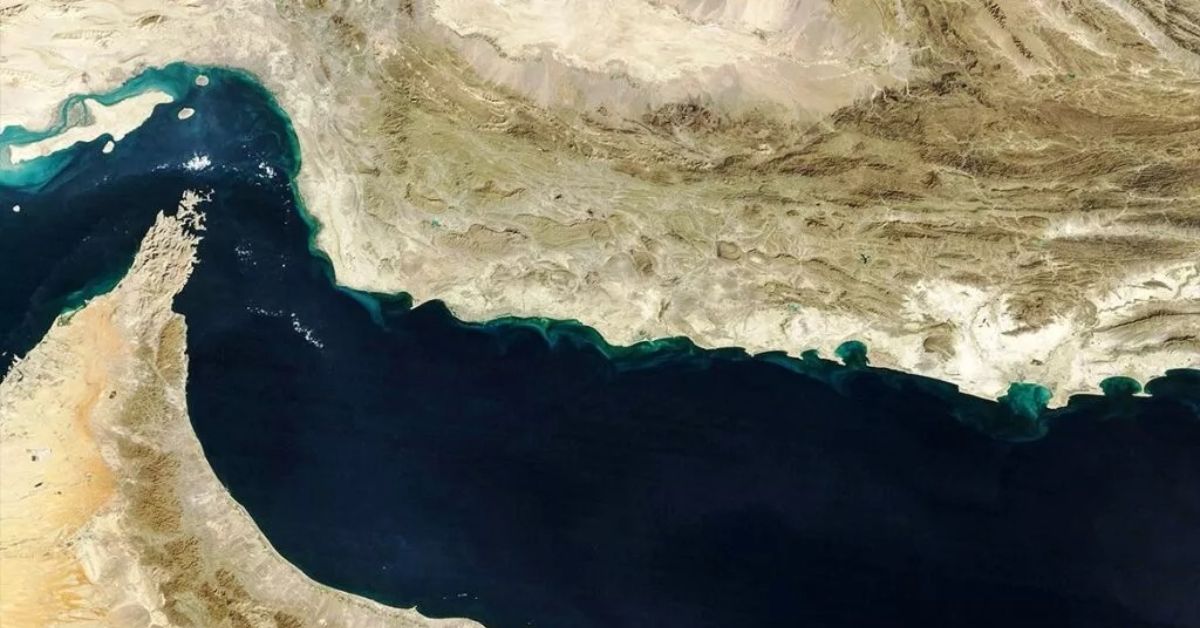
The Strait of Hormuz is widely considered one of the world’s most critical energy chokepoints, with nearly 20% of global oil consumption passing through the narrow waterway. Any disruption to this route can have immediate consequences for supply chains, affecting both producers and consumers worldwide.
Officials said maintaining access to the strait is essential for stabilizing oil markets. A spokesperson from the US Department of Energy noted that uninterrupted oil flow remains a key factor in maintaining economic stability across multiple regions.
The situation has drawn attention to broader geopolitical dynamics in the region. While specific causes of the disruption have not been fully detailed, tensions affecting major shipping lanes often lead to increased uncertainty in global markets. This uncertainty can drive price fluctuations and influence energy policy decisions.
The US has reportedly engaged with allies and regional partners to explore options for ensuring the passage remains open. These discussions are part of wider efforts to prevent extended disruptions and limit the economic impact of supply constraints.
The development comes as global oil demand continues to recover, placing additional pressure on supply systems. With demand rising, even short-term interruptions can have amplified effects on pricing and availability, making stability in key transit routes increasingly important.
Conclusion
The situation around the Strait of Hormuz underscores how critical shipping routes influence global energy markets. Efforts to maintain open access to the passage reflect the broader challenge of balancing supply stability with geopolitical risks as demand continues to evolve.