


Quick Summary: Smart meters Pushes the Story Into Uncharted Territory
- Protests in Uttar Pradesh erupted over prepaid smart meters, with villagers dismantling them.
- Central policy states prepaid meters are optional, but UP’s implementation suggests otherwise.
- Over 20,000 new prepaid connections were issued in April despite policy confusion.
- Rashtriya Lok Dal, part of the ruling alliance, opposes the smart meter rollout.
- Upcoming protests in Atrauli indicate continued unrest and political challenges.
Source: Read original article
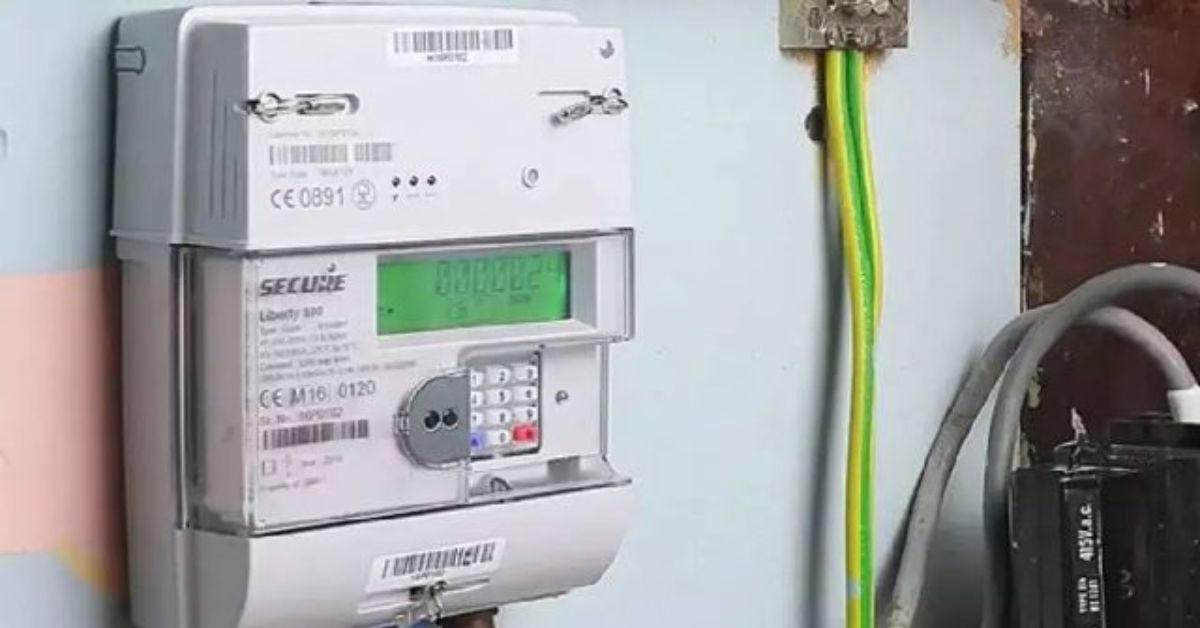
The smart meter saga in Uttar Pradesh has morphed from a technical upgrade into a full-blown political crisis. What started as a billing efficiency measure has spiraled into protests, with villagers dismantling meters and dumping them at electricity stations. The discontent stems from the perception of coercion, as residents feel forced into prepaid systems that threaten higher charges and abrupt cutoffs. Smart meters is at the center of this development.
Despite the Central Electricity Authority’s assurance that prepaid meters are not mandatory, Uttar Pradesh Power Corporation Limited continues to issue new connections only in prepaid mode. This contradiction has fueled anger and provided ammunition for political opponents. Notably, the Rashtriya Lok Dal, part of the ruling NDA, has joined the protests, complicating the BJP-led state’s position.
The political landscape is further complicated by the upcoming May 18 protest in Atrauli, signaling that the unrest is not subsiding. The state’s temporary halt on the smart meter rollout and relief measures have done little to quell the protests, which are now a test of political will and consumer rights.
As the situation unfolds, Uttar Pradesh faces a critical decision: enforce the prepaid-only policy or align with the Centre’s softened stance on consumer choice. The outcome will not only affect the state’s energy policy but also its political stability.
” He went further, warning, “The Rashtriya Lok Dal will support these agitations in the rural belt,” and said the party would oppose any cases filed against consumers who dismantled meters. It also announced specific relief measures: no disconnections for newly installed smart meters for up to 45 days, a three-day supply cushion or until dues hit Rs 200 for consumers with loads up to 2 KW, and a five-stage SMS warning system at 30 percent balance, 10 percent, balance exhaustion, one day before disconnection, and after disconnection.
On the street, the next visible test is the announced May 18 protest in Atrauli, while politically the state government faces a choice between enforcing prepaid-only new connections or aligning itself with the Centre’s softened line on consumer choice. Times of India reported that between April 2 and April 19, 20,971 new consumers in Uttar Pradesh were given prepaid smart-meter connections.
Hindustan Times reported on May 2 that “hundreds of villagers” in Agra’s Akola area dismantled smart meters and dumped them at an electricity sub-station, with similar demonstrations spreading to Aligarh, Firozabad and Hathras. On April 20, Indian Express reported that Uttar Pradesh temporarily halted the broader smart-meter rollout until a technical committee submits its report.
” Yet UPPCL has continued issuing new electricity connections only in prepaid mode, creating the precise contradiction that is fueling anger on the ground and giving the opposition fresh material to attack the state government. That data matters because it suggests the conflict is not abstract: tens of thousands of households are already being processed through a system that the Centre has, at minimum, publicly softened on.
The politics around the issue are also widening beyond the usual opposition-versus-government script. The state government had already shown signs of retreat before this new surge.
Rashtriya Lok Dal, part of the ruling alliance, opposes the smart meter rollout. The discontent stems from the perception of coercion, as residents feel forced into prepaid systems that threaten higher charges and abrupt cutoffs.
The scale and speed of this development has caught many observers off guard. Each new update adds another dimension to a story that is still unfolding, and the full picture will only become clear as more verified details emerge from the people and institutions directly involved.
Analysts who have tracked this issue closely say the current moment represents a genuine turning point. The decisions made in the coming weeks are expected to set the direction for months ahead, with ripple effects likely to extend well beyond the immediate actors in the story.
For those directly affected, the practical impact is already visible. People navigating this fast-changing situation are dealing with real consequences while new information continues to reshape what is known and what remains open to interpretation.
Historical parallels offer some context, though experts caution against drawing too close a comparison. Similar situations have played out before, but the specific combination of pressures, personalities, and timing here makes this moment distinct in ways that matter for how it ultimately resolves.
The political and economic dimensions of this story are deeply intertwined. What appears as a single event on the surface is in practice the convergence of multiple pressures that have been building quietly over a longer period than most public reporting has captured.