


Quick Summary:
- Vice President JD Vance visited Iowa, hinting at a 2028 presidential run, engaging with the Republican base.
- Vance and Iowa Representative Zach Nunn focused on tax and tariff reforms to appeal to working-class voters.
- Local analyst Jimmy Centers sees Vance as a strong contender for the 2028 Republican nomination.
- Vance’s visit coincided with economic challenges in Iowa, emphasizing the administration’s economic agenda.
- Vance’s strategy leverages Trump’s political influence, aiming to secure early support in Iowa.
Source: Read original article
Vance Iowa: Key Takeaways
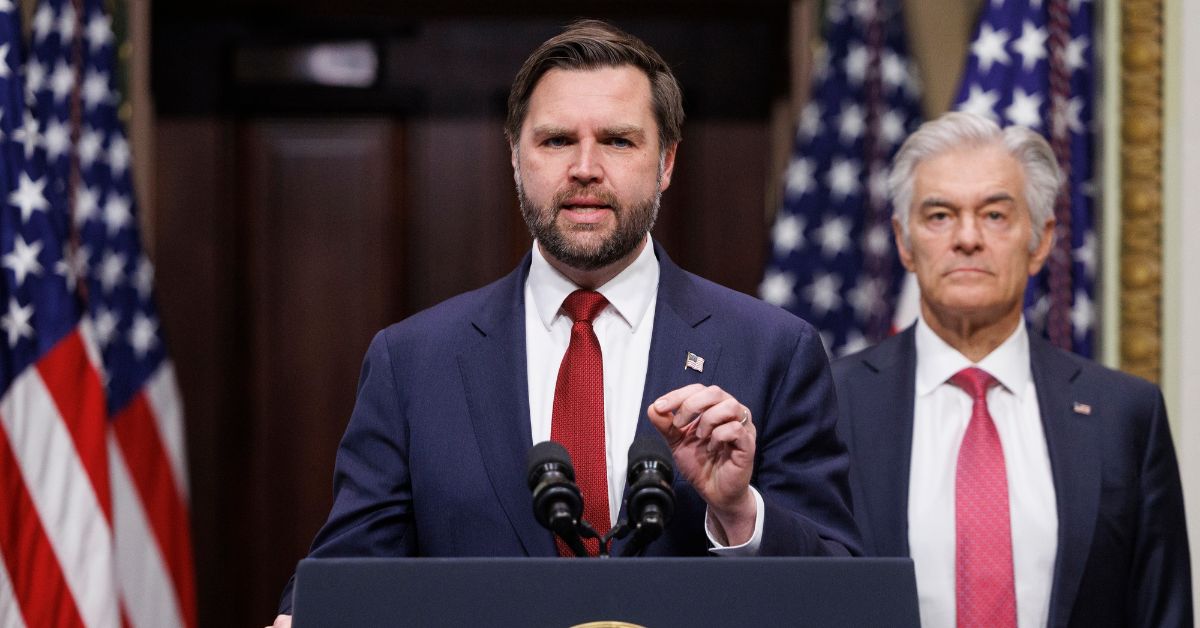
Vice President JD Vance’s recent visit to Iowa is more than just a routine political stop; it’s a strategic move that signals his ambition for a 2028 presidential run. By engaging with Iowa’s influential Republican base, Vance is laying the groundwork for a potential campaign, positioning himself as a champion of the working class.
During his visit, Vance, alongside Iowa Representative Zach Nunn, emphasized the administration’s economic agenda, focusing on tax and tariff reforms. This message is crafted to resonate with Iowa’s working-class voters, especially as they face rising gas and fertilizer prices. Vance’s timing is critical, aligning his visit with economic challenges that directly impact the state’s agricultural sector.
Local political analyst Jimmy Centers has already identified Vance as a frontrunner for the 2028 Republican nomination. While the election is still years away, Vance’s engagement in Iowa suggests a calculated effort to secure early support in a state that plays a crucial role in shaping the Republican primary field. His strategy appears to capitalize on the existing Trump coalition, aiming to extend its influence into the 2028 election cycle.
As the political landscape evolves, Vance’s actions will be closely monitored. The 2026 midterm elections will be a significant milestone, testing Vance’s policies and the administration’s economic message. The outcome could significantly influence Republican strategy ahead of the 2028 presidential election. Vance’s ability to resonate with Iowa voters and address their economic concerns will be critical as he contemplates a potential presidential run.
Donald Trump looms over the entire event because Vance’s trip follows Trump’s own January visit to tout tax cuts as Republicans try to shape the economic argument ahead of the 2026 midterms that will determine control of Congress. The surprising twist is how openly everyone is talking about 2028 even though Vance has not said he will run.
3, 2026 midterm election, when control of Congress is at stake and candidates like Nunn will test whether the administration’s economic and cultural message is working. Zach Nunn, Vance promoted the administration’s tax and tariff agenda and cast Republicans as defenders of “working-class voters,” a message aimed squarely at a state that will begin the 2028 GOP presidential nominating calendar in less than two years.
JD Vance’s first trip to Iowa as vice president doubled as an unmistakable test run for 2028, with the sharpest new development being that he used a Des Moines campaign stop to fuse Trump-style economics with a direct appeal to Iowa’s first-in-the-nation Republican caucus electorate while local GOP operatives openly sized him up as a likely early frontrunner. This is not a normal political environment,” and repeatedly framed Nunn and the administration as “fighting for you instead of fighting against you,” while attacking Democrats on immigration and fraud.
Iowa Republicans will continue watching whether Vance returns to the state as the 2026 midterms approach, and the next real electoral checkpoint is the Nov. That is the substantive conflict beneath the 2028 intrigue: Vance is arguing that the Trump-Vance economic program helps workers, while critics and skeptical voters can point to higher input costs in a state where fertilizer and fuel prices are not abstract talking points but operating expenses.
Marco Rubio is also explicitly mentioned in the newest reporting as another Republican thought to be a potential 2028 contender, which makes Vance’s Iowa appearance more than a one-off surrogate event; it is an early move in a shadow primary already being discussed by operatives. That dual purpose is what makes the story stand out right now: Vance is officially there to help Republicans in 2026, but the state’s operatives, media, and likely caucus-goers are plainly reading the visit as an audition for January 2028.