


Quick Summary: Azerbaijan Signals a Turning Point Nobody Can Ignore
- Azerbaijan is set to host World Environment Day 2026, focusing on climate change and environmental leadership.
- Deputy Minister Taghiyeva highlighted a 30% drop in water resources and rapid shrinking of the Caspian Sea, stressing urgency.
- Azerbaijan was elected to chair UNEP’s Committee of Permanent Representatives for 2025–2027, enhancing its environmental influence.
- The country aims to double renewable energy by 2030, aligning with its green transition and zero-waste ambitions.
- Public invitations for participation in environmental initiatives were issued, aiming for broad civic engagement.
Source: Read original article
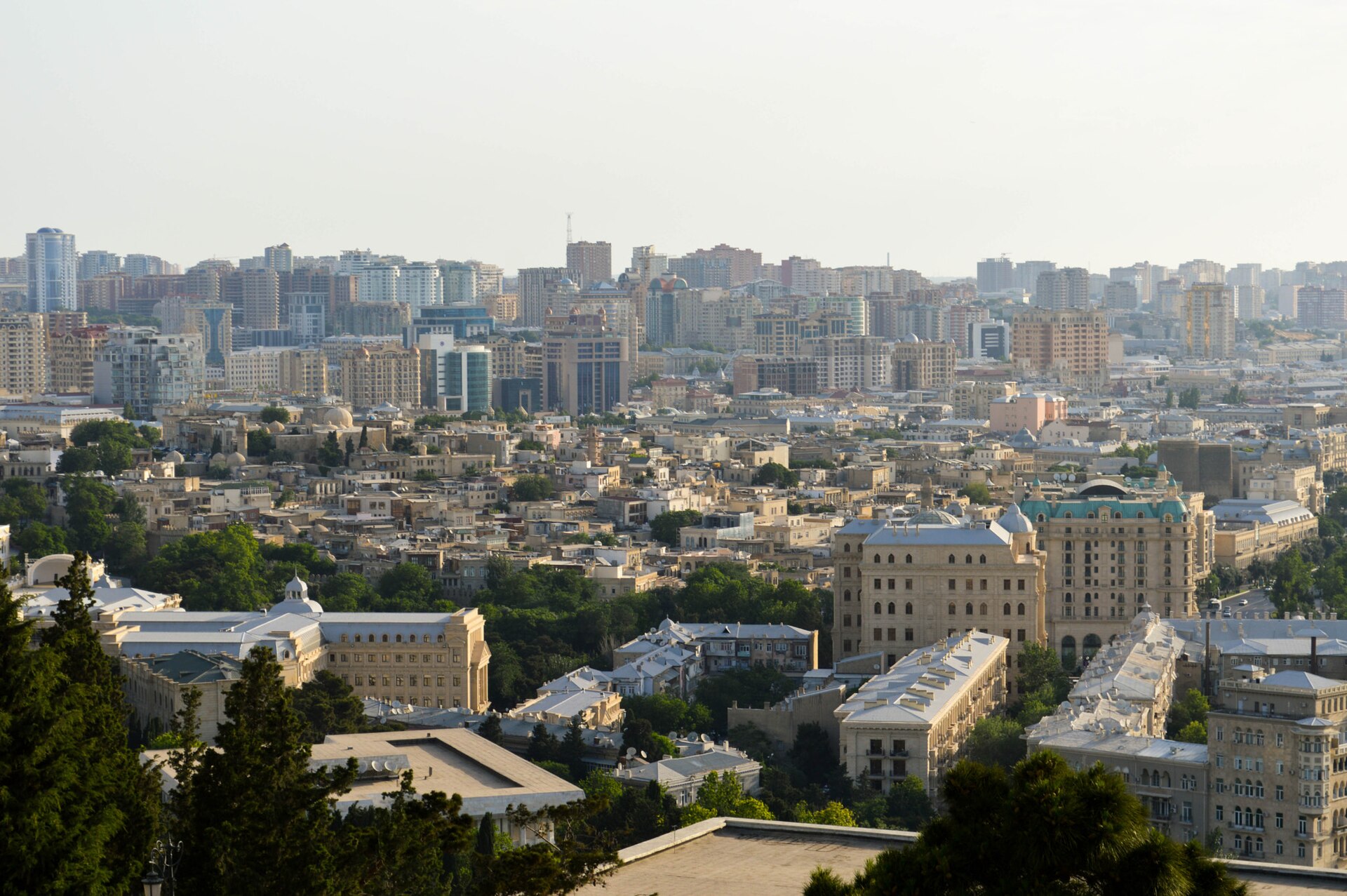
Azerbaijan is stepping onto the global stage with a bold environmental agenda as it prepares to host World Environment Day 2026. This isn’t just a ceremonial role; it’s a declaration of leadership in tackling climate change.
With a significant 30% decline in water resources and the Caspian Sea’s alarming shrinkage, Azerbaijan’s Deputy Environment Minister Umayra Taghiyeva has sounded the alarm. The urgency is clear, and the nation is taking action by doubling down on renewable energy goals by 2030, aiming for a green transition and zero-waste future.
In a strategic move, Azerbaijan was elected to chair the UNEP’s Committee of Permanent Representatives for 2025–2027. This role positions Baku not just as a host city but as a key player in shaping global environmental policies. The focus is on mobilizing citizens, NGOs, and businesses for a national showcase of environmental commitment.
As Azerbaijan gears up for June 5, 2026, the emphasis is on transforming World Environment Day from a one-day observance into a vibrant national movement. With public exhibitions and climate-themed actions, the goal is to engage the public and make an international impact.
In a UNEP-backed statement cited in earlier official reporting, Azerbaijan said World Environment Day 2026 would focus on climate change, while Deputy Minister Taghiyeva told the UN Environment Assembly that the country is seeing a 30 percent drop in incoming water resources and that the Caspian Sea is shrinking rapidly. AZERTAC reported that on June 24, 2025, Azerbaijan was elected for the first time to chair the Bureau of UNEP’s Committee of Permanent Representatives for 2025–2027, with Ambassador Sultan Hajiyev representing the chairmanship.
The bureau sits inside a 193-member-state UN system that helps shape environmental policy priorities, so Baku is approaching World Environment Day 2026 not merely as a host city but with a more formal leadership position in the UN environment architecture. UNEP’s 2024 announcement also quoted then-minister Mukhtar Babayev saying Azerbaijan aimed to “almost double” renewable energy sources by 2030, pairing the World Environment Day bid with broader claims of green transition and zero-waste ambitions.
” The clearest new development came on May 11, when Deputy Environment Minister Umayra Taghiyeva issued a direct public call for participation in the events Azerbaijan will host with UNEP, saying groups across the country can join through tree-planting drives, clean-up actions, public discussions, exhibitions, educational meetings, and other environmental initiatives. The site currently shows “23 days to go,” which places the reporting squarely in mid-May 2026, and frames the gathering as a mix of “high-level discussions” and public-facing programming.
Azerbaijan’s June 5 World Environment Day program is being positioned alongside Baku’s broader 2026 multilateral calendar, especially the 13th World Urban Forum. The immediate news hook, then, is that Azerbaijan has shifted from saying it will host World Environment Day to actively staging it in public, with the next hard deadline arriving on June 5, 2026 in Baku.
UNEP event listings for May 19–21 in Baku already show environment-linked sessions on plastic pollution, air quality, heat resilience, and Caspian climate resilience around WUF13, including one tied to a four-year, $10 million Adaptation Fund program on climate-resilient cities and communities in Azerbaijan. The official WED2026 site says the main event will take place on June 5 at the Heydar Aliyev Center in Baku, with both closed sessions and an outdoor exhibition open to the public.
Deputy Minister Taghiyeva highlighted a 30% drop in water resources and rapid shrinking of the Caspian Sea, stressing urgency. With a significant 30% decline in water resources and the Caspian Sea’s alarming shrinkage, Azerbaijan’s Deputy Environment Minister Umayra Taghiyeva has sounded the alarm.
The country aims to double renewable energy by 2030, aligning with its green transition and zero-waste ambitions. The urgency is clear, and the nation is taking action by doubling down on renewable energy goals by 2030, aiming for a green transition and zero-waste future.
The scale and speed of this development has caught many observers off guard. Each new update adds another dimension to a story that is still unfolding, and the full picture will only become clear as more verified details emerge from the people and institutions directly involved.
Analysts who have tracked this issue closely say the current moment represents a genuine turning point. The decisions made in the coming weeks are expected to set the direction for months ahead, with ripple effects likely to extend well beyond the immediate actors in the story.
For those directly affected, the practical impact is already visible. People navigating this fast-changing situation are dealing with real consequences while new information continues to reshape what is known and what remains open to interpretation.
Historical parallels offer some context, though experts caution against drawing too close a comparison. Similar situations have played out before, but the specific combination of pressures, personalities, and timing here makes this moment distinct in ways that matter for how it ultimately resolves.
The political and economic dimensions of this story are deeply intertwined. What appears as a single event on the surface is in practice the convergence of multiple pressures that have been building quietly over a longer period than most public reporting has captured.