


Key Takeaways:
– Approximately 45,000 US dockworkers announced a historic strike on October 1, disrupting port activities in the East and Gulf Coasts.
– The International Longshoremen’s Association (ILA) led the strike, demanding higher wages and secure protection from job automation.
– The ILA and the United States Maritime Alliance, Ltd. (USMX) have confirmed they’ve reached a tentative resolution.
Pioneering Protest at US Ports
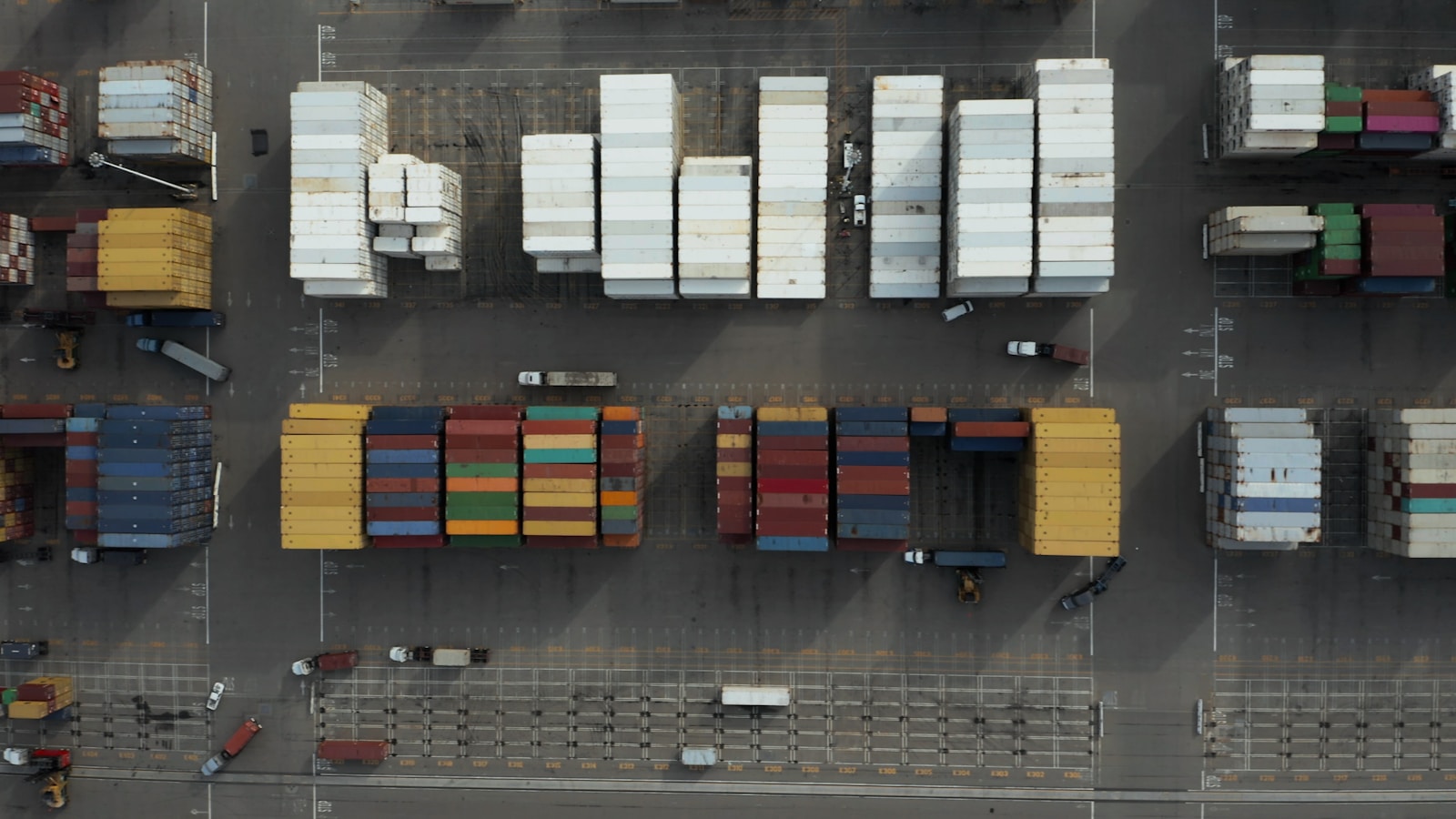
Late last week, US port activities from the East Coast to the Gulf came to a temporary halt. Nearly 45,000 dockworkers under the ILA banner left their posts in protest, inciting the first such extensive strike seen in half a century. The outcry centered on urgent calls for better pay and heightened safeguards to prevent the looming threat of job automation.
Dialogue and Deliberations: The Aftermath of the Strike
The strike, albeit brief, captured nation-wide attention and put pressure on the United States Maritime Alliance or USMX, the representative body for docks and carriers at sea. ILA President Harold Daggett noted in a social media post the protest was a result of frustrated dockworkers fighting for the “wages we deserve.”
Fortunately, the call for improved terms of employment did not go unheard. Cutting through the clamor, both the ILA and the USMX announced on October 3 a temporary agreement on the wage issue. They unveiled this development, effectively suspending the strike, through a joint social media statement.
Negotiations and Agreements: The Way Forward
According to the posted statement, the parties agreed to extend the Master Contract until January 15, 2025. The dockworkers returned their focus to their duties, while the ILA and USMX arranged to reconvene and discuss remaining grievances.
Decoding the Discrepancy: The Heart of the Matter
Monday’s statement from the ILA outlined their grievances against the USMX. The ILA alleged that the USMX, enjoying significant profits, was negligent in offering a fair wage packet to the workers. The proposed nearly 50% increase failed to meet ILA’s demands, leading to their rejection.
The ILA highlighted that many of its members use expensive container handling equipment for an hourly wage of around $20. With minimum wages in several states already set at $15, this demand does not seem unreasonably high.
When questioned about the demands prior to the strike, Fort Lauderdale ILA chapter president Johnnie Dixon responded. He stressed the increase request was valid, especially now with inflation increasing consumer prices. The sought-after 77% salary hike over seven years seemed only just considering the current climate.
Earnings and Extra Shifts: A Look at Dockworker’s Wages
Even at a top-tier hourly wage of $39, the annual salary of a dockworker with at least six years of service has a ceiling of slightly more than $81,000. With some extra shifts, dockworkers can strengthen their earnings. Local longshoremen, according to the Waterfront Commission of New York Harbor’s 2019-2020 annual report, comprised up to one-third of workers making $200,000 or more every year.
The average longshoreman’s salary can exceed $100,000, but to meet this figure, they often have to commit to substantial overtime. Daggett reminded us that these top earners usually work up to 100 hours weekly.
This strike demonstrated the dockworkers’ resilience and determination for improved working conditions. The tentative agreement suggests their collective action hasn’t been in vain. However, remaining disputes over job security in the face of automation and other outstanding issues need addressing. Only time will tell where this talk will lead, and whether satisfactory resolutions will solidify.