


Key Takeaways:
– Former President Barack Obama criticizes Black men for potential lack of support for Kamala Harris
– Recent polls contradict Obama’s claims; support for Harris among black voters remain strong
– Stereotyping and apparent disregard of systemic racism are evident in Democrats’ approach towards Black voters
– Harris’s initiatives targeting Black men seem symbolic and lack impact
– Alleged racism leaves a negative impact on Democratic Party’s image among Black voters
Obama’s Controversial Remarks
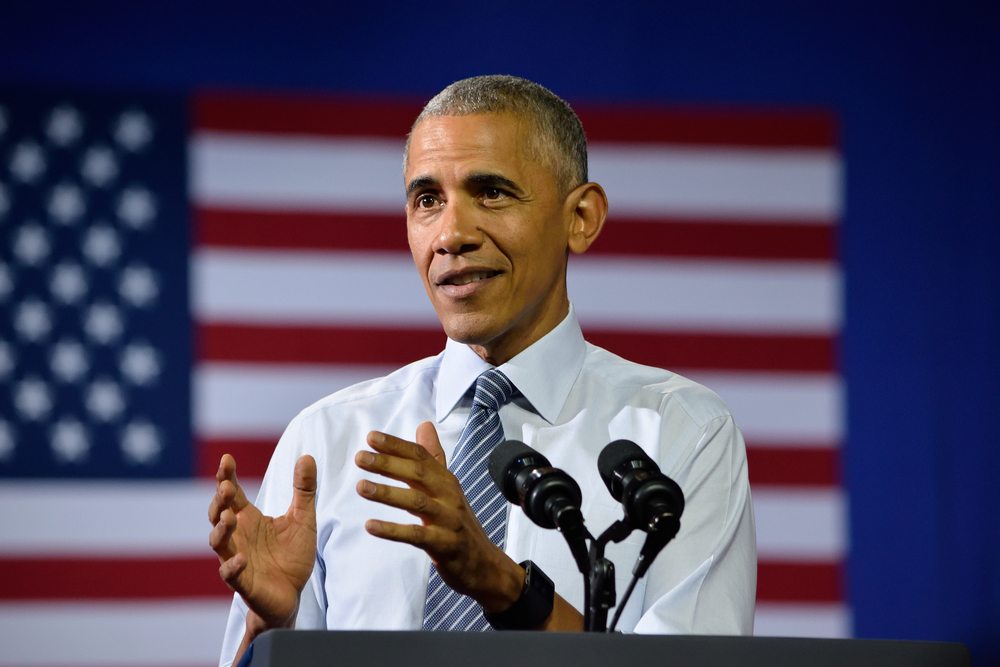
Former President Barack Obama recently held a campaign event in Pittsburgh. During this surprise visit, he made some divisive comments criticizing the potential lack of support for Vice President Kamala Harris among Black men. Obama accused Black men of harboring latent misogyny, suggesting that their hesitancy in accepting a potential woman president led to their alleged support wavering.
Contrary Democratic Claims and Poll Results
However, recent polls contradict Obama’s stern warnings about Black men’s political allegiances. They highlight that Vice President Harris’s support among Black voters is just as strong, if not more, than what President Joe Biden witnessed before renouncing his campaign in July. The polls suggest that Latino men, as their support for Harris isn’t as strong, should have been Obama’s concern.
The Unwavering Expectancy from Black Voters
The incident uncovers a larger issue at play within the Democratic Party. There’s a predominant expectancy for all-out support from Black voters irrespective of the policies and agendas promoted by their presidential candidates. This pattern emanated from the Sista Souljah Moment during the 1992 Los Angeles Riots in which Bill Clinton compared the anger of Black gang members to that of racist white supremacists.
Underrepresentation and Misrepresentation of Black people’s Struggle
The Democrats’ dealings with Black voters have often been ‘punching down’, minimizing their struggles and overgeneralizing cultural degeneration. The endemic racism that Black people face through different social and political structures is often overlooked and underplayed. While Obama’s harsh critique builds upon this narrative, Harris’s initiatives that target Black men show minimal substantial impact.
Harris’s Unfulfilling Policy Proposals
Harris’s propositions, revealed during her campaign stop in Erie, Pa., were intended to particularly benefit Black men. However, the policy prescriptions have largely been seen as symbolic and unfulfilling. The part about the federal legalization of marijuana seems particularly biased, perpetuating harmful stereotypes and indirectly benefitting white men more than Black men. These initiatives do not directly address challenges faced by Black men, such as mental health issues or overcoming societal misogyny.
Genuine Representation vs Tokenism
The fact that successful Black figures like Obama and Harris are calling out Black men seems contradictory and dismissive. Obama’s critique about a small group of potential non-voters among Black men is akin to disparaging the second most loyal cadre of Democratic supporters, after Black women. Harris’s policy propositions seem more like pandering rather than making genuine efforts to promote interest among Black voters.
Conclusion
The recent comments from Obama and the proposed policies from Harris underscore an uncomplimentary narrative about what the Democratic Party thinks of the Black electorate. They reveal a reality that seems to veer towards token representation, underplaying systemic racism, and ignoring the genuine struggles of Black Americans. The onus now is on Democratic party leadership to reassess their approach and genuinely engage with their Black constituents.