


Key Takeaways:
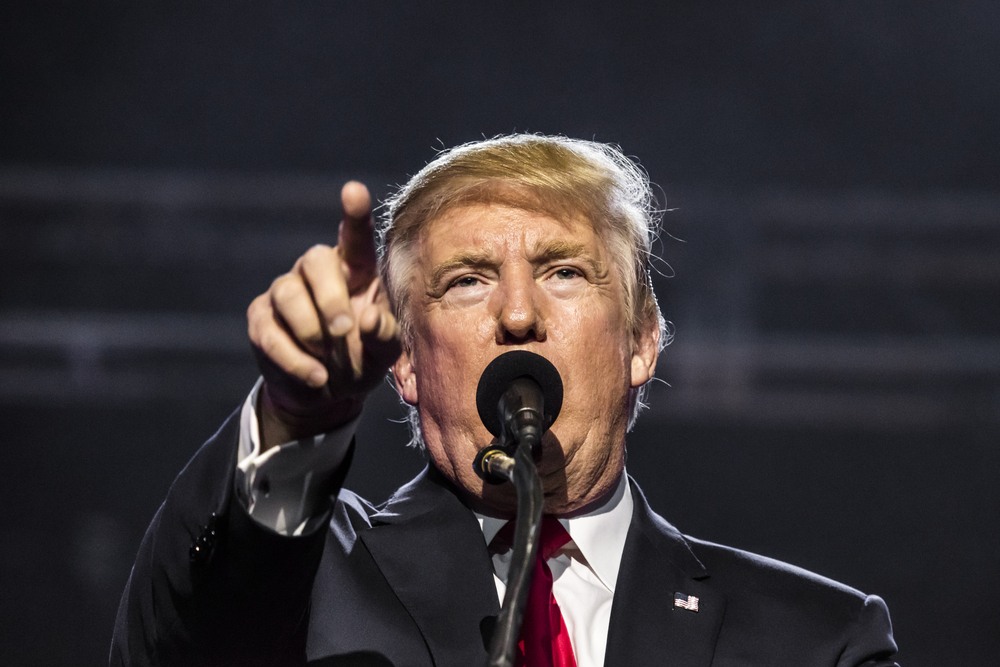
– Donald Trump wins 47th Presidential election beating Vice President Kamala Harris.
– The Republican Party also gains control over the Senate.
– The House of Representatives battle heats up, with all 435 seats in contention.
– The GOP’s triumph could pave the way for complete control over Congress, as it was in 2016.
A Red Sea of Victory
In a groundbreaking turn of events, Donald Trump, the Republican candidate, has secured the presidency, reestablishing his reign at the White House. With this significant win, the GOP (Grand Old Party) is now eyeing the House while relishing its Senate control.
Double Win for the GOP
Trump triumphed over Vice President Kamala Harris, becoming the 47th President of the United States of America. Garnering over 290 electoral votes by Wednesday, Trump enjoyed a clear win in key swing states such as Michigan, Wisconsin, Georgia, North Carolina, and Pennsylvania. Adding to his list of accomplishments is the fact that he has also won the popular vote. It’s worth remembering that this is first for a Republican candidate since George W. Bush’s resounding re-election victory against Democratic challenger John Kerry in 2004.
A Sizzling Senate Race
The Republican’s victory march did not halt with the White House win. They also achieved a dominating presence in the Senate and gained momentum for a contentious race for the House. This election has thus served as a turning point in determining the future governing trifecta.
The Battle for the House
In this consequential election season, every single one of the 435 seats in the House of Representatives is up for grabs. The Democrats, hanging on to hope, are aiming to redeem the ten or so seats they’ve lost in recent years in states like New York and California.
House Speaker Mike Johnson, R-La., remains optimistically assured of his party’s chances of retaining control of the lower chamber. In a quote from Johnson, he praises House Republicans for successfully overseeing vital role reversals in swing states like Pennsylvania and Michigan. He says, confidently, “The latest data and trends indicate that when all the votes are tabulated, Republicans will have held our majority, even though we faced a map with 18 Biden-won seats.”
Off to a Senate Start
In total, 34 Senate seats were contested. Democrats regained ground in New York, toppling Representatives Marc Molinaro in Hudson Valley and Brandon Williams in Syracuse. Despite not yielding in gaining the seats of Michigan and New Mexico, Republicans found domination in Texas, Montana, and Ohio leading them to clinch the upper chamber. Next week, GOP senators are expected to elect a new leader, after Mitch McConnell, R-Ky., decided to step down following an 18-year tenure in the role.
Back to the Future
Should the Republicans manage to establish a governing trifecta by securing the House of Representatives, it would generate a political climate similar to 2016. Not only that, but this means president-elect Donald Trump will have more autonomy to instigate his reforms. Over the next two years, this could potentially instigate hot-button debates over government funding, tax policy, immigration and corporate regulation. As the nation follows this unfolding history, the implications of a Republican-controlled Congress could be far-reaching and influential in shaping the United States’ political and socio-economic future.