

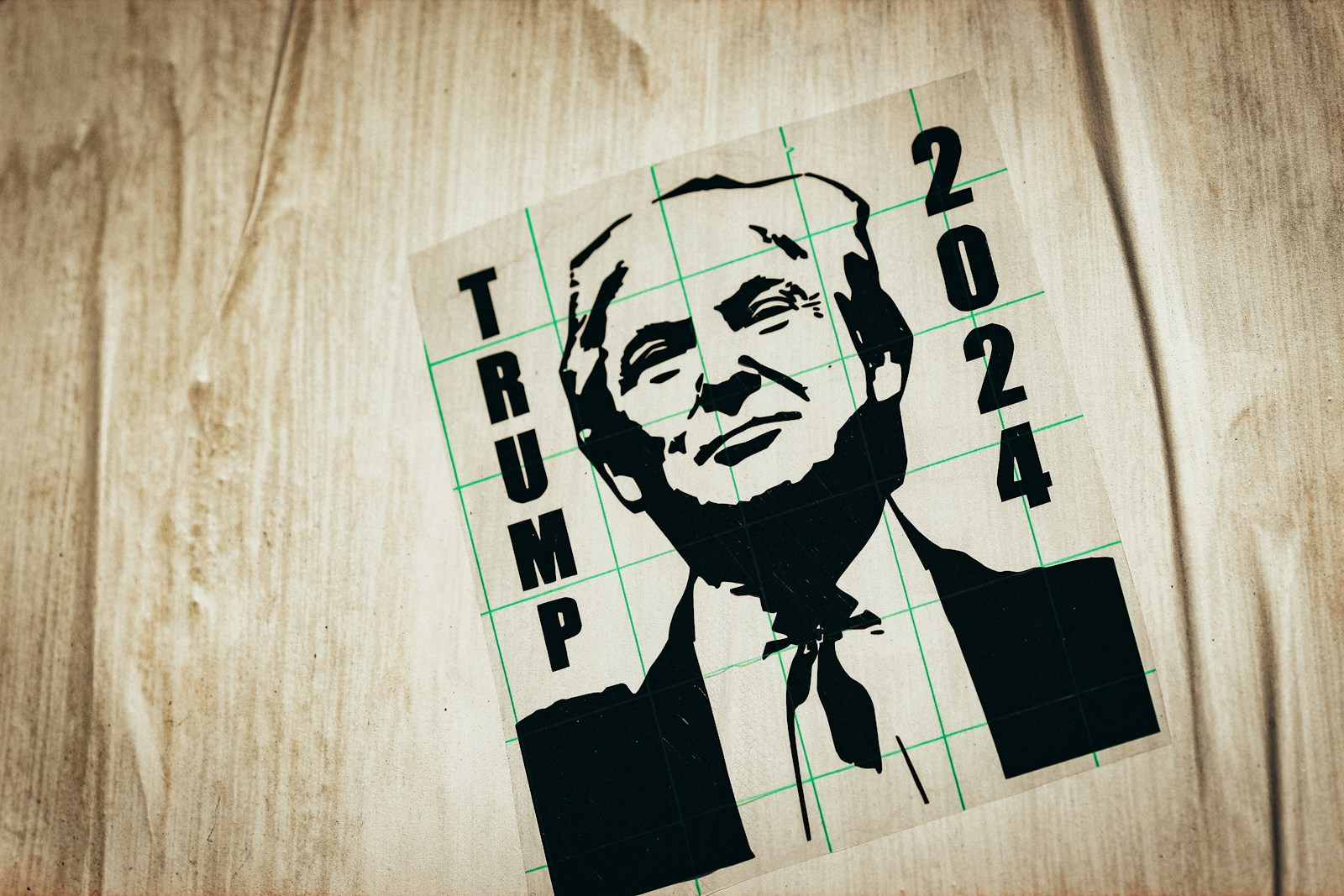

Key Takeaways:
– Donald Trump claimed 30% of the vote in New York, doubling his 2016 share.
– Voter turnout in New York dropped to just under 58% in the last election, down from over 61% in 2020.
– Kamala Harris won around 900,000 fewer votes in New York compared to Joe Biden’s 2020 tally, while Trump increased his count by roughly 200,000 votes.
– The reduced voter interest was especially distinct in New York City, with this year’s turnout forecast to be even lower than in 2016.
– State Democrats feel a lack of motivation for voters to come to the polls and dissatisfaction with the Biden administration over the Gaza War influenced the low turnout.
Trump Flourishes in a Less-Blue New York
Despite its reputation as a staunchly Democratic state, New York witnessed a notable shift with Donald Trump bagging a more significant share of votes. Trump claimed 30% of ballots in New York City alone, almost double his stake in 2016. This performance, according to leading pollster Nate Silver, was a clear sign of Trump’s successful return to the White House.
Decline in Voter Turnout
However, a deeper look into this election reveals a critical deviation. While Trump enjoyed a nationwide influx of votes, New York surprisingly observed a notable dip in voter participation. Statewide voter turnout this year was just shy of 58%, a decrease from over 61% in 2020. This fall in numbers could mean around half a million lesser votes, placing the Empire State in the bottom ten for voter turnout across the nation.
Impact on Democratic Vote
The decrease in voter turnouts had an impact on the Democratic front-runners. Kamala Harris managed to gather approximately 900,000 fewer votes in New York compared to what Joe Biden had secured in 2020. However, Trump managed to increase his previous tally by roughly 200,000 votes, though the increase was smaller than what he had achieved from 2016 to 2020.
Not a Republican Win, but a Democratic Loss?
According to Jasmine Gripper, co-chair of the New York Working Families Party, this election result wasn’t so much a Republican win as it was a Democratic loss. People didn’t turn up to vote in the expected numbers. This apathy was particularly prominent in New York City, where the voter turnout was predicted to drop even below the 2016 levels.
Consequences of a Reduced Blue Vote
As Steven Romalewski, director of the CUNY Mapping Service, noted, New York appeared redder due to its lessened blue tinge. Staten Island serves as an example-based microcosm where Harris lost around 25,000 votes compared to Biden’s result, while Trump only gained 1,000 votes since his 2020 campaign.
Factors Behind the Low Turnout
Gripper identified two key reasons for the low turnout. Harris’s abbreviated campaign schedule and the choice not to hold a rally in the state were detrimental. Additionally, a general failure from Democrats to resonate with their voters about the importance of their participation contributed to this drawback. The displeasure with the Biden administration over the Gaza war also caused a significant loss of votes for Harris.
Looking Ahead
Moving forward, Jay Jacobs, the New York State Democratic Committee chair, emphasized the urgency for maintaining some perpetual infrastructure. This includes offices and staff in more areas to prevent “reinventing the wheel” each election. To tackle the issue of lower voter turnout, implementing an automatic voter registration law, which could potentially bring a million new voters, is on the table.
However, the question remains: how do Democrats attract these voters to participate actively in future elections? According to Gripper, the party needs to work cohesively to offer substantial solutions to crises faced by the New Yorkers, including housing and childcare costs. With no such solutions in sight, Democrats risk losing further support.