


Key Takeaways:
– Wars rarely end as quick as political leaders predict, resulting in prolonged conflicts.
– Nations with larger manufacturing bases, like China, have a significant advantage in a prolonged conflict.
– The illusion of a short war can lead to unexpected consequences and often motivate nations to prepare for long-term struggles.
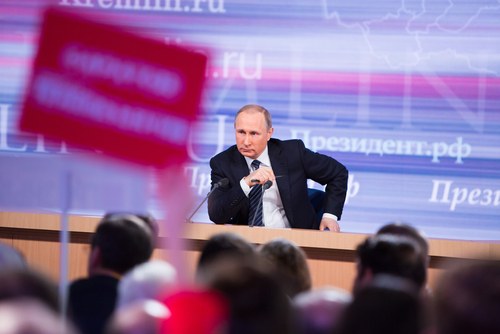
– Russian President Vladimir Putin and Chinese Communist General Secretary Xi Jinping’s mechanism of initiating wars stem from their political maneuvers rather than strategic long-term plans.
Understanding the Idea of Short Wars
It’s common for political leaders to enter wars with the expectation of swift victory. The reality, however, often deviates from this assumption. History provides numerous instances where blitzkrieg tactics have deviated into a prolonged struggle. For instance, Adolf Hitler knew that a protracted conflict would not favor Germany. This same logic extends to Putin’s war in Ukraine and arguably Xi Jinping’s potential invasion of Taiwan.
Assessing the History
Looking back at the 20th century, one can understand why military strategists preferred short wars. Technological advances, such as rifles and heavy artillery, rendered destructive firepower unimaginable in the 1870-71 Franco-Prussian War. Consequently, numerous conflicts in nineteenth-century Europe concluded within a few months.
In contrast, others, like Jan Bloch and Herbert Kitchener, anticipated longer conflicts due to the sustainability offered by industrialized economies. Kitchener’s pessimism, rooted in his experience of the prolonged Second Boer War, stood out amid the optimistic projections of a short conflict.
Predicting War Outcomes
Looking at statistics, a stark contrast between manufacturing capacities of nations becomes clear. China, for instance, accounts for 31.6% of global manufacturing, compared to the USA’s 15.9%. With such an advantage, China’s vehicle production far exceeds other nations, directly impacting its armored vehicle output potential.
Nonetheless, the USA and its NATO allies dominate global aircraft production, a metric that demonstrates their technical sophistication level. Meanwhile, assessing shipping capabilities, China leads the global production of merchant vessels, highlighting another potential advantage in protracted conflict situations.
Importance of Deterrence
Critical to winning wars is deterrence, which lies heavily on the display of capability and credibility. Putin and Xi’s alleged long-term plans are primarily politically motivated rather than strategic. As a result, Western deterrence needs to reflect visibly in their calculations. Allowing adversaries to strike first, as seen in the 1940 Fall of France or the 1941 attack on Pearl Harbor, can lead to unfavorable consequences.
The theory of nuclear deterrence must also be reassessed in the context of long wars. With China’s potential to sustain manufacturing by tapping into Russia’s energy supplies, NATO must demonstrate robust planning for a protracted conflict. The threat of an imminent downfall leading to a nuclear attack from Russia or China is a critical concern.
A Potent Strategy
A strategic shift to developing alliances with developing nations could prove vital. These emerging economies feature rapidly expanding manufacturing capabilities. Cultivating these alliances could contribute substantially to a nation’s resources, particularly in the case of a long war.
In conclusion, understanding the reality of protracted wars and shifting away from the illusion of a short conflict, is key to fortifying national security. It requires a conceptual change in warfare and investments in planning and resource allocation. A war can be won before it starts with the right preparations and strategies.