


Key takeaways
- Trump appeared to support Russia’s demands on Ukrainian land
- European leaders grew worried after the Alaska meeting
- Putin may settle for a weak Ukraine outside NATO
- Ukraine and EU oppose giving up territory to Russia
- A lasting peace needs a united US and European stance
Introduction
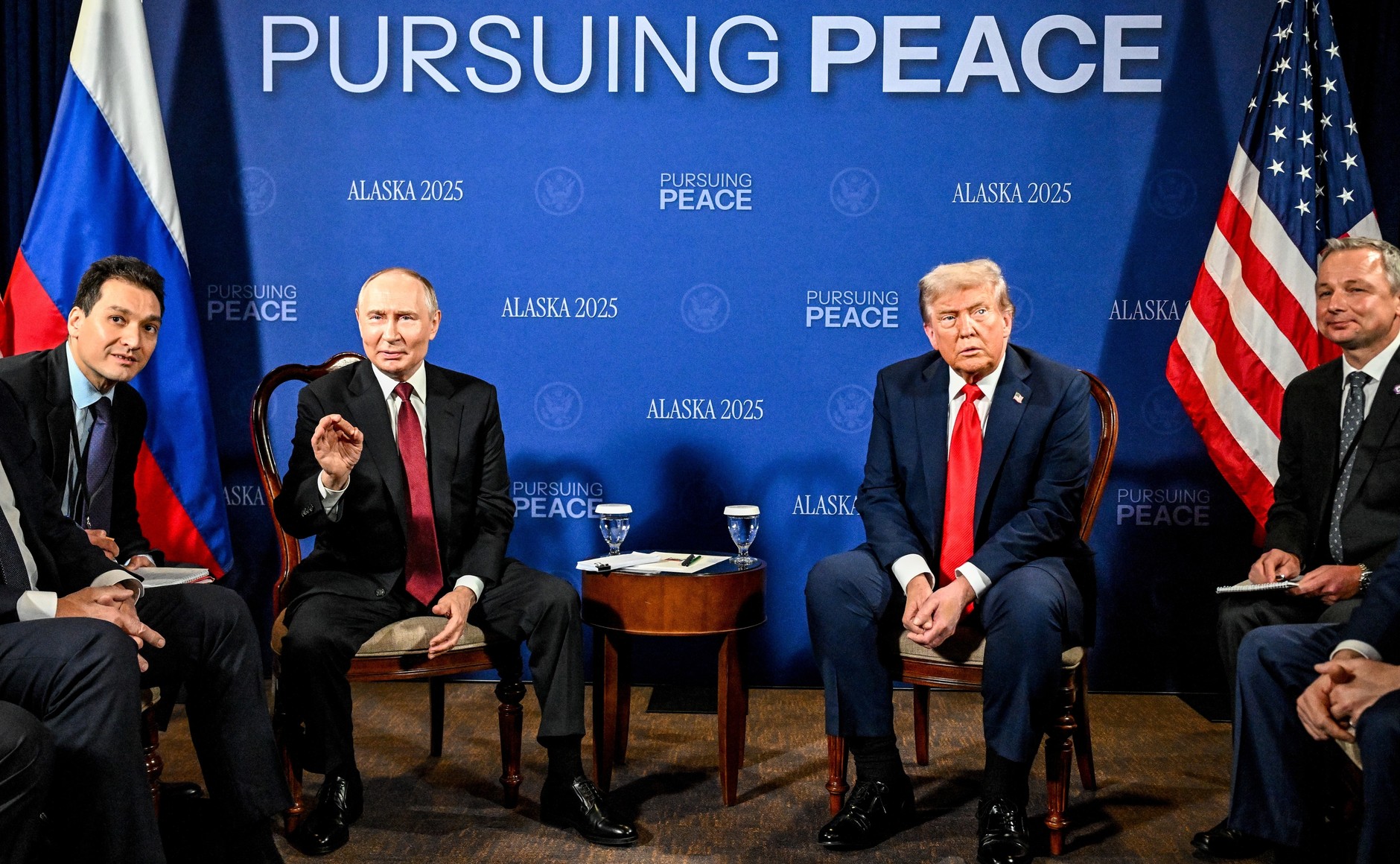
The Alaska summit between US President Donald Trump and Russian President Vladimir Putin surprised many. At first, no formal deal came out. Yet reports suggested Trump would accept Putin’s call for Ukraine to give up land. This shift alarmed European leaders and Ukraine’s president. Now people wonder what a real peace deal might look like.
Alaska Meeting Shakes Europe
During the Anchorage talks, Trump seemed open to Putin’s demands. He even hinted that Ukraine should hand over territory. However, Putin opposes a quick ceasefire until he gains more. After the meeting, European capitals voiced strong concern. They feared the US would betray Ukraine’s interests. As a result, Trump invited Ukraine’s President Volodymyr Zelenskyy and EU leaders to the White House.
White House Talks and Vague Security Promises
On August 18, 2025, Trump hosted Zelenskyy in the Oval Office. He offered unclear security guarantees. Yet he stopped short of promising US troops or full support. Zelenskyy thanked Trump but still pushed for more help. Meanwhile, European leaders urged the US to stick to its current Ukraine policy. They want firm backing against Russian aggression.
Imperial Mindset Versus Hegemonic Goals
Many scholars see two core ideas in big power politics. One is empire building. The other is dominance without full control. Empires aim to conquer and rule lands. Hegemons seek influence through military and economic power. Both Putin and Trump speak often about making their nations great again. Yet real goals may differ from grand talk.
Imperial Dreams
In imperial thinking, a country takes over another’s land and politics. Putin sometimes echoes this. He compares himself to past Russian rulers who seized territories. Trump also boasts about expanding US power. These grand visions can fuel strong reactions worldwide.
Hegemonic Strategy
By contrast, a hegemon lets smaller nations stay independent. Yet it pressures them to follow its lead. It uses alliances, trade deals, and military bases to secure loyalty. NATO is a classic example of US hegemony in Europe. Member states rely on Washington for defense and policy support. Putin may seek a similar setup for Ukraine.
What Putin May Accept
Putin calls Ukraine a “brotherly nation.” Still, he views it as a security threat. He wants guarantees that Ukraine never joins NATO. He also demands control over parts of eastern Ukraine. He may settle for a zone of influence rather than full annexation. In this deal, Kyiv keeps some independence but cannot turn West.
Why Russia Lacks Hegemonic Power
Russia has strong weapons but a weak economy. It lacks soft power to win hearts abroad. This reality pushes it toward forceful measures. The war in Ukraine has cost Russia dearly. It faces financial strain and public discontent. For Putin, showing gains at home may justify the conflict.
Ukraine’s Hard Choice
Ukraine’s leaders reject any deal that cuts their land. They believe Western arms can turn the tide. They see any concession as a defeat. Moreover, they fear Moscow will violate agreements once troops withdraw. Thus Ukraine holds out for full support against Russia.

Divided Western Response
European nations stand firmly with Ukraine. They have sent weapons and money. Germany, France, and the UK insist on no territorial loss. However, US policy under Trump seems unsettled. Trump’s own party debates how much to back Ukraine. This split weakens the Western position at the negotiating table.
Realpolitiks and the Limits of Justice
Realism in world politics says the strong make choices for their benefit. We see this in ancient writings by Thucydides. He noted that power and self-interest shape wars and peace. In this view, Ukraine risks losing what it cannot defend. The longer the fighting drags on, the more ground Russia may take.
Can a Fair Peace Emerge
A fair peace would respect Ukraine’s sovereignty and choices. It would also satisfy Russia’s security worries. To reach such a deal, all sides need clear limits. Russia must end its attacks. The US and Europe must unite on support terms. Ukraine needs assurances that it will feel safe.
Obstacles to a Deal
First, Putin may demand more land than Europe will allow. Second, Trump might push a quick fix to earn praise. Third, Ukraine will not accept major territorial loss. Finally, Europe and the US disagree on future troop presence in East Europe. These gaps make talks difficult.
A Path Forward
Still, a compromise might exist. Russia could withdraw from some occupied areas. In return, Ukraine would pledge not to join military alliances. The US and EU would then promise security aid and economic help. Both sides could monitor the border for breaches. This plan might please neither side fully. Yet it could stop the war.

Why Unity Matters
This conflict shows that strong alliances shape peace. When partners disagree, adversaries exploit gaps. A united Western stance could force Russia to compromise. It could also reassure Ukraine that it will always have help. Therefore, the US and its European allies must speak with one voice.
Looking Ahead
The Alaska summit revealed where each leader stands today. For Trump and Putin, power and prestige matter most. For Ukraine, land and freedom matter above all. If the world really wants peace, it must balance these aims. Only way forward hinges on clear goals and united strength.
Conclusion
The path to peace in Ukraine may depend on realism rather than idealism. Russia needs to feel secure without wiping out Ukraine. Ukraine needs strong guarantees to rebuild and defend itself. The United States and Europe must bridge their differences. If they succeed, they could stop a costly war and restore stability. However, if they remain divided, strong powers will set the terms and weaker nations will have to accept them.