


Key Takeaways:
- Jerome Powell hinted interest rates may drop as early as next month.
- The economy is still battling inflation, but progress is being made.
- Changes in interest rates affect everything from loans to savings.
- Experts are watching how inflation behaves in the next few weeks.
Interest Rates May Drop: What That Means for You
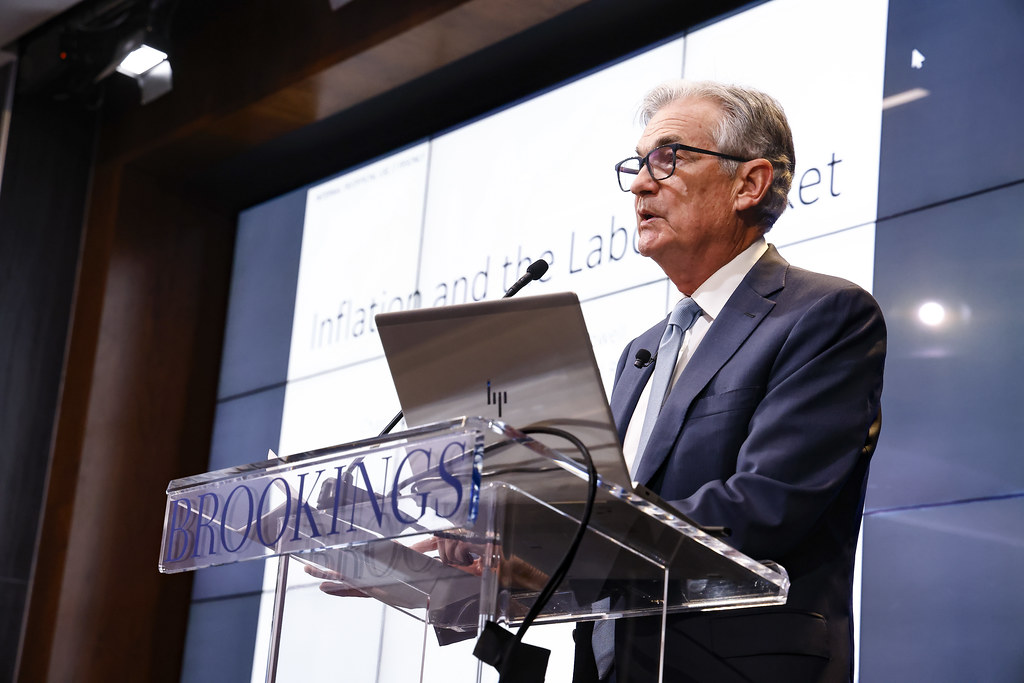
Federal Reserve Chair Jerome Powell just gave economists, investors, and everyday people something to think about. Speaking at a major event in Jackson Hole, Wyoming, he carefully hinted that the central bank could lower interest rates in the near future.
This subtle message comes after months of uncertainty. The economy has faced high inflation, rising prices, and changing job numbers. Powell’s signal might suggest some relief is on the way. But will it really happen? And what does it mean if it does?
Why Interest Rates Matter So Much
Interest rates affect almost every part of your financial life. They determine how much you’ll pay on things like credit cards, student loans, auto loans, and mortgages. When rates go up, borrowing money becomes expensive. When they go down, it’s cheaper to take out loans.
Since 2022, the Fed has raised interest rates to fight inflation. That helped cool down the economy, but it also made borrowing tough. Now, Powell’s comments hint that the fight against inflation may be working. That means interest rates could start falling again to help the economy grow.
What Powell Said at Jackson Hole
Every year, global policymakers meet in Jackson Hole to talk about the economy. This year, all eyes were on Powell. People wanted to know: What will the Federal Reserve do next?
While Powell didn’t make promises, he dropped clues. He said inflation is coming down, although it’s still “too high.” He also made it clear the Fed is “prepared to act” if the economy shows signs of weakening. That kind of language makes experts believe a rate cut could be right around the corner.
In the past, such hints have led to big decisions. For example, Powell used similar language in 2019 before the Fed cut rates. So, people are paying close attention.
Signs That a Rate Cut May Be Coming
There are several reasons why the Fed may lower interest rates:
- Inflation is slowing: After surging prices last year, inflation is finally easing. Food and gas costs are not rising as fast.
- Job market is changing: Hiring is still happening, but more slowly. Some industries are even cutting jobs.
- Economic growth is cooling: Retail sales, home purchases, and other big economic signs show Americans are spending less.
If these trends continue, the Fed may act quickly. Cutting interest rates could help avoid a recession by encouraging more spending and investment.
But Inflation Is Still a Problem
While there are signs of progress, the Fed remains cautious. Powell reminded everyone that inflation is still higher than the 2 percent goal. He made it clear the central bank won’t rush any decisions.
If inflation returns or stays stuck at current levels, the Fed might hold off on lowering rates. That’s why the next few inflation reports will be very important. They’ll help guide the Fed’s next move.
How This Affects Everyday People
Whether you’re a teen thinking about college loans or a parent paying a mortgage, interest rates touch your life. Here’s how a potential rate cut could help:
- Student loans: Federal rates won’t change, but private loan rates might drop.
- Credit cards: Some variable rate cards may offer lower interest, meaning less debt over time.
- Mortgages: Homebuyers might find better rates, making monthly payments smaller.
- Savings: The downside is banks may give you less interest on savings accounts.
Simply put, lower rates can put more money in your pocket—but they can also reduce how much you earn from saving.
What Happens Next?
The Fed’s next big meeting is in a few weeks. That’s when they might officially decide whether to cut rates or not. Between now and then, a lot depends on what happens with inflation numbers, job reports, and consumer spending data.
Markets will be watching. So will families, students, and the millions of Americans influenced by every rate decision the Fed makes.
Jerome Powell’s speech didn’t guarantee anything. But his careful words left a clue—and that clue points toward possible change coming very soon.
Final Thoughts: Stay Tuned
Interest rate changes are a big deal for the economy and your wallet. Powell’s soft signal from Jackson Hole shows the Fed may be ready to shift its approach. Lowering interest rates could help boost growth and ease financial pressure for families and businesses.
But nothing is official—yet. Keep watching the news over the next few weeks. The Fed’s next steps could shape the rest of the economic year.
FAQs
Why does the Federal Reserve change interest rates?
The Fed raises rates to control inflation and lowers them to boost the economy. It’s a balancing act between stable prices and strong jobs.
How soon could interest rates go down?
Some experts believe the Fed may lower rates as early as next month, but it depends on inflation trends.
Will my credit card bill get cheaper if rates fall?
If your card has a variable rate, you may see smaller interest charges within a few billing cycles after a rate cut.
Is lower inflation a good thing?
Yes. Lower inflation means stable prices, which helps your money go further and makes planning easier for families and businesses.