


Key Takeaways:
• Joe Biden feared Donald Trump’s return could weaken NATO.
• Historian Phillips O’Brien warns a Ukraine loss could spark a Europe split.
• Trump’s second term has already strained U.S. relations with allies.
• The 2026 U.S. midterms may decide Europe’s future alliance strength.
During his four years as president, Joe Biden worried a Trump comeback would threaten NATO. Trump once talked about pulling the U.S. out of the alliance. On the other hand, Biden pushed hard for Sweden and Finland to join NATO. Now, seven months into Trump’s second term, the U.S. still belongs to NATO. However, relations with Europe feel very different.
Change in U.S.-Europe Relations
In a recent interview, military historian Phillips O’Brien told economist Paul Krugman that the United States now “goes to great lengths to antagonize its allies.” He added, “None of this makes any sense to me.” This shift worries many. After all, a healthy U.S.-Europe partnership has kept peace in the region for decades.
O’Brien says Trump’s return marks a dramatic break from Biden’s approach. Under Biden, the U.S. led efforts to expand NATO. With Trump in office again, Europe fears the U.S. will pull back support. As a result, old alliances may crumble, and trust could erode fast.
Ukraine’s Fate and Europe Split
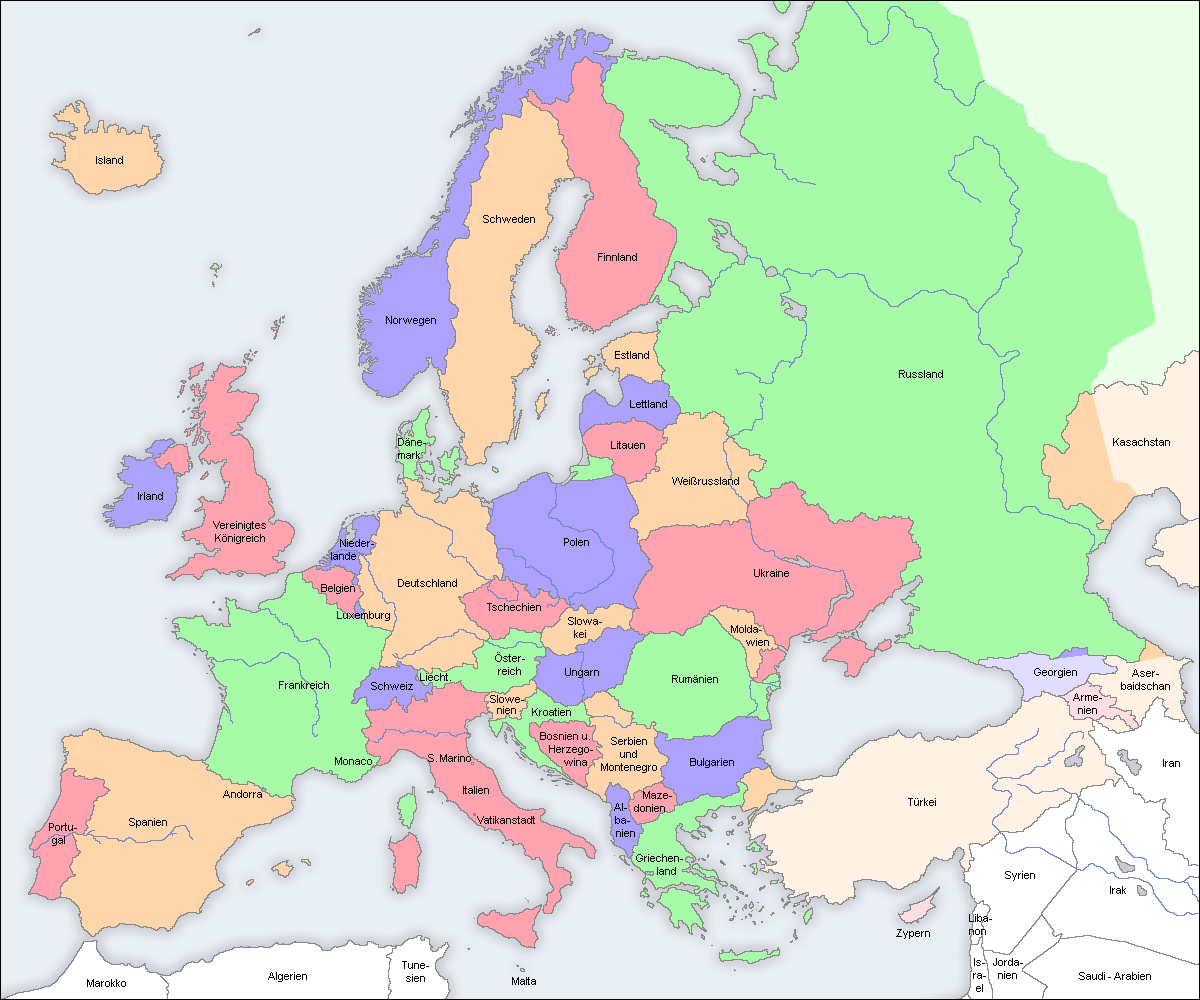
O’Brien believes the Ukraine-Russia war will decide Europe’s fate. He warned that if Ukraine falls, Europe could face a serious Europe split. Some nations may side with Russia to protect their own interests. Others, like Finland and the Baltic states, will stand firm with Ukraine. This divide could reshape the continent’s security map.
Moreover, O’Brien said, “If Ukraine is sacrificed, Europe faces a terrible future.” Western Europe might pretend all is well. Meanwhile, Central and Eastern Europe, along with the Nordics, could forge a separate path. In other words, a clear Europe split could emerge.
Why 2026 Midterms Matter for Europe Split
Looking ahead, O’Brien stressed the importance of the 2026 U.S. midterms. He told Krugman, “That election will show whether America can come back—or if a darker era lies ahead.” European leaders will watch those results closely. If the midterms run fairly, Democrats could win and restore stability. However, if the vote proves flawed, Europe may doubt U.S. leadership for a long time.
Therefore, the 2026 midterms could tip the balance. A strong, fair election may heal U.S.-Europe ties. But a contested result might deepen doubts and push Europe toward a split.
The Threat to NATO
During his first term, Trump suggested the U.S. might leave NATO. Although that never happened, Europe never forgot. Now, Trump rarely praises NATO or promises to defend it. Instead, he criticizes budgets and battles over defense spending. As a result, NATO members worry America will not honor its treaty commitments.
Without strong U.S. backing, NATO’s power will fade. In turn, Europe might scramble to protect itself. Some countries could look to Russia or China for deals. Others might band together in a smaller, tighter alliance. This possible Europe split would weaken collective security on the continent.
How Europe Might React
Faced with a less reliable U.S., Europe has few good options. One path leads to stronger unity. In that scenario, EU nations boost their armies and craft clear defense plans. They could invest in new tech, share intelligence, and hold more joint exercises.
On the other hand, some nations may give up on full EU unity. They might form smaller groups based on geography or politics. For example, Baltic, Nordic, and Eastern European states could team up. Western Europe might then follow a different, softer security line. Such a Europe split would leave each camp less able to face big threats.
The Human Cost
Beyond politics, a Europe split carries a human cost. People in border regions could face new checkpoints. Families with ties across countries may struggle with stricter rules. Economies could falter if trade barriers rise. In short, life could become harder for millions of Europeans.
However, unity would keep borders open and markets thriving. It would also send a strong message to any nation tempted to use force. Thus, Europe’s leaders must act now to prevent that split.
What Comes Next for NATO and Europe
So far, Trump’s team has not withdrawn from NATO. Yet their moves worry allies. Europe now watches every White House shift. Some hope Biden might return in 2028 to heal ties. Others fear the U.S. could pull back even more.
Meanwhile, Europe must decide how to stand up. Will it invest in home defense or lean on old partners? Will it seek new alliances or push for EU unity? In any case, the future of NATO and Europe hangs in the balance.
Ultimately, preventing a Europe split starts with clear, united action. Leaders in Brussels and capitals across Europe should boost defense budgets. They should also press the U.S. to honor treaty promises. Through this joint effort, NATO can remain strong despite political shifts in Washington.
FAQs
Why did Biden worry about NATO under Trump?
Biden feared Trump might pull the U.S. out of NATO or cut support. That would weaken the alliance and invite new threats.
What did Phillips O’Brien warn about Ukraine?
O’Brien warned that if Ukraine falls to Russia, Europe risks a deep split. Some nations would side with Russia, while others would resist.
How could a Europe split affect everyday people?
A Europe split could bring border checks, trade barriers, and tougher travel rules. Families and businesses across Europe would feel the changes.
Why do the 2026 midterms matter for Europe?
European leaders view the 2026 midterms as a test of U.S. democracy. A fair election could restore trust. A flawed vote might deepen doubts and harm alliances.