


Key Takeaways
- Senator Lindsey Graham says Trump will crush Russia’s economy if Putin won’t talk peace
- Three days earlier Trump met Putin in Alaska and threatened “severe consequences”
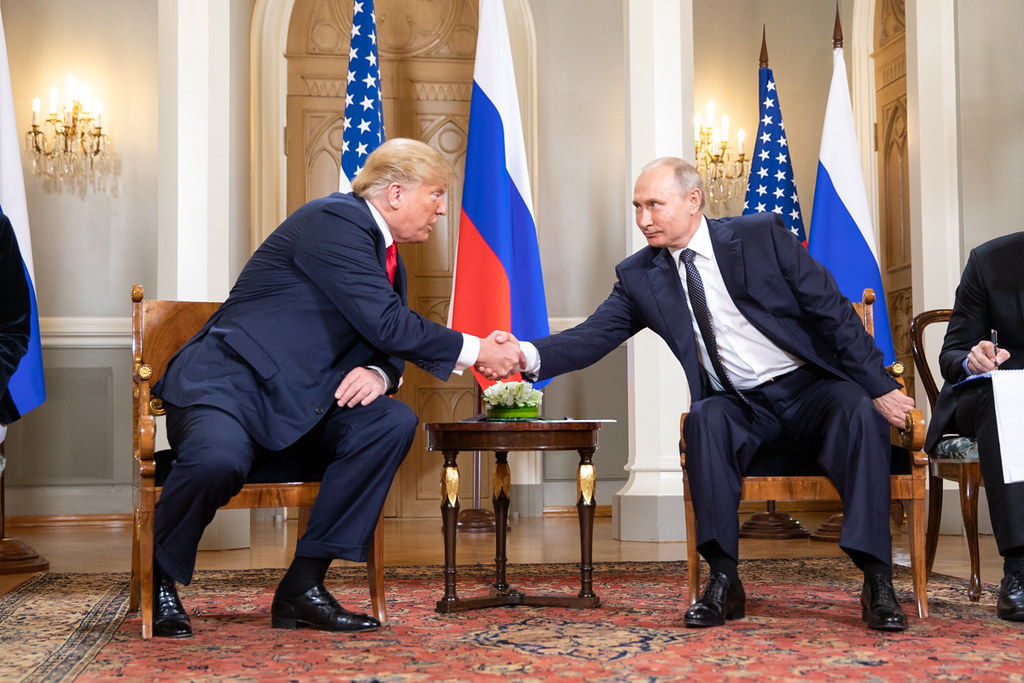
- At the summit Trump smiled, shook hands, and backed down on tough demands
- Allies now praise Trump’s “pragmatic” style despite his show of weakness
- Critics warn that soft talk risks emboldening Putin and harming U.S. credibility
Why would Trump Crush Russia’s Economy?
Senator Lindsey Graham says he believes Donald Trump will crush Russia’s economy if Vladimir Putin does not agree to peace talks with Ukraine’s leader. Graham spoke in South Carolina just days after Trump met Putin in Alaska. In that meeting Trump warned of “severe consequences” if Putin refused a ceasefire. Yet at the summit, Trump softened his tone and failed to push for real commitments. This mixed message has stunned allies and given critics fresh fuel.
What Lindsey Graham Said
Senator Graham told reporters that Trump means business. He said, “Trump believes that if Putin doesn’t do his part, that he’s going to have to crush Russia’s economy. Because you’ve got to mean what you say.” Those words sounded firm. However, they came just three days after Trump’s friendly meeting in Alaska. Critics saw a clear gap between tough talk and actual behavior.
Trump’s Alaska Meeting with Putin
Before the Alaska summit, Trump claimed he “solved six wars in six months.” He vowed the Ukraine conflict would be no different. Instead, he left the meeting smiling and deferential. A Fox News reporter admitted it looked like Putin “steamrolled” him. Politico’s coverage noted that Trump’s demands “melted into the air.” Even conservative commentator George Will said the former KGB agent “felt no need to negotiate with the man-child.”
Spin Doctors Rush In
After the summit, Trump allies scrambled to rewrite what happened. Senator Graham stepped in with his crush Russia’s economy line. U.S. envoy Steve Witkoff told Fox News that Trump “bends people to his sensible way of thinking.” He praised Trump’s “pragmatic and sensible” policy ideas. Yet critics like Anne Applebaum called Witkoff “an amateur out of his depth.” They say he misread Putin’s power play and misled the public.
A Montana congressman went further on Fox. He praised Trump’s “unbelievable job against long odds” and predicted a “land bridge” between Crimea and Russia. He insisted Trump still wanted peace. However, many saw that as a call for Ukraine’s surrender. In reality, critics argue, Trump chose weakness over strength.
Why Trump’s Stance Matters
The United States has unmatched military and economic power. It could arm Ukraine, expand sanctions, and break the Russian economy now. Then peace would follow. As Applebaum noted, a firm U.S. strategy could win the war and secure peace. Yet Trump’s approach focuses on looking strong, not acting strong.
When a leader softens before a dictator, the dictator gains confidence. Putin watched Trump’s deference and likely saw a chance to push harder. That could prolong the war and cost more lives. Moreover, allies may doubt U.S. resolve. If America wavers, other foes may test its limits too.
Republicans Face a Test
Trump’s allies must now cover for his weakness. Senator Graham warns a clock is ticking. He says Trump must impose steep tariffs on countries buying Russian oil and gas. “If we don’t have this moving in the right direction,” Graham said, “plan B needs to kick in.” Plan B means Congress acting without Trump. Yet without the president’s support, that plan has little chance.
In truth, Republicans have surrendered power twice. First to rightwing media, then to Trump. Now Trump looks to Putin for approval. Critics say that shows a party ready to trade strength for spin. They warn that a GOP led by fear and weakness cannot protect U.S. interests.
The Power of Russian Propaganda
Putin could turn on Trump at any moment. Russian state media already highlights Trump’s soft words. It paints him as “all talk, no walk.” In fact, Kremlin outlets brag about how Trump melted under pressure. They could widen the gap between Trump and his base by feeding disinformation. That might shake support just as elections loom.
Meanwhile, a top British conservative paper called Trump “vain, vacillating, gullible, and irrelevant on Ukraine.” That judgment reflects a broader view that Trump’s friends in the GOP must now defend what they saw in Alaska. They have a tough job convincing voters that the dogwalked summit was actually a masterclass in diplomacy.
Where Do We Go from Here?
Americans know little about global affairs. Yet they know what fear looks like. After meeting Putin, Trump looked scared. Some experts say that fear may come from Putin’s power to spread lies. As one scholar put it: “He who can destroy a thing controls it.”
Now, Republicans must choose. They can back senators calling for real action to crush Russia’s economy. Or they can cling to spin that Trump’s summit was a triumph. Either way, the test is clear. Mean what you say. Act on what you promise. Otherwise, weakness will define U.S. policy.
FAQs
What did Lindsey Graham propose to punish Russia?
He suggested imposing steep tariffs on countries that trade with Russia and cutting critical exports to push Putin toward peace talks.
Did Trump really threaten Russia in Alaska?
Yes, he warned of “severe consequences” if Putin did not agree to a ceasefire, but critics say he failed to enforce those threats.
Why do critics call Trump weak on Putin?
They cite his deferential behavior at the summit, his smiles, handshakes, and lack of follow-through on tough demands.
Could Congress act without Trump?
Senator Graham mentioned a “plan B” where Congress imposes measures without the president. However, such actions face legal and political hurdles and may struggle without White House backing.