


Key Takeaways:
- Right-wing critics call the Cracker Barrel logo change “woke,” sparking online outrage.
- The Democratic Party’s official Twitter account sided with the backlash.
- Many elite Democrats believe compromise with critics wins votes, but it risks moral clarity.
- Agreeing with bad actors can blur lines and empower harmful agendas.
The Cracker Barrel Logo Change Explained
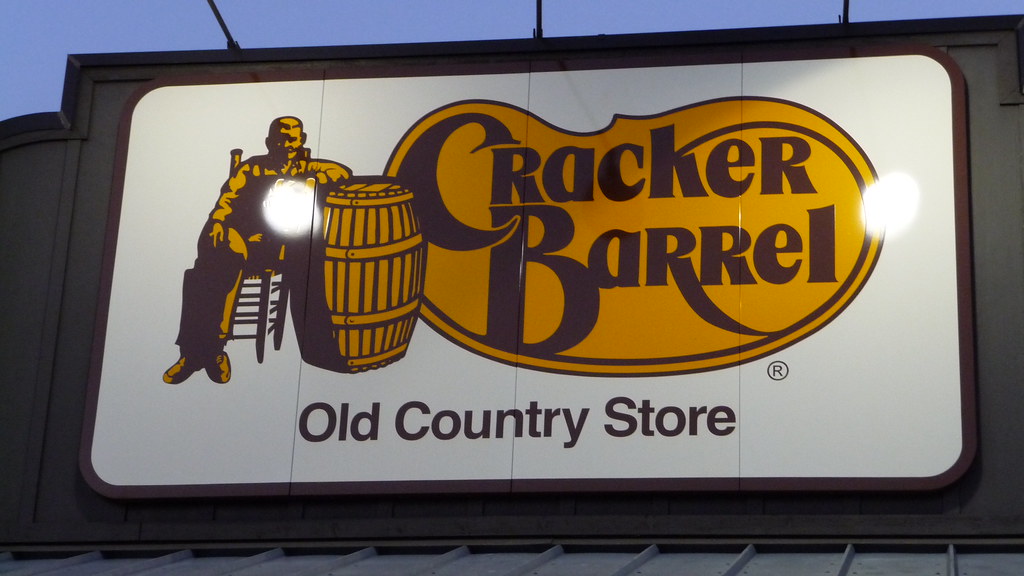
Cracker Barrel dropped its old logo of a man leaning on a barrel. Instead, the company unveiled a cleaner, simpler mark. Yet critics instantly labeled the redesign “woke.” In reality, the new image just modernizes the brand. However, change can feel threatening to some. As a result, a social media storm erupted almost overnight.
Why the Right Is Upset
Right-wing commentators argued the Cracker Barrel logo erase America’s past. They claimed a vast “woke” conspiracy targeted every business. For example, one prominent activist said, “We must break the Barrel.” He boasted that companies fear stock drops if they embrace anything labeled progressive. This tactic relies on fear, not facts. Yet it spread fast. Because people saw outrage, they assumed there must be substance to the claims.
The Democrats’ Surprising Response
In a surprise move, the Democratic Party’s official account posted, “We think the Cracker Barrel rebrand sucks, too.” They shared a nostalgic painting to show solidarity with the right’s complaints. This tweet reached millions. Many hoped Democrats would defend free expression and sensible change. Instead, they seemed to agree with critics who peddle false threats. Immediately, the party blurred the moral line between reasonable debate and baseless fearmongering.
The Danger of Playing Nice
When one side lies to score political points, giving ground encourages more lies. Elite Democrats often try to find common ground with critics. They fear being labeled extreme or “canceled.” Yet by echoing unfounded claims, they validate the critics’ tactics. Consequently, the critics gain power. Therefore, if you accept their lies as partly true, you end up helping their agenda. You also weaken trust in honest discussion.
Moreover, this pattern repeats itself. For example, when a leader makes a wild claim about crime, some Democrats rush to agree. They aim to show balance. Unfortunately, they end up lending credibility to falsehoods. As a result, the public cannot tell real issues apart from manufactured crises. Worst of all, both sides look equally unreasonable.
What This Means for Politics
This logo fight reveals a deeper split within the Democratic Party. One wing values power and press attention. It hopes that compromise with bad actors will win middle voters. The other wing wants to stand firm against lies. It worries that any concession is a sign of weakness. Going forward, the party must choose. Will it keep chasing a mythical center by echoing extremist chatter? Or will it defend facts and call out bad-faith attacks?
Young voters and grassroots activists expect honesty. They demand leaders who refuse to legitimize dangerous rhetoric. If the party’s elite keeps playing along with false conspiracies, those activists may turn away. They want a clear line between right and wrong. Above all, they seek a party that fights bad-faith actors, not helps them.
Staying True to Facts
In the end, the Cracker Barrel logo change is a minor choice by a restaurant chain. However, the reaction to that change offers a big lesson. Allowing critics to control the conversation with baseless claims only makes them stronger. Instead, defenders of truth must expose those tactics. They should refuse to treat every angry outburst as a valid debate. If we demand honesty from the start, fewer small issues will turn into major political distractions.
As citizens, we can learn to spot these tactics. When outrage seems driven by fear and conspiracy, we should pause. We can ask: Is there real evidence here? Or is someone just trying to stir trouble? By pushing back on groundless claims, we help keep politics sane. And we remind leaders that courage matters more than appearing polite.
Frequently Asked Questions
Why did Cracker Barrel change its logo?
The company wanted a modern look. It removed the old man and barrel to refresh its image. The new logo is simpler but does not signal any political stance.
Why are some people upset about the redesign?
Critics labeled the change “woke” and claimed it erased tradition. Their anger springs from a fear that every shift hides a hidden agenda. In truth, the redesign is just graphic work.
Why did Democrats tweet support for the backlash?
Some party leaders believed siding with angry voters would build a bridge to moderate opinions. They hoped to avoid appearing extreme. Unfortunately, this move gave credibility to false claims.
What lesson can we learn from this situation?
Agreeing with bad-faith critics can backfire. It blurs the line between truth and lies. Instead, we must demand clear evidence before treating outrage as a valid concern.