


Key Takeaways
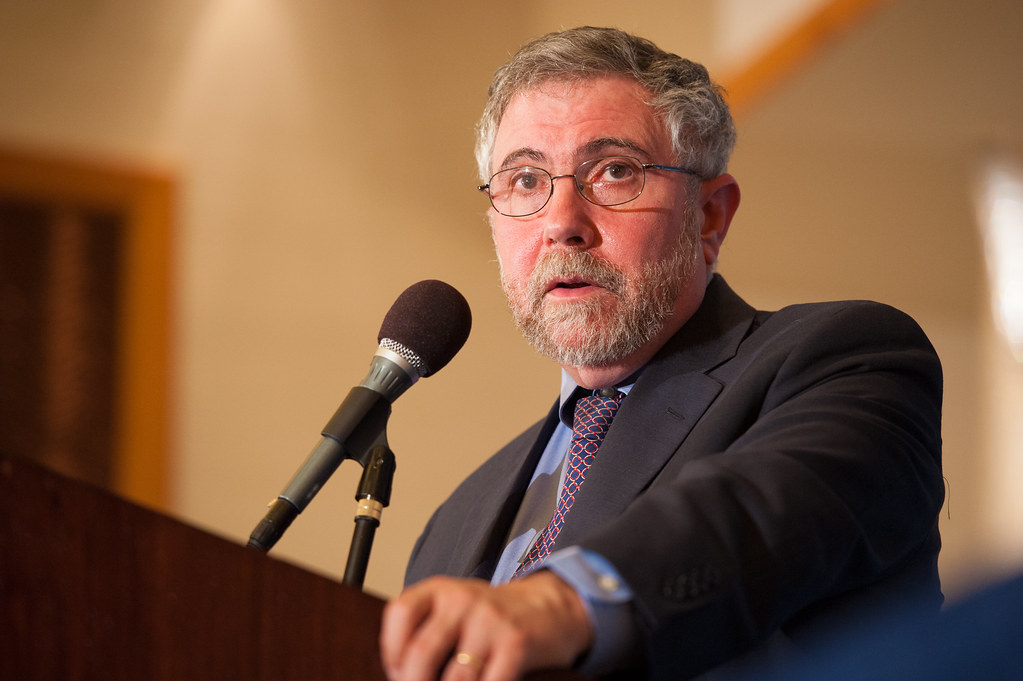
• Nobel Prize winner Paul Krugman warns of a looming market crash.
• Financial markets stay calm until danger becomes obvious.
• Early economic signs, like flat hiring and rising prices, hint at trouble.
• Trump’s policies could spark a sudden, severe market crash.
• Investors should watch warning signs and plan ahead.
Why a Market Crash Might Be Coming
Paul Krugman, the 2008 Nobel Prize winner in economics, says we might not see trouble until it’s too late. He compares the calm markets today to a cartoon character running off a cliff. Only when the drop is clear does the fall begin. In a new essay, Krugman argues that markets often ignore big changes until disaster is obvious. That delay could turn small issues into a full-blown market crash.
What Causes a Market Crash?
A market crash happens when stock prices suddenly fall a lot. It can wipe out investments and shake confidence. Crashes often follow risky policies or big financial mistakes. Here are common causes:
• Overvalued assets: Prices rise too fast without clear support.
• Policy shocks: Sudden government actions disrupt business plans.
• Credit crunch: Banks tighten lending, reducing cash in the economy.
• Investor panic: Fear spreads quickly, leading to a mass sell-off.
Krugman’s essay highlights how policy shocks can spark a market crash. He says markets stay calm until “blindingly obvious” trouble appears. Then prices can “change violently.” That pattern fits the idea of a long, lazy walk off a cliff.
How Could Trump’s Policies Trigger a Market Crash?
Trump and his team promise a new “Golden Age” for the economy. Yet some of his moves worry experts. Here’s how his policies may feed a market crash:
• Attacks on the Fed: Undermining the central bank could raise borrowing costs.
• Trade wars: Tariffs on imports can slow growth and hurt businesses.
• Tax shifts: Big cuts today may raise deficits tomorrow.
• Regulation rollbacks: Removing safety rules can lead to risky lending.
Krugman warns that markets may ignore these threats at first. Instead, they will act “as if nothing is wrong.” Then, when data shows real damage, investors will rush to sell. That rush can trigger a sudden market crash.
Signs of Trouble in the Economy
Even now, small red flags appear. Krugman points to a few worrying trends:
• Flat hiring: The first quarter saw job growth stall.
• Rising inflation: Prices of groceries and home goods keep climbing.
• High deficits: Government debt grows faster than the economy.
• Weak productivity: Workers produce less output per hour.
These signs hint at rising risks beneath the surface. They also suggest a market crash could follow if policies worsen these trends.
Why Markets Stay Calm Until the Last Moment
Financial markets crave stability. They price in small risks but delay major changes. Krugman calls this the “Wile E. Coyote moment.” It describes a cartoon scene: the character runs off a cliff and only falls once he looks down. Similarly, markets may not react to policy danger until a crisis hits full force.
This delay can be deadly. A sudden shift in prices can cause a market crash, wiping out gains in hours or days. Such a drop can damage retirement savings, business plans, and public confidence.
How Investors Can Prepare for a Market Crash
No one can predict exactly when a market crash will happen. Yet you can reduce its impact with careful steps:
• Diversify holdings: Spread money across stocks, bonds, and cash.
• Keep some liquidity: Hold enough cash for short-term needs.
• Monitor warning signs: Watch job reports, inflation, and debt levels.
• Use stop-loss orders: Set limits to sell if stocks fall too far.
• Review risk tolerance: Adjust based on age and financial goals.
By planning ahead, investors can avoid panic selling during a sudden market crash. Instead, they can follow a clear, calm strategy.
What Policymakers Should Do to Prevent a Market Crash
Krugman’s essay also offers advice for leaders. To avoid a market crash, policymakers could:
• Respect central bank independence: Let the Fed set rates to control inflation.
• Reduce deficits responsibly: Balance tax cuts with spending cuts or revenue increases.
• Promote fair trade: Resolve conflicts with other nations to boost exports.
• Maintain sensible rules: Keep safety nets that prevent reckless lending.
If leaders act early, they can steer the economy away from that cliff edge. Otherwise, markets may stay calm until a sudden fall in prices.
Looking Ahead: Avoiding the Cliff’s Edge
We may still enjoy calm markets for a while. Yet Krugman’s warning reminds us of past crises. The 2008 crash began after years of rising home prices and risky loans. Few saw the danger at first. Only after the collapse of big financial firms did panic set in.
Today, Trump’s policies could cause a similar blow. Markets may ignore risks until a crisis hits. Only then will the true damage appear. If you care about your savings, now is the time to watch for warning signs. Act before the market crash knocks at the door.
Frequently Asked Questions
What is a market crash?
A market crash happens when stock prices drop very quickly, often causing wide fear and losses.
Why do markets ignore risks before a crash?
Markets favor short-term stability. They often wait until threats are undeniable before adjusting prices.
How can I protect my investments from a crash?
Diversify across different asset types, keep some cash, and set clear limits for selling.
Could Trump’s economic policies really cause a crash?
Some experts, like Paul Krugman, believe that attacks on the Fed, rising deficits, and trade fights can spark a sudden market crash.