

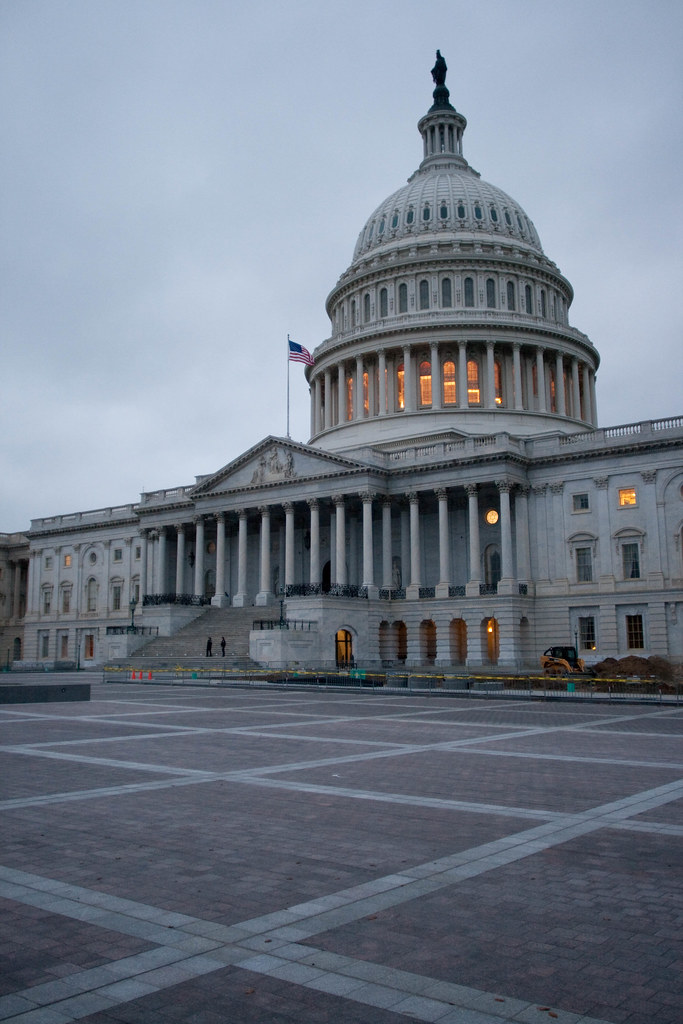

Key Takeaways
• President Trump tried a pocket rescission to cancel nearly $5 billion in foreign aid.
• A pocket rescission happens when funding expires before Congress can act.
• Senator Susan Collins says this move breaks the law.
• The Government Accountability Office already called such rescissions illegal.
• Only Congress holds the power of the purse, according to the Constitution.
President Trump recently used a pocket rescission to claw back nearly $5 billion in foreign aid. This sparked major pushback in Congress. Senator Susan Collins, who leads the Senate Appropriations Committee, spoke out. She said the move violates federal law. Her critics cheered, while many lawmakers grew concerned.
Understanding Trump’s Pocket Rescission Move
A pocket rescission happens at fiscal year end. The president asks to cancel funds too late for Congress to act. Then the money simply expires. In effect, the administration stops the funding without congressional approval. Historically, presidents have been cautious about this step. It can ignite fights over separation of powers.
How It Worked This Time
First, Congress approved nearly $5 billion in aid for allies overseas. Next, the fiscal year deadline loomed. Finally, the Trump White House announced a pocket rescission. The funds expired before any congressional vote took place.
Why Susan Collins Calls It Unlawful
Senator Susan Collins argues that only Congress can rescind appropriated funds. She noted that the package reached lawmakers just days before the fiscal year ended. Therefore, she says, the administration attempted to bypass Congress. In her view, that is clearly illegal.
Collins emphasized that the Government Accountability Office already ruled such rescissions unlawful. Moreover, she pointed out the Constitution grants Congress the power of the purse. She stated, “Any effort to rescind appropriated funds without congressional approval is a clear violation of the law.”
A Rare Tool in Presidential Power
Pocket rescission is not a common tactic. In fact, no president has successfully used it in decades. President Nixon first tried it in 1974 but backed down amid legal challenges. President Carter made a similar move in 1978 and was also forced to withdraw it. Since then, presidents have avoided true pocket rescissions.
Few lawmakers fully understand this maneuver. Many see it as an end-run around Congress. They worry it sets a dangerous precedent. If presidents can kill approved funds at will, it could tip the balance of power.
What Experts Say
Constitutional scholars warn that a pocket rescission blurs separation of powers. They note the framers gave Congress sole authority over federal spending. Meanwhile, budget experts say the Office of Management and Budget pushed back on the GAO’s ruling. They argue that presidents should have some flexibility at year end.
However, most legal analysts side with Congress. They say the GAO’s opinion carries weight. After all, the GAO reviews federal spending and advises lawmakers. Its view that pocket rescissions violate the Impoundment Control Act of 1974 holds strong support.
Political Fallout
Senator Collins’s statement earned praise from Democrats and moderate Republicans. Yet President Trump’s allies defended the move as a smart negotiating tactic. They argue the rescission forces Congress to revisit spending priorities.
On the other hand, critics worry it will deepen partisan divides. They claim such clashes distract from urgent national issues. Meanwhile, foreign partners are left in limbo over funding plans.
What Happens Next
Congress could challenge the rescission in court. Several members are already discussing legal action. If a lawsuit proceeds, a federal court must decide whether the move crosses constitutional lines. Meanwhile, Congress may draft new rules to bar future pocket rescissions.
In addition, lawmakers could attach riders to must-pass bills. These riders would explicitly forbid the president from using a pocket rescission. That way, funding would remain secure until Congress votes.
Ultimately, the fight highlights a broader battle over who controls federal dollars. President Trump says he must protect spending discipline. But Congress insists on its constitutional role.
Key Players to Watch
• Senate Appropriations Committee – Led by Senator Collins.
• House Appropriations Committee – Considering responses.
• Government Accountability Office – Holds legal opinion.
• Office of Management and Budget – Defended the rescission.
The debate over the pocket rescission will test how far a president can go at year’s end. It may also shape future budget fights. Meanwhile, Senator Collins stands firm, insisting only lawmakers can cancel approved funds.
Frequently Asked Questions
What is a pocket rescission?
A pocket rescission is when the president asks to cancel funding so late that the money expires before Congress can act. It effectively kills the funds without a formal vote.
Why does Susan Collins oppose it?
Senator Collins says a pocket rescission violates the Constitution. She notes only Congress can rescind appropriated funds, and the GAO already ruled such moves illegal.
Has any president used this tactic before?
Yes, in the 1970s Presidents Nixon and Carter attempted pocket rescissions. Both backed down after legal and political pushback. No president has fully carried one out since.
What could Congress do next?
Lawmakers may file a court challenge or pass new rules to bar future pocket rescissions. They could also attach riders to key bills to safeguard funding until votes occur.