


Key Takeaways:
• White House Deputy Chief of Staff Stephen Miller praised RFK Jr. as a leading public health expert
• Kennedy holds no medical or public health degree or formal training
• He tried to fire the newly confirmed CDC director this week
• He announced stricter rules for COVID vaccines requiring a doctor’s note
• Top scientists resigned, and critics slammed his statements
Is RFK Jr. a Public Health Expert?
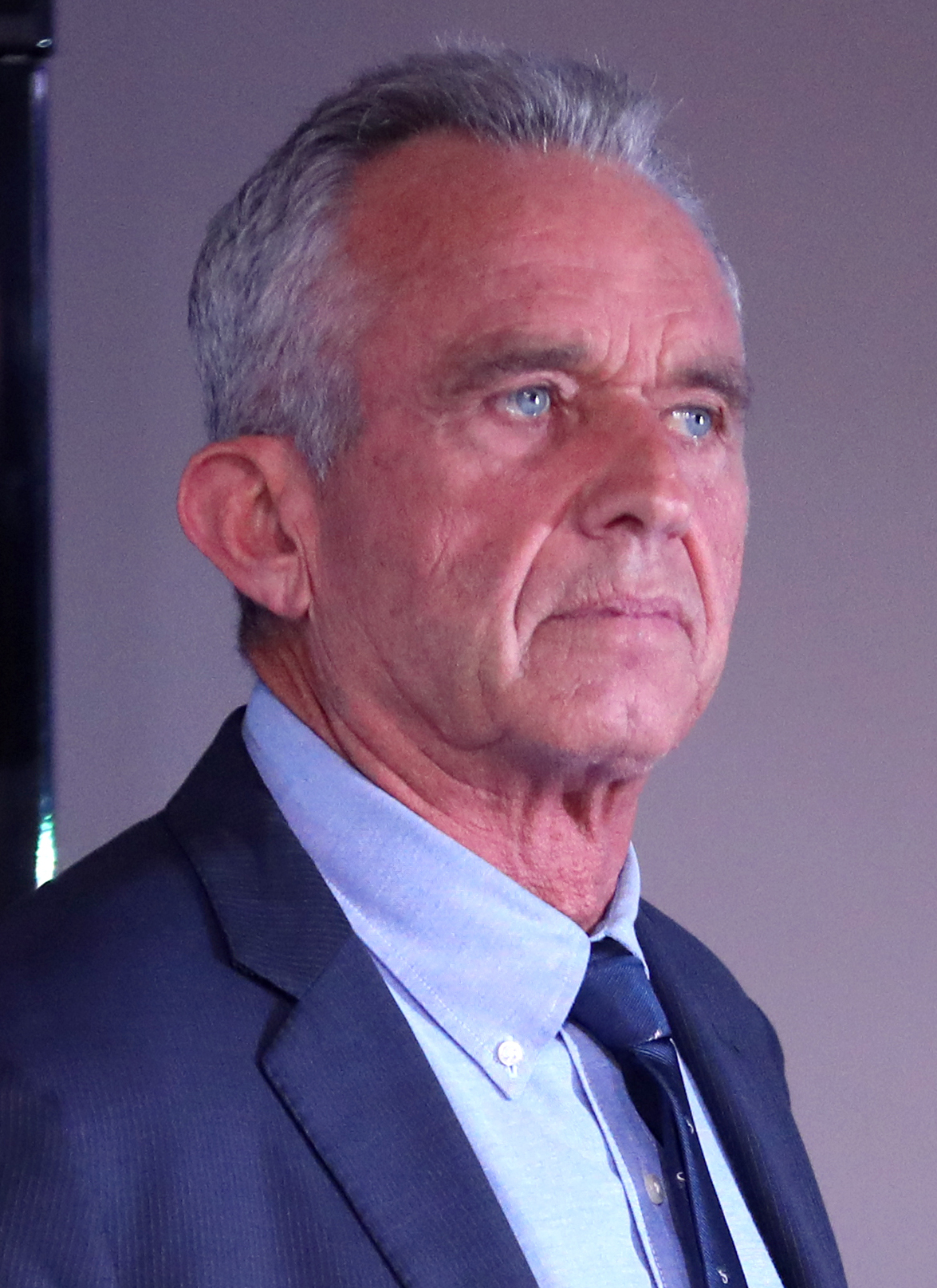
Robert F. Kennedy Jr. now serves as Secretary of Health and Human Services. Yet he has no medical degree or formal public health training. Despite this, a top White House aide hailed him as a “foremost public health expert.” Many find that claim hard to believe. In fact, Kennedy built his career as an environmental lawyer and vaccine critic. He also spread various conspiracy theories. Now he faces fierce pushback from scientists and government staff. His actions fuel debate over who truly deserves the title public health expert.
Background on Robert F. Kennedy Jr.
Robert F. Kennedy Jr. rose to fame in environmental law. He led efforts to clean up polluted rivers. Later, he led a children’s anti-vaccine group. Over the years, he questioned vaccine safety without clear proof. He also backed ideas that health agencies hide truths from the public. Despite no medical credentials, Kennedy’s views gained him a large following online. Now he oversees federal health programs. Yet his past stances worry many health professionals. They ask how someone without formal health training can lead the nation’s top health department.
What Defines a Public Health Expert?
A true public health expert usually holds advanced degrees in medicine or public health. They train for years in disease control, epidemiology, and health policy. They work closely with hospitals, clinics, and research labs. Moreover, they follow the scientific method to test ideas. They publish studies in peer-reviewed journals. They lead teams of scientists, nurses, and data analysts. In contrast, Kennedy has no medical school background or public health coursework. Therefore, many question his ability to manage complex health crises. In short, most experts agree formal education and hands-on experience define a public health expert.
Recent Controversies and Criticism
This week, Kennedy tried to oust the CDC’s new director. At the same time, he declared that most Americans cannot get COVID vaccines without a doctor’s prescription. He said people need at least one underlying health condition to qualify. Future CDC advisory panels could reverse that rule. Yet his announcement sparked alarm among health workers. They warned that extra steps will slow down shots and leave many unprotected. Also, Kennedy claimed he could spot children’s “mitochondrial illness” just by looking at them in an airport. He said he saw inflammation in their faces and movements. Medical specialists slammed that remark as baseless and misleading.
Support from the White House
Stephen Miller, the White House deputy chief of staff, defended Kennedy on Friday. He accused the CDC of losing credibility during the COVID era. He alleged, without evidence, that CDC staff acted like partisan bureaucrats. Miller insisted Kennedy would restore integrity and science at the agency. He dubbed Kennedy “one of the world’s foremost voices, advocates, and experts on public health.” He even called him a “crown jewel” of the administration. Miller said Kennedy works “tirelessly to improve public health for all Americans.” Yet Miller also lacks any medical or public health degree, further fueling critics’ skepticism.
Experts Respond
Leading voices in medicine reacted with disbelief. One wrote that calling Kennedy a public health expert “is crazy.” A physician and toxicologist labeled Kennedy’s comments “the biggest pile of nonsense” he had seen in months. Several top CDC scientists quit their jobs this week in protest of his leadership moves. They said they could not work under a boss who disregards scientific evidence. Meanwhile, public health organizations urge clear, science-based policies to fight disease. They warn that sidelining experts could harm health programs and shake public trust in vaccines and prevention.
What This Means for Public Trust
Public trust hinges on transparent, science-driven leadership. When key decisions come from someone without formal training, people may doubt health advice. Moreover, conflicting messages about vaccine access can confuse families. At a time when many worry about new outbreaks, clarity and consistency matter most. If people question who really is a public health expert, they might ignore vital health warnings. In turn, disease could spread faster and strain hospitals. Therefore, experts agree that appointing qualified leaders is crucial to protect communities.
Looking Ahead
The clash over Kennedy’s role is far from over. Lawmakers and advisory panels could challenge his vaccine rules. Top health staff may push back or resign if they see policies ignoring science. Public hearings might explore his qualifications and past statements. Meanwhile, the CDC’s future direction hangs in the balance. Will it return to its old reputation as a top science agency? Or will internal battles and public skepticism reshape its mission? One thing is certain: debates over who counts as a public health expert will continue to shape US health policy.
Frequently Asked Questions
What qualifications does a typical public health expert have?
Most experts hold medical or public health degrees. They train in disease control, research methods, and health policy. They also gain hands-on experience in clinics and labs before leading health agencies.
Why do critics doubt RFK Jr.’s expertise?
Kennedy has no medical or public health degree. He led anti-vaccine groups and promoted conspiracy theories. Many scientists question his ability to manage health crises without formal training.
How did health professionals react to his airport illness claim?
They strongly criticized it. Top doctors said detecting serious illness by looking at someone’s face is unscientific. They warned that such claims can mislead families and erode trust in real medical advice.
Could CDC vaccine rules change under Kennedy?
Yes. Kennedy’s rule requiring prescriptions could be reversed by CDC advisory committees. Those panels include health experts who can vote to alter or remove the restrictions.