


Key Takeaways
- President Trump permanently banned a subcontractor after video showed sidewalk damage.
- He shared a post on Truth Social and admitted he was “yelling.”
- Social media critics slammed his public call-out and refusal to name the worker.
- The move stirred debate over how he treats American workers.
Trump’s New Rose Garden Subcontractor Ban
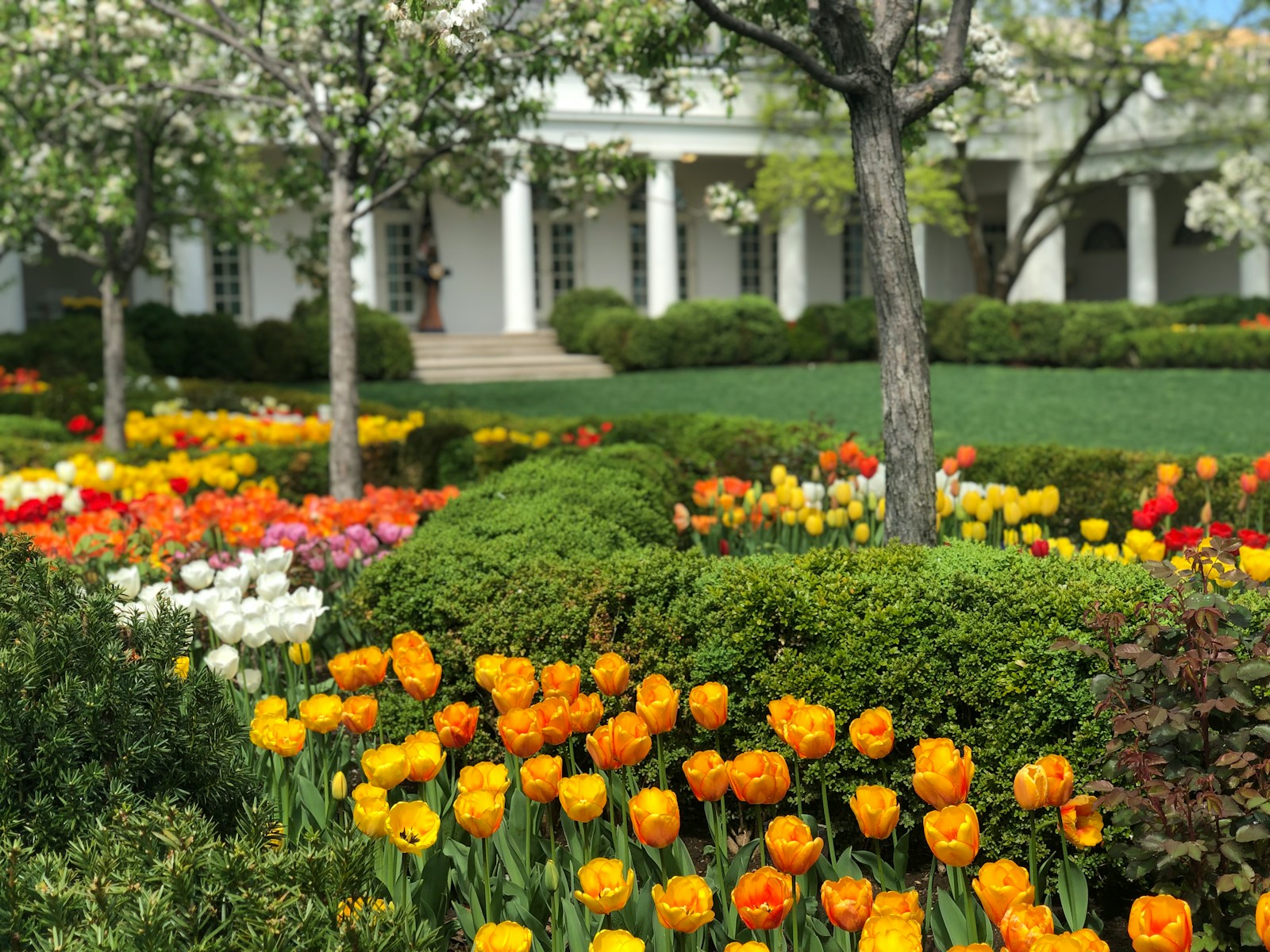
Last weekend, President Trump announced he has permanently banned a subcontractor from the White House grounds. He said video surveillance captured workers damaging a sidewalk in the Rose Garden. Then, he used Truth Social to share the story and a short video clip. In his post, Trump admitted he was raising his voice because he felt disrespected.
From the start, Trump made clear the subcontractor would pay for the repairs. He also said he would not allow any future work by that team on White House property. This rare public reprimand of a contractor surprised many. After all, disputes over repairs usually stay behind closed doors.
Video Shows Subcontractor Damaging Sidewalk
Video surveillance from the Rose Garden captured workers chipping at the limestone path. Trump claimed he personally reviewed the footage before making his decision. He described the stone as special and chosen by him. He said the damage required a full replacement of the sidewalk.
Furthermore, Trump pointed out that he discovered the damage early. He explained he has a close watch on every detail at the White House. Moreover, he stressed that no one should ruin property that he selected and paid for.
Critics React to the Subcontractor Ban
However, many observers were quick to criticize Trump’s response. Some called it a sign of contempt for workers. For instance, one commentator wrote that Trump treated the subcontractor with “cruelty and condescension.” Meanwhile, others compared his post to his habit of airing private disputes in public.
In addition, some critics questioned why Trump released any details at all. They argued that sharing surveillance footage and blaming the individual could harm the worker’s reputation. They pointed out that nobody deserves to be publicly shamed without a full investigation.
Trump’s Own Words and Social Media Post
Trump’s social media post began with a short written statement. He said, “I am permanently banning a subcontractor from the White House after watching video of them crack the stone in the Rose Garden.” He admitted he was “yelling,” because he felt the damage was unacceptable.
Furthermore, Trump described the limestone as a one-of-a-kind choice. He said he personally picked the stone from a quarry and supervised its installation. He felt hurt when he saw his careful selection destroyed in a few careless hits.
Meanwhile, Trump promised he would charge the subcontractor for the full cost of repair. He said the price tag would reflect the stone’s rarity and the labor needed. He also warned other contractors that he would act swiftly against any damage.
Reactions from Experts and Influencers
Former prosecutor Ron Filipkowski weighed in on the post’s origin. He guessed that Trump wrote the entire message himself. He saw a shift in tone compared to posts by social media teams.
Progressive influencers, however, took aim at Trump’s attitude. One wrote, “He celebrates Labor Day by treating American workers the same cruel way he always has.” Another noted the irony of a leader criticizing a subcontractor while showing no mercy in business dealings.
PatriotTakes, a group tracking extremists, added that Trump’s rant focused more on the limestone than the worker. They said he seemed upset about his design choice getting damaged, not about safety or repairs.
What This Means for White House Workers
This incident may have a chilling effect on other contractors. They could worry that any mistake, even minor, might lead to a public ban. Consequently, they might hesitate to report small issues or ask questions about repairs.
On the other hand, Trump’s swift action sends a clear message. It shows he expects high standards and personal respect for his decisions. Some workers might appreciate the clarity, even if they fear his anger.
Moreover, the story raises questions about transparency. Should the details of a contract dispute appear on social media? Or should officials handle such matters privately to protect all parties involved?
Looking Forward
Moving ahead, Trump’s ban will likely stay in effect for the rest of his term. It remains unclear how the White House will select a new subcontractor. They will need to find specialists in historic stonework and meet Trump’s standards.
Also, legal experts may want to know if the contractor violated any formal agreement. If so, the White House might have the right to seek damages in court. However, public shaming could complicate any legal path.
In the meantime, Trump’s story shows how social media can transform small disputes. A sidewalk repair became national news when he shared video proof and his personal reaction. That fact alone may influence how future presidents handle similar situations.
Frequently Asked Questions
What led Trump to ban the subcontractor?
He watched video footage showing workers damaging a limestone sidewalk in the Rose Garden. He then shared the footage and announced the ban on social media.
Will the subcontractor pay for repairs?
Yes, Trump said he would hold the subcontractor financially responsible for replacing the damaged stone.
Why did Trump post about the incident publicly?
Trump wanted to show he noticed the damage and that he would not tolerate carelessness. He also admitted in his post that he was “yelling” at the situation.
Could this incident affect other White House contractors?
It might. Contractors could feel pressure to avoid mistakes or delay work. They may also worry about public backlash if they face any issues.