


Key Takeaways:
- Ukraine’s drone strikes hit a major Russian oil pipeline this month.
- The attacks disrupted oil supplies to Hungary for several days.
- Hungary worries about future energy shortages due to more attacks.
- Tensions between Ukraine and Hungary are rising quickly.
Tension Grows Over Oil Pipeline Strike
Relations between the countries of Ukraine and Hungary have taken a sharp turn for the worse. The cause? A series of drone attacks by a Ukrainian commander that damaged a key Russian pipeline, cutting oil supplies to Hungary. The pipeline, known as Druzhba, is an important route for energy, and Hungary fears future attacks may shut it down again.
These events have led to angry reactions from Hungarian leaders. They now accuse Ukraine of trying to pull them deeper into the ongoing war with Russia.
What’s the Druzhba Pipeline and Why Does It Matter?
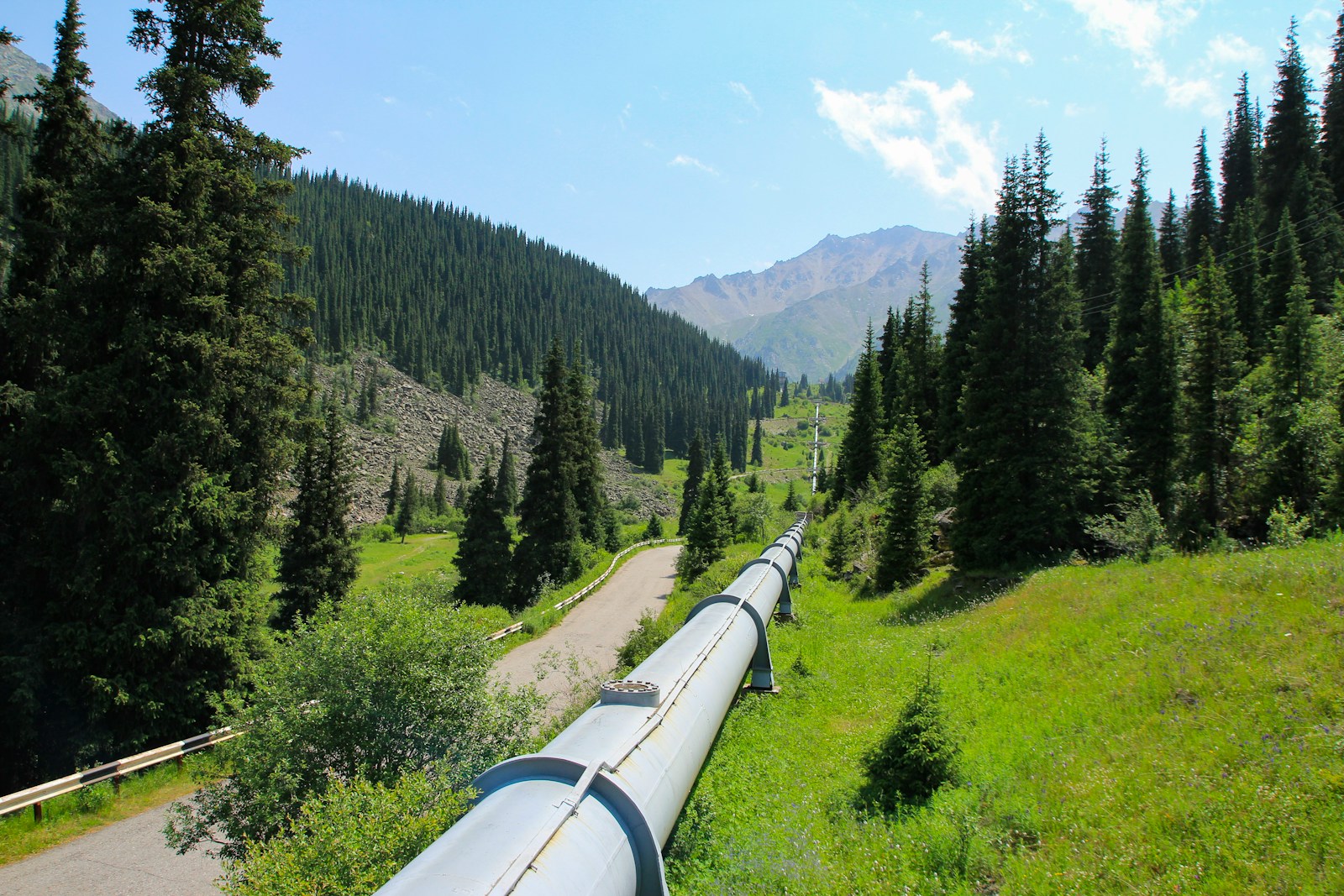
The Druzhba pipeline is one of the longest oil pipelines in the world. It delivers Russian oil to many countries across Europe, including Hungary. Most of Hungary’s oil comes through this line, making the country heavily dependent on it.
So, when a pumping station in Russia’s Bryansk region was hit earlier this month, Hungary felt the pressure immediately. The attack forced the pipeline to shut down for several days. Although it was fixed quickly, this pause was enough to make Hungary extremely nervous.
Some believe that Ukraine, by hitting such a key part of the supply chain, is trying to make life harder for countries that continue to buy Russian oil.
Ukraine’s Drone Commander at the Center
The Ukrainian drone commander involved in these strikes is Robert Brovdi. What makes his case unique is that he is of Hungarian origin. That detail has sparked more fire in the political argument.
Many Hungarians feel uneasy about a person with their background taking steps that could damage the country’s energy security. Brovdi’s drone unit reportedly targeted the pipeline multiple times in recent weeks. His goal, as some reports say, was to weaken Russia’s ability to fund its ongoing war.
But Hungary doesn’t see it that way. Officials in Budapest say such actions put them in a dangerous position without their permission.
Hungary’s Point of View
Hungarian leaders are voicing strong displeasure. They argue these pipeline attacks are not just military strikes, but moves with political weight. In their eyes, Ukraine is dragging Hungary toward the battlefield—against its will.
Hungary has tried to stay on neutral ground in this conflict. Although it’s a member of the European Union and NATO, it has continued to import oil from Russia, even while other countries reduce ties. This balancing act isn’t easy, and the recent pipeline disruptions only make it harder.
Hungary’s leaders fear that another strike could stop oil from flowing again. If that happens in the middle of winter, the consequences for households and businesses could be severe.
A History of Rocky Relations
Ukraine and Hungary have not always seen eye to eye. Although they are neighbors, their relationship has faced many bumps in the road. Arguments over minority rights, border issues, and now energy security have kept them apart.
The ongoing war between Russia and Ukraine has made things even more complicated. While most of Europe has firmly supported Ukraine, Hungary has taken a more cautious and sometimes soft position toward Russia. This political dance has caused tension within the EU and NATO as well.
Now, the Druzhba pipeline episode has pushed those tensions into the spotlight again.
What Could Happen Next?
The big question now is whether Ukraine will carry out more drone attacks on the Druzhba pipeline. If that happens, Hungary might take new steps to protect its energy flow. This could include building stronger energy partnerships elsewhere or pushing for changes in EU policies.
Hungary might also demand explanations or even compensation from Ukraine. That could make the war more complicated politically—especially when the world wants to see less conflict, not more.
At the same time, Ukraine is under constant threat from Russian attacks. The country says weakening energy routes that supply Russia helps tilt the war in its favor.
Both sides have their reasons, but if their disagreement grows, it could cause problems for all of Europe’s unity on the issue.
Druzhba Pipeline’s Strategic Role
Why is the Druzhba pipeline so critical? For starters, it carries about one million barrels of Russian oil per day at full capacity. The westward route serves countries like Hungary, Slovakia, the Czech Republic, and others.
While many European countries have found new oil sources since Russia invaded Ukraine, Hungary still relies mainly on the Druzhba pipeline. This dependence makes any harm to the pipeline more serious for the country’s economy.
As long as that reliance continues, any military damage to the line will raise strong political reactions in Budapest.
What Ukraine Gains from Strikes
From a Ukrainian military standpoint, damaging Russian oil trade by targeting the Druzhba pipeline can be seen as a smart move. Oil brings revenue to the Russian government, money that fuels its war efforts.
By disrupting oil flow—even temporarily—Ukraine applies economic pressure while also making a statement. Using drones for such attacks avoids sending troops across borders and brings symbolic power.
Still, targeting infrastructure that services other countries, like Hungary, adds a layer of controversy. It tests the patience of Ukraine’s neighbors and creates uncertainty in an already unstable region.
Final Thoughts on a Fragile Relationship
The recent pipeline strikes have exposed just how fragile the relationship between Ukraine and Hungary has become. With both countries focused on their needs and futures, trust appears to be in short supply.
For people living in Hungary, the worry is clear—they want reliable energy and peace. For Ukrainians, the goal is freedom and a strong offense against a much larger enemy. In the middle stands the Druzhba pipeline: not just a set of oil pipes, but a symbol of how one action can affect many.
If more attacks happen, the impact could stretch far beyond oil, politics, or even national borders.
FAQs
What is the Druzhba pipeline?
The Druzhba pipeline is a huge oil pipeline that carries Russian oil to countries in Europe. Hungary depends on it for most of its oil supply.
Why is Hungary upset with Ukraine?
Hungary is angry because Ukraine hit the pipeline with drones. This made oil stop running to Hungary for several days.
Who is Robert Brovdi?
Robert Brovdi is a Ukrainian drone commander who led the attacks on the pipeline. He is also of Hungarian descent.
Could more attacks happen?
Yes, more attacks are possible. If that happens, Hungary might face energy problems and tension with Ukraine could grow worse.