

Key Takeaways:
- A federal judge ruled that Donald Trump acted unlawfully by sending the National Guard and Marines.
- The deployment was meant to respond to anti-ICE protests in California.
- The judge said Trump went against the law limiting military involvement in civilian matters.
- This case might reshape how presidents use the military within the U.S.
Did Trump misuse military power during anti-ICE protests?
A big legal decision was just made against former President Donald Trump. A federal judge ruled that Trump broke the law when he ordered thousands of National Guard troops and a small group of Marines to step in during anti-ICE protests in California. This bold move may now change how presidents can use military force within the United States.
What were the anti-ICE protests about?
Back in 2020, many people across the U.S. protested against the actions of Immigration and Customs Enforcement (ICE). In California, the protests were especially strong. People were upset about how ICE was treating immigrants, especially those who were undocumented.
Some protests stayed peaceful, but a few turned intense. Anger boiled over in cities like Los Angeles and San Francisco. People wanted ICE to be shut down or reformed.
As the protests grew, Donald Trump, who was president at the time, made a decision that would spark legal trouble later.
National Guard and Marines sent in
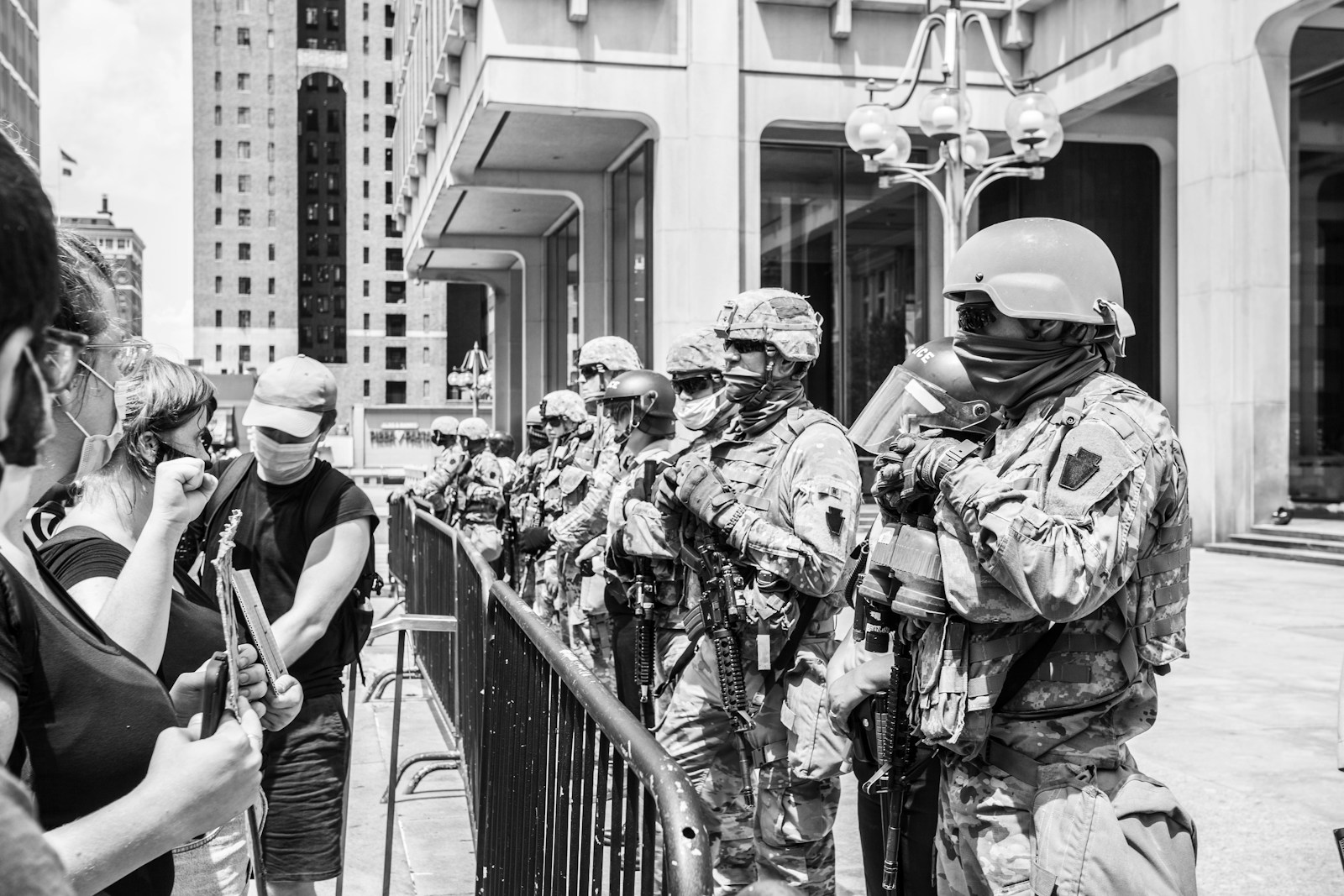
Trump responded to the protests by sending the National Guard to several areas in California. He also ordered a small unit of Marines to support local law enforcement.
He claimed the move was necessary to protect property and keep the peace. He said the protests were turning into riots and that local officials couldn’t handle them on their own.
But now, a federal judge says Trump’s actions went too far. The judge ruled that he broke the law that limits how and when the military can be used on U.S. soil.
Why the judge says Trump broke the law
In the United States, there’s a law called the Posse Comitatus Act. It’s been around since 1878, and it says the military can’t be used to enforce laws unless the Constitution or Congress allows it.
This means presidents can’t just send in troops anytime they want during protests, riots, or civil unrest. They need to follow certain rules.
According to the judge, Trump didn’t follow those rules. The president didn’t get the proper legal permission before using military forces inside the country. Even though the National Guard is sometimes used within U.S. borders, Trump’s actions didn’t pass the legal test this time.
The difference between National Guard and Marines
The ruling brings up an important difference in how these forces can be used. State governors usually have the power to call in the National Guard for local issues. But when the president steps in and takes control of the National Guard or uses active-duty troops, it becomes more serious.
Sending Marines—a branch of the active U.S. military—is even more limited inside the U.S. That’s what alarmed legal experts. The judge agreed that sending those Marines during protest events crossed the line.
How this ruling could impact presidential powers
This case isn’t only about Trump. It could shape what future presidents are allowed to do when the country faces unrest. If this ruling stands, it may stop presidents from using military power without following proper legal steps.
Some fear this could limit quick action during emergencies. Others say it’s necessary to prevent abuse of power.
Leaders in both major parties are paying attention. If presidents lose some authority, governors and local officials may have to take more control in the future.
What happens next in this case?
Donald Trump’s legal team is expected to appeal the judge’s decision. That means the case could go to a higher court. It might even reach the Supreme Court.
If that happens, we could get a final answer on how much power any U.S. president truly has during times of crisis. Until then, this ruling will be studied by lawyers, lawmakers, and political leaders all over the country.
The public response
The public’s reactions have been mixed. Some support the judge’s decision and say it protects American democracy. They believe Trump went too far and broke the rules.
Others argue that Trump did what he felt was necessary to keep people safe. They believe the protest violence shouldn’t have been allowed to continue without strong action.
Either way, this news has reignited debates over the role of the military, presidential power, and how to deal with civil unrest.
Military involvement in civilian matters: a big issue
This case has reminded Americans why the line between military and civilian roles is important. The U.S. was built on the idea that soldiers shouldn’t enforce everyday laws. That’s the job of police and local leaders.
Allowing the military to step in could lead to dangerous consequences. It might also scare people from exercising their rights, like free speech and peaceful protesting.
By ruling against Trump, the judge is saying the law must be followed—even by the highest office in the land.
Looking ahead
Nobody knows for sure how this story will end. If Trump’s appeal fails, it could bring big changes to how presidents respond to national protests or violence.
On the other hand, if he wins the appeal, the powers of the presidency may grow even stronger.
Either way, the outcome will likely shape the way the military is used inside the U.S. for many years to come.
FAQs
Why was the deployment of Marines such a big problem?
The U.S. limits the use of active military forces for enforcing domestic laws. Sending Marines crossed a legal line.
What is the Posse Comitatus Act?
It’s a law that stops the federal military from acting like police in most cases without special approval.
Can governors use the National Guard?
Yes, but once the president takes control of it, stricter laws apply. That’s part of what made Trump’s move unlawful.
What will happen next in this legal case?
Trump’s team will likely appeal. A higher court could overturn or support the ruling. The final decision might affect all future presidents.