


Key takeaways:
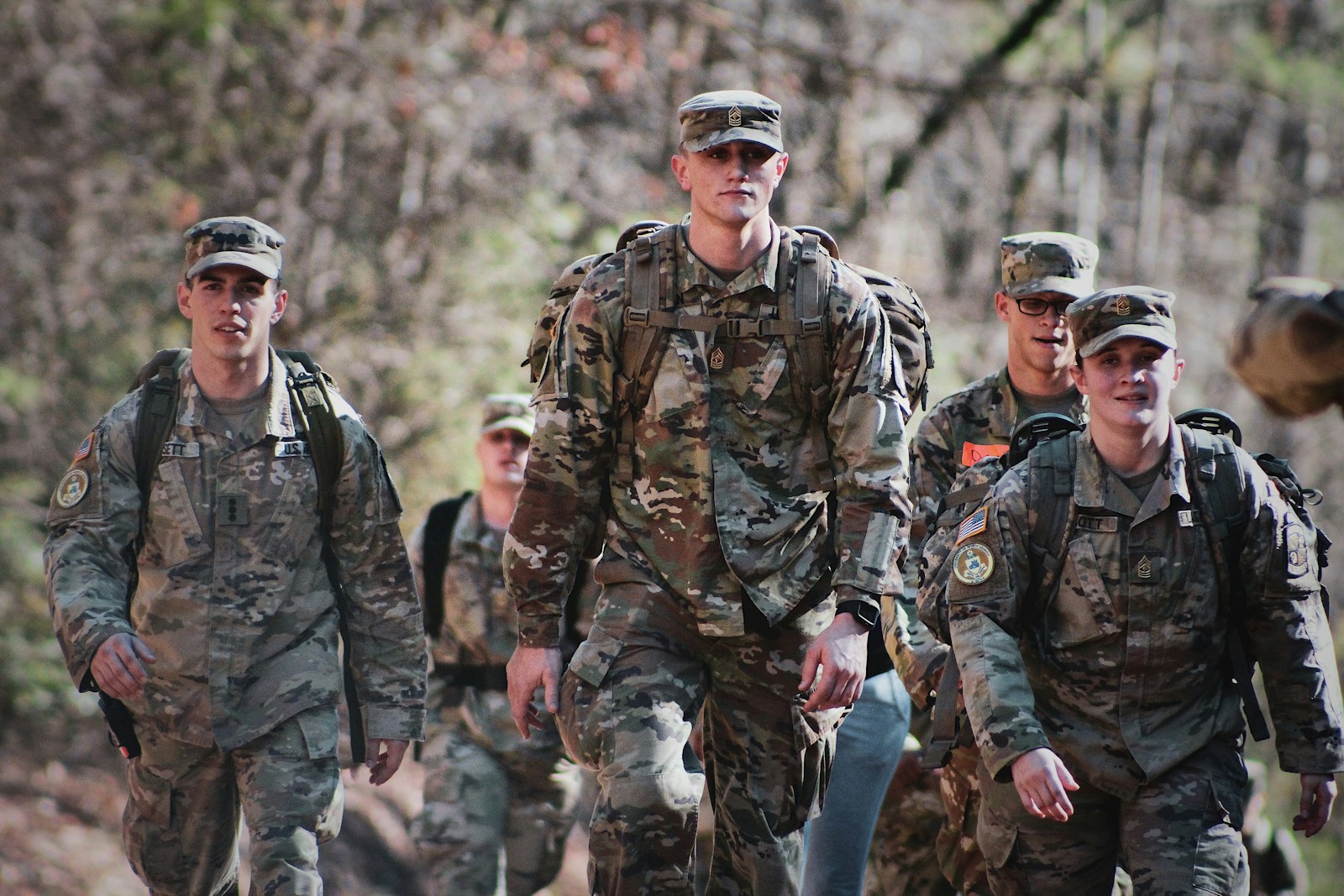
- President Trump has repeatedly threatened to send federal troops in Chicago to fight crime.
- Governor J.B. Pritzker warned Trump to “do not come” and criticized his mental fitness.
- Senator Ted Cruz attacked Pritzker’s crime policies and even mocked his weight.
- Pritzker snapped back, referencing Cruz’s Cancun getaway during a Texas crisis.
- Despite threats, Chicago’s crime rate has fallen, outpacing many states.
Will Trump Send Federal Troops in Chicago?
President Trump keeps insisting he may dispatch federal troops in Chicago. He argues that crime is out of control. Yet Chicago’s crime rate has actually dropped. In response, Governor J.B. Pritzker has told Trump to back off. Meanwhile, Senator Ted Cruz has jumped into the fray with his own barbs. This clash raises serious questions about politics, public safety, and the president’s power.
Why Are Federal Troops in Chicago Being Considered?
Trump says crime is shooting up and he needs to step in. He points to violent incidents and claims local leaders have failed. Therefore, he threatens to send federal troops in Chicago to restore order. This idea follows his decision to deploy troops in Washington, D.C., during protests. However, many critics note that crime in Chicago is down this year.
Moreover, other states that sent forces to help Trump in D.C. actually have higher crime rates at home. So the call for federal troops in Chicago seems driven more by politics than data. Residents wonder if soldiers and National Guard units will patrol their neighborhoods. Yet local officials argue that extra law enforcement won’t fix underlying issues.
Pritzker’s Bold Pushback
Governor J.B. Pritzker, a progressive in his second term, has grown more outspoken. He told Trump, “Do not come” to Chicago. He also questioned the president’s mental health, warning that threats without plan are reckless. During speeches, the billionaire heir to the Hyatt fortune warned that federal troops could heighten tensions. He insists local police and community programs deliver better results.
On social media, Pritzker mocked Senator Cruz’s recent remarks. He posted about Cruz’s Cancun trip during Texas’s deadly freeze, writing that he’d never get between Cruz and a vacation. This jab highlighted what Pritzker sees as Cruz’s hypocrisy. Still, Pritzker aims to focus on policy, arguing that root causes—like poverty and lack of mental health support—matter more than military muscle.
Cruz’s Sharp Attack
Senator Ted Cruz took aim at Pritzker during a Newsmax interview. He called Pritzker a “disgusting, racist bigot” and accused him of neglecting the Latino community while attacking the president. He added, “I don’t want to get between J.B. Pritzker and the Domino’s pizza line.” Then he warned that Pritzker’s open-door approach welcomes cartels, MS-13, and the Tren de Aragua gang.
Cruz’s tone was combative. He suggested that federal troops in Chicago would help secure borders and streets alike. He claimed Pritzker’s lenient crime laws let dangerous traffickers roam. However, his comments focused more on insults than solutions. By mocking Pritzker’s weight and policies, Cruz tried to shift attention from Trump’s real threat of deploying troops in Chicago.
Crime Data vs. Threats
Despite the heated debate, crime in Chicago has fallen. Violent crimes dropped more than ten percent this year. Homicides, while still too high, are lower than in many cities that never saw threats of federal forces. Chicago police officers say community outreach and data-driven policing made a real difference.
In contrast, some states that sent troops to D.C. saw their own crime rates rise. So critics argue that sending federal troops in Chicago won’t fix crime. They worry soldiers lack training for community policing and could inflame tensions. Furthermore, local leaders insist that social programs, better schools, and mental health care will yield longer-term safety.
What Happens Next?
For now, Trump’s plan to send federal troops in Chicago remains a threat. He may use it as a campaign promise to show toughness on crime. Yet any real deployment would face legal hurdles. Governors control their own National Guard unless they agree to federal orders. Plus local resistance is strong. Chicago’s mayor and Pritzker have said they will block unauthorized troops.
Still, the debate highlights deeper divides. Trump’s critics see his talk as political theater. His supporters view it as needed action. Meanwhile, Pritzker and Cruz will likely keep trading barbs. As election season ramps up, expect more loud exchanges and fierce claims about public safety.
Frequently Asked Questions
What legal power does Trump have to send troops to Chicago?
The president can federalize the National Guard only with a state governor’s consent or under special circumstances. Courts often limit such deployments if they overreach state control.
How low is crime in Chicago compared to past years?
Overall violent crime in Chicago has dropped by around ten percent this year. Homicides are still concerning but remain lower than in many other major U.S. cities.
Why did Pritzker mock Cruz’s Cancun trip?
Pritzker referenced Cruz’s vacation during Texas’s deep freeze crisis. He used it to highlight what he sees as Cruz’s hypocrisy in criticizing others while fleeing an emergency.
Could federal troops actually help reduce crime in Chicago?
Experts warn that military forces lack the training for local community policing. They may deter some violence but fail to address root causes like poverty and mental health issues.
Can political disputes impact real public safety?
Yes. Heated rhetoric may distract from effective solutions. When leaders focus on insults, they risk delaying policies that support education, housing, and social services—key factors in reducing crime.