

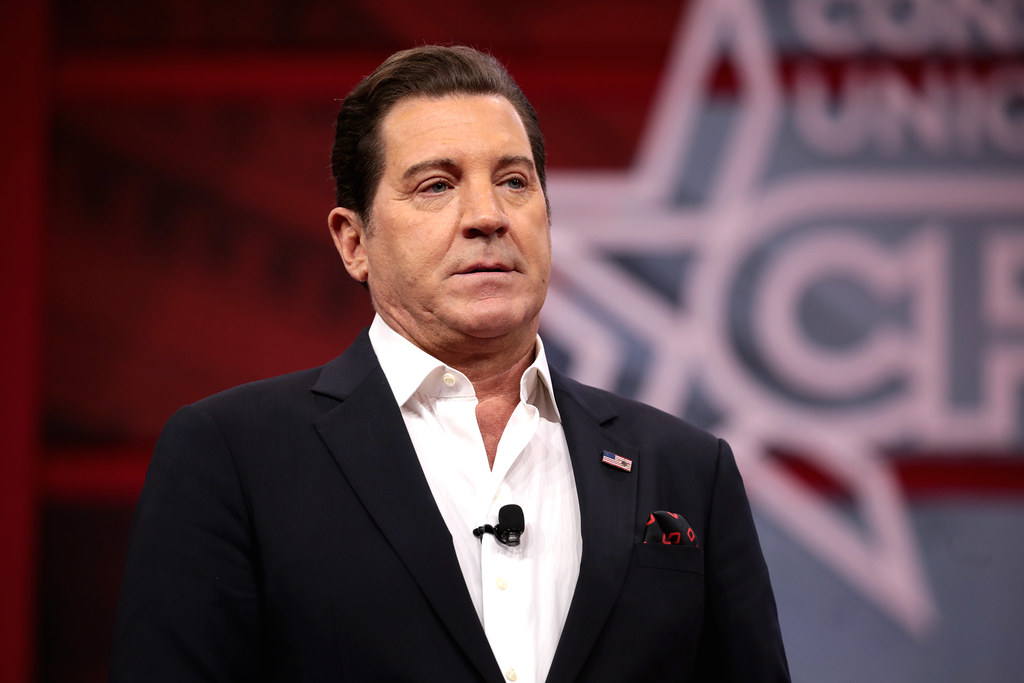

Key Takeaways:
- Eric Bolling named Magistrate Judge Teresa Stokes on air and urged viewers to find her.
- Bolling blamed the judge for releasing a criminal with 14 prior convictions.
- His comments raise worries about doxxing and threats to judges.
- The killing of Ukrainian refugee Iryna Zarutska sparked anger in right-wing media.
- Legal experts warn that calling out a judge’s home could harm the justice system.
Eric Bolling Encouraged a Judge Hunt
A brutal murder on a North Carolina train shocked the nation. Ukrainian refugee Iryna Zarutska died after a stranger stabbed her. The suspect had more than a dozen past convictions. He was free because a magistrate judge released him on bail. Then Eric Bolling went on air. He named Magistrate Judge Teresa Stokes and told viewers to “go find her.” His words set off a firestorm.
Right-wing media jumped in. Former President Trump blamed the state’s former Democratic governor. However, Bolling went further. He showed a photo of Judge Stokes. He called her the reason “this savage” walked free. Next, he urged his audience to track her down. His show claimed judges who don’t lock up criminals share blame for the murder.
Why Eric Bolling Called for Judge Hunt
Eric Bolling spoke on Real America’s Voice network. He repeated that the attacker had fourteen prior convictions. Then, he pointed at a photo of Magistrate Judge Teresa Stokes. He claimed she “let this thug back out on the street.” He said, “Unless she is held responsible, we are not a real country.” After that, he told viewers, “Go find her. Teresa Stokes. The Bolling Show sent you.”
Bolling said the justice system “shrugs about women he murdered.” He warned that if judges keep freeing violent criminals, the country fails. Moreover, he charged that the judge had “blood on her hands.” As a result, many worry his words could lead to threats or violence against the judge. They also fear other judges might feel unsafe making bail decisions.
Context of the Stabbing Case
Iryna Zarutska was a refugee fleeing war in Ukraine. She boarded a train in Charlotte on her way to visit friends. A man stabbed her without any warning. Surveillance video captured the whole attack. He then tried to run off but was caught by bystanders.
The attacker had fourteen prior run-ins with the law. He served time for assault, theft, and drug charges. However, Magistrate Judge Teresa Stokes granted bail. He got a bond that let him stay out of jail until his trial. Sadly, a few days later, the stabbing happened. This sparked widespread outrage across political lines.
Trump’s Reaction and Shifting Blame
Shortly after the killing, former President Donald Trump spoke up. On his social media platform, he blamed former Governor Roy Cooper. He said the state’s leaders failed to keep the public safe. Trump wrote that Democrats had “blood on their hands.” Many pointed out that the case involved a local judge’s decision. Yet Trump focused on partisan politics instead.
However, Eric Bolling shifted attention back to the judge. He claimed the entire event rested on her shoulders. Then, he goaded viewers to take personal action. By naming the judge and sharing her photo, he crossed a line. Free speech experts say naming judges at home puts their safety at risk.
Reaction and Risks of Judge Doxxing
Legal experts warn that doxxing a judge is dangerous. Doxxing means sharing private or personal info online. It can lead to threats and harassment. Judges need to feel safe to make fair rulings. If they fear for their safety, they might avoid releasing defendants. This can clog the courts and harm civil rights.
Moreover, experts say threatening a judge undermines the rule of law. In a democracy, judges must make decisions based on facts and law. They must not face intimidation from TV hosts or angry mobs. If they do, justice shrinks and fear grows. Therefore, many bar associations have urged calm and respect for the judicial process.
How Media Coverage Fuelled Anger
Right-wing outlets ran the story nonstop. First, they showed the video of the stabbing. Then, they highlighted the attacker’s record. Next, they zeroed in on the judge’s decision to grant bail. By repeating the same points, the anger intensified. When Eric Bolling named her, viewers felt they had a clear target.
Transition words like therefore and moreover appeared in many segments. They built a narrative blaming judges for crime. In turn, viewers left angry comments on social media. Some said they would travel to North Carolina to protest. Others vowed to contact the judge’s office with threats. This shows how powerful talk radio can be in shaping public action.
Possible Consequences for Judges
Judges under threat may ask for extra security. Courts could assign marshals to protect them. However, that increases costs and stress. Some judges might resign or refuse to handle certain cases. This can slow down trials and bail hearings. Ultimately, the public could suffer from delays and less impartial justice.
Additionally, if targeting judges becomes common, it sets a scary precedent. Attackers might try to silence judges by fear. This could push the justice system toward harsher bail rules. Then innocent people might stay behind bars longer. Ironically, this might lead to an even more crowded jail system.
What Comes Next?
Magistrate Judge Teresa Stokes has not spoken publicly. Court officials say they take threats seriously. The FBI may investigate any plans to harm her. Meanwhile, some lawmakers have called for laws to protect judges from online harassment. Others want to rethink bail rules to avoid repeat offenders.
However, experts caution against knee-jerk changes. They argue that bail reform aims to prevent jailing people who pose little risk. Instead, experts recommend better risk assessments. They also call for more focus on mental health and substance treatment. That approach could reduce crime without risking civil liberties.
Conclusion
The tragic killing of Iryna Zarutska reignited the bail debate. President Trump blamed the governor. Meanwhile, Eric Bolling urged viewers to hunt down a judge. His actions highlight big risks of doxxing legal officials. Ultimately, safe courts depend on judges free from fear. Lawmakers and media must balance public safety with respect for justice.
Frequently Asked Questions
What exactly did Eric Bolling say about the judge?
He named Magistrate Judge Teresa Stokes, showed her photo, and told viewers to “go find her” because she released a criminal who later killed someone.
Is naming judges online legal?
It can be legal, but it may lead to harassment or threats. Sharing personal details about judges risks their safety and can undermine the judicial process.
How might this affect future bail decisions?
Judges under threat may set higher bail or deny release more often. That could slow down courts and keep more people in jail before trial.
What protections exist for judges facing threats?
Courts can assign security and work with law enforcement to investigate threats. Some propose new laws to make online harassment of judges a serious crime.