


Quick Summary: Alabama special Elections Amid Court Battles
- Alabama Legislature passed special-election bills on May 6, altering primary elections.
- House Bill 1 impacts congressional and state Senate races, allowing for special primaries.
- Governor Ivey can reset 2026 primaries if the Supreme Court changes district maps.
- Protests erupted over the timing and potential impact on Black political representation.
- Alabama’s legal strategy aims to regain control over district maps blocked by courts.
Source: Read original article
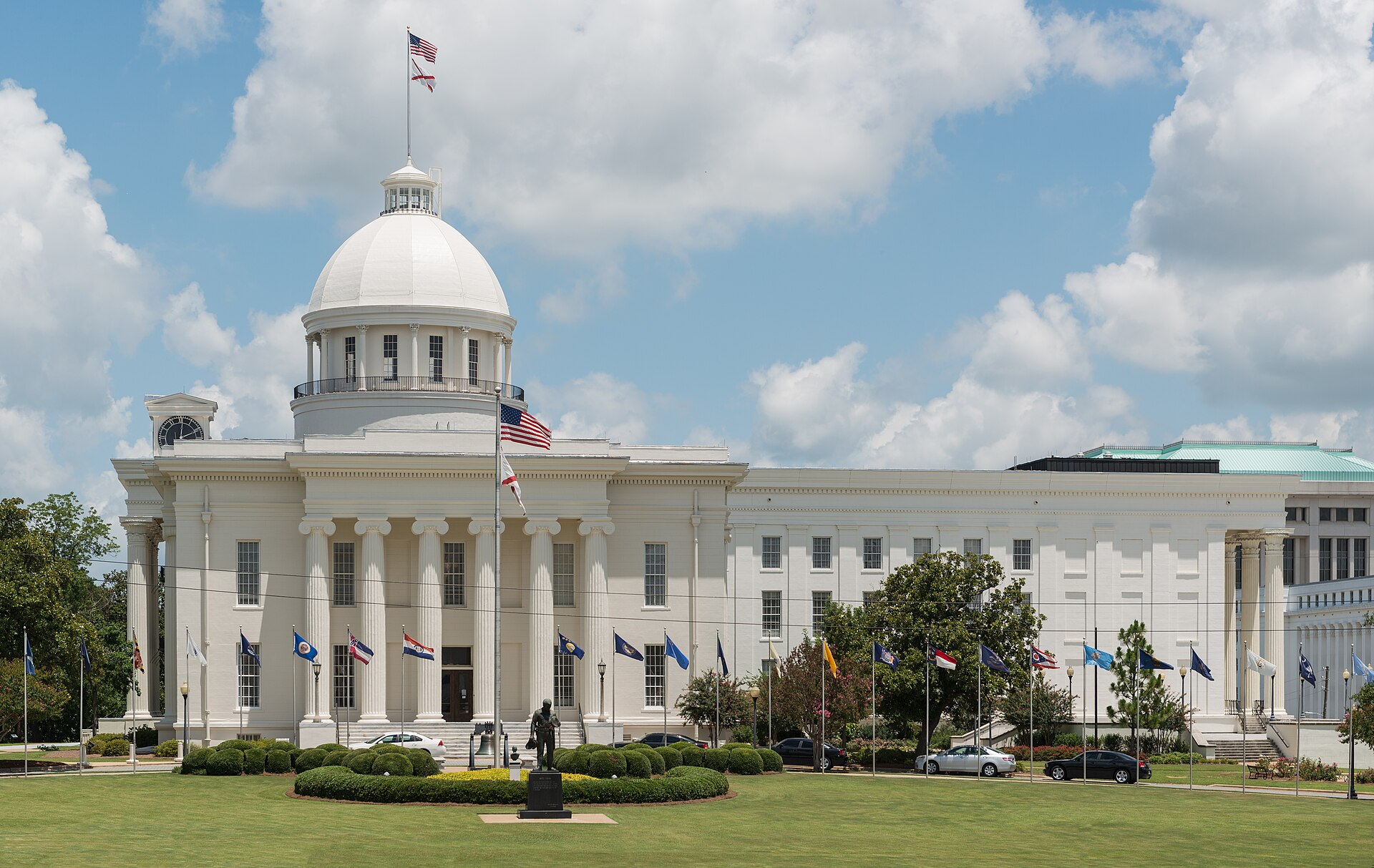
In a bold legislative move, the Alabama Legislature has passed special-election bills that could dramatically reshape the state’s primary election landscape. This decision, made during an urgent session on May 6, comes amid a backdrop of protests and a dramatic evacuation due to flooding at the Statehouse. The new laws empower Governor Kay Ivey to reset key 2026 primaries if the U.S. Supreme Court overturns Alabama’s current court-drawn maps before the May 19 election.
House Bill 1, a focal point of this legislative push, allows for new special primary elections in the 1st, 2nd, and 7th congressional districts. It also grants the governor the authority to invalidate the results of the May 19 primary if a Supreme Court decision alters district boundaries post-election. This legislation underscores a shift from abstract legal planning to concrete electoral adjustments, as Alabama Republicans and civil-rights groups clash over the state’s congressional maps.
The urgency of this legislative action is underscored by the legal battle involving Alabama Republicans and civil-rights groups. The conflict intensified after a Supreme Court action in the Louisiana v. Callais case, prompting Alabama Attorney General Steve Marshall to file emergency motions. These motions aim to vacate lower-court rulings against the state’s 2023 congressional maps, seeking reconsideration and potential redrawing of district lines.
Governor Ivey’s decision to call a special session on May 1 set the stage for this legislative maneuver. Lawmakers convened on May 4, determined to prepare for potential court-ordered map changes before the 2026 election cycle advances. The urgency was palpable as legislators navigated through flooding and evacuation challenges to pass the bills.
Critics, including the Alabama NAACP and the League of Women Voters, argue that the state aims to sidestep existing court orders and potentially undermine Black political representation. Protests erupted in Montgomery under the banner “Pull Up The People’s House,” highlighting concerns about the possible erasure of congressional seats held by African American Democrats.
The legislative scramble during the Statehouse session added to the drama. Lawmakers had to act swiftly amid flooding and a building evacuation, further underscoring the urgency surrounding the bills. The Alabama Reflector reported that the Senate rushed its measure through before members evacuated the premises.
Current reporting suggests that reverting to the 2023 map isn’t the only option for Alabama. Bills filed in the Senate could entirely redraw the maps, contingent on legal developments. Consequently, the legislation passed this week serves as both a backup plan and a strategic maneuver to regain district control after federal courts blocked earlier maps under the Voting Rights Act.
The timeline for these developments is tight. Governor Ivey issued the call on May 1, and by May 4, the session was underway with protests and committee debates unfolding. The Legislature passed the contingency bills on May 6, with the primary still set for May 19 according to the Alabama secretary of state’s calendar.
The next steps hinge on the Supreme Court’s actions. If the Court lifts the injunction or permits district changes before or shortly after May 19, Governor Ivey could initiate replacement primaries in affected districts. If not, the current election schedule proceeds, while Alabama’s redistricting issue continues through the judicial system.
Ivey then called the special session on Thursday, May 1, and lawmakers convened on Monday, May 4, specifically to prepare for possible court-ordered changes before the 2026 cycle fully unfolds. In a heated committee hearing on May 5, opponents warned the Legislature was moving as if binding federal rulings could simply be bypassed on short notice, and one recurring point of attack was that Alabama voters approved a 2022 constitutional amendment by roughly 80 percent that bars election-related legislation from taking effect within six months of a general election.
Alabama Attorney General Steve Marshall filed three emergency motions after that ruling, asking the Supreme Court to vacate lower-court rulings against Alabama’s 2023 congressional maps and send the case back for reconsideration. Current reporting says reverting to the 2023 map is not Alabama’s only option; bills have also been filed in the Senate that could redraw the maps entirely if the legal window opens.