


Quick Summary: American Airlines Disrupted Over 400 Cancellations
- American Airlines’ operations were severely disrupted due to weather at Dallas-Fort Worth, causing over 400 cancellations.
- Passengers on American Airlines Flight 1367 were stranded on the tarmac for over seven hours due to gate availability issues.
- Des Moines International experienced 22 delays and 7 cancellations as a result of the Dallas disruptions.
- The FAA imposed a weather-related ground stop at Dallas-Fort Worth, affecting regional airline operations.
- American Airlines’ network vulnerability was exposed as storms hit its primary hub, leading to widespread delays.
Source: Read original article
American Airlines is caught in a storm of its own making, as weather-induced chaos at Dallas-Fort Worth exposes glaring vulnerabilities in its operational network. With over 400 flights canceled due to severe weather, the ripple effects have been felt far beyond Texas, stranding passengers and highlighting the airline’s lack of resilience.
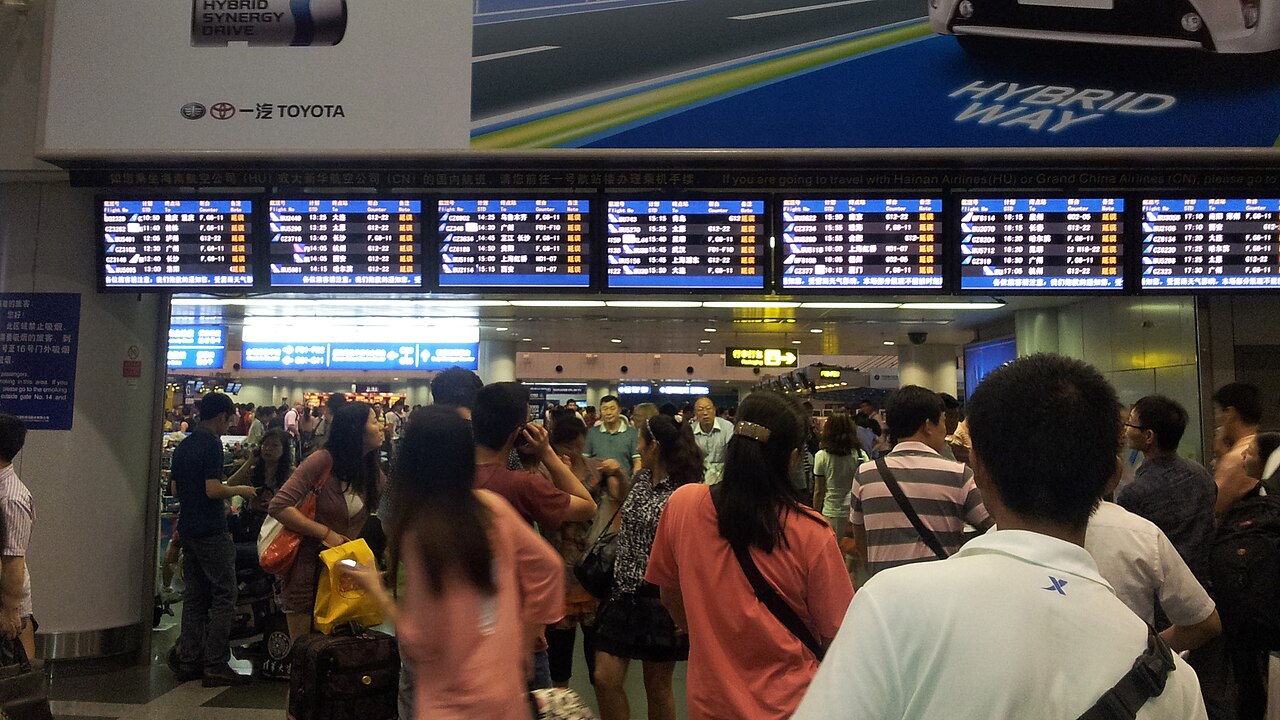
The situation reached a boiling point when passengers on American Airlines Flight 1367 found themselves trapped on the tarmac for more than seven hours. This incident underscores the airline’s struggle to manage gate availability and handle diverted flights effectively. Meanwhile, Des Moines International has been caught in the crossfire, experiencing 22 delays and 7 cancellations as a direct result of the Dallas disruptions.
The FAA’s decision to impose a weather-related ground stop at Dallas-Fort Worth was a necessary move, given the severe storms, but it laid bare the fragility of American Airlines’ hub-and-spoke model. The airline’s inability to adapt quickly to such disruptions raises questions about its preparedness and operational strategy.
As American Airlines touts its record summer operation, the timing of these disruptions couldn’t be more awkward. The airline must now focus on strengthening its network resilience to prevent future weather events from spiraling into network-wide failures. Until then, passengers remain at the mercy of both the weather and an airline struggling to keep its promises.
The FAA had also warned the ground stops carried a 30% to 60% chance of extension, which is the kind of operational trigger that can strand passengers far beyond Texas, especially on regional feeders into American’s largest hub. The most vivid operational detail from the latest week’s reporting is not from Des Moines but from the previous Dallas wave, where passengers on American Airlines Flight 1367 from Charlotte reportedly sat on the tarmac and at hard stands for more than seven hours after landing as the airport struggled to find gates for diverted and delayed arrivals.
” The uncomfortable twist is that this week’s reporting landed just as American was touting a record summer operation of 75 million customers across 750,000 flights between May 21 and September 8, making the disruption especially awkward in both optics and execution. The freshest, most consequential turn in this story is that the Des Moines disruptions appear to be a downstream shock from a much bigger operational breakdown at Dallas-Fort Worth on Tuesday, May 19, when the FAA imposed a weather-related ground stop and local reporting said cancellations at DFW and Dallas Love Field climbed past 400, instantly destabilizing regional spokes like Des Moines.
Earlier this month, after severe Sunday storms on May 10, travel-industry reporting said more than 270 departures were scrubbed at Dallas in one day, then another roughly 30 flights were canceled the next morning as aircraft and crews remained out of position. The National Weather Service’s Fort Worth office warned that storms arriving Tuesday could bring large hail and damaging winds, and one afternoon weather statement logged wind gusts up to 50 mph with nickel-size hail in parts of Tarrant County.
American had already issued a Dallas travel waiver earlier in the month allowing customers to rebook through May 13 without a change fee if they stayed in the same cabin, a sign the carrier was trying to get ahead of the disruption cycle. , plus 55 more at Love Field, with average delays at DFW running about one hour and delays at Love Field averaging 30 minutes.
What stands out in the Des Moines angle is that the claimed 22 delays and 7 cancellations are small in absolute terms but large relative to a regional airport’s daily flow. The key short-term indicator is whether cancellations remain elevated into Wednesday, May 20, and whether carriers broaden waivers or trim schedules preemptively ahead of Memorial Day travel.
The most vivid operational detail from the latest week’s reporting is not from Des Moines but from the previous Dallas wave, where passengers on American Airlines Flight 1367 from Charlotte reportedly sat on the tarmac and at hard stands for more than seven hours after landing as the airport struggled to find gates for diverted and delayed arrivals. ” The uncomfortable twist is that this week’s reporting landed just as American was touting a record summer operation of 75 million customers across 750,000 flights between May 21 and September 8, making the disruption especially awkward in both optics and execution.
The freshest, most consequential turn in this story is that the Des Moines disruptions appear to be a downstream shock from a much bigger operational breakdown at Dallas-Fort Worth on Tuesday, May 19, when the FAA imposed a weather-related ground stop and local reporting said cancellations at DFW and Dallas Love Field climbed past 400, instantly destabilizing regional spokes like Des Moines. Earlier this month, after severe Sunday storms on May 10, travel-industry reporting said more than 270 departures were scrubbed at Dallas in one day, then another roughly 30 flights were canceled the next morning as aircraft and crews remained out of position.
The National Weather Service’s Fort Worth office warned that storms arriving Tuesday could bring large hail and damaging winds, and one afternoon weather statement logged wind gusts up to 50 mph with nickel-size hail in parts of Tarrant County. Quick Summary: American Airlines Disrupted Over 400 Cancellations American Airlines’ operations were severely disrupted due to weather at Dallas-Fort Worth, causing over 400 cancellations.
With over 400 flights canceled due to severe weather, the ripple effects have been felt far beyond Texas, stranding passengers and highlighting the airline’s lack of resilience. Meanwhile, Des Moines International has been caught in the crossfire, experiencing 22 delays and 7 cancellations as a direct result of the Dallas disruptions.
, plus 55 more at Love Field, with average delays at DFW running about one hour and delays at Love Field averaging 30 minutes. The key short-term indicator is whether cancellations remain elevated into Wednesday, May 20, and whether carriers broaden waivers or trim schedules preemptively ahead of Memorial Day travel.
The scale and speed of this development has caught many observers off guard. Each new update adds another dimension to a story that is still unfolding, and the full picture will only become clear as more verified details emerge from the people and institutions directly involved.
Analysts who have tracked this issue closely say the current moment represents a genuine turning point. The decisions made in the coming weeks are expected to set the direction for months ahead, with ripple effects likely to extend well beyond the immediate actors in the story.
For those directly affected, the practical impact is already visible. People navigating this fast-changing situation are dealing with real consequences while new information continues to reshape what is known and what remains open to interpretation.
Historical parallels offer some context, though experts caution against drawing too close a comparison. Similar situations have played out before, but the specific combination of pressures, personalities, and timing here makes this moment distinct in ways that matter for how it ultimately resolves.
The political and economic dimensions of this story are deeply intertwined. What appears as a single event on the surface is in practice the convergence of multiple pressures that have been building quietly over a longer period than most public reporting has captured.