

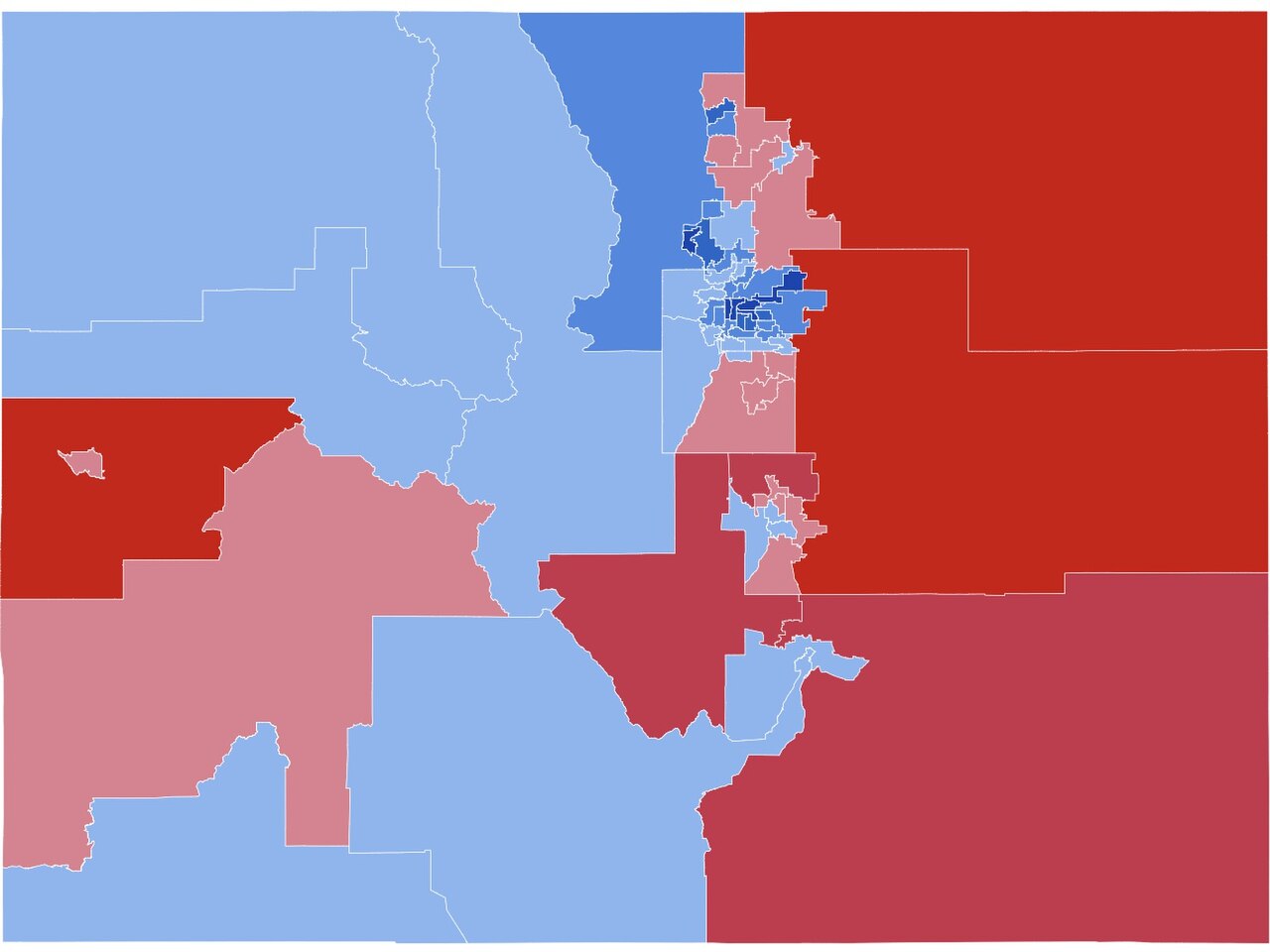

Quick Summary: Andres Carrera Compete Election Results Influenced By Unaffiliated Voters
- Colorado’s state Senate primary sees ballots in voters’ hands for a June 30 election with many open seats, testing party alliances and endorsements.
- Denver’s Senate District 34 race features Andres Carrera and Chela Garcia Irlando, highlighting a split between establishment Democrats and progressives.
- Pueblo’s Senate District 3 primary pits Aaron Gutierrez against Taylor Voss, focusing on public policy experience versus local leadership.
- Republican Lynda Zamora Wilson faces Terri Carver in Senate District 9, with effectiveness and conservative credentials at the forefront.
- Unaffiliated voters, comprising over half of registered voters, play a crucial role in shaping the outcomes of these primaries.
Source: Read original article
As Colorado’s state Senate primaries unfold, the political landscape is charged with tension and opportunity. With ballots now in voters’ hands for the June 30 election, the stage is set for a dramatic showdown across several key districts. This election cycle features an unusually high number of open legislative seats, creating a battleground for party alliances and ideological positioning. Andres is at the center of this development.
In Denver’s Senate District 34, the race between Andres Carrera and Chela Garcia Irlando encapsulates the Democratic Party’s internal struggle. Carrera, backed by establishment figures, represents continuity, while Garcia Irlando, supported by progressives, pushes for change. This clash of endorsements highlights the district’s decision between institutional stability and progressive momentum.
Meanwhile, in Pueblo’s Senate District 3, Aaron Gutierrez and Taylor Voss offer voters a choice between public policy expertise and local leadership. Gutierrez’s background in policy contrasts with Voss’s emphasis on community-driven solutions, reflecting broader debates about the future direction of the Democratic Party.
In Colorado Springs’ Senate District 9, Republican voters face a decision between incumbent Lynda Zamora Wilson and challenger Terri Carver. With effectiveness and conservative credentials on the line, this primary underscores the importance of proven governance in the eyes of the electorate.
The influence of unaffiliated voters, who make up more than half of registered voters, cannot be overstated. Their role in these primaries is pivotal, as they have the power to sway outcomes in favor of either establishment or insurgent candidates. As the election date approaches, campaigns must pivot from persuasion to turnout, ensuring that endorsements translate into votes.
The freshest Denver Gazette reporting adds another important wrinkle to the broader state Senate map: only one incumbent senator is being directly challenged in a primary, and that race is in Senate District 9 in the Colorado Springs area. Colorado has 21 state Senate seats and all 65 House seats on the ballot this year, with “more than half of registered voters” unaffiliated and therefore positioned to play an outsized role in shaping party nominees.
Another Senate primary drawing attention is Pueblo’s Senate District 3, where Aaron Gutierrez and Taylor Voss are competing in the Democratic primary for term-limited Sen. The debate here is not subtle: Zamora Wilson brings Pentagon and Air Force Academy credentials as a former senior economic adviser and teacher, while Carver brings a record as a former lawmaker and judge advocate general who worked on human trafficking, data privacy, and veterans issues.
The biggest fresh development in Colorado’s state Senate primary fight is that ballots are now in voters’ hands for a June 30 election featuring an unusually large number of open legislative seats, with Denver and Pueblo contests emerging as some of the clearest tests of party alliances, endorsements, and ideological positioning. According to Colorado Politics’ updated roundup, Andres Carrera and Chela Garcia Irlando are the two Democrats on the ballot, and the split in endorsements neatly captures the race’s core tension.
John Salazar’s office; his stated priorities are affordability, public safety, public health, and the environment. Voss, by contrast, is a philanthropy director for Sangre de Cristo Community Care and a former president of the Pueblo School District 60 Board of Education, and he is emphasizing public safety, poverty and homelessness, economic development, and education.
For Republican voters in a district covering Palmer Lake and the Air Force Academy, that turns the primary into a contest over who is the more proven conservative governing hand. By June 22, the state says 137 voting centers will be open, followed by 437 drop boxes by June 23, underscoring that the campaign has now shifted from persuasion to turnout.
As Colorado’s state Senate primaries unfold, the political landscape is charged with tension and opportunity. Denver’s Senate District 34 race features Andres Carrera and Chela Garcia Irlando, highlighting a split between establishment Democrats and progressives.
Pueblo’s Senate District 3 primary pits Aaron Gutierrez against Taylor Voss, focusing on public policy experience versus local leadership. In Denver’s Senate District 34, the race between Andres Carrera and Chela Garcia Irlando encapsulates the Democratic Party’s internal struggle.
Meanwhile, in Pueblo’s Senate District 3, Aaron Gutierrez and Taylor Voss offer voters a choice between public policy expertise and local leadership. In Colorado Springs’ Senate District 9, Republican voters face a decision between incumbent Lynda Zamora Wilson and challenger Terri Carver.
The scale and speed of this development has caught many observers off guard. Each new update adds another dimension to a story that is still unfolding, and the full picture will only become clear as more verified details emerge from the people and institutions directly involved.
Analysts who have tracked this issue closely say the current moment represents a genuine turning point. The decisions made in the coming weeks are expected to set the direction for months ahead, with ripple effects likely to extend well beyond the immediate actors in the story.
For those directly affected, the practical impact is already visible. People navigating this fast-changing situation are dealing with real consequences while new information continues to reshape what is known and what remains open to interpretation.
Historical parallels offer some context, though experts caution against drawing too close a comparison. Similar situations have played out before, but the specific combination of pressures, personalities, and timing here makes this moment distinct in ways that matter for how it ultimately resolves.
The political and economic dimensions of this story are deeply intertwined. What appears as a single event on the surface is in practice the convergence of multiple pressures that have been building quietly over a longer period than most public reporting has captured.