

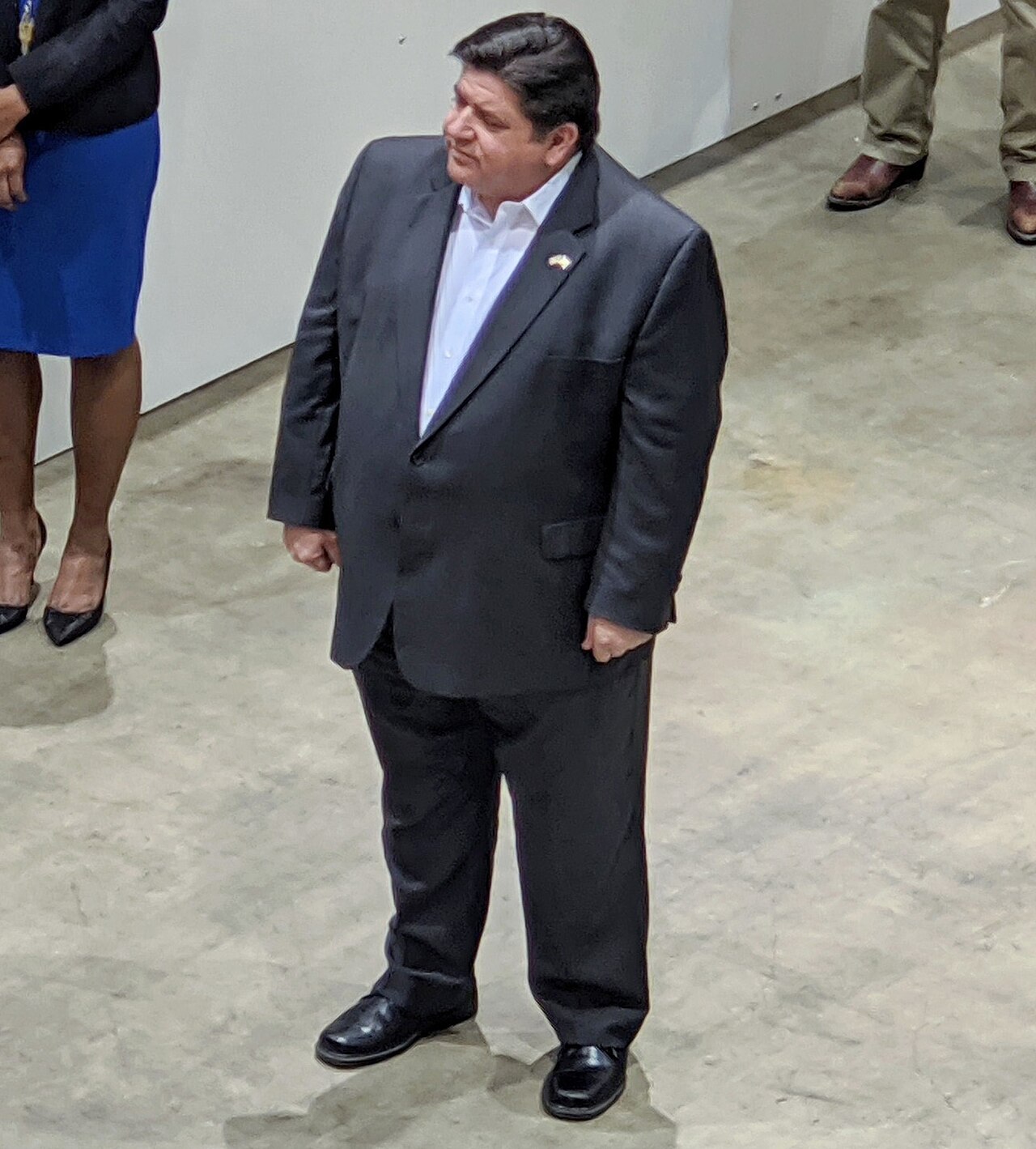

Quick Summary: Pritzker Signs Record Illinois Budget as Bears Stadium Deal Stalls
- JB Pritzker signed a $56 billion budget, but no Bears stadium deal was reached, leaving Indiana as an option.
- The Illinois budget, the largest in state history, was approved on June 1, 2026.
- The Bears owe $84 million if they exit Soldier Field in 2026, complicating relocation talks.
- Pritzker criticized Chicago’s stadium plan, blaming Trump and Republicans for fiscal challenges.
- Illinois lawmakers failed to pass property-tax incentives, risking the Bears’ move to Indiana.
Source: Read original article
In a dramatic turn of events, Illinois Governor JB Pritzker’s triumph in passing a historic $56 billion budget was overshadowed by the failure to secure a deal for a new Bears stadium. This political fumble has left the door wide open for the Chicago Bears to consider relocating to Indiana, a move that could have significant implications for the state.
The budget, approved in the early hours of June 1, 2026, marks the largest in Illinois history. Yet, the inability to finalize a stadium deal has exposed a rift between the governor, Chicago officials, and the Bears organization. The team’s existing lease at Soldier Field, which would cost them $84 million to break, adds another layer of complexity to the negotiations.
Governor Pritzker has not shied away from pointing fingers, attributing part of the state’s fiscal woes to the policies of Donald Trump and congressional Republicans. Meanwhile, critics of the budget have highlighted its reliance on financial maneuvers and the diversion of funds from essential services.
As the Bears explore their options, including a potential move to Hammond, Indiana, the political stakes in Illinois continue to rise. The failure to pass property-tax incentives for a new stadium in Arlington Heights has only intensified the pressure on state lawmakers.
The situation remains fluid, with Pritzker leaving the possibility of a special legislative session open. However, the clock is ticking, and the Bears’ decision on their future home could soon force Illinois to confront the consequences of its political gridlock.
JB Pritzker signed off on Illinois’ roughly $56 billion election-year budget, but the bigger political shock in Springfield is what lawmakers did not finish: they adjourned without a Bears stadium deal, leaving the franchise’s Indiana option alive and exposing a split between the governor, Chicago officials and the team itself. 9 billion to nearly $56 billion spending plan in the early hours of June 1, 2026, the largest budget in state history according to local reporting.
Meanwhile, the Bears’ existing Soldier Field lease has long hovered over the talks; NPR Illinois noted a 2021 Chicago Tribune review found the team would owe $84 million if it left in 2026. In the Tribune-based ArcaMax pickup, he used a combative fiscal defense line, saying, “Donald Trump and Republicans in Congress are costing the state over $8 billion — $8 billion,” while blaming tariff and fuel-price pressures for hurting Illinois families.
That failure kept open the possibility of the team building outside Illinois, and by June 5 Axios reported the Bears were advancing a plan in Hammond, Indiana, turning what had been a Springfield pressure tactic into a live interstate threat. At the same time, critics attacked the budget for relying on maneuvers such as fund sweeps, while Democrats diverted $150 million from unexpected gasoline-sales-tax revenue that otherwise would have gone to mass transit.
5 billion publicly supported domed stadium plan, while the Arlington Heights legislation was designed around tax treatment that could reduce one of the biggest obstacles to development at the former racetrack site. ” By June 12, Illinois Times reported he had effectively pushed responsibility back onto the team, arguing the Bears needed to do the lobbying work themselves.
And by June 15, Axios reported Chicago fans were still furious as the Indiana project remained active, with Sen. For now, the standout fact from the most current reporting is brutally simple: Illinois got the $56 billion budget over the finish line, but failed on the one side deal that may prove more politically embarrassing if the Bears cross the state line.
The Illinois budget, the largest in state history, was approved on June 1, 2026. The budget, approved in the early hours of June 1, 2026, marks the largest in Illinois history.
9 billion to nearly $56 billion spending plan in the early hours of June 1, 2026, the largest budget in state history according to local reporting. Meanwhile, the Bears’ existing Soldier Field lease has long hovered over the talks; NPR Illinois noted a 2021 Chicago Tribune review found the team would owe $84 million if it left in 2026.
The Bears owe $84 million if they exit Soldier Field in 2026, complicating relocation talks. The team’s existing lease at Soldier Field, which would cost them $84 million to break, adds another layer of complexity to the negotiations.
The scale and speed of this development has caught many observers off guard. Each new update adds another dimension to a story that is still unfolding, and the full picture will only become clear as more verified details emerge from the people and institutions directly involved.
Analysts who have tracked this issue closely say the current moment represents a genuine turning point. The decisions made in the coming weeks are expected to set the direction for months ahead, with ripple effects likely to extend well beyond the immediate actors in the story.
For those directly affected, the practical impact is already visible. People navigating this fast-changing situation are dealing with real consequences while new information continues to reshape what is known and what remains open to interpretation.
Historical parallels offer some context, though experts caution against drawing too close a comparison. Similar situations have played out before, but the specific combination of pressures, personalities, and timing here makes this moment distinct in ways that matter for how it ultimately resolves.
The political and economic dimensions of this story are deeply intertwined. What appears as a single event on the surface is in practice the convergence of multiple pressures that have been building quietly over a longer period than most public reporting has captured.