
52 F
San Francisco
Friday, June 5, 2026
Home Blog Page 10

Severe Weather Causes Major Flight Delays at Denver International Airport

Quick Summary: Severe Weather Causes Major Flight Delays at Denver International Airport

  • Severe thunderstorms and hail caused significant delays at Denver International Airport, affecting multiple airlines.
  • On June 1, a ground delay was triggered due to intense weather, impacting 276 flights.
  • United, Southwest, and SkyWest were the most affected airlines, with 96, 73, and 61 delays respectively.
  • The disruption was weather-related, not due to airline operational failures.
  • FAA-imposed ground delays have been frequent over the past 10 days due to recurring severe weather.

Denver International Airport found itself in the eye of a storm—literally. Severe thunderstorms and hail have wreaked havoc on flight schedules, causing significant delays and cancellations. The chaos that unfolded was not due to airline mismanagement but rather Mother Nature’s unpredictable wrath.

On June 1, the airport faced a ground delay as intense weather conditions pummeled the area. This led to 276 delayed flights, with United, Southwest, and SkyWest bearing the brunt of the impact. These delays were not isolated incidents but part of a pattern of weather-related disruptions over the past 10 days.

While headlines may suggest a broad international travel crisis, the reality is more localized. The FAA’s repeated ground stops highlight the ongoing weather challenges at one of the nation’s busiest hubs. Airlines like Lufthansa and Icelandair, though present, were not the primary focus of this turmoil.

As we look ahead, the key question remains: will the weather continue to disrupt operations at Denver International Airport? With summer schedules ramping up, airlines must brace for potential further disruptions. The focus is now on how quickly the airport can recover and manage its heavy international operations, including Lufthansa’s planned A380 return.

The broader airport context also matters: Denver airport traffic data published this year show Lufthansa and Icelandair both have a measurable presence at DEN, while Lufthansa is preparing to restore Airbus A380 service to Denver beginning June 9, 2026, a sign that international service growth is continuing despite the short-term weather disruptions. The sharpest new detail came on June 1, when Denver-area hail and thunderstorms triggered a ground delay at Denver International Airport, according to local reporting from The Denver Gazette and CBS Colorado.

The most specific operational figures I found this week were larger than the “4 cancellations and 191 delays” cited in the Travel And Tour World headline. Another Denver7 report from May 27 said FAA alerts showed flights were delayed by an average of 46 minutes Wednesday evening after thunderstorms prompted a ground delay.

KRDO reported an FAA ground stop on May 21 due to high winds just ahead of Memorial Day weekend. Denver7 then reported another weather-related ground delay on May 27, and local outlets documented more hail and thunderstorm disruption again on June 1.

The Denver Gazette reported that the airport was put on a ground delay Monday afternoon as the metro area was “pelted with an intense bout of hail,” while CBS Colorado also tied the airport slowdown directly to severe weather on June 1. That tally included 96 delays on United, 73 on Southwest and 61 on SkyWest, making those three carriers the most heavily hit in the latest verified wave of disruption.

The carriers named in the headline, including WestJet, Lufthansa, Icelandair and Alaska, do serve Denver or appear in codeshare and airport traffic data, but the freshest reporting with hard numbers centers overwhelmingly on United, Southwest and SkyWest. That sequence suggests a pattern of recurring weather stress at DIA over roughly 10 days, not a one-off incident.

Denver7 then reported another weather-related ground delay on May 27, and local outlets documented more hail and thunderstorm disruption again on June 1. On June 1, a ground delay was triggered due to intense weather, impacting 276 flights.

United, Southwest, and SkyWest were the most affected airlines, with 96, 73, and 61 delays respectively. FAA-imposed ground delays have been frequent over the past 10 days due to recurring severe weather.

That tally included 96 delays on United, 73 on Southwest and 61 on SkyWest, making those three carriers the most heavily hit in the latest verified wave of disruption. The carriers named in the headline, including WestJet, Lufthansa, Icelandair and Alaska, do serve Denver or appear in codeshare and airport traffic data, but the freshest reporting with hard numbers centers overwhelmingly on United, Southwest and SkyWest.

The scale and speed of this development has caught many observers off guard. Each new update adds another dimension to a story that is still unfolding, and the full picture will only become clear as more verified details emerge from the people and institutions directly involved.

Analysts who have tracked this issue closely say the current moment represents a genuine turning point. The decisions made in the coming weeks are expected to set the direction for months ahead, with ripple effects likely to extend well beyond the immediate actors in the story.

For those directly affected, the practical impact is already visible. People navigating this fast-changing situation are dealing with real consequences while new information continues to reshape what is known and what remains open to interpretation.

Historical parallels offer some context, though experts caution against drawing too close a comparison. Similar situations have played out before, but the specific combination of pressures, personalities, and timing here makes this moment distinct in ways that matter for how it ultimately resolves.

The political and economic dimensions of this story are deeply intertwined. What appears as a single event on the surface is in practice the convergence of multiple pressures that have been building quietly over a longer period than most public reporting has captured.

Read more on Digital Chew

Colombia Rose Surpassing Mexico’s Increase

0

Quick Summary: Colombia Rose Surpassing Mexico’s Increase

  • Colombia’s international ticket sales rose 16.7% in Q1 2026, surpassing Mexico’s 15.6% increase.
  • 646,770 international reservations were made to Colombia from December 2025 to May 2026, with 91% targeting Bogotá, Medellín, and Cartagena.
  • ANATO reported that 70% of travel agencies saw higher sales in Q1 2026 compared to the previous year.
  • Domestic passenger traffic grew 8.1% from January to April 2026, outpacing international growth.
  • Wingo expects to carry over 703,000 passengers during the June-July 2026 holiday season, a 15% increase from 2025.

Colombia is experiencing a remarkable surge in tourism, driven by a significant increase in air travel. In the first quarter of 2026, international ticket sales to Colombia rose by 16.7%, outpacing Mexico and contrasting sharply with Peru’s decline. This growth is concentrated in key cities like Bogotá, Medellín, and Cartagena, which have become major hubs for international visitors.

The surge in tourism is not just a statistical anomaly but a reflection of strategic efforts to enhance air connectivity. ProColombia has been instrumental in this, with President Carmen Caballero highlighting the importance of new routes and increased frequencies. The focus on air travel as a growth engine is evident, with five new international routes announced for 2026.

However, this growth presents challenges. The concentration of tourism in a few cities raises questions about sustainable distribution and the need for broader regional engagement. The upcoming midyear travel season will be a critical test of whether this momentum can be maintained and expanded to new destinations.

Colombia’s tourism boom is a testament to the power of strategic connectivity and market adaptability. As airlines like Wingo prepare for a busy holiday season, the focus will be on sustaining this growth and ensuring that it benefits the entire country, not just a few urban centers.

ProColombia said on May 26 that the country received more than 23 million nonresident visitors between August 2022 and March 2026, based on Commerce Ministry and Migración Colombia figures analyzed by the agency, and that Colombia in 2025 surpassed 1,600 international frequencies and more than 300,000 seats in a typical week. Booking data cited in recent reporting show 646,770 international reservations to Colombia between December 2025 and May 2026, and more than 91% of them were bound for just three cities: Bogotá, Medellín, and Cartagena.

ANATO reported on April 20 that 70% of travel agencies surveyed posted higher sales in the first quarter of 2026 than a year earlier. Wingo said on May 22 that it expects to carry more than 703,000 passengers during the June-July 2026 midyear holiday season, up about 15% from the same period in 2025.

” ProColombia said five new international routes had already been announced for 2026 by late January, after Colombia closed 2025 with what it called its best historical performance in international air capacity and 22 new international routes opened during that year. 1% increase in international passengers, with especially strong demand on routes linking Bogotá, Medellín, and Cali to tourism markets such as San Andrés and Montería.

7% first-quarter international ticket-sales growth can be maintained into the second half of 2026. The carrier said 492,000 of those passengers would travel on 16 domestic routes and another 211,000 on 27 international routes, with strongest international demand projected on Bogotá–Punta Cana, Bogotá–Caracas, and Aruba–Medellín.

As for what happens next, the immediate test is the June-July midyear travel season, when airlines and tourism officials will find out whether current booking momentum translates into sustained passenger loads and whether the new routes announced for June 17, June 23, June 25, July 9, and July 14 actually broaden Colombia’s tourism map. ” In separate reporting on outbound and inbound ticket trends, Cortés also said, “this behavior is possible thanks to greater air connectivity and an increasingly competitive tourism offering,” arguing that travelers are seeking “new experiences,” not only the traditional destinations.

ANATO reported that 70% of travel agencies saw higher sales in Q1 2026 compared to the previous year. Booking data cited in recent reporting show 646,770 international reservations to Colombia between December 2025 and May 2026, and more than 91% of them were bound for just three cities: Bogotá, Medellín, and Cartagena.

ANATO reported on April 20 that 70% of travel agencies surveyed posted higher sales in the first quarter of 2026 than a year earlier. 646,770 international reservations were made to Colombia from December 2025 to May 2026, with 91% targeting Bogotá, Medellín, and Cartagena.

Wingo expects to carry over 703,000 passengers during the June-July 2026 holiday season, a 15% increase from 2025. 1% increase in international passengers, with especially strong demand on routes linking Bogotá, Medellín, and Cali to tourism markets such as San Andrés and Montería.

7% first-quarter international ticket-sales growth can be maintained into the second half of 2026. 1% from January to April 2026, outpacing international growth.

7%, outpacing Mexico and contrasting sharply with Peru’s decline. The carrier said 492,000 of those passengers would travel on 16 domestic routes and another 211,000 on 27 international routes, with strongest international demand projected on Bogotá–Punta Cana, Bogotá–Caracas, and Aruba–Medellín.

The scale and speed of this development has caught many observers off guard. Each new update adds another dimension to a story that is still unfolding, and the full picture will only become clear as more verified details emerge from the people and institutions directly involved.

Analysts who have tracked this issue closely say the current moment represents a genuine turning point. The decisions made in the coming weeks are expected to set the direction for months ahead, with ripple effects likely to extend well beyond the immediate actors in the story.

For those directly affected, the practical impact is already visible. People navigating this fast-changing situation are dealing with real consequences while new information continues to reshape what is known and what remains open to interpretation.

Historical parallels offer some context, though experts caution against drawing too close a comparison. Similar situations have played out before, but the specific combination of pressures, personalities, and timing here makes this moment distinct in ways that matter for how it ultimately resolves.

The political and economic dimensions of this story are deeply intertwined. What appears as a single event on the surface is in practice the convergence of multiple pressures that have been building quietly over a longer period than most public reporting has captured.

Read more on Digital Chew

Larry Rhoden Faces Fundraising Gap Ahead of Primary Week

0

Quick Summary: Larry Rhoden Faces Fundraising Gap Ahead of Primary Week

  • Larry Rhoden spent $914,000 but only raised $572,000, entering primary week with $170,000 on hand.
  • Over $11 million was raised across candidates, with $10 million spent, making it an expensive proxy war.
  • Major donors include POET Ethanol, contributing $500,000, and First Premier Bank’s Dana Dykhouse, with $300,000.
  • Voting is set for June 2, 2026, with a potential runoff on July 28 if no candidate reaches 35%.
  • Polls show Johnson at 34%, Hansen at 18%, and both Doeden and Rhoden at 17%, with 14% undecided.

South Dakota’s Republican governor primary has erupted into a high-stakes proxy war, with the future of the state’s GOP hanging in the balance. The race has seen unprecedented spending, with candidates raising over $11 million and spending about $10 million, a staggering amount for a state known for low-cost elections. Larry is at the center of this development.

At the center of this financial whirlwind is Larry Rhoden, whose campaign has been marked by dwindling support and a financial shortfall. Despite raising $572,000, Rhoden spent $914,000, leaving him with only $170,000 as the primary approaches. In stark contrast, Rep. Dusty Johnson has leveraged a $3 million transfer from his congressional PAC, positioning himself as a formidable contender with $1.19 million in reserve.

The stakes are further heightened by the involvement of major donors like POET Ethanol and First Premier Bank’s Dana Dykhouse, who have poured substantial funds into the race. This influx of cash has transformed the primary into a battleground for the future direction of the South Dakota GOP, with outside groups and business interests vying to influence the outcome.

As voting day looms, the race remains volatile. Polls suggest a potential runoff, with Johnson just shy of the 35% threshold needed to avoid it. Meanwhile, outsider Toby Doeden’s bold prediction of victory adds another layer of intrigue to an already unpredictable contest. The outcome will not only determine the Republican nominee but could also reshape the state’s political landscape.

4 million on advertising, and paid staff $210,000, the highest payroll in the field. Rhoden raised roughly $572,000 but spent $914,000 and entered primary week with only about $170,000 on hand.

Across all four Republican candidates, more than $11 million had been raised and about $10 million spent, turning what is usually a low-cost state race into an expensive proxy war over the future of the South Dakota GOP. The donor roster reportedly included POET Ethanol at $500,000, First Premier Bank chairman Dana Dykhouse at $300,000, and MarketBeat founder Matthew Paulson at $150,000.

Voting is on Tuesday, June 2, 2026, and if no candidate reaches 35 percent, South Dakota law sends the top two finishers into a runoff on July 28. South Dakota News Watch reported that Rhoden’s support had dropped 10 points from an earlier poll, while Johnson gained 6 points and Hansen surged enough to become the likeliest landing spot for defecting Rhoden voters.

2 million on digital ads and direct mail attacking Rhoden. The Dakota Scout reported on June 1 that Republicans were “just one day away” from voting in a “crowded and closely watched” contest with “no clear front-runner,” and emphasized that if no candidate clears 35 percent, the top two advance to a July 28 runoff.

That threshold matters because an April 7-11 Mason-Dixon poll of 500 registered Republicans found Johnson at 34 percent, just one point short of avoiding a runoff, with Jon Hansen at 18 percent and both Toby Doeden and Larry Rhoden at 17 percent, while 14 percent remained undecided. Also on June 1, AP’s primary preview underscored the significance of the moment by noting that even an incumbent governor could not clear the Republican field and now faced three credible challengers: Johnson, Hansen, and Doeden.

Major donors include POET Ethanol, contributing $500,000, and First Premier Bank’s Dana Dykhouse, with $300,000. Voting is set for June 2, 2026, with a potential runoff on July 28 if no candidate reaches 35%.

Polls show Johnson at 34%, Hansen at 18%, and both Doeden and Rhoden at 17%, with 14% undecided. The race has seen unprecedented spending, with candidates raising over $11 million and spending about $10 million, a staggering amount for a state known for low-cost elections.

Despite raising $572,000, Rhoden spent $914,000, leaving him with only $170,000 as the primary approaches. Polls suggest a potential runoff, with Johnson just shy of the 35% threshold needed to avoid it.

The scale and speed of this development has caught many observers off guard. Each new update adds another dimension to a story that is still unfolding, and the full picture will only become clear as more verified details emerge from the people and institutions directly involved.

Analysts who have tracked this issue closely say the current moment represents a genuine turning point. The decisions made in the coming weeks are expected to set the direction for months ahead, with ripple effects likely to extend well beyond the immediate actors in the story.

For those directly affected, the practical impact is already visible. People navigating this fast-changing situation are dealing with real consequences while new information continues to reshape what is known and what remains open to interpretation.

Historical parallels offer some context, though experts caution against drawing too close a comparison. Similar situations have played out before, but the specific combination of pressures, personalities, and timing here makes this moment distinct in ways that matter for how it ultimately resolves.

The political and economic dimensions of this story are deeply intertwined. What appears as a single event on the surface is in practice the convergence of multiple pressures that have been building quietly over a longer period than most public reporting has captured.
Read more on Digital Chew

Aikya Team Dominates Italian Nationals With 14 Medals

Quick Summary: Aikya Team Dominates Italian Nationals With 14 Medals

  • Aikya Team secured 14 medals at the Italian Nationals, showcasing their dominance in kickboxing.
  • FightBook MMA highlighted Aikya’s performance as a major story, emphasizing their emerging talent.
  • The team’s success is seen as a turning point, potentially elevating athletes to international competitions.
  • Aikya’s achievements were prominently featured in FightBook MMA’s top stories and trending news.
  • The club from Palermo is recognized for its consistent national success, reinforcing their reputation.

The Aikya Team’s recent performance at the Italian Nationals is more than just a victory; it’s a statement. Securing 14 medals, this Palermo-based club has not only dominated the event but also captured the attention of the kickboxing world.

FightBook MMA has spotlighted Aikya’s achievement, framing it as evidence of ‘rising world-class talent.’ This isn’t just a local victory; it’s a signal that Aikya is producing athletes ready to step onto the international stage. The team’s success was featured prominently on June 1, 2026, in the site’s kickboxing section, underscoring its significance.

Aikya’s consistent performance at national levels, previously earning titles like ‘sul tetto d’Italia,’ highlights their established pipeline of talent. This recent triumph is not an isolated incident but a continuation of their legacy of excellence.

As the kickboxing community watches closely, the next question is which Aikya athletes will transition from national champions to international contenders. The groundwork laid by their recent success sets the stage for future achievements on a global scale.

Roberto Villa is listed as the author, and the story appeared in the site’s kickboxing coverage on June 1, 2026. On June 1, 2026, FightBook MMA published and prominently displayed the story in its kickboxing section, and as of the latest site crawl it was still featured among current top items on the homepage and in trending placement.

In short, the strongest current, verifiable takeaway is that Aikya Team’s 14-medal result has been singled out by FightBook MMA on June 1, 2026 as a major kickboxing story and explicitly framed as proof of emerging elite talent. The newest development is that FightBook MMA elevated Aikya Team’s June 1, 2026 Italian Nationals performance into one of its top kickboxing stories, centering on a 14-medal haul that it framed as evidence Palermo’s Aikya is producing “rising world-class talent” rather than just another domestic winner.

Because the article text is not accessible in the current fetch, that interpretation is necessarily inferred from the wording and placement of the story rather than confirmed through quoted reporting inside the piece. That makes the fresh June 1 story more notable as a continuation of an established pipeline rather than a one-off upset.

That suggests the performance is being treated as fresh news within the last 24 to 48 hours, but no additional follow-up article, federation statement, or separately indexed interview was surfaced in the available search results. I did find current FederKombat event-platform material showing Aikya listed in federation-related competition records, but not a directly linked next-event confirmation tied to this exact June 1 story.

There is an important caveat, though: despite searching the live web and opening FightBook MMA’s current archive pages, the article body itself was not retrievable through the available web tools, so the most specific current facts I can confirm directly from live reporting are the headline, publication date, placement on the site, author, and the 14-medal claim. I searched for the full article text, quotes, score breakdowns, and any fresh 7-day follow-up, but the accessible live results did not expose the story body, so the reporting available right now is compelling in headline significance but thin in confirmable granular detail.

The team’s success was featured prominently on June 1, 2026, in the site’s kickboxing section, underscoring its significance. Roberto Villa is listed as the author, and the story appeared in the site’s kickboxing coverage on June 1, 2026.

On June 1, 2026, FightBook MMA published and prominently displayed the story in its kickboxing section, and as of the latest site crawl it was still featured among current top items on the homepage and in trending placement. In short, the strongest current, verifiable takeaway is that Aikya Team’s 14-medal result has been singled out by FightBook MMA on June 1, 2026 as a major kickboxing story and explicitly framed as proof of emerging elite talent.

The newest development is that FightBook MMA elevated Aikya Team’s June 1, 2026 Italian Nationals performance into one of its top kickboxing stories, centering on a 14-medal haul that it framed as evidence Palermo’s Aikya is producing “rising world-class talent” rather than just another domestic winner. Aikya’s consistent performance at national levels, previously earning titles like ‘sul tetto d’Italia,’ highlights their established pipeline of talent.

I did find current FederKombat event-platform material showing Aikya listed in federation-related competition records, but not a directly linked next-event confirmation tied to this exact June 1 story. There is an important caveat, though: despite searching the live web and opening FightBook MMA’s current archive pages, the article body itself was not retrievable through the available web tools, so the most specific current facts I can confirm directly from live reporting are the headline, publication date, placement on the site, author, and the 14-medal claim.

The scale and speed of this development has caught many observers off guard. Each new update adds another dimension to a story that is still unfolding, and the full picture will only become clear as more verified details emerge from the people and institutions directly involved.

Analysts who have tracked this issue closely say the current moment represents a genuine turning point. The decisions made in the coming weeks are expected to set the direction for months ahead, with ripple effects likely to extend well beyond the immediate actors in the story.

For those directly affected, the practical impact is already visible. People navigating this fast-changing situation are dealing with real consequences while new information continues to reshape what is known and what remains open to interpretation.

Historical parallels offer some context, though experts caution against drawing too close a comparison. Similar situations have played out before, but the specific combination of pressures, personalities, and timing here makes this moment distinct in ways that matter for how it ultimately resolves.

The political and economic dimensions of this story are deeply intertwined. What appears as a single event on the surface is in practice the convergence of multiple pressures that have been building quietly over a longer period than most public reporting has captured.

Read more on Digital Chew

Trump Pushes 60 – Day Ceasefire Extension With Iran Amid Strait Tensions

0

Quick Summary: Trump Pushes 60 – Day Ceasefire Extension With Iran Amid Strait Tensions

  • Trump is pushing for a 60-day ceasefire extension with Iran, focusing on the Strait of Hormuz, a critical oil transit point.
  • Domestic political pressure mounts as Trump’s approval on inflation is low, with 24% approving and 76% disapproving.
  • Trump rejected midterm pressure, stating that he is not swayed by electoral concerns.
  • Negotiations are tense, with two recent skirmishes in the Strait highlighting the fragile situation.
  • Trump demands stronger nuclear provisions in the draft agreement with Iran.

President Trump is once again at the center of international attention as he navigates the precarious waters of U.S.-Iran relations. His latest move—a proposed 60-day ceasefire extension with Iran—aims to stabilize tensions in the Strait of Hormuz, a vital artery for global oil transit.

Despite the potential for diplomatic progress, Trump faces significant domestic challenges. His approval ratings on economic issues, particularly inflation, are dismal. With only 24% of Americans approving of his handling of inflation, any disruption in oil supply could further damage his political standing as midterms loom.

Yet, Trump remains undeterred by electoral pressures. On May 27, he publicly dismissed the notion that midterm elections would influence his decisions, signaling a focus on long-term strategic goals over immediate political gains.

The negotiations themselves are fraught with tension. Recent skirmishes in the Strait of Hormuz underscore the delicate nature of the talks. Trump has insisted on stronger nuclear terms, a move that could either solidify a robust agreement or derail the process entirely.

The stakes are high. Trump’s ability to convert this tentative agreement into a lasting diplomatic breakthrough will test his strategic acumen. The outcome could reshape not only U.S.-Iran relations but also impact global oil markets and domestic political dynamics.

The proposed arrangement centers on a 60-day ceasefire extension and a 60-day negotiating window, while the Strait of Hormuz remains crucial because roughly 20% of global oil transit flows through it, according to recent reporting summarized by The Guardian. ” On the domestic side, Fox’s own May 15-18 national poll release showed Trump badly underwater on inflation, with 24% approving and 76% disapproving, a reminder that any oil shock tied to Iran could hit Republicans heading into November.

On May 27, Trump publicly rejected the idea that midterm pressure would force his hand. ” On May 31, Axios reported Trump wanted edits to stiffen the nuclear provisions.

Even before a final deal, Axios reported there had already been two skirmishes in the Strait in a 48-hour span, showing how close the process is to breaking down. Axios reported that the draft would extend the ceasefire for 60 days and begin talks on Tehran’s nuclear program, while a later report said Trump wants stronger language because the current text commits Iran only not to pursue a nuclear weapon and leaves the hardest issues, including enriched uranium disposal and future enrichment limits, to follow-on talks.

-Iran talks Bill Hagerty was championing on Fox Business have moved from rhetoric to a still-fragile, high-stakes draft deal, with President Donald Trump now actively shaping last-minute edits to a 60-day memorandum that could extend the ceasefire, reopen the Strait of Hormuz and start formal nuclear negotiations. That makes the central conflict sharper than Hagerty’s TV framing: the fight is now between a White House trying to sell diplomacy as leverage and critics who see the framework as a soft interim bargain.

” Reuters also noted that the conflict is approaching its fourth month after Trump had initially said it would last four to six weeks. ” That is a concrete sign that the talks are no longer abstract messaging fodder for cable television; they are already constraining allied military decisions.

With only 24% of Americans approving of his handling of inflation, any disruption in oil supply could further damage his political standing as midterms loom. ” On the domestic side, Fox’s own May 15-18 national poll release showed Trump badly underwater on inflation, with 24% approving and 76% disapproving, a reminder that any oil shock tied to Iran could hit Republicans heading into November.

Even before a final deal, Axios reported there had already been two skirmishes in the Strait in a 48-hour span, showing how close the process is to breaking down. Trump rejected midterm pressure, stating that he is not swayed by electoral concerns.

That makes the central conflict sharper than Hagerty’s TV framing: the fight is now between a White House trying to sell diplomacy as leverage and critics who see the framework as a soft interim bargain. Quick Summary: Trump Pushes 60 – Day Ceasefire Extension With Iran Amid Strait Tensions Trump is pushing for a 60-day ceasefire extension with Iran, focusing on the Strait of Hormuz, a critical oil transit point.

The scale and speed of this development has caught many observers off guard. Each new update adds another dimension to a story that is still unfolding, and the full picture will only become clear as more verified details emerge from the people and institutions directly involved.

Analysts who have tracked this issue closely say the current moment represents a genuine turning point. The decisions made in the coming weeks are expected to set the direction for months ahead, with ripple effects likely to extend well beyond the immediate actors in the story.

For those directly affected, the practical impact is already visible. People navigating this fast-changing situation are dealing with real consequences while new information continues to reshape what is known and what remains open to interpretation.

Historical parallels offer some context, though experts caution against drawing too close a comparison. Similar situations have played out before, but the specific combination of pressures, personalities, and timing here makes this moment distinct in ways that matter for how it ultimately resolves.

The political and economic dimensions of this story are deeply intertwined. What appears as a single event on the surface is in practice the convergence of multiple pressures that have been building quietly over a longer period than most public reporting has captured.
Read more on Digital Chew

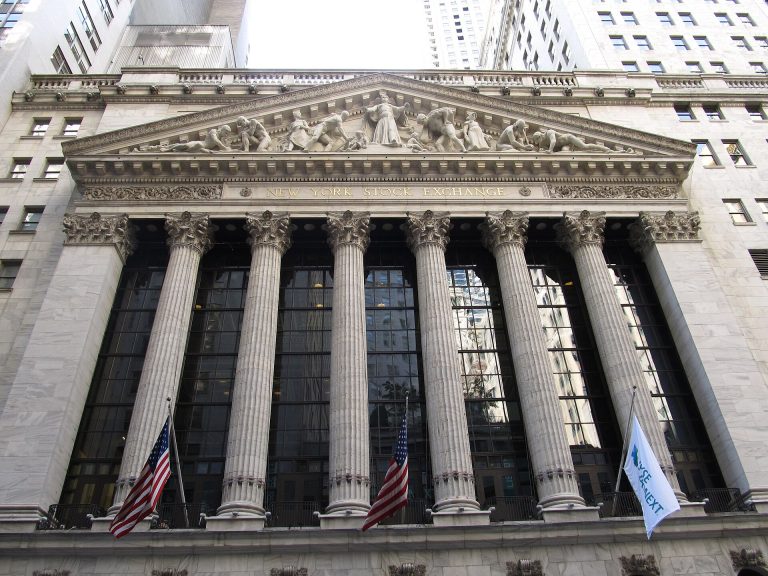
Brent Crude Surges as Wall Street Hits Fresh Records

0

Quick Summary: Brent Crude Surges as Wall Street Hits Fresh Records

  • Brent crude surged 4.2% to $94.98, yet Wall Street hit fresh records on June 1, 2026.
  • The S&P 500 rose 0.3%, Dow Jones gained 46 points, and Nasdaq climbed 0.4% despite inflation fears.
  • Top 10 stocks now control nearly half of the S&P 500’s market value, a 40-year high.
  • Nvidia’s 6.2% rise offset energy price drag, driven by AI and chip demand.
  • Market breadth indicators suggest a potential rotation, cautioning investors.

In a striking show of resilience, Wall Street soared to new heights even as oil prices spiked, defying conventional market wisdom. On June 1, 2026, Brent crude jumped 4.2% to $94.98 a barrel, yet the S&P 500, Dow Jones, and Nasdaq all reached record levels. This remarkable performance highlights investors’ confidence that geopolitical tensions, particularly between the U.S. and Iran, won’t escalate into a prolonged oil crisis.

The market’s buoyancy is largely driven by a handful of tech giants, with Nvidia leading the charge. The company’s 6.2% surge, following CEO Jensen Huang’s product updates, provided enough lift to counterbalance rising energy costs. However, the concentration of market power is raising eyebrows. The top 10 stocks now account for nearly half of the S&P 500’s market value, a situation unseen in four decades.

While Wall Street celebrates, cautionary signs linger beneath the surface. Equity strategist Thomas Carroll warns that a market-breadth indicator signals a possible rotation, suggesting that the current rally may be masking underlying weaknesses. As oil prices remain significantly above pre-war levels, the specter of inflation continues to loom, threatening to disrupt the fragile balance.

98 is still dramatically above the roughly $70 level where it traded before the war, according to the AP report, and that gap matters because expensive oil has already fed inflation and pushed up borrowing costs worldwide. 2% after CEO Jensen Huang unveiled product updates at a conference, giving the market’s biggest company enough lift to help offset the drag from rising energy prices.

That matters because it reinforces the same theme visible on Wall Street: right now, AI and chip exuberance are proving stronger than the inflation fear normally triggered by a near-$95 Brent price. Thomas Carroll, equity market strategist at Stifel, said the top 10 stocks now control “nearly half” of the S&P 500’s total market value, which AP described as a 40-year high.

2% and overtook Toyota as the country’s most valuable listed company. Carroll warned in a report that a market-breadth indicator he watches “is signaling a rotation is coming,” a notable caution at a moment when index records are masking weakness underneath the surface.

The numbers around oil remain the story’s most concrete risk signal. indexes from rewriting the record books on June 1.

That happened even though higher oil prices usually rattle stocks by worsening inflation and pushing bond yields higher. AP’s reporting says Wall Street “isn’t very worried,” because traders still appear to believe the United States and Iran can ultimately reach an agreement that would reopen the Strait of Hormuz and resume Persian Gulf oil flows.

2% after CEO Jensen Huang unveiled product updates at a conference, giving the market’s biggest company enough lift to help offset the drag from rising energy prices. 98, yet Wall Street hit fresh records on June 1, 2026.

2% rise offset energy price drag, driven by AI and chip demand. Thomas Carroll, equity market strategist at Stifel, said the top 10 stocks now control “nearly half” of the S&P 500’s total market value, which AP described as a 40-year high.

Top 10 stocks now control nearly half of the S&P 500’s market value, a 40-year high. 98 a barrel, yet the S&P 500, Dow Jones, and Nasdaq all reached record levels.

The scale and speed of this development has caught many observers off guard. Each new update adds another dimension to a story that is still unfolding, and the full picture will only become clear as more verified details emerge from the people and institutions directly involved.

Analysts who have tracked this issue closely say the current moment represents a genuine turning point. The decisions made in the coming weeks are expected to set the direction for months ahead, with ripple effects likely to extend well beyond the immediate actors in the story.

For those directly affected, the practical impact is already visible. People navigating this fast-changing situation are dealing with real consequences while new information continues to reshape what is known and what remains open to interpretation.

Historical parallels offer some context, though experts caution against drawing too close a comparison. Similar situations have played out before, but the specific combination of pressures, personalities, and timing here makes this moment distinct in ways that matter for how it ultimately resolves.

The political and economic dimensions of this story are deeply intertwined. What appears as a single event on the surface is in practice the convergence of multiple pressures that have been building quietly over a longer period than most public reporting has captured.
Read more on Digital Chew

Pope Leo XIV Plans Visit to Spain

0

Quick Summary: Pope Leo XIV Plans Visit to Spain

  • Pope Leo XIV plans a visit to Spain from June 6-12, 2026, with stops in Madrid, Barcelona, and the Canary Islands.
  • The visit aims to reignite Spain’s missionary spirit amid rising secularization and cultural shifts.
  • Spain remains a major contributor to global missionary efforts despite a decline in numbers.
  • Pope Leo XIV’s message is grounded in personal experience as a former missionary and bishop.
  • The visit will also address migration issues, linking mission with welcoming migrants.

Pope Leo XIV is set to embark on a pivotal journey to Spain, aiming to rekindle the country’s missionary zeal at a time when secularization is reshaping its cultural landscape. Scheduled for June 6-12, 2026, this visit is not just another papal tour; it is a clarion call for Spain to embrace a new phase of evangelization.

Spain, despite witnessing a drop in missionary numbers, continues to be a powerhouse in global missionary work, second only to the United States in financial support. This paradox underscores the urgency of Pope Leo’s message: Spain must not rest on its laurels but instead reignite its missionary fervor. His appeal is deeply personal, rooted in his own experiences as an Augustinian missionary and bishop.

The context of this visit is further enriched by its focus on migration. The Pope’s itinerary includes addressing the plight of migrants, particularly those arriving in the Canary Islands from Africa. By intertwining mission with migration, Pope Leo XIV is challenging Spain to see the influx of migrants not as a burden but as an opportunity for renewal and growth.

As Spain prepares to welcome Pope Leo XIV, the nation stands at a crossroads. Will it respond to his call for renewed missionary enthusiasm, or will it continue to drift towards a post-Christian identity? The answer may well define the future of Spanish Catholicism in an increasingly secular world.

On May 6, the Vatican released the full schedule for the Spain trip, confirming stops in Madrid, Barcelona, and the Canary Islands from June 6 to June 12, 2026. The freshest and most consequential turn in this story is that Pope Leo XIV’s appeal for Spain to “regain missionary enthusiasm” is no longer just rhetorical: it is now being framed as the central message of his June 6–12, 2026 trip to Spain, a high-stakes visit that will put secularization, migration, and the future identity of Spanish Catholicism on center stage.

Veteran Vatican journalist Juan Vicente Boo goes further, saying Leo knows Spain “more thoroughly than many Spaniards,” noting that after first arriving in July 1982 on a pilgrimage to Santiago de Compostela, he later visited more than 30 Spanish cities across roughly 50 trips, making Spain the country he has visited most after Italy. Another notable detail from recent Spanish reporting is that the government moved on May 26 to classify the visit as an “event of special public interest,” a designation that opens the door to tax deductions for sponsors, showing the visit has become not just an ecclesial event but a politically and financially significant national one.

According to Vatican News and OSV News, Leo is due to meet King Felipe VI and Queen Letizia, address authorities and the diplomatic corps, lead a Corpus Christi procession in Madrid, and visit migrants and prisoners as well as Catholic communities. Pope Leo XIV is the principal actor, but the latest coverage leans heavily on Father Jesús Calderón, Father Alejandro Moral Antón, historian Luis Antequera, journalist Juan Vicente Boo, the Holy See Press Office, the Spanish government, and Spain’s royal household.

The Spanish state, for its part, has elevated the visit’s profile through the “special public interest” designation, while the monarchy will welcome Leo at the Royal Palace on June 6. Beginning Friday, June 6, Leo arrives in Madrid, where his public appearances will test whether this missionary appeal can resonate beyond church insiders.

The Dialog’s report, published yesterday, says the core revelation is how personally grounded Leo’s message is. Father Jesús Calderón says the pope speaks from “a lived experience,” not abstract theory, after years as an Augustinian missionary and bishop in Peru and as prior general of the Augustinians.

On May 6, the Vatican released the full schedule for the Spain trip, confirming stops in Madrid, Barcelona, and the Canary Islands from June 6 to June 12, 2026. Quick Summary: Pope Leo XIV Plans Visit to Spain Pope Leo XIV plans a visit to Spain from June 6-12, 2026, with stops in Madrid, Barcelona, and the Canary Islands.

Scheduled for June 6-12, 2026, this visit is not just another papal tour; it is a clarion call for Spain to embrace a new phase of evangelization. Veteran Vatican journalist Juan Vicente Boo goes further, saying Leo knows Spain “more thoroughly than many Spaniards,” noting that after first arriving in July 1982 on a pilgrimage to Santiago de Compostela, he later visited more than 30 Spanish cities across roughly 50 trips, making Spain the country he has visited most after Italy.

The visit aims to reignite Spain’s missionary spirit amid rising secularization and cultural shifts. Pope Leo XIV’s message is grounded in personal experience as a former missionary and bishop.

The scale and speed of this development has caught many observers off guard. Each new update adds another dimension to a story that is still unfolding, and the full picture will only become clear as more verified details emerge from the people and institutions directly involved.

Analysts who have tracked this issue closely say the current moment represents a genuine turning point. The decisions made in the coming weeks are expected to set the direction for months ahead, with ripple effects likely to extend well beyond the immediate actors in the story.

For those directly affected, the practical impact is already visible. People navigating this fast-changing situation are dealing with real consequences while new information continues to reshape what is known and what remains open to interpretation.

Historical parallels offer some context, though experts caution against drawing too close a comparison. Similar situations have played out before, but the specific combination of pressures, personalities, and timing here makes this moment distinct in ways that matter for how it ultimately resolves.

The political and economic dimensions of this story are deeply intertwined. What appears as a single event on the surface is in practice the convergence of multiple pressures that have been building quietly over a longer period than most public reporting has captured.
Read more on Digital Chew

Knicks and Spurs in 2026 NBA Finals Highlight Sacramento Kings’ Trade Missteps

Quick Summary: Knicks and Spurs in 2026 NBA Finals Highlight Sacramento Kings’ Trade Missteps

  • The Knicks and Spurs reach the 2026 NBA Finals, spotlighting Sacramento’s past trades.
  • Tyrese Haliburton, traded by the Kings, led Indiana to the 2025 Finals before injury.
  • De’Aaron Fox, another former King, now stars for the Spurs in the Finals.
  • Mike Brown, once with Sacramento, coaches the Knicks in the Finals.
  • Sacramento’s decisions are under scrutiny as their former players excel elsewhere.

The Sacramento Kings are facing a harsh reality as the Knicks and Spurs prepare to battle in the 2026 NBA Finals. This matchup is a glaring reminder of the Kings’ questionable decisions that have left them on the outside looking in.

Tyrese Haliburton, once a promising talent for Sacramento, was traded to Indiana in 2022. He led the Pacers to the 2025 Finals, only to be sidelined by injury. Meanwhile, De’Aaron Fox, another former King, has become a key player for the Spurs, helping them reach this year’s Finals. Adding to the irony, Mike Brown, who was part of Sacramento’s coaching staff, is now leading the Knicks on the biggest stage.

These developments have turned the spotlight on Sacramento’s front office decisions. Once seen as strategic moves, the trades now appear to be missteps, as the players they let go are thriving in the Finals. The Kings’ rationale was to build around Domantas Sabonis and Fox, but the latter’s departure after a trade request has compounded their woes.

As the Finals unfold, every strong performance by Fox or strategic move by Brown will intensify the scrutiny on Sacramento. The Kings’ front office is left to ponder whether their decisions were justified or if they missed the mark entirely. The narrative is clear: the Kings’ past choices have come back to haunt them, and the NBA Finals serve as a stark reminder of what could have been.

Haliburton was traded on February 8, 2022, in the deal that sent Buddy Hield and Tristan Thompson to Indiana for Domantas Sabonis, Justin Holiday, Jeremy Lamb, and a second-round pick. He then led Indiana to the 2025 NBA Finals, where his run ended with a torn right Achilles in Game 7.

He was moved on February 3, 2025, in a three-team trade that brought Zach LaVine, Sidy Cissoko, three first-round picks, and two second-round picks to the Kings. The Knicks and Spurs begin the 2026 NBA Finals on June 3, with additional games scheduled for June 5, June 8, and June 10, and if the series extends, it can run through June 19.

Sacramento’s latest humiliation is no longer just theoretical: as the 2026 NBA Finals open on Wednesday, June 3, the Knicks and Spurs are there with Mike Brown and De’Aaron Fox, one year after Tyrese Haliburton dragged Indiana to the 2025 Finals, turning a ClutchPoints column published June 1 into a brutally current indictment of the Kings’ last two years. 6% from three, along with two All-Star and two All-NBA selections.

Haliburton was traded because the team wanted an All-Star big in Sabonis and believed Fox was the foundational guard; Fox was later dealt only after “years of frustration” and a trade request, according to the recent reporting. The sharpest new development in the reporting is that all three franchises named in the headline now have a live, immediate stake in the championship picture while Sacramento is coming off a 22-60 season and holding only the No.

3 assists in that Finals run cited by ClutchPoints, and the Spurs moved all the way through the West to reach this year’s championship round. com’s June 1 playoff coverage described San Antonio as having taken down the defending champion Thunder in Game 7 to clinch the trip.

Tyrese Haliburton, traded by the Kings, led Indiana to the 2025 Finals before injury. He led the Pacers to the 2025 Finals, only to be sidelined by injury.

He was moved on February 3, 2025, in a three-team trade that brought Zach LaVine, Sidy Cissoko, three first-round picks, and two second-round picks to the Kings. Sacramento’s latest humiliation is no longer just theoretical: as the 2026 NBA Finals open on Wednesday, June 3, the Knicks and Spurs are there with Mike Brown and De’Aaron Fox, one year after Tyrese Haliburton dragged Indiana to the 2025 Finals, turning a ClutchPoints column published June 1 into a brutally current indictment of the Kings’ last two years.

6% from three, along with two All-Star and two All-NBA selections. Adding to the irony, Mike Brown, who was part of Sacramento’s coaching staff, is now leading the Knicks on the biggest stage.

The scale and speed of this development has caught many observers off guard. Each new update adds another dimension to a story that is still unfolding, and the full picture will only become clear as more verified details emerge from the people and institutions directly involved.

Analysts who have tracked this issue closely say the current moment represents a genuine turning point. The decisions made in the coming weeks are expected to set the direction for months ahead, with ripple effects likely to extend well beyond the immediate actors in the story.

For those directly affected, the practical impact is already visible. People navigating this fast-changing situation are dealing with real consequences while new information continues to reshape what is known and what remains open to interpretation.

Historical parallels offer some context, though experts caution against drawing too close a comparison. Similar situations have played out before, but the specific combination of pressures, personalities, and timing here makes this moment distinct in ways that matter for how it ultimately resolves.

The political and economic dimensions of this story are deeply intertwined. What appears as a single event on the surface is in practice the convergence of multiple pressures that have been building quietly over a longer period than most public reporting has captured.

Read more on Digital Chew

Mathias Byuan Chosen First Female Deputy Governor of Benue State

0

Quick Summary: Mathias Byuan Chosen First Female Deputy Governor of Benue State

  • Mathias Byuan has chosen Julie Obeta as his running mate, aiming to make her the first female deputy governor of Benue State.
  • Obeta emphasizes the need for women’s representation, pledging to achieve a 35% affirmative action target in government roles.
  • The Labour Party is positioning Obeta’s nomination as a significant step towards gender inclusion in Benue politics.
  • Byuan’s political strategy includes a controversial endorsement of President Tinubu, despite running on the Labour Party platform.
  • Obeta’s political background includes roles in local government and a past association with former President Goodluck Jonathan’s campaign.

In a bold move that could reshape Benue’s political landscape, Mathias Byuan has selected Julie Obeta as his running mate for the 2027 governorship race. This decision positions Obeta to potentially become the first female deputy governor of Benue State, signaling a significant shift towards gender representation in a region where women have historically been sidelined.

Obeta, a former chairperson of Okpokwu LGA, is not just a symbolic choice. She has pledged to push for a 35% affirmative action target for women in government, making her candidacy a statement on women’s empowerment and political inclusion. Byuan’s decision to pair with Obeta is not just about balancing the ticket but about making a historic statement in Benue politics.

However, Byuan’s political maneuvering is not without controversy. Despite running on the Labour Party platform, he has openly endorsed President Bola Tinubu of the APC for the 2027 presidential race. This cross-party stance could complicate his campaign message, but it also highlights his strategy to build a broader coalition.

Obeta’s political experience, including her past role in former President Goodluck Jonathan’s campaign, adds depth to her candidacy. Her refusal of a special assistant role under Governor Alia further underscores her independent political stance.

As the Labour Party completes its primaries and solidifies its candidates, the focus will be on whether Byuan and Obeta can maintain the momentum of this historic announcement. The challenge will be to convert this headline into a coherent campaign that resonates with Benue’s electorate, particularly women who have long awaited greater representation in government.

The latest reports identify her as a former chairman of Okpokwu Local Government Area from 2012 to 2015 and a one-time member of former President Goodluck Jonathan’s presidential campaign team. Just over two weeks earlier, on May 15, he bought LP nomination forms after previously operating in the APC space and publicly said that even though he was seeking office on the Labour Party platform, his preferred 2027 presidential candidate remained President Bola Tinubu of the APC.

One report also says she was appointed a special assistant by Governor Alia in 2023 but declined the appointment. In the newest accounts published on June 1, she said women make up a significant share of Benue’s voting population but are “often sidelined after elections,” and she pledged to push for the 35 per cent affirmative action target for women in government appointments and decision-making.

One report quoted him saying, “We have consulted widely with the party stakeholders across the state and today and they unanimously elected Mrs Julie Obeta,” before adding that she could become “the first female deputy governor of Benue State” in 2027. In separate June 1 reporting, LP officials said the party had completed primaries across the state and affirmed Byuan as its governorship candidate, while House of Representatives member Philip Agbese secured the party’s ticket for Ado/Okpokwu/Ogbadibo federal constituency with more than 52,000 votes across three LGAs and 35 council wards.

The sharpest new development is that Benue Labour Party governorship candidate Mathias Byuan has now formally paired his 2027 ticket with former Okpokwu LGA chairperson Julie Obeta, turning what could have been a routine running-mate announcement into a gender-representation pitch and an early test of whether LP can distinguish itself in a crowded Benue race. According to the latest reports from Makurdi on Monday, June 1, he said the party had “consulted widely” and that stakeholders “unanimously elected” Obeta.

Byuan is attempting to broaden his coalition at the same time he is attacking Governor Hyacinth Alia’s administration over governance failures. That detail stands out because it suggests she is not entering politics as an outsider; she has moved through multiple political circles and now lands on the LP ticket at a moment when Benue parties are rapidly assembling 2027 alliances.

Just over two weeks earlier, on May 15, he bought LP nomination forms after previously operating in the APC space and publicly said that even though he was seeking office on the Labour Party platform, his preferred 2027 presidential candidate remained President Bola Tinubu of the APC. Obeta emphasizes the need for women’s representation, pledging to achieve a 35% affirmative action target in government roles.

She has pledged to push for a 35% affirmative action target for women in government, making her candidacy a statement on women’s empowerment and political inclusion. Despite running on the Labour Party platform, he has openly endorsed President Bola Tinubu of the APC for the 2027 presidential race.

In the newest accounts published on June 1, she said women make up a significant share of Benue’s voting population but are “often sidelined after elections,” and she pledged to push for the 35 per cent affirmative action target for women in government appointments and decision-making. One report quoted him saying, “We have consulted widely with the party stakeholders across the state and today and they unanimously elected Mrs Julie Obeta,” before adding that she could become “the first female deputy governor of Benue State” in 2027.

In separate June 1 reporting, LP officials said the party had completed primaries across the state and affirmed Byuan as its governorship candidate, while House of Representatives member Philip Agbese secured the party’s ticket for Ado/Okpokwu/Ogbadibo federal constituency with more than 52,000 votes across three LGAs and 35 council wards. In a bold move that could reshape Benue’s political landscape, Mathias Byuan has selected Julie Obeta as his running mate for the 2027 governorship race.

Obeta’s political background includes roles in local government and a past association with former President Goodluck Jonathan’s campaign. According to the latest reports from Makurdi on Monday, June 1, he said the party had “consulted widely” and that stakeholders “unanimously elected” Obeta.

The scale and speed of this development has caught many observers off guard. Each new update adds another dimension to a story that is still unfolding, and the full picture will only become clear as more verified details emerge from the people and institutions directly involved.

Analysts who have tracked this issue closely say the current moment represents a genuine turning point. The decisions made in the coming weeks are expected to set the direction for months ahead, with ripple effects likely to extend well beyond the immediate actors in the story.

For those directly affected, the practical impact is already visible. People navigating this fast-changing situation are dealing with real consequences while new information continues to reshape what is known and what remains open to interpretation.

Historical parallels offer some context, though experts caution against drawing too close a comparison. Similar situations have played out before, but the specific combination of pressures, personalities, and timing here makes this moment distinct in ways that matter for how it ultimately resolves.

The political and economic dimensions of this story are deeply intertwined. What appears as a single event on the surface is in practice the convergence of multiple pressures that have been building quietly over a longer period than most public reporting has captured.

Read more on Digital Chew

Tom Steyer Breaks California Ad Spending Record and Outspending Becerra By 20 Times

0

Quick Summary: Tom Steyer Breaks California Ad Spending Record and Outspending Becerra By 20 Times

  • Tom Steyer’s ad spending surpassed Meg Whitman’s 2010 record, outspending his nearest rival Becerra by over 20 times.
  • California’s primary elections conclude on June 2, 2026, with the top-two system determining November runoff candidates.
  • Polls show a tight race for Los Angeles mayor, with Bass, Raman, and Pratt all within a few percentage points.
  • Republican Steve Hilton urges consolidation to secure a top-two spot against Democrats Steyer and Becerra.
  • Late voter behavior is shaping both races, with many Democrats undecided until the last moment.

California’s political landscape is on the brink of a seismic shift as the primary elections approach their climax. With no clear frontrunners in either the gubernatorial or Los Angeles mayoral races, the state’s top-two primary system adds a layer of unpredictability to an already volatile contest.

Tom Steyer’s unprecedented advertising blitz has shattered previous spending records, creating a publicity edge but also sparking criticism. His financial muscle has overshadowed rivals, notably Xavier Becerra, who has countered with a plea to voters weary of Steyer’s relentless ads. Meanwhile, the Los Angeles mayoral contest sees incumbent Karen Bass in a precarious position, facing strong challenges from Nithya Raman and Spencer Pratt.

The stakes are high as Republicans, led by Steve Hilton, attempt to consolidate support to break through a fractured Democratic field. The absence of a decisive leader in these races highlights the growing influence of late-deciding voters, who could ultimately shape the state’s political map come November.

As California’s primary day looms, the political tension is palpable. The outcomes of these contests will not only determine the candidates for the general election but also signal the direction of California’s political future. With Steyer’s spending in the spotlight and voter indecision rampant, the stage is set for a dramatic conclusion to this primary season.

AP reported on May 27 that Steyer’s advertising blitz surpassed Meg Whitman’s 2010 raw-dollar record for a California gubernatorial campaign, though not after inflation, and that his outlay was more than 20 times the amount spent by his nearest rival, Becerra. What happens next is immediate and consequential: voting concludes Tuesday, June 2, 2026, and because both contests use California’s top-two system, the first real question is not who wins outright but which two names survive into the November 3 general-election runoffs.

Just two weeks earlier, an Emerson/Inside California Politics poll had Bass at 30%, Pratt at 22%, and Raman at 20%, showing how quickly the field compressed as undecided voters moved late. Earlier polling cited by the Los Angeles Times showed Becerra at 19%, Steyer at 17%, Hilton at 17%, Bianco at 11%, Katie Porter at 10%, and Matt Mahan at 8%, underscoring how narrow the margins remain.

AP reported on May 30 that California’s usual partisan voting pattern has blurred, with some Democrats waiting unusually late to cast ballots because they wanted to see whether anyone in the governor’s race would break from the pack or because they remained unimpressed by the choices. AP reported Monday, June 1, that Hilton is urging Republicans to consolidate behind him as he competes with Democrats Tom Steyer and Xavier Becerra for one of the top-two spots.

The May 28 Berkeley/Times poll found Raman and Pratt had each surged 8 percentage points since March while Bass stayed flat, a sign that dissatisfaction with the incumbent is being split into rival anti-Bass coalitions. That hesitation matters because California’s primary effectively ends Tuesday, June 2, and the top two candidates in each race move on unless a mayoral candidate clears 50%, which Bass has not come close to doing in any recent public poll.

California’s two biggest Tuesday primaries have tightened into volatile, late-breaking tests of whether celebrity insurgents and money-heavy outsiders can crack California’s Democratic establishment, with no clear leader in either the governor’s race or the Los Angeles mayoral contest as voting ends June 2. In the governor’s race, the standout revelation is how a fractured Democratic field has left the second November slot up for grabs while Republican Steve Hilton openly pressures fellow Republican Chad Bianco to get out.

AP reported Monday, June 1, that Hilton is urging Republicans to consolidate behind him as he competes with Democrats Tom Steyer and Xavier Becerra for one of the top-two spots. The May 28 Berkeley/Times poll found Raman and Pratt had each surged 8 percentage points since March while Bass stayed flat, a sign that dissatisfaction with the incumbent is being split into rival anti-Bass coalitions.

That hesitation matters because California’s primary effectively ends Tuesday, June 2, and the top two candidates in each race move on unless a mayoral candidate clears 50%, which Bass has not come close to doing in any recent public poll. Republican Steve Hilton urges consolidation to secure a top-two spot against Democrats Steyer and Becerra.

The scale and speed of this development has caught many observers off guard. Each new update adds another dimension to a story that is still unfolding, and the full picture will only become clear as more verified details emerge from the people and institutions directly involved.

Analysts who have tracked this issue closely say the current moment represents a genuine turning point. The decisions made in the coming weeks are expected to set the direction for months ahead, with ripple effects likely to extend well beyond the immediate actors in the story.

For those directly affected, the practical impact is already visible. People navigating this fast-changing situation are dealing with real consequences while new information continues to reshape what is known and what remains open to interpretation.

Historical parallels offer some context, though experts caution against drawing too close a comparison. Similar situations have played out before, but the specific combination of pressures, personalities, and timing here makes this moment distinct in ways that matter for how it ultimately resolves.

The political and economic dimensions of this story are deeply intertwined. What appears as a single event on the surface is in practice the convergence of multiple pressures that have been building quietly over a longer period than most public reporting has captured.

Read more on Digital Chew