64.9 F
San Francisco
Friday, March 20, 2026
Home Blog Page 100

Steve Bannon’s Plan to Seize Ballots in Georgia

0

Key Takeaways

• Steve Bannon urged the Trump team to send U.S. Marshals to Georgia to seize ballots.
• Georgia Senate Republicans pressed District Attorney Fani Willis about Trump’s 2020 election case.
• Conservatives highlighted that some 2020 ballots lacked poll-worker signatures.
• Bannon pushed for quick action instead of lengthy court fights.

Steve Bannon, former White House chief strategist, made a bold demand on his “WarRoom” podcast. He told listeners to seize ballots in Georgia. He argued that courts and rules slow everything down. Meanwhile, Georgia Republicans were grilling District Attorney Fani Willis about her decision to charge the former president. Bannon painted those challenging Willis as modern-day heroes. Then he compared them to the patriots who backed George Washington.

Why Bannon Wants to Seize Ballots Quickly

Bannon said the legal process takes too long. He complained, “You’ve got to go to court and there are rules… send the freakin’ Marshals down there and just grab the ballots!” Furthermore, he claimed courts drag out decisions. Therefore, he urged immediate, forceful action. He argued that seizing ballots would end the fight fast. By contrast, he said, lawsuits stretch on for years.

Republicans Question Fani Willis

This week, a committee of Georgia Senate Republicans focused on Fani Willis. They asked why she charged Donald Trump over alleged election interference. They also probed her ethics and possible political bias. Republicans argued her case attacks a sitting president unfairly. Some backed Bannon’s call, believing the ballots must be seized and examined. Others urged a thorough, careful legal review instead.

Signature-less Ballots Stir New Debates

While the Senate hearing ran, another issue emerged. Some Georgia 2020 ballots had no poll-worker signatures. Although state rules do not require that signature for a ballot to count, conservatives cried foul. They said it showed lax oversight and potential fraud. In response, Bannon praised anyone digging into missing signatures. He said these activists share the spirit of America’s founders.

Impact on Rudy Giuliani

In addition to Trump, Bannon criticized how Willis’s case affected Rudy Giuliani. He said the former New York mayor went bankrupt defending Trump. Bannon noted that Giuliani had to sell his 16-room Manhattan apartment. He said Willis’s aggressive prosecution drained Giuliani’s finances. As a result, Giuliani could not get cash from the sale. Bannon framed this as another example of “weaponized” justice.

The Push for U.S. Marshals

Bannon’s call for U.S. Marshals to seize ballots stirred both support and alarm. Some Republicans cheered the idea as bold and decisive. On the other hand, legal experts warned that federal agents have no authority to take ballots away. They pointed out that such an action could break election laws. Meanwhile, courts guard the chain of custody for ballots. Any sudden removal could trigger lawsuits and chaos.

The Rules Around Ballot Handling

Election officials follow strict rules to handle and store ballots. First, poll workers verify voter registrations. Then they sign in and check ballots. Afterwards, officials lock ballots in secure boxes. Finally, they transport them to counting centers. Importantly, courts have ruled that only designated election workers may move ballots. Therefore, if Marshals seized ballots, courts would likely block them.

What’s Next in Georgia?

The Georgia Senate committee will keep investigating. They may hold more hearings about Willis’s conduct. At the same time, state election officials will defend their 2020 processes. They will stress that signature rules did not invalidate ballots. Meanwhile, legal teams for Trump will fight charges in court. In addition, activists on both sides will push public opinion. As a result, the debate over ballots will stay in the spotlight.

Why This Matters

This clash highlights deep mistrust in U.S. elections. On one side, former Trump allies aim to prove fraud. On the other, officials stand by legal standards. The call to seize ballots raises serious questions about rule of law. Moreover, it shows how election fights can spin into broader culture wars. Lastly, it reveals how fast political arguments can turn dramatic.

FAQs

Why did Steve Bannon want to seize ballots in Georgia?

He believed courts take too long and urged Marshals to act fast to examine ballots.

Are U.S. Marshals allowed to seize election ballots?

No. Federal agents cannot lawfully remove ballots from state custody. Courts oversee ballot chains of custody.

What was the issue with signature-less ballots?

Some 2020 ballots in Georgia lacked poll-worker signatures. Although signatures are not required, some saw this as a sign of sloppy oversight.

Who is Fani Willis and why is she under scrutiny?

Fani Willis is Georgia’s District Attorney who indicted Donald Trump for alleged election interference. State Senate Republicans are questioning her motives and conduct.


Why the FBI Director Chose an Armored BMW

0

Key Takeaways

  • FBI Director Kash Patel asked for armored BMW SUVs to replace Chevrolet Suburbans.
  • The bureau said the switch could save taxpayers millions.
  • Critics question his spending after personal trips on the FBI jet.
  • Patel’s request for a new jet upgrade was partly denied over cost.

FBI Director Kash Patel surprised lawmakers with his vehicle choice. Instead of the usual Chevrolet Suburban, he picked an armored BMW. He argued those SUVs look more like regular cars. Therefore, he believes they draw less attention during travel. Meanwhile, his critics see needless luxury. They say taxpayers should not fund fancy foreign vehicles.

Choosing an Armored BMW Over a Suburban

Patel told FBI officials he wanted an armored BMW X5 for his security detail. He felt a Suburban stood out too much. As a result, he asked for vehicles that blend in on city streets. He claimed this move could cut costs. After all, the bureau’s spokesperson said the BMWs cost less than the Suburbans. However, no paperwork has surfaced to prove that claim. Consequently, critics doubt the savings estimate.

Why the Change?

First, Patel said the armored BMWs would still meet safety standards. Second, they promised lower maintenance fees. Finally, he thought the cars would appear more discreet on official trips. Yet many see this as an odd decision. After all, most past directors stuck with Chevrolets. Thus, the shift raised eyebrows in Washington.

Taxpayer Impact

Switching to armored BMWs means new purchase and service contracts. FBI staff said the deal could save millions over several years. Moreover, the bureau noted it regularly updates fleets for security or budget reasons. Still, opponents asked for cost comparisons. They want proof that the armored BMW really costs less. So far, the bureau has not released detailed price sheets. As a result, some lawmakers worry about hidden expenses.

Personal Travel Controversy

Patel faced another spending debate over the FBI’s Gulfstream jet. Earlier this year, he reportedly asked for a new, modern aircraft. The price tag ranged from ninety to one hundred fifteen million dollars. Congress denied that request. Afterward, he sought upgraded communications gear on the existing jet. He claimed poor internet dropped secure calls. Yet sources suggested he needed more bandwidth for social posts. A close aide denied that motive. They said Patel rarely posts online. The aide insisted the upgrades were vital for national security.

FBI Response

FBI spokesperson Ben Williamson defended the vehicle purchases. He confirmed the armored BMW request. He explained the bureau looks to optimize budgets and security needs. Furthermore, he promised to provide data showing cost efficiencies. Still, he refused to share the exact numbers. In his statement, he stressed that all vehicle acquisitions undergo review. Therefore, the bureau believes it acted responsibly.

Critics Speak Out

Stacey Young, a former Justice Department official, criticized Patel’s choices. She argued he treats FBI resources like personal perks. She joked that he wants a custom field jacket and challenge coins. Meanwhile, other watchdog groups called for oversight. They urged Congress to investigate the true cost of the armored BMWs. They also questioned whether such luxury aligns with public service values. In their view, taxpayer dollars should fund core missions, not flashy rides.

What’s Next?

Lawmakers plan hearings to probe Patel’s fleet changes. They will demand invoices for the armored BMW SUVs. Moreover, they want details on the jet upgrade budget. Some members may push for stricter rules on high-level travel perks. In addition, oversight committees could recommend caps on vehicle types. Overall, this controversy highlights tensions over government spending.

Looking Ahead

Patel’s term at the FBI will likely face more financial scrutiny. As questions mount, he must show clear budget benefits. Otherwise, public trust could erode further. Meanwhile, the debate over the armored BMW choice will shape future policies. Agencies may need to balance security demands with transparency. Ultimately, taxpayers will expect proof that every dollar serves the public interest.

Frequently Asked Questions

How much did the armored BMW SUVs cost?

The bureau has not released exact figures. Officials claim the vehicles save millions compared to Suburbans.

Why did the FBI director pick an armored BMW?

He said BMW SUVs look less conspicuous and meet safety needs while saving money.

Are armored BMWs really cheaper than Suburbans?

The FBI asserts so, but critics have asked for detailed cost breakdowns.

What other spending controversies surround the FBI director?

He requested a new jet upgrade worth up to $115 million and sought improved onboard communications.

Kennedy Center Name Change: Why It Can Wait

0

Key takeaways:

  • Hosts of a pro-MAGA network say the Kennedy Center name change should wait.
  • Gina Loudon argues against naming things after living people.
  • Experts note Congress must approve any Kennedy Center name change.
  • The hosts expect the name to stay until after former President Trump dies.

Kennedy Center Name Change Debate

On Monday, four hosts on Real America’s Voice network discussed a hot topic. They focused on whether the Kennedy Center name change should go forward. Their view surprised many viewers. They said the center’s name should stay until after Donald Trump’s death. Moreover, they argued that current rules make an immediate change unlikely.

First, host Emily Finn reminded listeners that Congress holds the power to rename the center. Then Terrance Bates explained how formal steps must unfold in Congress. Next, David Brody predicted that a future Democrat president might remove the name. Finally, Gina Loudon insisted nothing should carry a living person’s name.

Leaders Weigh Kennedy Center Name Change

Emily Finn began the conversation by noting a key fact. She said, “Congress does have the ultimate authority to change the name.” In fact, the Kennedy Center name change plan requires Congress to act. Without congressional approval, any proposal remains only a suggestion.

Terrance Bates added more detail. He said procedures exist for renaming the building. For example, a lawmaker must introduce a bill in the House or Senate. Then, committees review it. Finally, both chambers must vote yes. Only then can the name alteration become official.

David Brody then shared his view on timing. He argued that the name change will likely fail under a Republican president. He said, “So my guess is it’ll stay up there.” However, he added that a Democrat in the White House might make it happen. Therefore, the hosts see the debate shifting with each election.

Why the Change Should Wait

Importantly, Gina Loudon offered a unique angle on the debate. She stressed that naming anything after a living person seems wrong. She said she avoids naming honors after living figures for consistency. Then she linked that idea to former President John F. Kennedy. She suggested he would not want his name shared with a living ex-president.

Her stance brought agreement from Terrance Bates. He replied, “I do agree with that.” Thus, two hosts stood by the idea that the Kennedy Center name change should wait. More so, they implied that respecting the legacy of JFK matters most.

Congress’s Role in the Change

Next, the hosts turned back to rules and laws. They agreed that Congress will decide the fate of the name. In addition, they noted that the new Kennedy Center chairman, Ric Grenell, also voiced concerns. He reportedly pushes back against renaming the building now. Consequently, the hosts see a united front between the chairman and lawmakers.

As a result, no formal effort will move forward without broad support. Moreover, changing a national institution’s name takes time. Therefore, the phrase Kennedy Center name change remains more theory than reality. The hosts said fans should not expect signs or letterheads to change soon.

Possible Timeline for a New Name

Putting all ideas together, the hosts sketched a rough timeline. First, a member of Congress must draft and file a bill. Then committee work follows in both the House and Senate. After that, each chamber must pass the measure. Finally, the president must sign it into law.

However, the hosts doubted Congress will start any of these steps soon. Above all, they noted the need for strong bipartisan support. Given sharp political divides, they see that as unlikely before 2025. In fact, the hosts believe a Democrat victory in 2024 might speed things up.

They also stressed public interest matters. If enough citizens call their representatives, Congress may act quickly. Otherwise, the Kennedy Center name change remains on hold for years. Thus, the hosts expect the name to survive until after former President Trump dies.

Why This Matters

Renaming a landmark carries weight. It speaks to how a nation honors its heroes. It also reflects current political views. Therefore, the Kennedy Center name change debate shows ongoing cultural battles. Moreover, it shows how laws and traditions shape these discussions.

The hosts used a simple rule to guide their stance. They said we should not rename buildings until after the person’s life ends. By this logic, the Kennedy Center should keep its name until Trump’s passing. After that, a full debate could take place.

In addition, the debate highlights the power of Congress. No matter how strong opinions run on TV, only lawmakers can act. Thus, viewers learned both political and legal steps needed to rename the center.

Conclusion

In short, the pro-MAGA hosts on Real America’s Voice network agreed on one thing. They feel the Kennedy Center name change must wait. They cited respect for living figures, the need for Congress to approve, and the chance that only a future Democrat might push it through. Furthermore, they believe the name will remain until after Donald Trump’s death.

As the discussion continues in Congress and on TV, citizens may voice their opinion. Yet for now, the Kennedy Center stands as it always has. Only time and political shifts will decide its future.

Frequently Asked Questions

What steps must Congress take to approve the Kennedy Center name change?

Congress must introduce a bill, conduct committee reviews, pass it in both chambers, and then have the president sign it into law. Without these steps, the change cannot happen.

Why do some people oppose changing the name now?

They believe it is wrong to name anything after a living person and that former President Kennedy would not approve sharing his name. They also point to the need for a full legislative process.

Who is Ric Grenell and what is his view?

Ric Grenell is the new chairman of the Kennedy Center. He has expressed concerns about rushing any name change and seems to support keeping the current name for now.

Could a future president speed up the Kennedy Center name change?

Yes. If a Democrat wins the presidency and has a supportive Congress, they could push a name change bill more quickly. However, they would still need to follow formal procedures.

Vietnam Vet Speaks Up Against VA Cuts

0

Key Takeaways:

  • Ronn Easton, a disabled Vietnam veteran, condemns recent VA cuts.
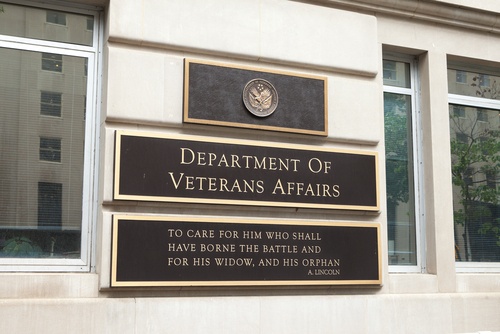
  • The U.S. Department of Veterans Affairs plans to eliminate up to 35,000 health-care jobs.
  • A new video by Home of the Brave exposes harm from these budget cuts.
  • Cuts to VA health care and suicide hotlines put veterans at serious risk.
  • Easton vows to fight until his last breath to defend veterans’ rights and democracy

A 76-year-old Vietnam veteran named Ronn Easton has become the face of a powerful new video. In it, he blasts the current administration for VA cuts that cripple vital services. Moreover, Easton warns that these changes endanger lives of those who once defended our nation.

Why VA Cuts Matter for Veterans

After President Trump returned to office, the VA slashed nearly 30,000 jobs. Now, it plans to cut another 35,000 mostly vacant positions this month. These cuts will affect mental health counselors, suicide hotline staff, and cancer researchers. For many veterans, that means fewer doctors and longer waits for care.

Easton served as an armorer in Vietnam, stepping up after childhood friends died in combat. Today, he lives with PTSD, tinnitus, neuropathy, and diabetes from Agent Orange exposure. He relies on the Veterans Crisis Line himself. Therefore, he knows firsthand how essential these services are.

“This is not what I intended my retirement years to be like,” Easton says. He adds that his oath to defend democracy never expires. In fact, he calls President Trump “the biggest threat to democracy that this country will ever see.” Thus, Easton feels duty-bound to speak out until his last day.

Unexpected Cuts Harm Real People

Budget cuts can sound abstract, but they hit real people hard. When staff disappear, veterans wait longer for appointments. Meanwhile, support lines see fewer counselors answering calls. Consequently, crisis intervention can slow down when it matters most.

Last week, President Trump announced a one-time “veterans dividend” of $1,776. He tied the amount to the 250th anniversary of the Declaration of Independence. However, analysts say the money had already been approved by Congress. It came from a housing allowance fund, not new tariff revenues as claimed. For many veterans, this move felt more like political theater than genuine help.

Easton calls out this misrepresentation in his video. He argues that the administration uses flashy announcements to distract from deep cuts. In doing so, officials ignore the real needs of veterans who depend on VA health care and support hotlines.

Cuts to Medical Research and Cancer Care

VA cuts do more than eliminate jobs. They also slash billions from medical research. For instance, cancer research funding has seen big reductions. That matters because many veterans suffer from cancers linked to Agent Orange. Without adequate funding, new treatments may stall and lifesaving studies slow down.

Easton himself faces cancer risks from herbicide exposure. He points out that cutting research dollars only puts veterans at greater risk. Moreover, he blames leaders like Elon Musk, who once headed a short-lived Department of Government Efficiency. Under Musk’s watch, nearly 15,000 VA employees lost their jobs in a single month. Those cuts starved key programs of vital staff.

Political Attacks on Veterans

Easton first grew angry at Trump in 2016. He watched the then-candidate suggest that veterans with PTSD lacked strength. Easton calls that comment “callous” and disrespectful. Later, Trump attacked Senator John McCain, famously saying, “I like people that weren’t captured.” Such remarks alienated many in the veteran community.

Veterans remember that Trump avoided service during Vietnam. He received five draft deferments. Four were for education and one was for bone spurs in his heels. Many vets question that medical excuse. Meanwhile, Trump bragged about avoiding diseases in nightclubs as his “personal Vietnam.” For Easton, these statements showed a pattern of contempt for veterans.

“I’ve only taken one oath in my life,” Easton reminds us. “There is no expiration date on that oath.” He vows to defend democracy against all threats, domestic or foreign. In his view, harming veterans through budget cuts is a domestic threat. Thus, he uses every platform he can to fight back.

Podcasting for Change

Easton did not stop at the video. This fall, he launched a podcast called Cover Your Six. In military terms, that means “I’ve got your back.” On the show, he hosts veterans to discuss current events and policy issues. He covers topics like racism, social justice, and veteran rights.

His grandmother inspired this activism. She was a civil rights activist with the NAACP in Memphis. She once welcomed John Lewis and Dr. Martin Luther King Jr. into her home. From her, Easton learned that fighting for justice never ends. Therefore, even after a long military career and a health crisis, he remains a warrior.

What’s Next for VA Cuts?

As VA cuts roll out this month, veterans across the country brace for impact. Long waits for mental health care may turn into months. Suicide phone lines may answer fewer calls. Research labs risk halting new studies into Agent Orange–linked illnesses.

However, Easton believes action can still change things. He urges veterans and supporters to raise their voices. He asks them to contact lawmakers and demand a reversal of harmful cuts. He also calls on the public to recognize that veterans need more support, not less.

Moreover, he warns that undermining the VA sets a dangerous precedent. If officials can gut services for veterans, they can cut other programs too. For Easton, this fight links directly to defending democracy. If citizens allow leaders to weaken vital services, more cuts could follow. Therefore, he urges everyone to stay vigilant.

Standing Up for Those Who Served

Vietnam veteran Ronn Easton shows that one voice can spark a movement. His video reminds us that veterans remain on the front lines, even after leaving the battlefield. They need access to health care, crisis lines, and medical research.

In the face of major VA cuts, Easton’s message is clear: defenders deserve defense. He vows to “fight until the day I die.” His fight is not just for himself but for millions of veterans who depend on the VA.

As VA cuts proceed, families and communities must watch closely. They must hold leaders accountable for promises made to those who served. In addition, they must demand that cuts never compromise the health and safety of veterans.

Finally, Easton’s story shows us that service does not end with discharge papers. For him and many others, it means continuing the mission to protect those who once protected us.

FAQs

How will VA cuts affect wait times for veterans?

Cuts can increase wait times by reducing available staff. Veterans may face longer delays for appointments and crisis support.

Why is medical research funding important after VA cuts?

Research funding helps develop treatments for illnesses linked to service, like Agent Orange cancers and PTSD therapies.

What can the public do to oppose harmful VA cuts?

Citizens can contact their representatives, join veteran advocacy groups, and raise awareness on social media.

How does Ronn Easton continue to support veterans?

Easton hosts a podcast, speaks at events, and uses videos to highlight issues and push for better services.

Inside the Intoxication of Power: Why Susie Wiles Spoke Out


Key Takeaways

• Susie Wiles broke her silence in high-profile interviews to share insider views of the Trump White House.
• A New York Times columnist says her move shows the “intoxication of power” at work.
• Wiles revealed gossip about Trump’s mood and called the vice president a conspiracy theorist.
• Her choice to go on record exposes how power can drive even seasoned pros to seek attention.
• This episode offers a clear lesson on how authority can erode restraint and fuel showmanship.

Susie Wiles is one of President Trump’s most trusted aides. Yet she surprised many by openly discussing her boss’s flaws and her colleagues’ quirks. In a series of interviews, she revealed details about Trump’s mood swings and labeled the vice president as a conspiracy fan. These candid remarks broke her usual habit of staying quiet. A New York Times columnist calls her move an example of the “intoxication of power.” He asks why someone so skilled at staying behind the scenes would crave the spotlight.

The Intoxication of Power Revealed

The columnist points out that all leaders and their aides can feel drunk on authority. When you sit at the top, you see how much sway you hold. Over time, that sway can feel like a rush. Even an expert who knows the risks may want to taste it. Susie Wiles has spent years managing campaigns and smoothing over crises. Yet she chose to speak freely. This shows how power can weaken a person’s usual caution.

Moreover, the columnist says the first year of Trump’s return to the White House taught us about democracy’s fragility. He warned us of tribal loyalty and fear. Above all, we learned how potent power can be. Even seasoned staffers fall under its spell. They crave its perks and its glow. In this light, Wiles’s interviews are not just loose talk. They are a case study in the intoxication of power.

Behind the Scenes with Susie Wiles

Susie Wiles earned her reputation by working quietly. She never sought public praise. Instead, she operated in the background. She built her career by fixing problems and advising candidates. When Trump won, she took on a top job in his White House. Her experience made her careful. She knew the cost of scandal and rumor.

However, in her chats with Vanity Fair, she broke from that careful path. She shared that Trump can behave like an alcoholic or lash out suddenly. She also called Vice President Vance a “conspiracy theorist.” For a veteran strategist, these frank remarks were shocking. They suggested she wanted credit for her influence. They showed she, too, savored the feeling of being heard on a big stage.

Gossip and Influence in the Trump Orbit

The Trump administration has seen many unqualified figures in top roles. Yet Wiles is different. She has strong political skills and deep ties. Still, she decided to reveal the inner workings. In doing so, she joined the ranks of self-promoters and cranks who are drawn to Trump. They all share a hunger for attention. They feed off the chaos and the drama.

Her gossip about Trump’s personality and Vance’s beliefs gave readers a peek behind the curtain. It let them see the messy debates and the shifting alliances. It also showed how a powerful aide may feel trapped between loyalty and ambition. She wants to help the president. Yet she also craves recognition for her role.

Why Power Feels Irresistible

If you have power, you feel it keenly. You sense that others depend on you. You notice that your words can move crowds. You enjoy privileges that few can match. This rush can cloud your mind. It can push you to take risks you would never consider otherwise.

That is the essence of the intoxication of power. It makes you believe you are untouchable. You start to think your view of the world is the right one. You may even doubt whether rules apply to you. From time to time, you might seek a chance to show off that power. You might trade discretion for a moment in the limelight.

In Susie Wiles’s case, she could have stayed silent. After all, she is a known fixer. Yet she chose to tell all. She wanted to mark her place in history. She wanted everyone to see that she shaped decisions at the highest level. That urge outweighed her usual caution.

Lessons from Wiles’s Choice

First, power can affect anyone. Even a pro who knows all the risks can fall under its spell. Second, public roles carry a constant temptation to impress. Third, discretion is hard to maintain when the world pays attention. Finally, those who rise to the top must guard against the rush of authority.

Wiles’s interviews remind us how fragile restraint can be. They also show how important it is to balance ambition with humility. In politics, as in life, too much pride can lead to unexpected spills.

Moving Forward

The story of Susie Wiles offers a clear warning. Whenever someone wields great power, they must remain self-aware. They must ask themselves if they are acting out of duty or ego. They must remember that influence comes with responsibility. However tempting it may feel, they should resist the pull of the spotlight.

This episode also matters for the public. Voters and journalists should watch how power affects choices. They should note when praise or criticism comes from genuine concern or from someone seeking notice. By staying alert, they can hold leaders and staffers accountable.

In the end, the intoxication of power touches us all. It shapes the way decisions are made and the way stories are told. Susie Wiles’s candid interviews may fade from memory. Yet the questions they raise will remain. They ask us to consider how authority can reshape a person’s values—and whether we, too, can resist the call of the spotlight.

Frequently Asked Questions

What made Susie Wiles break her usual silence?

After years of working behind the scenes, she might have been drawn by the chance to shape the narrative. The rush of being in the spotlight can be hard to resist.

How does the “intoxication of power” affect leaders and staffers?

It can weaken their caution, fuel their ego, and lead them to take risks they normally would avoid. It also blurs the line between duty and showmanship.

Why did a columnist focus on Wiles’s interviews?

Her candid remarks revealed the inner workings of the Trump White House and highlighted how even skilled professionals can crave attention.

What lesson can the public learn from this episode?

That power carries a constant temptation and that staying attentive can help citizens hold leaders accountable and understand why certain decisions get made.

Trump Sparks Pardon Lobbying Boom


Key Takeaways

• Trump’s pardon choices fueled a sudden rise in pardon lobbying.
• Critics say clemency turned into a pay-for-play scheme.
• A conservative Supreme Court widened executive pardon power.
• This trend may weaken respect for the rule of law.

How Pardon Lobbying Soared Under Trump

Since taking office again, the former president used his pardon power in sweeping ways. On day one, he granted clemency to over fifteen hundred people tied to the Capitol riot. Then he pardoned a major drug trafficker despite his “war on drugs” stance. He even freed a crypto billionaire who had enriched his family by up to a billion dollars. As these high-profile moves grabbed headlines, a new industry emerged: pardon lobbying.

At first, teams of lawyers sought pardons for deserving clients. However, as Trump’s clemency choices grew more political, they shifted tactics. Today, some attorneys pitch pardons like paid favors. They promise access and influence in exchange for big fees. This change turned a mercy power into a commercial hot spot.

Turning a Safeguard into a Transaction

The Constitution grants the president the power to pardon under Article II. Founders saw it as a rare chance to show mercy. Yet critics argue that under this president, clemency now feels like a marketable commodity. Law professor Kim Wehl observed that what began as a safeguard of mercy has become “a tawdry instrument of corruption and grift.”

Moreover, she points out that loyalty, wealth, and ties to power now determine who wins a pardon. In other words, merit and justice took a back seat. Instead, shameless deal-making steals the spotlight.

Why Pardon Lobbying Became a Grift

Pardon lobbying took off because of a simple formula: high demand plus loose rules. First, Trump’s high-profile pardons created hope among those facing serious charges. Next, the lack of clear guidelines on pardons let lobbyists promise more than they could deliver. Finally, a friendly Supreme Court removed many barriers to executive power.

Combined, these factors let attorneys sell influence. Some advertise their close ties to the president. Others charge six-figure fees to prepare pardon packets. As a result, pardon lobbying boomed from coast to coast.

Supreme Court Shifts and Executive Power

Since 2017, the Supreme Court leaned conservative. Those justices have interpreted presidential powers broadly. Consequently, Congress and courts struggle to check pardon abuse. For example, lower courts now hesitate to review clemency decisions. Thus, the president faces little risk when offering controversial pardons.

Furthermore, Congress itself looked largely silent. Members on both sides feared political backlash. Therefore, no real reform steps took shape. In turn, pardon lobbying thrived in a vacuum of oversight.

Real Cases That Fuelled the Boom

Several high-profile pardons showed the system’s new reality. A convicted drug lord walked free. A political activist received clemency. And a tech entrepreneur escaped prison for fraud. Each case added a fresh wave of clients seeking mercy.

Some lobbyists even set up call centers to field pardon requests. They offered tiered packages with added perks. For instance, “fast-track review” or “personal introductions” to Trump allies. Clients paid tens or hundreds of thousands of dollars. Sadly, many never got their pardons. Yet the fees kept rolling in.

What This Trend Means for Democracy

When clemency becomes a business, trust erodes. Citizens lose faith in fair treatment under the law. They see officials selling favors instead of ensuring justice. Over time, this trend risks turning the presidency into a personal ATM.

Moreover, it sends a dangerous message: compliance with laws is optional. Powerful people can simply buy their freedom. Meanwhile, ordinary citizens face harsh penalties. This imbalance undermines the idea that no one is above the law.

Looking Ahead: Can Pardon Lobbying Be Reined In?

Reform advocates call for clearer guidelines on pardons. They suggest requiring public reports on all clemency requests. Others propose campaign finance rules to limit how lobbyists can advertise pardon services. Yet passing such changes faces steep hurdles.

First, presidents guard their pardon power jealously. Second, Congress must agree on new limits. Finally, courts may side with the executive if challenges arise. Unless these obstacles fall, pardon lobbying will likely keep growing.

In the end, a healthy system relies on balance. Mercy must be genuine and based on justice. Otherwise, it risks becoming a tool for the wealthy and well-connected. Will future leaders restore clemency’s true purpose? Only time will tell.

Frequently Asked Questions

What is pardon lobbying?

Pardon lobbying refers to the practice of hiring lawyers or advisers to secure a presidential pardon. It often involves fees and promises of access or influence.

How did pardon lobbying grow under Trump?

Trump’s extensive use of pardons sparked high demand. Combined with a friendly Supreme Court and weak oversight, this demand created a booming pardon lobbying market.

Can Congress limit presidential pardons?

While Article II grants broad pardon power, Congress could pass laws to require reporting on all clemency requests. However, enforcing such rules may face legal challenges.

Does pardon lobbying affect everyday citizens?

Yes. When pardons become a commodity, ordinary people may lose faith in equal justice. The system risks favoring the wealthy and well-connected.

Nicki Minaj Surprises at AmericaFest

0

Key Takeaways:

  • Nicki Minaj praised President Trump and VP JD Vance at the Turning Point USA AmericaFest event.
  • She once criticized Trump’s immigration policies but now calls him a “role model.”
  • CNN panelists wonder if she aims to protect Nigerian Christians or seek a personal favor.
  • Experts say this move could boost her fame and stir social media buzz.
  • Fans and critics debate whether a deeper deal or publicity strategy drove her switch.

Nicki Minaj stepped onto the AmericaFest stage and shocked the crowd. The rapper, known for hits like “Super Bass,” praised President Donald Trump and Vice President JD Vance. She told the audience they showed a “very uncanny ability” to connect with young men. Immediately, viewers remembered her past criticism of Trump’s immigration stance. However, at this conservative gathering, she cheered the leaders as examples for youth. In addition, she mocked California’s governor as “New-scum,” drawing loud applause.

The CNN panel quickly picked up on her change. Sara Fischer from Axios said Nicki Minaj seemed like a single-issue voter. She recalled Minaj’s care for the “bring back our girls” cause in Nigeria. Then host Audie Cornish noted how Minaj pledged to speak up for Christians. They pointed out how the line triggered cheers about America as a Christian nation. Meanwhile, Zachary Wolf asked what deal lay behind her public praise. He even wondered if Trump might act on her behalf.

Why Nicki Minaj Changed Her Stance

Nicki Minaj once slammed Trump’s immigration moves. During his first term, she spoke against policies she called harsh. Yet last month she shared a Trump post on possible Nigeria sanctions. She said she wanted to defend persecuted Christians. Perhaps this issue drove her change more than politics. Moreover, she may hope to pressure Trump into action in Nigeria. At AmericaFest, she made that plea to a friendly crowd.

Some experts believe Minaj seeks a new fan base. For example, faith-focused listeners at AmericaFest may boost her numbers. Others think she hopes for a personal favor. Audie Cornish even mentioned a possible pardon request for a family member. Consequently, every move feeds rumors. In addition, Minaj’s online rap feuds left fans wanting an explanation. This speech only deepened the mystery around her next steps.

The Power Play and Pop Culture

In pop culture, a “heel turn” can spark huge interest. When an artist flips sides, fans pay attention. Nicki Minaj’s shout-out to Trump will go viral on TikTok and Twitter. Viewers will clip her “role model” line and mock the governor jab. Therefore, she reenters the news cycle with a fresh splash. For an artist without a recent chart-topping hit, this is prime publicity.

Furthermore, Trump knows how to turn praise into headlines. Panelists argued he might use this moment to energize his base. Meanwhile, Minaj rides the wave of attention. She gains free coverage that ads or interviews cannot match. Indeed, many pop stars use controversy to stay relevant. Nicki Minaj is no exception. This strategy has worked for others who seek to revive their careers.

What This Means for Her Career

Fans are divided. Some feel betrayed by her support of Trump. Others applaud her for standing by persecuted Christians. Yet many simply enjoy the drama. Social media lights up with memes, reactions, and debates. As a result, Minaj remains at the center of conversation. Even those who dislike her music now watch her closely.

In addition, her beefs with other rappers fuel the talk. She has tangled online with stars who lean left. Now her AmericaFest speech adds another layer. Will those rivals respond? Will her team drop new songs to ride the buzz? More importantly, can she turn this moment into art? All eyes watch for her next move in music and politics.

A Long-Term Strategy or a Momentary Stunt?

Nicki Minaj has been in the spotlight for over a decade. Her 2009 hit “Super Bass” still echoes in playlists. Yet major chart success has slowed in recent years. Consequently, this political pivot might serve as a comeback tool. However, quick stunts often fade as fast as they rise. Thus, she faces a choice. She can follow up with music or let the moment slip away.

Moreover, constant controversy can harm an artist’s brand. While some fans love drama, others seek authenticity. If Minaj returns to her old style without explanation, critics will pounce. On the other hand, she could write a song about this event. That might tie her politics and art together. Either way, this AmericaFest turn will shape her next chapter.

Conclusion

Nicki Minaj’s praise of President Trump at AmericaFest stunned both supporters and critics. Once against his policies, she now calls him and his vice president role models. CNN panelists offered several theories: a push for Nigerian Christian rights, a favor request, or a push for pop relevance. Whatever the reason, the moment cements her back in headlines. Moving forward, fans will watch if she builds on this buzz or retreats from the spotlight.

What drove her shift toward Trump?
Nicki Minaj’s latest support may link to her concern for persecuted Christians in Nigeria. She shared posts about possible U.S. sanctions on Nigeria. At AmericaFest, she said she would speak up for Christians. Beyond that, experts suggest she hopes to revive her public profile or gain a personal favor. The true motive remains unclear.

FAQs

How did social media react?

Social media exploded with clips of her speech. TikTok users created memes around her “role model” line. Twitter debates flared between her fans and critics. Some praised her boldness. Others felt betrayed. Overall, the event will drive online chatter for days.

Will this help her music career?

This stunt could reignite interest in her music. Controversy often brings streams and downloads. However, if she fails to release strong new work soon, the buzz may fade. Fans and industry watchers expect a move—perhaps new songs or a statement to tie her politics and art together.

Could there be more political moves?

Developments could unfold quickly. If she’s pressing Trump on Nigeria, updates might follow. Alternatively, she could attend other political events or endorse candidates. For now, everyone waits to see if this appearance was a one-off stunt or the start of a broader political role.

Inside Trump’s Cost of Living Crisis Claims

Key takeaways:

  • President Trump denies rising costs even as families feel the squeeze.
  • John Casey likens Trump’s stance to Herbert Hoover’s inaction during the Great Depression.
  • Nobel Prize winner Paul Krugman warns MAGA voters are straining under price hikes.
  • Trump plans a prime-time address, likely repeating false prosperity claims.
  • Americans face a deep cost of living crisis this holiday season.

This holiday season, political commentator John Casey accused President Trump of ignoring a growing cost of living crisis. In an opinion piece, Casey argued that Trump’s claims of falling prices clash with what people see in their bills. Meanwhile, Nobel laureate Paul Krugman added his voice in a newsletter, saying the economy was stronger before Trump took office. Together, these critiques paint a picture of a leader out of touch with everyday struggles.

Why Trump’s Cost of Living Crisis Claims Fall Flat

Casey highlighted how Trump dismissed warnings from key job and inflation reports as mere “messaging problems.” Instead, the president described economic hardship as a Democratic hoax. He even said gas prices were falling when they kept rising. By ignoring these facts, Trump echoes Herbert Hoover’s refusal to act during the Great Depression. Hoover’s inaction led to unemployment, hunger, and hardship on a massive scale.

Indifference to Rising Costs

John Casey wrote that Trump’s governing style shows “moral failure.” He argued the president treats economic pain as a communications issue rather than a real crisis. As a result, families nationwide scrape together paychecks just to cover rent and groceries. In many states, rising costs pose a bigger threat to reelection than any rival campaign.

Lessons from the Great Depression

Casey drew a direct line between Trump’s approach and Hoover’s failings. In the 1930s, Herbert Hoover refused broad federal aid even as millions went hungry. Consequently, the nation suffered soaring unemployment and widespread poverty. Casey warned future historians might judge Trump’s inaction just as harshly if cost pressures grow worse.

A Nobel Voice on Economic Pain

Paul Krugman weighed in on Twitter and his newsletter with sharp criticism. He noted that when Trump took office, unemployment was lower and job growth was faster. Inflation was already trending down. Yet radical policy moves—like steep tariffs and big tax cuts for the wealthy—hurled the economy off balance. Meanwhile, benefits cuts for middle and lower-income families deepened the squeeze on household budgets.

Krugman added that even the most loyal MAGA voters struggle to deny rising bills. High food, housing, and energy costs are impossible to spin away. Therefore, he said, it strains credulity to claim we still live in “Biden’s economy.”

The Coming Gaslight Speech

Looking ahead, Krugman predicted Trump would give a prime-time address claiming a booming economy. However, most Americans know their paychecks buy less than before. As a result, the president’s rhetoric may deepen the divide between political messaging and reality.

Pressure on the MAGA Base

Economic hardship is taking a toll on Trump’s base. In places where margins are tight, every grocery price spike risks flipping a vote. Political analysts now watch price indexes as closely as they watch polls. Indeed, families facing costly winters demand real relief over optimistic talking points.

Calls for Federal Action

In response to the cost of living crisis, some lawmakers urge more federal help. Proposals include expanding food assistance, capping rent, and boosting energy support. Yet the administration resists large-scale intervention. Instead, it promises market forces will correct themselves soon.

What Comes Next?

The debate now hinges on data versus speeches. Critics warn ignoring families’ pain is a risky political bet. Supporters argue minimal intervention will let the economy self-heal. But with holiday bills due and heating costs climbing, millions want swift action. Consequently, every White House statement faces intense scrutiny.

In the end, key voices say Trump’s refusal to face rising prices risks repeating past mistakes. As winter deepens, Americans will watch closely for real solutions to their cost of living crisis.

Frequently Asked Questions

What comparisons did John Casey make between Trump and Hoover?

Casey argued that Trump, like Hoover, refuses to act on widespread suffering. He said both leaders treated real pain as a mere communications problem.

How has the economy changed since Trump took office?

According to Paul Krugman, unemployment was lower and inflation was trending down before Trump’s term. He says Trump’s policies have since worsened conditions.

What federal actions do critics recommend?

Critics call for more food aid, rent controls, and energy assistance to help families facing steep price hikes.

Why might Trump’s base feel the economic pinch?

Even loyal supporters struggle as grocery, housing, and heating costs rise. This pressure could weaken their support if no relief arrives.

Why Are the Epstein Files Still Missing?

0

Key Takeaways:

  • Eighteen survivors demand that Congress enforce the Epstein files law.
  • The DOJ released only a small portion of its Epstein files.
  • The law requires a full release with minimal redactions.
  • Survivors want oversight, hearings, and legal action.
  • They seek to hold the attorney general in contempt

On Friday, the Justice Department made public a small part of its Epstein files. Survivors of Jeffrey Epstein say this falls short of the new law. Eighteen survivors issued a joint statement. They urged Congress to act right away. They want real transparency and full access to all Epstein files. They argue the rule of law depends on it.

Survivors Demand Transparency

First, the survivors spoke out with one clear voice. They said the department failed to meet its legal duty. The joint statement calls on Congress to hold hearings. It asks for formal demands to push for compliance. They want legal action if the Justice Department still withholds Epstein files. In addition, they demand that the law protects victim privacy. They stress that some redactions did not follow the new rules. Above all, they insist that survivors deserve the truth now.

What the Law Required

The Epstein Files Transparency Act took effect recently. It ordered the Justice Department to release all Epstein files. In fact, the law required minimal redactions to protect privacy. It did not allow hiding key documents. It did allow only basic measures to shield victim names. Therefore, the public could review the Epstein files in full. Congress designed the act to end secret delays and hidden evidence. It aimed to give survivors and the country a clear view of the case.

Where the DOJ Fell Short

However, the Justice Department did not follow these rules. Instead, it released only a small fraction of its Epstein files. It withheld hundreds of thousands of documents. Moreover, it made redactions beyond what the law permits. Even worse, the department accidentally revealed one victim’s identity. Survivors now fear that other mistakes are hidden in the redactions. They worry that the department is still keeping critical evidence secret. Meanwhile, the Justice Department has offered no clear plan to fix its errors.

Calls for Congressional Action

Now, survivors turn to Congress for help. They ask lawmakers from both parties to push the Justice Department. They want immediate oversight to enforce the Epstein Files Transparency Act. In addition, they demand public hearings to examine the failures. They also want formal demands to force the department to comply. Finally, they urge legal action if the department does not meet its duty. They say this is not a partisan battle. They need action across party lines to uphold the law.

Potential Legal Consequences

Survivors and some lawmakers warn of serious consequences. They consider holding the attorney general in contempt of Congress. Such a move could trigger court battles or fines if she still resists. They also plan to pursue lawsuits to force full release of the files. In addition, they could seek court orders to lift improper redactions. Meanwhile, survivors say they know of other Epstein-related files. They believe these files should be in the Justice Department’s hands. They have not released those files yet, but they warn they might share them later.

What Comes Next

In the coming days, Congress will decide how to respond. Lawmakers may call for urgent hearings on the missing Epstein files. They could issue formal letters demanding the department meet its obligations. If the Justice Department fails to act, Congress might vote to hold the attorney general in contempt. In the meantime, survivors continue to gather evidence. They hope their actions will convince the department to release all remaining files. Ultimately, they want full transparency without any more delay.

Survivors Deserve Truth and Protection

Survivors of Jeffrey Epstein have waited too long for justice. They call on Congress to uphold the rule of law. They demand the Justice Department fully obey the Epstein Files Transparency Act. They want clear answers, not more hidden records. In addition, they ask that their privacy stay intact. Above all, they seek accountability and fairness for all.

FAQs

What are the Epstein files?

The Epstein files are documents held by the Justice Department. They include case notes, interviews, and other evidence on Epstein’s crimes. The Epstein Files Transparency Act required these files to be public.

Why did the DOJ not release all the files?

The Justice Department said it needed more time to review the files. However, survivors say the department went beyond allowed redactions. They also accuse the department of withholding documents without legal basis.

What does the Epstein Files Transparency Act do?

The act demands the full release of all Epstein-related documents. It limits redactions to only protect victim identities. The law aims to give survivors and the public full access to the case files.

What could Congress do next?

Congress can hold hearings, issue formal demands, and vote to hold the attorney general in contempt. Lawmakers can also push for court orders to force the department to release all files. Ultimately, they can use both oversight and legal tools to enforce the law.

Krugman Exposes Trump’s Economic Gaslighting

0

Key takeaways

  • Nobel economist Paul Krugman says Trump is gaslighting Americans on jobs and living costs.
  • Krugman labels this economic gaslighting because Trump’s boasts clash with real data.
  • Trump’s tariffs failed to cut the trade deficit and did not create the promised factory jobs.
  • Political commentator John Casey adds that Trump avoids hard truths, risking worse economic damage.
  • Voters may face higher prices and weak job growth because of ongoing policy errors.

President Trump frequently boasts about a booming economy. However, Nobel Prize winner Paul Krugman argues those claims hide serious failures. In his Substack, Krugman calls out what he calls economic gaslighting. In simple terms, this means presenting false success stories to distract from real problems. According to him, Trump’s speeches on job growth and price cuts simply do not add up.

Why Krugman Calls It Economic Gaslighting

First, Krugman points out that the president’s “manly jobs” plan flopped badly. Trump tried to use steep tariffs to revive old manufacturing jobs. He promised to slash trade deficits and attract factories back to America. Yet, those results never arrived. Moreover, instead of lowering prices, tariffs pushed costs up for companies and consumers.

Krugman writes that Trump’s team made two big mistakes. They did not do the math. They also ignored how modern trade really works. As a result, the expected jobs never appeared. For Krugman, pretending those policies succeeded is pure economic gaslighting. He warns that voters will see through such misleading claims.

The Toll of Economic Gaslighting on Jobs

Krugman argues that the tariffs failed to lower the trade deficit. In fact, the deficit rose in the first nine months of this year versus last year. Why? Because today’s global supply chains differ from those in the McKinley era that Trump often praises. Steel and aluminum tariffs, for instance, led U.S. firms to pay more or move production abroad. Workers did not return. Instead, factories cut shifts or closed.

Thus, job growth in manufacturing stayed weak. Meanwhile, other sectors saw slow hiring. According to official data, U.S. manufacturing jobs barely budged. Yet Trump sounded triumphant in public. He claimed America had “the hottest economy in world history.” Krugman calls that rhetoric a classic case of economic gaslighting.

Tariff math also failed to consider costs. Tariffs act like a tax on imports. Businesses pass that tax on to customers. As a result, everyday goods like appliances and clothes became pricier. Families felt the squeeze. Yet Trump blamed outside forces, not his own policy. Krugman says that spin misleads Americans and hides real responsibility.

How the Cost of Living Crisis Fits In

Beyond jobs, Krugman notes that Trump’s team has also spun the cost of living issue. Prices rose sharply after the pandemic. High energy and food bills hurt many households. Even so, Trump declared victory as if inflation vanished. Meanwhile, too few people noticed his economic policies kept prices elevated.

By avoiding tough data, Trump’s speeches gloss over higher grocery and gas bills. He insists the economy is thriving, even when many struggle. Krugman calls this part of the same economic gaslighting pattern. He warns that bragging on “nonexistent success” will not fool voters for long.

Tariffs did not just affect manufacturing. They also pushed up costs for auto parts, electronics, and even agricultural supplies. Farmers paid more for fertilizer and machinery. Urban and rural families both felt the pinch. In fact, inflation-adjusted wages barely kept pace with rising costs.

Peter Navarro, Trump’s former trade adviser, once claimed tariffs would bankroll new jobs. However, Navarro never shared firm estimates on how many jobs to expect. Krugman stresses that failure to “do the math” allowed hollow promises to take hold. This lack of planning deepened the cost of living crisis, while the president called every setback a foreign plot.

A Voice on the Sidelines: John Casey’s Take

Political commentator John Casey adds his view on Trump’s economic style. He says the president fears facing reality. According to Casey, Trump bypasses hard choices, often letting deadlines pass or protections lapse. Meanwhile, he insists “things won’t be that bad” despite evidence to the contrary.

Casey argues that style carries real risks. Lower border security protections, for example, can strain public finances. Ignored deadlines on aid packages leave families and small businesses in limbo. Though Trump downplays setbacks, Casey warns those gaps take a steep toll over time.

Taken together, Krugman and Casey paint a picture of a leader who shies from detailed planning and honest talk. They claim this style creates more problems than it solves. In fact, prolonged tax and tariff fights may erode job growth and drive prices even higher. Yet Trump’s speeches keep promising turnaround stories. That blend of ambition and denial is what these experts call economic gaslighting.

What Comes Next for the Economy?

As the next election approaches, voters will judge economic performance. Will people accept upbeat speeches or look at paychecks and bills? Krugman believes the data will speak louder than rhetoric. If jobs and inflation remain stubbornly weak, Trump’s claims will lose credibility.

Furthermore, if trade deficits stay high and costs keep rising, consumers may demand change. A shift in policy, such as cutting tariffs or boosting spending on green tech, could help. However, any new plan needs solid numbers and honest talk. Otherwise, critics will call it more economic gaslighting.

Meanwhile, Casey highlights the human side of policy delays. Families depend on timely aid and clear rules. School districts, hospitals, and small businesses need certainty. Each missed deadline or lapsed rule adds stress. Over time, these gaps could shape voters’ decisions more than a flashy speech.

In short, both the data and public mood matter. A plan backed by facts and honest projections can restore trust. In contrast, endless boasting without proof only deepens doubt.

Conclusion

Donald Trump’s economic record remains hotly debated. Nobel economist Paul Krugman and commentator John Casey agree on one point: positive spin cannot hide policy flaws. Krugman labels misleading claims economic gaslighting. Casey warns that avoiding reality brings real harm. As Americans assess job numbers and price tags, they may demand more truth and less hype.

Frequently Asked Questions

What is economic gaslighting?

Economic gaslighting is when a leader uses misleading or false claims to hide real economic problems. It aims to shift blame and distract from policy failures.

Did Trump’s tariffs cut the trade deficit?

No. Data shows the U.S. trade deficit grew in the first nine months of this year compared to last year, despite steep tariffs.

How did tariffs affect everyday prices?

Tariffs act like taxes on imported goods. Companies often pass those costs to consumers, driving up prices for items like clothing, electronics, and farm supplies.

What can policymakers do to restore trust?

They can present clear data, set realistic goals, and explain tradeoffs openly. Honest talk and solid math help build credibility.