62.6 F
San Francisco
Thursday, May 14, 2026
Home Blog Page 1004

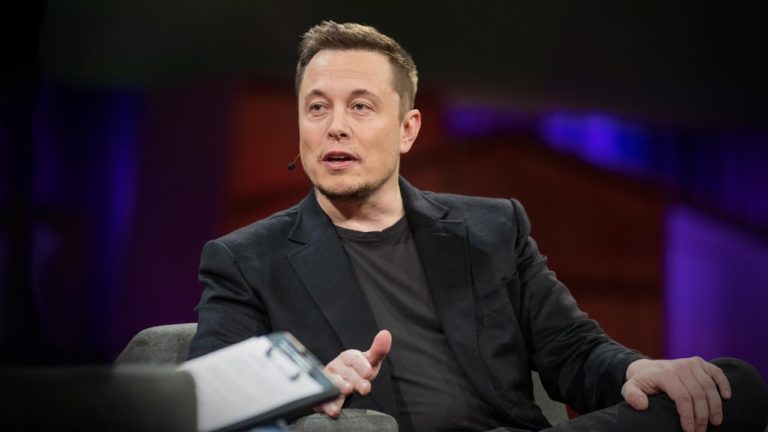
Elon Musk’s $2M Wisconsin Election Scam Sparks Legal Storm

0

Key Takeaways:

  • Elon Musk is offering $2 million to Wisconsin voters in a Supreme Court election.
  • This act is accused of violating Wisconsin’s election bribery law.
  • Critics, including the Democratic Party, call for Musk’s arrest and legal action.
  • The move is seen as an attempt to influence the election in favor of Brad Schimel.

Elon Musk’s Controversial $2M Offer in Wisconsin Election

Elon Musk has recently announced a controversial plan to award $2 million to two voters in Wisconsin’s Supreme Court special election. This move has sparked intense legal and ethical debates, with many accusing Musk of attempting to buy votes, a practice that is illegal under Wisconsin law.

The Illegality of Musk’s Scheme

Wisconsin’s election bribery law prohibits offering money or incentives in exchange for votes. Legal experts argue that Musk’s $2 million offer violates this law, as it directly incentivizes voting in a specific way. Nonpartisan election experts and the Wisconsin Democratic Party have expressed strong concerns, labeling this act as illegal and akin to a lottery scam.

Call for Accountability: Democratic Party’s Stance

Ben Wikler, Chair of the Wisconsin Democratic Party, has condemned Musk’s actions, stating that he has committed a felony by using money to influence votes for Brad Schimel. Wikler emphasizes that such actions undermine democracy and the rule of law, urging immediate legal consequences for Musk. He also calls on Schimel to disavow Musk’s involvement, suggesting complicity if Schimel remains silent.

Wikler advocates for Musk’s arrest upon entering Wisconsin, stressing the need to hold him accountable. This, he believes, would deter other billionaires from similar tactics in future elections.

Broader Implications: Safeguarding Election Integrity

The situation highlights the broader issue of election integrity and the influence of wealth in politics. If left unchecked, such practices could set a dangerous precedent, encouraging others to attempt similar strategies. The integrity of elections depends on preventing any form of vote-buying, ensuring that every vote is cast freely without external pressure or incentives.

Conclusion: The Need for Legal Action

Elon Musk’s $2 million offer in Wisconsin’s election has ignited a firestorm of legal and ethical criticism. As the situation unfolds, the focus remains on whether authorities will take action against Musk and how this case might influence future elections. The outcome could set a significant precedent in the fight against election interference and the preservation of democratic processes.

This incident serves as a reminder of the challenges in maintaining fair elections and the continuous effort required to protect the integrity of the electoral system. The engagement of readers in discussing such issues can foster greater awareness and participation in safeguarding democracy.

Trump’s Approval Ratings Plummet as Voter Support Wanes

0

Key Takeaways:

  • President Trump’s approval ratings have dropped significantly among black voters.
  • Support from younger generations like Gen Z and Millennials is also declining.
  • Trump’s approval ratings across different age groups are at their lowest since his first term.

Introduction: The Myth vs. Reality

The media has been buzzing with claims that black voters are flocking to the Republican Party, but recent data paints a different picture. President Trump’s approval ratings, especially among black voters, have seen a steep decline since his inauguration. This shift contradicts the narrative that there’s a mass migration of black voters to the GOP.


Approval Ratings Take a Dive

Polls show that Trump’s approval ratings have dropped by 27 percentage points among black voters. Currently, 72% disapprove of his performance, compared to 24% who approve. This significant drop indicates a growing dissatisfaction with his policies and actions.


Generational Divide: A Closer Look

Gen Z: Trump’s approval rating among Gen Z has hit a low of -17. This generation is increasingly critical, reflecting a trend of younger voters moving away from his policies.

Millennials: Millennials, once more supportive, now hold a neutral view, with equal numbers approving and disapproving. This shift from a 22-point favorable rating in January is notable.

Gen X and Baby Boomers: While their disapproval is less dramatic, Trump’s ratings with these groups are still underwhelming. Gen X is at -2, and Baby Boomers at -4, showing a decline in support across the board.


Why the Narrative Doesn’t Hold

The idea that black voters are moving to the GOP doesn’t align with the numbers. The data shows a clear decline in Trump’s approval, challenging the mainstream media’s claims. This disconnect highlights the importance of relying on data rather than anecdotes or biased reporting.


Looking Back: A Familiar Pattern

Trump’s current ratings mirror those from his first term eight years ago. This deja vu suggests a recurring pattern of initial support followed by declining approval as his term progresses.


Conclusion: The Impact Ahead

The decline in support across diverse groups signals potential challenges for Trump’s presidency. As dissatisfaction grows, especially among younger voters, it may indicate broader issues with his policies and leadership style. The data underscores the need for a closer examination of the narratives surrounding voter shifts, emphasizing the importance of objective analysis over media hype.


Trump’s declining approval ratings across various demographics present a challenging landscape for his administration. As the numbers continue to drop, it remains to be seen how this trend will evolve and impact his political future.

Florida’s New Labor Plan: Kids Replace Immigrant Workers

0

Key Takeaways:

  • Florida faces labor shortages after anti-immigrant laws pushed workers out.
  • New laws aim to let kids work more, replacing immigrant labor.
  • Critics warn of exploitation and poor timing amid child labor concerns.
  • Other Republican states are making similar changes.
  • Cuts to social programs may force families to send kids to work.

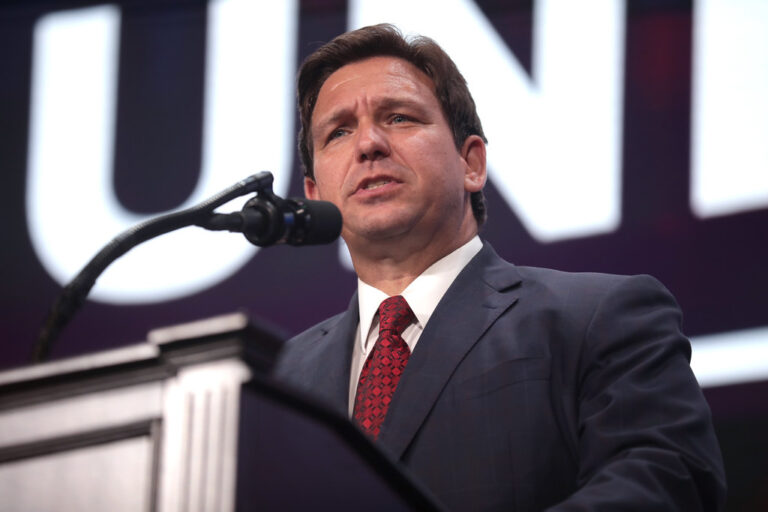
Florida is dealing with a labor crisis. After strict anti-immigrant laws caused worker shortages, Governor Ron DeSantis and Republicans have a controversial solution: hiring more kids.

What’s Changing for Young Workers? New laws in Florida would let school-age children work overnight, remove time limits for homeschooled teens, and end meal breaks for older teens. Backers argue this fills labor gaps left by immigrants.

Critics Say Timing is Terrible Last year, a shocking report revealed immigrant children were exploited in U.S. factories. Instead of strengthening protections, Florida is rolling them back, critics say. This could hurt vulnerable kids.

A Bigger Trend Across the U.S. States like Arkansas are also changing child labor rules. This trend reflects a national push to curb immigration, even if it means putting more kids in workplaces.

Families May Suffer More Planned cuts to Medicaid and food aid could leave families struggling. Without support, more kids might have to work to help their families survive.


This plan is sparking debate. Supporters see it as a practical fix, but critics worry it exploits kids. As Florida moves forward, the impact on young workers remains a big concern.

Law Firms Unite Against Trump’s Tactics

0

Key Takeaways:

  • Over 60 bar associations oppose Trump’s targeting of judges and law firms.
  • Trump’s executive orders aim at specific law firms, affecting their businesses.
  • Legal experts criticize firms for not standing against government pressure.
  • The legal community calls for unity to support the rule of law.

The Growing Backlash Against Government Overreach

In a bold move, a coalition of bar associations and legal groups is standing up against President Donald Trump and the Republican Party’s tactics targeting judges and law firms. This united front is a significant response to what many see as an attempt to undermine judicial independence and legal representation.

What’s At Stake: Trump’s Actions Spark Concern

President Trump has been using executive orders to target specific law firms, including Jenner & Block, Perkins Coie, and Paul, Weiss. These firms have been singled out for their connections to high-profile cases, such as the Russia investigation. The impact is real—some lawyers have lost their security clearances, hindering their work with certain clients.

The letter from the American Bar Association emphasizes the importance of legal rights and the judiciary’s independence. It rejects government punishment of lawyers and judges, calling such actions a threat to justice.

The letter urges all legal professionals to speak out against intimidation. It reminds lawyers of their oath to uphold the law, regardless of government pressure. This call to action is a strong statement in defense of the rule of law.

Reactions Pour In: Experts Weigh In

Legal expert Marc Elias criticizes law firms that yield to pressure, questioning their commitment to their professional oath. Others, like economist Georg Weizsäcker, praise the bar associations for taking a stand, emphasizing the importance of their collective action.

The Fight Continues: Growing Support

The movement is gaining momentum, with more bar associations joining the cause. This growing support signifies a united legal community determined to protect judicial integrity and legal representation.

Conclusion: The Ongoing Battle for Justice

The legal community’s response highlights the critical issue of government overreach and the importance of upholding the rule of law. As the situation evolves, the unity of lawyers and judges remains crucial in safeguarding justice and fairness.

Trump Withdraws Stefanik’s UN Nomination Amid Election Worries

0

Key Takeaways:

  • Rep. Elise Stefanik will no longer be nominated for UN Ambassador.
  • Trump cites concerns over maintaining the House majority as the reason.
  • Democrats are showing strength in Florida’s special elections.
  • Political analysts suggest Republicans are nervous about losing ground.

Introduction: In a surprising move, President Trump has withdrawn Rep. Elise Stefanik’s nomination for UN Ambassador. This decision, made on Thursday, highlights growing concerns about maintaining Republican control in the House of Representatives. With key special elections looming in Florida, Trump’s strategy shift underscores the delicate political landscape.

Why Trump Withdrew the Nomination: Trump’s decision stems from fears of losing Stefanik’s House seat, which could jeopardize the slim Republican majority. By keeping Stefanik in Congress, Trump aims to preserve their fragile grip on power. Critics argue this move reveals vulnerability, as Republicans scramble to retain control amid challenging election scenarios.

The Florida Factor: Meanwhile, Florida’s upcoming special elections in two traditionally red districts have Democrats optimistic. They are outperforming Republicans in fundraising, signaling potential upsets. Analysts like Jim Messina suggest Republican anxiety is palpable, as they face unexpected competition in strongholds once considered safe.

Political Reactions: Reactions to Trump’s decision vary. Sen. Susan Collins expressed disappointment for Stefanik, believing she would have been confirmed easily. Others, like Rep. Veronica Escobar, saw it as a sign of democratic momentum. Experts and lawmakers are divided on the implications, reflecting the tense political climate.

Conclusion: Trump’s withdrawal of Stefanik’s nomination illustrates the high stakes of the current political landscape. As the Florida elections approach, the decision may signal broader shifts in voter sentiment. With control of Congress hanging in the balance, every seat counts, and both parties are pulling out all stops to secure their positions. This move by Trump could be a turning point, setting the stage for a potentially historic election outcome.

Senate Rolls Back Rule on Overdraft Fees: Banks Can Charge More

0

Key Takeaways

  • The U.S. Senate passed a resolution to overturn a rule capping overdraft fees at $5.
  • Banks may now charge higher fees to customers who overdraft their accounts.
  • The move is part of a broader debate over consumer protections and banking practices.

What Just Happened?

On Wednesday, the U.S. Senate took a significant step that could cost bank customers more money. Senators voted along party lines to advance a resolution that overturns a rule intended to limit overdraft fees. This rule, created by the Consumer Financial Protection Bureau (CFPB) under the Biden administration, aimed to cap overdraft fees at $5. But now, that cap is in jeopardy.

The resolution was introduced by Sen. Tim Scott (R-S.C.), who leads the Senate Banking Committee. Supporters of the resolution argue that the CFPB overstepped its authority when it set the $5 cap. They say this decision should be left to banks and their customers.

What Does the Rule Do?

The CFPB’s original rule was designed to protect consumers from being charged excessive overdraft fees. Overdraft fees happen when someone spends more money than they have in their bank account. For years, banks have charged high fees for this, often $30 or more per overdraft.

Under the CFPB’s plan, these fees would have been capped at $5 starting later this year. The idea was to make banking fairer, especially for people who struggle financially. But now, with the Senate’s vote, that cap may never go into effect.

Banks and Consumers React

Banks have long argued that overdraft fees are a necessary part of their business. They say these fees help cover the costs of managing accounts and providing services. Supporters of the Senate resolution claim that limiting these fees would hurt banks’ ability to serve their customers.

On the other hand, consumer advocates are deeply concerned. They argue that overturning the $5 cap will harm people who are already living paycheck to paycheck. High overdraft fees can quickly add up, making it harder for people to get back on their feet.

A Growing Debate

This vote is part of a larger fight over consumer protections in banking. Republicans often criticize the CFPB for being too aggressive in regulating banks. They say the agency’s rules stifle competition and make it harder for banks to operate.

Democrats, however, argue that the CFPB plays a vital role in protecting everyday people from unfair practices. They say the $5 cap on overdraft fees was a common-sense measure to prevent banks from taking advantage of vulnerable customers.

What’s Next?

The Senate’s vote is just the first step. The resolution now heads to the House of Representatives for a vote. If it passes there, it will go to President Biden’s desk. The White House has signaled that Biden would likely veto the resolution, but it’s unclear whether Congress can muster enough votes to override a veto.

For now, the future of overdraft fees remains uncertain. One thing is clear: this decision could have major consequences for millions of Americans who rely on banks for their financial needs.

The Bottom Line

The Senate’s move to overturn the $5 overdraft fee cap is a win for banks but a potential loss for consumers. As the debate continues, one question remains: Will lawmakers prioritize the interests of big banks or the people they serve? Only time will tell.

Ghibli-Style AI Memes Spark Fun and Controversy: Here’s What You Need to Know

0

Key Takeaways:

  • OpenAI’s new image generator on ChatGPT is creating viral Studio Ghibli-style memes.
  • The trend has raised questions about copyright infringement.
  • Studio Ghibli’s legendary director Hayao Miyazaki has criticized AI technology in the past.
  • OpenAI is facing lawsuits over using copyrighted material without permission.
  • The company is lobbying to expand fair use laws to cover AI-generated content.

The Rise of Ghibli-Style AI Memes

OpenAI’s latest update to ChatGPT introduced a powerful new image generator. Since its release, users have been creating and sharing thousands of images in the iconic style of Studio Ghibli, the beloved Japanese animation studio behind films like My Neighbor Totoro and Princess Mononoke. These AI-generated images have quickly gone viral, captivating fans worldwide.

The memes range from playful to provocative. For example, one image shows Elon Musk and Donald Trump in a Ghibli-inspired scene, while another reimagines The Lord of the Rings in the studio’s signature style. Even the White House joined the trend, posting a Ghibli-style image on social media.

The unexpected success of the new feature has surprised even OpenAI’s CEO, Sam Altman. Initially, the tool was meant to be free for everyone, but due to its popularity, it’s now limited to paid users.


While the memes are entertainment gold, they’ve also raised serious questions about copyright infringement. OpenAI is already facing multiple lawsuits over its use of copyrighted material without permission. The company’s latest feature has only fueled the debate.

Studio Ghibli’s intellectual property is at the heart of the issue. The studio’s unique artistic style is instantly recognizable, but does using it for AI-generated images count as copyright infringement? OpenAI argues that its tool allows users to create original content inspired by broader studio styles, which is different from copying individual artists’ work.

A spokesperson for OpenAI said, “Our goal is to give users as much creative freedom as possible while respecting artists’ rights. We’re still refining our policies and learning from user feedback.”


Miyazaki’s Scathing Take on AI

The trend has also brought attention to a 2016 video of Hayao Miyazaki, Studio Ghibli’s legendary director. In the clip, Miyazaki strongly criticizes AI technology, calling it an “insult to life itself.” His comments have resurfaced online, sparking a heated debate about the ethics of AI-generated art.

Illustrator Jayd Ait-Kaci tweeted, “This trend is especially insidious because Miyazaki has been so vocal about his contempt for AI. It’s always about disrespecting artists.”


OpenAI’s Push for Fair Use

OpenAI is actively lobbying the U.S. government to expand the fair use doctrine, which currently allows limited use of copyrighted material for purposes like satire, memes, and education. If successful, this would give AI companies more freedom to use copyrighted content without permission.

The company’s efforts coincide with its impressive growth. OpenAI is reportedly close to securing a $40 billion funding round, the largest ever for a startup. By 2025, it predicts its annual revenue could exceed $12.7 billion, up from $3.7 billion in 2024.


The debate over AI-generated content highlights a broader challenge: balancing creativity with copyright protection. On one hand, tools like OpenAI’s image generator enable users to express themselves in innovative ways. On the other hand, they risk undermining the rights of creators whose work inspires these new creations.

As AI technology continues to evolve, companies like OpenAI will need to navigate this complex issue carefully. The outcome could shape the future of art, entertainment, and technology for years to come.

Selena’s Killer Denied Parole After Nearly 30 Years

0

Key Takeaways:

  • Yolanda Saldivar, who murdered Selena in 1995, was denied parole.
  • Selena was a rising star in Tejano music, on the brink of mainstream success.
  • The murder occurred over financial discrepancies in Selena’s fan club and boutique.
  • Saldivar will be eligible for parole again in 2030.
  • Selena’s family expressed relief, emphasizing justice for Selena’s legacy.
  • Selena’s impact on music earned her a Grammy and a Hollywood star.

Who Was Selena? Selena Quintanilla Perez, known simply as Selena, was a vibrant star in the Tejano music scene, blending Texan and Mexican sounds. At 23, she was on the verge of stardom, captivating fans with her talent and charisma. Her music transcended cultural boundaries, making her a beloved figure in the Mexican-American community.

The Tragic Incident On March 31, 1995, Selena’s life was tragically cut short in a Corpus Christi motel. Yolanda Saldivar, her fan club president and employee, fatally shot her. The confrontation arose from missing funds, highlighting a tragic end to a promising career. Selena’s final words identified Saldivar, leaving a community in shock.

Parole Decision Nearly three decades later, the Texas Board of Pardons and Parole denied Saldivar parole, citing the brutality of the crime and ongoing threat to public safety. The decision reflects the gravity of the offense, with Saldivar’s next review set for 2030. This ruling brings a sense of justice to Selena’s family and fans.

Family Reaction Selena’s family welcomed the decision, finding solace in the continued recognition of Selena’s legacy. Her widower, Chris Perez, and family emphasized that while nothing can bring Selena back, justice prevails, honoring her enduring memory.

Selena’s Lasting Legacy Despite her untimely death, Selena’s influence endures. A Grammy winner in 1993, she posthumously received another in 2021. Her star on the Hollywood Walk of Fame in 2017 celebrates her enduring impact. Selena’s story is one of talent, resilience, and a legacy that continues to inspire.

This article captures the essence of Selena’s story, highlighting her impact and the justice her family sought. It serves as a tribute to her enduring legacy, ensuring her memory lives on.

VP Vance’s Greenland Visit Sparks Debate Amid Tensions

0

Key Takeaways:

  • Vice President J.D. Vance is visiting Greenland with his wife, Usha, despite local opposition.
  • The visit comes after President Trump’s controversial remarks about U.S. control.
  • The couple’s plans shifted from a dogsled race to a remote space base, drawing laughs.
  • Strategic concerns about Russia and China’s influence are cited as reasons for the visit.
  • Critics highlight Greenland’s autonomy, emphasizing it has its own government.

The world is watching as Vice President J.D. Vance and his wife, Usha, make an unexpected trip to Greenland, a journey that’s causing quite a stir. Initially, Usha was set to attend a dogsled race with one of their sons, but now they’re heading to a remote space base instead. This change of plans and the timing of their visit have sparked curiosity and criticism. But why is this trip so contentious?

A Visit Under Question

Greenland, an autonomous territory within the Kingdom of Denmark, is less than thrilled about the Vances’ visit. This cool reception comes on the heels of President Trump’s remarks suggesting U.S. interest in controlling the island, which hasn’t gone down well with the locals. Despite this, VP Vance is framing the visit in a positive light, saying he’s excited to join his wife and share the fun she was going to have. However, this explanation has raised eyebrows, with some wondering if the real motivation is to divert attention from a different issue.

CNN Panel Weighs In

On CNN, host Audie Cornish and her panel, including Rob Bluey, discussed the visit. Cornish humorously pointed out the abrupt change from a festive dogsled race to a remote space outpost, prompting chuckles from the panel. She then questioned if Vance’s visit was a tactical move to distance himself from a recent scandal involving leaked military secrets on a private chat app.

Bluey offered a different angle, suggesting the trip is about strategic interests. He noted Greenland’s importance in the Arctic, where Russia and China are increasing their influence. Bluey argued that the U.S. is keen on securing access to key shipping lanes and natural resources, which Greenland possesses in abundance. However, Cornish quickly reminded everyone that Greenland has its own government, suggesting the U.S. shouldn’t overlook their autonomy.

A Strategic Move or a Distraction?

VP Vance’s visit is being viewed through two lenses. On one hand, it could be a strategic move to strengthen U.S. interests. On the other hand, critics wonder if it’s a PR maneuver. The shift from a cultural event to a space base visit adds to the intrigue, making many question the true motives behind this trip.

The Bigger Picture

Beyond the politics, this visit highlights the growing importance of the Arctic region. As ice melts due to climate change, new trade routes and resource opportunities emerge, drawing interest from global powers. This explains why the U.S. is keen on maintaining influence in areas like Greenland, despite local resistance.

Conclusion: A Visit of Many Questions

VP Vance’s trip to Greenland is a story of many layers—strategic interests, political tactics, and cultural dynamics. As the visit unfolds, the world watches to see if it will ease tensions or deepen them. One thing is clear: Greenland’s role on the global stage is more significant than ever, and how the U.S. navigates this will be closely watched. For now, the debate continues on whether this visit is a step forward or a misstep in international relations.

Trump’s Shocking Arrest of Turkish Student Sparks Outrage

0

Key Takeaways:

  • Turkish national Rumeysa Ozturk, a Tufts University PhD student, was detained by masked DHS agents.
  • The arrest was caught on video, showing agents surrounding and taking her from the street.
  • Rachel Maddow criticized the Trump administration, calling the act authoritarian.
  • Ozturk had written an op-ed criticizing the war in the Middle East.
  • Thousands protested, demanding her release after the sudden arrest.

A Shocking Arrest Caught on Video

In a chilling scene captured on a doorbell camera, masked Department of Homeland Security (DHS) agents detained a Turkish student in broad daylight. Rumeysa Ozturk, a 30-year-old PhD candidate at Tufts University, was suddenly grabbed and taken away. The incident has sparked widespread outrage and calls for her release.

The video shows agents surrounding Ozturk before she was taken away in an unmarked car. What makes this even more troubling is that Ozturk had no criminal record. She was a Fulbright scholar with a valid student visa.

Maddow pointed out that the arrest could have been handled differently. “They could’ve just told her they were revoking her visa,” she said. “Instead, they sent masked agents to arrest her without warning.”


Maddow Calls Out Trump’s Actions

Rachel Maddow called the arrest a clear example of authoritarian behavior. She argued that the Trump administration is sending a dangerous message: criticize the government, and you could face similar treatment.

Ozturk had written an op-ed criticizing the war in the Middle East. Maddow believes this was the reason for her arrest. “Donald Trump is claiming the right to arrest anyone who expresses opinions he doesn’t like,” she said.

The administration’s justification for revoking her visa was, according to Maddow, unreasonable. “Even if writing an op-ed was a reason to revoke her visa, there was no need for such a dramatic arrest,” she added.


Protests Erupt Overnight

The arrest of Ozturk sparked immediate outrage. Thousands of people gathered near Tufts University, demanding her release. The response was quick and passionate, showing how deeply this incident struck a nerve.

Maddow highlighted the power of these protests. “It’s regular Americans standing up against Trump that have made the difference,” she said. The protests sent a clear message: this kind of authority is unacceptable.


What’s Next?

The situation is far from over. Maddow believes this case will end up in court. “That will now be litigated,” she said. Legal experts say the arrest raises serious questions about free speech and due process.

As the legal battle unfolds, one thing is clear. The arrest of Rumeysa Ozturk has become a symbol of the fight against authoritarian actions. It’s a reminder that standing up for what’s right can make a difference, even in the face of overwhelming power.


The incident has sparked a national conversation about freedom of speech and government overreach. Stay tuned for updates as this story continues to unfold.