64.2 F
San Francisco
Friday, May 15, 2026
Home Blog Page 1020

Microsoft Boosts AI Security With New Cloud Tools

Key Takeaways:

  • Microsoft teams up with top firms to enhance AI security.
  • New tools improve cloud security and protect AI models.
  • Partnership strengthens cybersecurity across industries.
  • Future of AI in security looks promising.

Microsoft is joining forces with leading companies to launch innovative AI security tools. These tools aim to make cloud platforms safer by improving how breaches are analyzed, threats are detected, and AI models are protected. This collaboration is a significant step in the evolving landscape of cybersecurity.

What’s New in AI Security?

In today’s digital age, protecting data is more crucial than ever. Hackers are getting smarter, so security systems must keep up. Microsoft’s new AI tools are designed to spot threats before they cause harm. These tools can quickly detect unusual activities and fix breaches fast, making them a valuable asset for any company.

One exciting feature is the protection of AI models. Just like how you lock your doors, these tools guard AI systems from being misused. This ensures that AI continues to be a positive force.

Why This Partnership Matters

Microsoft isn’t working alone. By teaming up with other firms, they share knowledge and resources, creating stronger security solutions. This partnership shows the importance of collaboration in tackling cyber threats. Together, they can offer better protection for businesses, making the digital world safer for everyone.

The Future of AI in Cybersecurity

Looking ahead, AI is expected to play a bigger role in security. These new tools might pave the way for more personalized protection. For instance, AI could adapt to a company’s specific needs, offering tailored security solutions. This approach could inspire other industries to adopt similar strategies, leading to widespread improvements in cybersecurity.

In conclusion, Microsoft’s new AI security tools, developed with industry leaders, mark a significant advancement. By enhancing breach analysis, threat detection, and AI model protection, these tools set a foundation for a safer digital future. As AI technology grows, so too will its impact on cybersecurity, promising better protection for years to come.

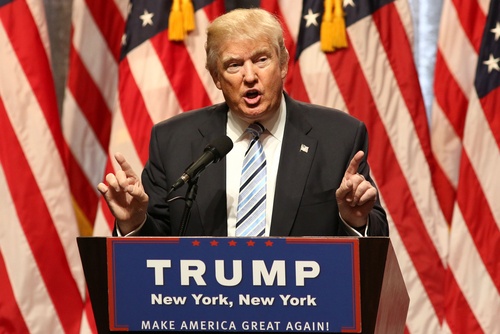
High-Stakes Texting Error Exposes White House Secrets

0

Key Takeaways:

  • A high-ranking White House official accidentally added a journalist to a private group chat.
  • The journalist, Jeffrey Goldberg, is the editor in chief of The Atlantic.
  • The mistake revealed sensitive discussions about former President Donald Trump.
  • This incident highlights the risks of digital communication errors.

The world of politics is no stranger to drama, but a recent texting mishap has taken things to a whole new level. Imagine accidentally sending a private message to the wrong person—it’s something that happens to the best of us. But when it involves White House officials and journalists, the stakes are much higher.

A Simple Mistake with Big Consequences

Jeffrey Goldberg, the editor in chief of The Atlantic, recently found himself in an unusual situation. He received a connection request on the messaging app Signal from someone named Michael Waltz. Now, Michael Waltz is also the name of a U.S. representative from Florida. But in this case, the sender claimed to be Michael Waltz, a close adviser to former President Donald Trump.

Two days later, Goldberg was added to a private group chat. It quickly became clear that this was no ordinary group. The chat included high-ranking officials from the White House, and the conversations were anything but casual.

What Happened Next?

The group chat was meant to discuss sensitive matters related to the White House. But because Goldberg was accidentally added, he gained access to private conversations. These discussions included talks about Trump’s behavior, internal conflicts among staff, and other confidential topics.

Goldberg, being a journalist, couldn’t ignore the significance of what he was seeing. He decided to share his experience on Radio Atlantic, a popular podcast. His story has since sparked a lot of buzz, raising questions about the risks of digital communication in high-stakes environments.

Why This Matters

This incident is more than just an embarrassing mistake. It highlights the potential dangers of using messaging apps for sensitive conversations. While apps like Signal are known for their security, human error can still lead to major breaches.

For journalists like Goldberg, such mistakes can be a goldmine for stories. But for officials, they can be a nightmare. Imagine sensitive information about national security or political strategies falling into the wrong hands.

A Lesson for Us All

This story is a reminder that even the most powerful people can make simple mistakes. Whether it’s a text to the wrong number or an accidental group chat addition, digital errors can have serious consequences.

For the rest of us, this serves as a cautionary tale. Double-checking who is on the receiving end of our messages is crucial, especially in professional settings. A single slip-up could lead to awkward situations, damaged relationships, or even bigger problems.

The Bigger Picture

Goldberg’s experience also sheds light on the challenges of modern journalism. Journalists often walk a fine line between uncovering important stories and respecting privacy. In this case, Goldberg’s accidental inclusion in the group chat put him in a difficult position. He had to decide whether to report on the sensitive information or keep it under wraps.

His decision to share the story on Radio Atlantic has sparked debates about journalistic ethics. Should he have exposed the mistake, or should he have kept the conversations confidential? These are tough questions with no easy answers.

Final Thoughts

The world of politics and journalism is full of drama, but sometimes the most surprising stories come from simple mistakes. This incident reminds us that even in the age of advanced technology, human error can still have a big impact.

So the next time you’re about to hit send on a message, take a moment to double-check. You never know who might be on the other end—or who might accidentally end up in your group chat.

Trump Makes English Official: What It Means for the U.S.

0

Key Takeaways:

  • President Trump declared English as the U.S. official language in 2025, a first in U.S. history.
  • Thirty states have already designated English as official.
  • The decision aims to promote unity and clearer communication.
  • Mixed reactions include concerns about exclusion of non-English speakers.
  • The move may face legal challenges and affect cultural identity.

Introduction: In a historic move, President Trump declared English the official language of the U.S. in 2025, marking a significant shift after nearly 250 years without one. This decision has sparked debate, highlighting the country’s linguistic diversity and the potential impact on national identity.

The Executive Order: President Trump’s executive order establishes English as the U.S. official language, aiming to foster unity and improve communication. This change reflects the administration’s push for a cohesive national identity, emphasizing English’s role in government functions and public services.

Current State of English in the U.S.: While English is widely spoken and used in media, education, and business, its official status varies. Thirty states have already made English official, but the U.S. has historically celebrated multilingualism. This new policy could influence how services are provided and languages are accommodated.

Reactions to the Decision: Supporters view the policy as a step toward national unity, simplifying communication. Critics argue it may marginalize non-English speakers, potentially excluding them from opportunities and services, undermining the country’s diverse heritage.

Looking Ahead: The future holds potential legal battles and cultural shifts. Challenges may question the policy’s constitutionality, especially regarding equal access. Culturally, it may redefine American identity, balancing unity with diversity.

Conclusion: The designation of English as the U.S. official language by President Trump is a pivotal moment, reflecting ongoing debates about unity, diversity, and national identity. As the country navigates this change, the balance between inclusivity and cohesion will be key.

Trump Officials Under Fire for Secret Chat Security Mistake

0

Key Takeaways:

  • Senator Mark Warner criticizes the Trump administration for using a Signal chat to discuss military plans in Yemen.
  • Warner calls for officials involved to resign, saying others would have faced consequences for the same actions.
  • He points out that national security adviser Mike Waltz and Defense Secretary Pete Hegseth failed to follow basic security practices.
  • A journalist was reportedly part of the chat, raising concerns about secrecy and professionalism.

In a surprising turn of events, Senator Mark Warner is calling out the Trump administration for a security slip-up that has raised eyebrows in Washington. The Virginia Democrat, who leads the Senate Intelligence Committee, is not happy about how sensitive military plans were shared in a private chat.

Warner’s Criticism: A Call for Accountability

According to reports, Trump administration officials used a Signal chat to discuss plans for military action in Yemen. While encrypted messaging apps like Signal are known for privacy, Warner says the real issue is that a journalist was part of the chat. This lapse in judgment, Warner argues, shows a lack of basic security awareness.

Why is this a big deal? Well, sensitive military plans should always be handled with care. If a journalist was in the chat, it could mean that classified information was exposed. Warner believes that such a mistake could have serious consequences and that those responsible should step down.

The Security Risks and Blunders

Warner specifically called out Mike Waltz, the national security adviser, and Pete Hegseth, the Defense Secretary, for their roles in the matter. He said neither of them seemed to realize that a journalist was in the group chat, which he described as failing “hygiene 101” for security.

What does this mean? Simply put, if you’re discussing sensitive information, you need to know who is in the room—or in this case, the chat. Warner suggests that this kind of carelessness wouldn’t fly in most workplaces and that others would have been fired for the same mistake.

Warner’s Push for Resignations

The senator didn’t hold back in his criticism. He said that if lower-ranking officials had made such a mistake, they’d likely be out of a job. Now, he’s calling for Waltz and Hegseth to take responsibility and resign.

Why is Warner so upset? As the top Democrat on the Senate Intelligence Committee, he takes national security seriously. He believes that those in charge of protecting sensitive information should hold themselves to higher standards.

Warner also pointed out that this isn’t just about security—it’s about trust. If the public loses faith in the government’s ability to handle sensitive information, it could have long-term consequences.

What’s Next?

This incident could have ripple effects. If officials resign, it could lead to changes in how military plans are communicated. It might also spark bigger conversations about transparency and accountability in government.

For now, Warner’s message is clear: those who can’t handle the basics of security shouldn’t be in positions of power. As the story unfolds, we’ll be keeping an eye on whether his calls for resignation are answered—and what this means for the future of national security under the Trump administration.

Trump’s 25% Tariffs on Canada Spark Trade War Over Borders Claims

0

Key Takeaways:

  • President Trump imposed 25% tariffs on Canadian imports, citing border concerns.
  • The tariffs affect nearly all goods, impacting both economies.
  • The trade war fluctuates as negotiations continue.
  • Trump’s claims about criminals and fentanyl are under scrutiny.
  • Diplomatic trust is strained, affecting more than just trade.

Introduction: In a bold move, President Trump slapped a 25% tariff on almost all Canadian imports, stirring up a heated trade war. Citing concerns over border security and drug trafficking, Trump aims to pressure Canada into tighter controls. This decision, however, has sparked debate and economic strain on both sides.


What Are the 25% Tariffs? The tariffs target a wide range of Canadian goods entering the U.S., from everyday items to industrial products. Trump claims this is a response to alleged security breaches, accusing Canada of allowing criminals and dangerous drugs like fentanyl to cross into the U.S. While some fentanyl does enter through the border, much of it comes legally through ports, suggesting the issue may be more complex than Trump suggests.


The Impact of the Tariffs Both countries feel the pinch from these tariffs. U.S. consumers may see higher prices and fewer options, while Canadian businesses struggle to compete. Industries like agriculture and manufacturing are particularly hit, disrupting supply chains andeconomic stability.


The Trade War Rollercoaster The situation remains volatile, with negotiations stopping and starting. While talks continue, the tariffs remain a significant barrier, leaving both economies in limbo. This unpredictability complicates planning for businesses and and consumers alike.


Why This Trade War Matters Beyond Trade More than just economic, this conflict strains the trust between two long-time allies. If unresolved, it could affect future collaborations on security, environment, and more. The human factor is also crucial, as real people face job losses and higher living costs, emphasizing the need for a balanced approach.


Canada Fights Back Canada has fired back, imposing counter-tariffs on U.S. goods. Prime Minister Trudeau has called the claims unfounded, defending Canada’s efforts to curb drug trafficking. While not matching the U.S. tariffs, Canada’s retaliation shows its commitment to protecting its economy, complicating a resolution.


The Path Ahead: Can the Trade War Be Resolved? Resolving this issue likely requires an independent review of Trump’s claims and a willingness to negotiate. If Canada can address legitimate concerns and the U.S. lifts tariffs, both could benefit. Until then, consumers and businesses face uncertainty and higher costs.


Conclusion and Future Outlook The U.S.-Canada trade war highlights the delicate balance between security and trade. To resolve this, both countries must seek common ground, ensuring their alliance remains strong. Until then, the economic impact and strained relations are stark reminders of the challenges ahead.

Trump vs Warner: Clash Over Sensitive Info Handling

0

Key Takeaways:

  • Democratic Sen. Mark Warner accuses Trump administration of mishandling sensitive information.
  • President Trump dismisses the issue as a minor glitch.
  • The debate highlights concerns over transparency and accountability in government.

The Situation: What’s Happening

A recent controversy has erupted between Democratic Senator Mark Warner of Virginia and former President Donald Trump. Warner criticized Trump’s administration for what he called “careless and incompetent behavior” when dealing with sensitive information. This accusation comes amid growing concerns about how seriously the administration takes handling classified or confidential data.

On the other hand, Trump downplayed the issue during a recent interview. He referred to it as “the only glitch in two months” of his administration, suggesting it was not a significant problem. This response has sparked debate over how the Trump administration prioritizes transparency and accountability.


The Clash: Warner vs. Trump

Senator Warner’s comments highlight his frustration with what he sees as a pattern of recklessness. He believes the Trump administration has repeatedly shown a lack of seriousness in managing sensitive information, which could pose risks to national security and public trust. Warner’s criticism is not the first time concerns have been raised about the administration’s handling of such matters.

Meanwhile, Trump’s dismissal of the issue reflects his approach to critics. He often downplays controversies, framing them as minor or overstated. By calling it a “glitch,” Trump minimizes the significance of the problem and shifts focus away from broader concerns about his administration’s practices.


Why This Matters

The handling of sensitive information is a critical issue for any government. When leaders are careless with such data, it can lead to serious consequences, including security breaches or leaks that harm the public interest. Warner’s accusations suggest he believes the Trump administration has fallen short in meeting its responsibilities.

At the same time, Trump’s response raises questions about accountability. By dismissing the issue, he may be signaling that his administration does not take these concerns seriously. This clash between Warner and Trump reflects a larger debate about transparency and trust in government.


The Debate Continues

This controversy is the latest in a series of disputes over how the Trump administration operates. Supporters of Trump argue that his administration has been unfairly targeted by critics like Warner. They point to the administration’s accomplishments and argue that minor issues should not overshadow its achievements.

On the other hand, critics like Warner believe that accountability is essential, especially when it comes to sensitive information. They argue that even small mistakes can have big consequences and that leadership requires taking these issues seriously.

As the debate continues, one thing is clear: the way a government handles sensitive information matters. It reflects not only its competence but also its commitment to transparency and accountability.

Whether you agree with Warner or Trump, this issue raises important questions about how leaders balance secrecy and openness. What do you think? Should the handling of sensitive information be a top priority for any administration?

Black Sea Initiative: Ensuring Safe Navigation and Peace

0

Key Takeaways:

  • The Trump administration brokered the Black Sea Initiative to ensure safe navigation and ban energy facility strikes.
  • The agreement aims to eliminate force, prevent military use of commercial vessels, and promote regional stability.

Introduction: In a significant diplomatic move, the Black Sea Initiative was launched by the Trump administration to ensure safe navigation and ban attacks on energy facilities in Russia and Ukraine. This initiative followed separate talks with Ukrainian and Russian delegations in Riyadh, highlighting the region’s strategic importance for trade and energy.

The Black Sea Initiative: A New Era of Cooperation

Ensuring Safe Navigation and Security

The Black Sea Initiative is designed to enhance maritime security and stability. By eliminating the use of force and preventing commercial vessels from being repurposed for military activities, the agreement addresses broader regional stability concerns.

Why This Initiative Matters

The Black Sea is a vital trade route and energy hub. Ensuring its safety is crucial for global economic stability and preventing wider conflict. This initiative underscores the importance of diplomacy in addressing complex geopolitical challenges.

Ukraine’s Stance on the Initiative

Ukrainian President Volodymyr Zelensky expressed strong support for the initiative, recognizing its potential to de-escalate tensions and promote regional security. His backing highlights Ukraine’s commitment to peaceful solutions in the conflict with Russia.

The Trump Administration’s Diplomatic Role

The Trump administration facilitated the initiative through bilateral talks in Riyadh, demonstrating effective diplomacy. By engaging separately with Ukrainian and Russian representatives, they navigated complex negotiations to reach a mutually acceptable agreement.

Challenges and Next Steps

While the initiative is a positive step, challenges remain. Ensuring compliance, managing misinformation, and maintaining commitment are crucial for long-term success. Continuous diplomatic engagement will be essential for addressing potential obstacles.

The Path Forward: Implications for Global Conflict Resolution

The Black Sea Initiative sets a precedent for conflict resolution through diplomacy. It shows how international cooperation can address pressing issues, offering hope for resolving other global disputes and fostering peace.

In conclusion, the Black Sea Initiative represents a significant step toward regional stability and safe navigation. By adhering to its principles, the involved parties can pave the way for a more peaceful and cooperative future.

Digital Euro Push Intensifies to Rival Tech Giants

0

Key Takeaways:

  • ECB’s Philip Lane stresses the need for a digital euro to compete with private payment systems.
  • Central banks aim to reduce reliance on cash and rival tech firm payment solutions.
  • The digital euro could enhance financial stability and regulation in the digital age.

Digital Euro Urged to Counter Private Payment Giants

In a recent push, Philip Lane of the European Central Bank (ECB) emphasized the urgency of developing a digital euro. This move aims to rival stablecoins like Tether and payment systems from tech giants such as Apple and Google. The central banks’ goal is not just to phase out cash but also to challenge other electronic payment systems, marking a significant shift in the financial landscape.

Why a Digital Euro Matters

The world is moving away from physical cash. More people are using cards, smartphones, or apps for transactions. This shift has prompted central banks to consider digital currencies to maintain control over the financial system. A digital euro would allow the ECB to regulate and oversee transactions more effectively, ensuring stability and security in digital payments.

Stablecoins: A Growing Threat

Stablecoins, digital currencies tied to a country’s currency like the dollar, are gaining popularity. They offer stability, unlike cryptocurrencies like Bitcoin. However, they operate without central bank oversight, raising concerns about regulation, security, and overall economic stability. The ECB views these as a threat to financial stability, prompting the push for a digital euro.

Big Tech’s Role

Tech companies are revolutionizing payments. Apple Pay and Google Pay are leading the way, offering quick, contactless transactions. While convenient, these systems operate outside traditional banking oversight, worrying regulators. A digital euro would provide a secure, regulated alternative, maintaining central banks’ influence.

What’s at Stake?

The rise of private payment systems raises concerns about privacy and financial inclusion. Tech firms collect vast data, sparking privacy issues. A digital euro could ensure transactions remain private and accessible to everyone. It’s a balancing act between innovation and control.

Race Against Time

Central banks are under pressure to act. As private payment systems expand, the need for a digital euro becomes urgent. The ECB is joining other central banks worldwide in exploring digital currencies, aiming to maintain their role in the financial system.

The digital euro represents a crucial step in adapting to a rapidly changing world. It’s not just about competition but ensuring secure, stable, and inclusive financial systems for future generations. The ECB’s push highlights the importance of staying ahead in the digital age.

Trump Moves Student Loans to SBA, Sparking Concerns

0

Key Takeaways:

  • President Trump transfers student loans to the SBA.
  • The move aims to reduce the Education Department’s role.
  • SBA cuts 40% of its workforce the same day.
  • Critics worry about the impact on student loan management.
  • The future of the Education Department is uncertain.

What’s Happening?

President Trump recently made a significant move regarding student loans, shifting their management from the Department of Education to the Small Business Administration (SBA). This change, part of an executive order to reduce the Education Department’s role, has sparked concern among various groups.

Interestingly, on the same day as this transfer, the SBA announced layoffs, cutting 40% of its workforce. This timing has raised eyebrows, as managing student loans is a large task and the SBA is now handling it with fewer employees.

What Are People Saying?

Critics and education advocates are expressing their worries. They fear this move could lead to confusion and disorganization in handling student loans. Many believe this change lacks a clear strategy and might not serve students’ best interests.

Others are questioning the SBA’s capability to manage such a large responsibility, especially after layoffs. The concern is that this shift might not improve the situation for students but could complicate things further.

What’s Next?

The implications of this change are still unfolding. Students and families are wondering what this means for their loans and how the SBA will manage them. There are also questions about how this affects the Education Department’s role in education policy.

As the situation develops, many are waiting to see how the SBA will handle this new responsibility. The focus is on whether this change will streamline processes or create more challenges for those affected.

Why It Matters

For students and families, this change could mean a different experience in managing loans. The SBA’s role expansion into education loans is unprecedented, making it a significant shift in how the government handles student debt.

The future of the Education Department is also in question. This move is part of broader efforts to restructure federal agencies, leaving many to speculate about what comes next for education policy.

Conclusion

President Trump’s decision to move student loans to the SBA has stirred up concerns and questions. As the situation evolves, the focus remains on how this change will affect students and the role of the Education Department. Only time will tell if this move leads to positive changes or more challenges.

In the end, this shift highlights the ongoing debate about how the government should manage education and student loans. The outcome will be crucial for those navigating the complex world of student debt.

Musk-Led Trump Cuts: 39k Jobs Gone

0

Key Takeaways:

  • 39,391 federal jobs eliminated by Trump’s DOGE.
  • Education, Environment, Health, Energy, and Labor departments hit hardest.
  • Federal programs reduced by 15%, except Defense.
  • Courts blocked part of the plan on March 15.
  • Employees fired or reassigned; DOI faces lawsuit.

Introduction: In a bold move, the Trump administration, with Elon Musk’s Department of Government Efficiency (DOGE), has made significant cuts to federal spending. As of March 25, 2025, nearly 40,000 jobs have been eliminated. This initiative aims to streamline government operations, but not without challenges. Let’s dive into the details.

How Much Has Been Cut? DOGE has cut 39,391 federal jobs, focusing on reducing what they call inefficient programs. This represents a 15% decrease in many departments, except Defense, which was spared. The goal is to save billions annually, but critics argue this may affect public services negatively.

Which Departments Are Affected? Several key departments face significant cuts:

  • Education: 18% reduction, impacting school programs.
  • Environment: 20% cut, targeting climate initiatives.
  • Health and Human Services: 12% reduction, affecting healthcare support.
  • Energy: 15% cut, focusing on non-defense research.
  • Labor: 10% reduction, hitting job training programs.

Legal Challenges: Not all cuts have gone unchallenged. On March 15, a federal judge blocked part of DOGE’s plan, ruling against the elimination of certain environmental programs. Additionally, the Department of the Interior faces a lawsuit over staff cuts, alleging violations of federal laws.

Impact on Federal Workforce: Employees are either losing their jobs or being reassigned. The government is offering early retirement and buyouts, but many are concerned about the expertise being lost. Public sector unions argue that these cuts will weaken essential services.

What’s Next? The situation is fluid. While some cuts continue, others are stalled in courts. Advocacy groups and unions are fighting back, making this a story to watch. The balance between efficiency and service quality remains uncertain.

Conclusion: The Trump administration’s cuts, led by Musk, aim for a leaner government but face legal and practical hurdles. As the situation evolves, the impact on federal workers and public services will be crucial to monitor. Stay tuned for updates as this story unfolds.