54.8 F
San Francisco
Wednesday, May 13, 2026
Home Blog Page 1021

Trump Slaps Tariffs on Venezuelan Oil Imports: Here’s What You Need to Know

0

Key Takeaways:

  • The U.S. will impose a 25% tariff on imports from countries buying Venezuelan oil.
  • China, India, and others could be hit hard by this new policy.
  • Tariffs will start on April 2, adding to global trade tensions.
  • Trump says this is part of broader efforts to fight unfair trade practices.
  • This move is linked to rising tensions between the U.S. and Venezuela.

Trump Imposes Steep Tariffs on Venezuelan Oil Imports: What Does It Mean?

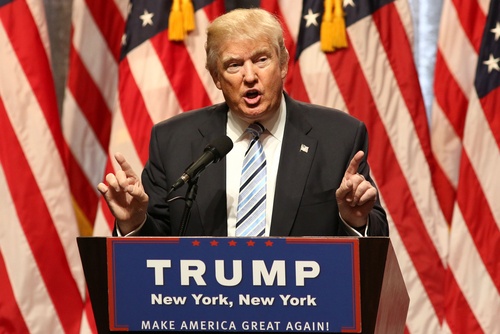
In a move that could shake global trade, U.S. President Donald Trump announced Monday a new 25% tariff on imports from countries that buy Venezuelan oil. This decision could impact major buyers like China and India, while also complicating trade relations worldwide.

Trump revealed this plan on his Truth Social platform, calling April 2 “Liberation Day” for the U.S. economy. The tariffs will be added on top of existing rates, making imports more expensive.


Why Is Trump Targeting Venezuelan Oil Imports?

The U.S. has long had tense relations with Venezuela. Trump accused the country of sending criminals to the U.S. and being “hostile” to American values. He also cited “numerous reasons” for the tariffs, including what he called unfair practices by Venezuela.

Meanwhile, Venezuela’s oil exports remain a significant global trade factor. For instance, in February, Venezuela shipped about 500,000 barrels a day to China and 240,000 barrels to the U.S.


How Will This Affect Global Trade?

Experts warn these tariffs could deepen trade uncertainty and hurt countries that rely on Venezuelan oil. China and India, two of Venezuela’s biggest oil buyers, are likely to feel the impact. Spain and the U.S. could also be affected.

The U.S. has been aggressive in its trade strategy since Trump returned to office in January. Tariffs on allies and rivals alike have been a key tool for the administration, aiming to force changes in economic and diplomatic policies.


What Else Is Happening in U.S.-Venezuela Relations?

The tariff announcement comes amid other tense developments. Last month, the deportation of Venezuelan migrants to their home country was halted after Trump accused Venezuela of breaking a deal to accept deported citizens. However, last weekend, both sides reached a new agreement, and nearly 200 Venezuelans were deported via Honduras.

Additionally, the U.S. recently extended Chevron’s deadline to stop operating in Venezuela until May 27. The American oil giant had been working in the country under a special waiver.


More Tariffs on the Way?

April 2 is shaping up to be a big day for U.S. trade policy. Trump had initially promised sweeping sector-specific tariffs targeting imported cars, pharmaceuticals, and semiconductors. However, a White House official said these plans are “still fluid” and may be narrower than expected.

Trump hinted that some countries might get “breaks” and avoid tariffs if they change their practices. He also mentioned car tariffs would be announced soon, with pharmaceutical tariffs coming later.


Global Reactions and Talks

As the U.S. targets trade partners, diplomatic efforts are ramping up. European Union Trade Chief Maros Sefcovic is set to meet with American officials to discuss the tariffs and other trade issues.

Meanwhile, global markets initially rose on hopes that the tariffs might be more limited in scope. However, the unpredictable nature of Trump’s trade policy continues to worry investors and allies alike.


The Bigger Picture: A Trade War Escalation

The White House has framed these tariffs as part of a broader effort to address what it calls unfair trade practices by other countries. “America has been ripped off by every country around the world,” the administration claims.

Treasury Secretary Scott Bessent recently warned that the U.S. would target about 15% of its trade partners—dubbed the “dirty 15”—who have significant trade imbalances with the U.S. If these countries change their policies, they might avoid tariffs.


What’s Next?

As the April 2 deadline approaches, the world is closely watching how the U.S. will implement these tariffs. Will Trump follow through on his sweeping plans, or will he give some countries a reprieve? Only time will tell.

One thing is clear: Trump’s trade policies are expected to create more uncertainty in global markets, with potential ripple effects on everyday consumers.

Oil Baron Fights Renewables, Influences Trump

0


Key Takeaways:

  • Harold Hamm, a billionaire oil tycoon, is battling renewable energy to protect his fossil fuel profits.
  • Hamm has influenced Donald Trump to roll back regulations and support the oil industry.
  • Renewable energy like wind and solar could hurt Hamm’s business.
  • Hamm and Trump’s allies now hold key positions in the government.
  • The clash between fossil fuels and renewables is shaping America’s energy future.

The Oil Baron vs. Renewable Energy

Imagine a world where renewable energy like wind and solar power becomes the main source of electricity. For many, this sounds like a step toward a cleaner, greener future. But for Harold Hamm, a billionaire oil baron, it’s a threat to his business. Hamm, who made his fortune in fracking, is fighting hard to stop renewable energy from growing. And he’s getting help from a powerful friend: Donald Trump.

Hamm’s company is one of the largest oil producers in the U.S., making over $2 billion in profits last year. But as wind and solar energy become more popular, Hamm fears his profits will shrink. To stop this, he’s using his influence to shape U.S. energy policies.


How Hamm Influenced Trump

Hamm’s efforts to stop renewable energy started in Oklahoma in 2016, around the same time he supported Trump’s first presidential campaign. Since then, he’s taken his fight national. In April, Hamm organized a private meeting between Trump and about 20 energy executives at Mar-a-Lago, Trump’s resort in Florida. During this meeting, Trump reportedly asked the oil industry for $1 billion in donations and promised to reduce regulations.

Hamm didn’t just stop there. He donated over $4 million to support Trump’s campaign. And his efforts paid off. Trump’s administration has rolled back many environmental rules, making it easier for the oil industry to operate. Hamm’s allies now hold important roles in the government, including Energy Secretary Chris Wright. Wright recently called climate change a “side effect” of modern progress and has strongly defended fossil fuels.


A Return to the Past

For Hamm, the solution to America’s energy needs is clear: go back to the way things were in the early 2000s. Back then, oil and natural gas were the main energy sources, and wind and solar were barely used. Hamm believes this is the best way to keep the economy strong and his profits high.

But critics argue that this approach is risky. Fossil fuels contribute to climate change, and relying on them could harm the planet. Renewable energy, on the other hand, could reduce carbon emissions and create new jobs. The question now is: how can the U.S. balance the need for economic growth with the urgent need to address climate change?


The Future of Energy

Hamm and his allies are shaping policies that favor fossil fuels over renewables. This means less support for wind and solar energy projects. For example, the administration has reduced funding for renewable energy research and removed tax incentives for clean energy companies. At the same time, it has made it easier for oil companies to drill on public lands.

Supporters of fossil fuels argue that oil and natural gas are more reliable and affordable than renewables. They also say that shifting to clean energy too quickly could hurt the economy and lead to job losses. But environmental advocates warn that delaying the transition to renewables will only make climate change worse.


The Battle Continues

As the debate over energy policy continues, one thing is clear: the choices made today will shape America’s future for decades. Hamm and Trump’s administration are betting on fossil fuels, but many experts say this is a risky path. Climate change is already causing severe weather events, rising sea levels, and other problems. If the U.S. doesn’t reduce its reliance on fossil fuels, these issues could get much worse.

For now, Hamm’s influence over Trump and U.S. energy policies remains strong. But as more people and businesses embrace renewable energy, the tide may eventually turn in favor of clean power. Until then, the battle between fossil fuels and renewables will continue to shape America’s energy landscape.

2025 Chinese Grand Prix: Thrills, Spills, and Drama in Shanghai

Key Takeaways:

  • Lewis Hamilton secures a dominant win in the sprint race.
  • A different driver claims victory in the main Grand Prix.
  • The Shanghai circuit gets a fresh new look with resurfacing.
  • Rumors of big technical changes in F1 spark curiosity.
  • Drama off the track adds to the excitement.

The Weekend in Shanghai: A Mix of Action and Intrigue

The 2025 Chinese Grand Prix was nothing short of spectacular, offering a blend of adrenaline-pumping races, unexpected twists, and a sprinkle of drama. Held at the iconic Shanghai International Circuit, this event had something for every Formula 1 fan.


The Circuit: A Fresh New Look

The Shanghai International Circuit, known for its challenging layout, received a makeover this year. The resurfacing addressed last year’s issues, providing a smoother and grippier track. This change didn’t go unnoticed, as drivers enjoyed better conditions, making the races even more competitive.


Saturday’s Sprint: Hamilton’s Masterclass

Lewis Hamilton, now in Ferrari red, delivered a stellar performance in the sprint race. Leading from start to finish, he showcased his legendary skills, proving why he’s a 105-time race winner. His switch to Ferrari seems to be paying off, with the car suiting his driving style perfectly.


Sunday’s Main Event: A New Champion

The Grand Prix saw a different winner, adding to the excitement. The race was filled with suspense and overtakes, keeping fans on the edge of their seats. While Hamilton shone on Saturday, Sunday belonged to another driver, highlighting the competitive spirit of F1.


Behind the Scenes: Drama and Intrigue

Off the track, tensions rose as drivers and teams engaged in strategic battles and heated debates. These moments reminded us that F1 is as much about personalities as it is about speeds.


Rumors of Change: What’s Next for F1?

Buzz about potential technical changes has the F1 community buzzing. These rumors suggest a shift that could shake up the sport, keeping fans eagerly anticipating what’s next.


F1’s Entertainment Factor: More Than Just Racing

The drama and arguments that unfolded showed that F1 is as entertaining off the track as it is on it. These moments add a layer of excitement, making the sport a must-watch.


Looking Ahead: The Season Heats Up

As the 2025 season progresses, all eyes are on the upcoming races. With new developments and continuing drama, F1 fans are in for a treat.

The 2025 Chinese Grand Prix was a weekend to remember, setting the stage for an unpredictable and thrilling season ahead. Stay tuned for more action, drama, and surprises as F1 continues to captivate us all.

Arizona Lawmakers’ Speeding Immunity in Spotlight: Will Voters Decide Its Fate?

0

Here’s What You Need to Know

  • Arizona lawmakers may lose their immunity from speeding tickets under a proposed voter referendum.
  • A resolution to let voters decide the fate of this provision has passed the House with bipartisan support.
  • Lawmakers in Arizona are currently protected from arrest, except in extreme cases, while the legislature is in session.
  • Some GOP lawmakers have used this law to avoid speeding tickets, sparking accusations of unfair treatment.

Arizona voters might soon have the chance to decide whether state lawmakers should lose their special immunity from speeding tickets while the legislature is in session. This comes after several incidents where GOP lawmakers, including former Secretary of State candidate and state Sen. Mark Finchem, used the law to avoid tickets, claiming they were protected under Arizona’s constitution.

Controversial Immunity Law Sparks Debate

Arizona’s immunity law for lawmakers is part of the state’s constitution. It protects them from arrest and questioning during the legislative session, except in cases of treason, felony, or breach of peace. This protection starts 15 days before the session begins and lasts until it ends.

The law was originally intended to prevent elected officials from being unfairly targeted or detained while doing their jobs. However, critics argue that it creates a double standard, where lawmakers can avoid consequences that ordinary citizens cannot.

Lawmakers’ Actions Draw Criticism

Recently, some GOP lawmakers have taken advantage of this immunity to avoid speeding tickets. For example, Sen. Mark Finchem wrote a letter to a police chief after being pulled over for speeding, suggesting the officer might not be aware of the law. This move sparked outrage and accusations of abuse of power.

Other incidents have drawn attention to the issue. In 2011, a Republican senator claimed immunity after being involved in a domestic dispute, though he later pleaded no contest to a misdemeanor charge. These cases have fueled debates about fairness in the justice system.

Proposed Changes and Lingering Questions

Rep. Quang Nguyen, a Republican state legislator, introduced a resolution to let voters decide whether to end this immunity during the 2026 midterm elections. The resolution passed the House with support from both Democrats and Republicans, but its fate in the Senate remains uncertain.

Supporters of the immunity argue that it protects lawmakers from political targeting, ensuring they can focus on their duties without fear of harassment. However, opponents believe it gives lawmakers a free pass and undermines public trust in the system.

A Broader Issue of Accountability

This debate isn’t just about speeding tickets—it’s about whether those in power should be held to the same standards as everyone else. President Donald Trump’s use of legal loopholes to avoid criminal charges has brought similar questions to the national stage. When leaders use their status to sidestep consequences, it raises concerns about fairness and equality under the law.

What Happens Next?

If Nguyen’s resolution passes the Senate, Arizona voters will have the final say in 2026. While some lawmakers believe the immunity is necessary, others see it as an outdated privilege that undermines accountability.

The outcome of this debate could set a precedent for other states and spark a wider conversation about the balance of power and fairness in government. For now, the question remains: Should lawmakers be above the law, or should they face the same consequences as the people they represent?

Musk’s Tactics Could Sink Trump’s Ship, GOP Strategists Warn

0

Key Takeaways

  • GOP strategists are worried Elon Musk is hurting Trump’s chances in the next election.
  • Voters who support Trump are turning against Musk due to his deep cuts to government programs.
  • Musk’s actions could lead to job losses and economic instability, upsetting Republican voters.
  • Trump’s policies on tariffs and trade wars are adding to the economic concerns.

Elon Musk’s Role in Trump’s Agenda Sparks Anxiety

Elon Musk, the billionaire behind Tesla and SpaceX, has become a key player in President Donald Trump’s push to overhaul the government. Musk’s Department of Government Efficiency is making big, often controversial changes. These changes are cutting jobs and slashing funding for programs many people rely on. But GOP strategists are sounding the alarm. They warn that Musk’s actions could backfire and harm Trump’s chances in the next election.

republican voters are starting to sour on musk. Even some of trump’s strongest supporters are unhappy with musk’s policies. For example, at a recent pro-Trump wrestling event in Philadelphia, fans expressed frustration with musk. One woman from Montana said musk’s constant appearances make trump look like he’s “kissing a– to get money.”

What’s Really at Stake?

The biggest concern is the impact of musk’s cuts. GOP strategist Alex Conant recently told The Hill that if voters don’t see the benefits of musk’s policies soon, there will be “political costs.” Conant explained, “If DOGE actually breaks things that people care about and rely on, there’s gonna be political costs to that.”

Doug Heye, another republican adviser, agrees. He warns that musk’s changes could lead to “real job losses” beyond just government workers. These losses could hurt the broader economy and alienate voters who depend on these programs.

Why Trump’s Tariffs Are Adding to the Problem

Musk isn’t the only issue for trump. The president’s aggressive push for higher tariffs and trade wars is also causing economic instability. These policies are making it harder for other countries to trade with the U.S., leading to fears of a weaker economy.

A Warning Sign for Republicans

One of the clearest signs of trouble came from pro-Trump wrestling fans. At the event in Philadelphia, many fans were unhappy with musk’s involvement. They feel musk’s actions are making trump look weak or out of touch. For example, the woman from Montana criticized musk’s constant appearances, saying they make trump seem desperate for money.

What’s Next?

GOP strategists are urging trump to address these issues quickly. They believe the president needs to show voters the benefits of musk’s policies before the midterm elections. If trump fails to do this, the consequences could be dire.

In the meantime, musk’s involvement in trump’s agenda continues to spark concern. With the economy at risk and voters growing frustrated, the stakes have never been higher. One thing is clear: musk’s actions could determine whether trump sinks or swims in the next election.


This article is part of Digital Chew’s ongoing coverage of politics, technology, and their impact on everyday life. Stay tuned for more updates as the story unfolds.

Trump Officials’ Classified Leak Scandal Grows Amid Hypocrisy

0

Key Takeaways:

  • Pentagon Chief Pete Hegseth shared classified info in a chat with a reporter.
  • Former DNI Tulsi Gabbard, in the chat, had condemned such leaks publicly.
  • This incident raises concerns about national security and hypocrisy.
  • Reactions highlight potential legal and diplomatic repercussions.

Introduction: A shocking revelation has emerged involving top Trump officials, including Pentagon Chief Pete Hegseth, who accidentally leaked classified information in a private chat. This breach, which included a reporter, occurred despite warnings from Trump’s own DNI, Tulsi Gabbard. The chat detailed planned military strikes against Yemen’s Houthis, sparking widespread criticism and accusations of hypocrisy.

How the Leak Happened: The leak occurred in a Signal chat where high-ranking officials discussed sensitive military plans. Unbeknownst to them, a reporter was part of the group, leading to the unintended exposure. The chat began on March 13, with Gabbard joining shortly after, just a day before she publicly condemned unauthorized leaks. The strikes were executed two days later, raising questions about the security of such discussions.

The Reaction: Gabbard’s involvement in the chat while publicly criticizing leaks has drawn sharp criticism. Sam Stein highlighted the timeline, showing her participation just before her public statement. Shane Harris called the incident unprecedented in his 25 years of reporting. Rep. Jim Himes pointed out the hypocrisy, suggesting that by Trump’s standards, everyone involved could face losing clearance and criminal probes.

Security expert Marcy Wheeler noted the irony, suggesting it could be a strong case for trial. Joe Walsh expressed concerns about foreign relations, stating allies might think twice about sharing intelligence with the U.S. given such breaches and perceived ties to Russia.

What’s Next? The implications of this leak are significant, with potential legal consequences for those involved. It also underscores broader concerns about the handling of classified information and the trust of international allies. As investigations unfold, this incident may lead to stricter protocols and a reevaluation of how sensitive information is managed in the digital age.

This scandal serves as a reminder of the delicate balance between national security and internal communications, highlighting the need for vigilance in a world where digital chats can have far-reaching consequences.

Trump Officials Praised for Transparency in Leaked Yemen War Plans

0

Key Takeaways:

  • Fox News host Will Cain commends Trump officials for their teamwork in discussions.
  • Secret Yemen war plans were unintentionally shared with a journalist.
  • Cain finds the leak worrying but emphasizes the transparency it reveals.
  • The messages showcase collaborative talks among top officials.

Fox News host Will Cain recently highlighted the accidental leak of secret war plans against Yemen, which were shared with a journalist. While Cain expressed concern over the leak, he focused on the positive aspect of transparency it brought to light.

A Closer Look at the Leak The leak occurred via the Signal app, raising questions about security. However, Cain suggested focusing on the content rather than the mishap. He revealed that officials like Vice President J.D. Vance, Secretary Pete Hegseth, and others engaged in open discussions, aiming to make informed decisions after past secrecy.

Collaborative Discussions Revealed The leaked messages provide insight into how leaders worked together. They were collaborative, honest, and focused on resolving issues, contrasting with previous administrations’ approaches. Cain believes this transparency is commendable and reflects well on the leaders involved.

Implications of Transparency This incident sparks debate on transparency in government. While leaks can be risky, they also show accountability and trust in leadership. Cain urged viewers to appreciate the leaders’ efforts, emphasizing their dedication to making the right decisions.

Conclusion Cain’s perspective highlights the value of open dialogue and transparency. Despite the leak’s concerns, it offers a glimpse into effective leadership. Cain’s message encourages trust in the officials guiding the country, underlining their collaborative approach and commitment to transparency.

Postmaster General Louis DeJoy Steps Down Amid Privatization Concerns

0

Key Takeaways:

  • Louis DeJoy resigns as Postmaster General after leading USPS through major events.
  • Elon Musk’s DOGE aims to cut costs and reduce government red tape.
  • Temporary replacement Doug Tulino takes over until a permanent leader is found.
  • Postal workers fear privatization under Musk’s involvement.

Who Is Louis DeJoy? Louis DeJoy, appointed by President Trump, led the USPS through challenging times, including the COVID-19 pandemic and three elections. His tenure focused on cost-cutting measures, which sometimes caused controversies over mail delivery changes.

Why Did DeJoy Resign? DeJoy’s resignation came after agreeing with Elon Musk’s DOGE to streamline USPS operations. This move aimed to reduce costs and simplify government processes. His departure follows a significant period of change and challenges within the postal service.

Understanding DOGE’s Role DOGE, created by Trump, seeks to make government operations more efficient. Musk’s involvement has led to cuts in various government areas. Some fear this could mean big changes for public services like the postal service.

Postal Workers’ Concerns Grow The American Postal Workers Union worries that DeJoy and Musk might privatize USPS, leading to potential job losses and service changes. This fear comes as DOGE’s influence grows, aiming to reduce government spending.

What’s Next for USPS? Doug Tulino temporarily leads USPS until a permanent Postmaster General is named. The choice of a new leader could determine the future direction of the postal service, especially with Musk’s DOGE involved.

A Look Ahead DeJoy’s departure and Musk’s growing influence signal potential shifts for USPS. As the Postal Service adapts to modern challenges, the focus remains on maintaining reliable services amid financial pressures.

DeJoy’s resignation marks a significant change for USPS, with Musk’s involvement raising questions about the future. Whether privatization or efficiency, the Postal Service’s path is uncertain, impacting millions who rely on it daily.

Tesla Dealerships Targeted in Wave of Attacks Nationwide

Key Takeaways:

  • A Tesla dealership in Austin, Texas, found incendiary devices, prompting a bomb squad response.
  • Similar attacks have occurred in Washington, Oregon, and Colorado.
  • Attorney General Pam Bondi labels these incidents as domestic terrorism.
  • Three individuals face up to 20 years in prison for related attacks.
  • The Trump administration supports Musk, highlighting Tesla’s role in electric vehicle promotion.

Austin Incident Sparks Urgent Response

A tense scene unfolded in northern Austin, Texas, as a Tesla dealership discovered incendiary devices, triggering a swift reaction from local authorities. The bomb squad was called in, and the devices were deemed functional, leading to their removal. Although no suspects have been identified, this event adds to a growing list of attacks targeting Tesla facilities across the U.S.

Patterns of Similar Attacks Emerge

This incident in Texas is not isolated. Dealerships in other states, including Washington and Colorado, have faced similar threats. Last week, three individuals were charged in connection with Tesla-related attacks. Adam Lansky, Lucy Nelson, and Daniel Clarke-Pounder are accused of vandalism, arson, and the use of homemade weapons like Molotov cocktails.

Authorities Take a Firm Stance

Attorney General Pam Bondi has been vocal about these incidents, characterizing them as domestic terrorism. She emphasized that such acts will be met with severe consequences, warning potential offenders of lengthy prison sentences. The Department of Justice is committed to prosecuting these crimes vigorously.

Political Support for Tesla Intensifies

The Trump administration has rallied behind Elon Musk, highlighting Tesla’s role in the electric vehicle market. This support includes a White House event promoting Tesla models and encouragement from officials to invest in Tesla stocks, underscoring the company’s significance in the administration’s agenda.

Implications and Next Steps

As investigations continue, the focus remains on identifying motives and preventing future attacks. The increasing frequency of these incidents raises concerns about safety and the broader implications for businesses tied to high-profile figures like Musk.

With authorities actively pursuing leads and the administration’s strong stance, this situation remains a developing story, highlighting the challenges of balancing security with public support for controversial figures.

Rural Healthcare in Crisis: Medicaid Cuts Threaten Communities

0

Key Takeaways:

  • Rural hospitals are closing at an alarming rate, leaving communities without nearby healthcare.
  • Medicaid cuts could make this crisis worse, affecting not just Medicaid patients but everyone in rural areas.
  • Experts warn that these cuts could harm local economies and healthcare systems beyond just Medicaid users.

Rural areas across the U.S. are facing a growing healthcare crisis. Hospitals in these regions are closing at a faster rate than in cities, leaving many without easy access to medical care. Now, proposed cuts to Medicaid funding could make things even worse.

Rural Hospitals Closing Fast

Rural hospitals are shutting their doors at higher rates than hospitals in urban areas. Since 2010, 87 rural hospitals have closed completely, and 65 more have stopped offering in-patient services. This trend shows no signs of slowing down.

According to a recent report, over 700 rural hospitals—one-third of all rural hospitals in the country—are at risk of closing due to financial struggles. These hospitals are often the only healthcare option for people living in remote areas.

Medicaid: A Lifeline for Rural Areas

Medicaid plays a critical role in rural healthcare. In rural communities, 24% of people rely on Medicaid, including nearly half of all childbirths and a majority of nursing home patients.

Experts like Whitney Zahnd warn that cuts to Medicaid will hit rural areas the hardest. Rural hospitals already operate on very tight budgets, and losing Medicaid funding could push many over the edge.

The Domino Effect of Cuts

If Medicaid funding is reduced, rural hospitals and clinics may be forced to cut services or even close their doors. This would hurt not just Medicaid patients but anyone in the community who relies on these healthcare providers.

For example, losing Medicaid income could force a hospital to stop offering emergency care or prenatal services. This would leave everyone in the area, regardless of their insurance, with fewer healthcare options.

A Broader Impact on Communities

The effects of Medicaid cuts wouldn’t stop at healthcare. Rural hospitals and clinics are often major employers in small towns. If they cut staff or close, it could hurt the local economy and create a ripple effect throughout the community.

Megan Cole, a healthcare policy expert, explains that these cuts could weaken safety net health systems, community health centers, and rural hospitals. As these institutions lose revenue, they may reduce services, close locations, or lay off workers.

Winners and Losers

While cutting Medicaid might save taxpayers money, it’s clear that rural communities would pay the price. Timothy McBride, a healthcare economist, notes that Medicaid is a financial lifeline for many rural healthcare providers.

“Yeah, it’s going to help the taxpayers, but just be mindful of who is going to be hurt,” McBride said. “There’s winners and losers here.”

The Budget Battle

The debate over Medicaid funding is part of a larger budget fight in Congress. Republicans are pushing to cut $880 billion from Medicaid over the next decade while extending tax cuts and increasing spending on defense and border security.

The Senate is expected to debate these cuts in the coming weeks, but any changes will need support from both moderate and far-right lawmakers. With so much at stake, the outcome of this budget battle could shape the future of healthcare in rural America.

The Role of Medicaid

Medicaid does more than provide health insurance for low-income families. It helps prevent medical debt and ensures people get the care they need before small health issues become serious.

For example, Medicaid covers nearly half of all births in the U.S. and provides healthcare for millions of children. Pediatricians and OBGYNs rely heavily on Medicaid payments to keep their practices running. If patients lose access to Medicaid, these doctors could see their revenues drop significantly.

Delaying Care, Increasing Costs

When people lose health insurance, they often delay or avoid visiting doctors for routine care. This can lead to more severe health problems down the line, pushing patients into emergency rooms for conditions that could have been managed earlier.

This not only harms individuals but also increases costs for the entire healthcare system. Primary care providers play a crucial role in managing chronic conditions and preventing costly hospital visits. Without Medicaid, many people will lose access to these essential services.

The Bigger Picture

The fight over Medicaid funding is about more than just budgets and numbers. It’s about ensuring that everyone, no matter where they live, has access to quality healthcare.

As Congress debates these cuts, rural communities are holding their breath. The stakes are high, and the consequences of inaction could be devastating.

In the end, cutting Medicaid funding might save money in the short term, but it could cost rural America dearly in the long run. The question is: Are lawmakers willing to gamble with the health and well-being of millions of people to balance the books?