67 F
San Francisco
Friday, May 15, 2026
Home Blog Page 1022

Andrew Cuomo Enters NYC Mayoral Race: What You Need to Know

0

Key Takeaways:

  • Andrew Cuomo, a well-known political figure, has officially joined the NYC mayoral race.
  • He has been leading in the polls for months and has decades of political experience.
  • His campaign focuses on his experience, but questions remain about how he has used his power.
  • You can test your knowledge of Cuomo’s career with a fun quiz in our April print edition.

Andrew Cuomo Enters the NYC Mayoral Race

On March 4, Andrew Cuomo made it official: he is running for mayor of New York City. For months, Cuomo has been ahead in the polls, and now he has formally entered the race. As the son of a former New York governor, Cuomo has been a part of New York politics for over 40 years. His campaign is built around his experience, but many people are asking: what has he really done with that power?


Who Is Andrew Cuomo?

Andrew Cuomo is a name many New Yorkers recognize. His father, Mario Cuomo, was governor of New York for three terms. Andrew has followed in his father’s footsteps, building a long career in politics. He has served in various roles, including as New York’s attorney general and governor. Now, he is aiming for a new challenge: leading New York City as mayor.

Cuomo’s campaign focuses on his experience. He says his decades in politics make him the best person to solve the city’s problems. But critics argue that experience alone doesn’t always mean positive results. They want to know how he has used his power over the years and who has benefited from his decisions.


Test Your Cuomo Knowledge!

Want to learn more about Andrew Cuomo’s political career? Our April print edition includes a fun and interactive quiz that puts your knowledge to the test. You’ll find 20 true-or-false questions covering key moments in his career. After taking the quiz, you can check your answers and learn more about each topic.

Here’s how it works:

  1. Flip to page 10–11 of our PDF for the quiz.
  2. Answer the questions and tally your score.
  3. Multiply your correct answers by five for your final score.

The quiz is a great way to learn about Cuomo’s history and see how well you understand his impact on New York politics.


Why Does Cuomo’s Past Matter?

Cuomo’s long career has been filled with both achievements and controversies. Supporters point to his efforts on issues like healthcare, education, and infrastructure. Critics, however, highlight concerns about how he has wielded power. For example, some question his handling of certain policies and his leadership style.

As he runs for mayor, voters are asking: what kind of leader would Cuomo be for New York City? Would he bring the same approach he used as governor to City Hall? And how would that impact the city’s future?


What’s Next for the Mayoral Race?

The NYC mayoral race is heating up, and Cuomo’s entry adds even more excitement. Other candidates are also vying for the top job, and voters will have to decide who they trust to lead the city forward.

Cuomo’s campaign will likely focus on his experience and track record. But voters will also be paying close attention to how he addresses criticism and outlines his vision for the city’s future. One thing is clear: this race will be one to watch.


Conclusion

Andrew Cuomo’s official entry into the NYC mayoral race marks a significant moment in the competition. His decades of political experience make him a strong contender, but voters will want to carefully consider his record. Whether you’re a long-time follower of Cuomo’s career or just starting to learn about him, now is the time to pay attention.

Take the quiz in our April print edition to test your knowledge of Cuomo’s career and see how much you really know about this influential figure. The race for NYC mayor is just getting started, and Andrew Cuomo is ready to make his case to voters.
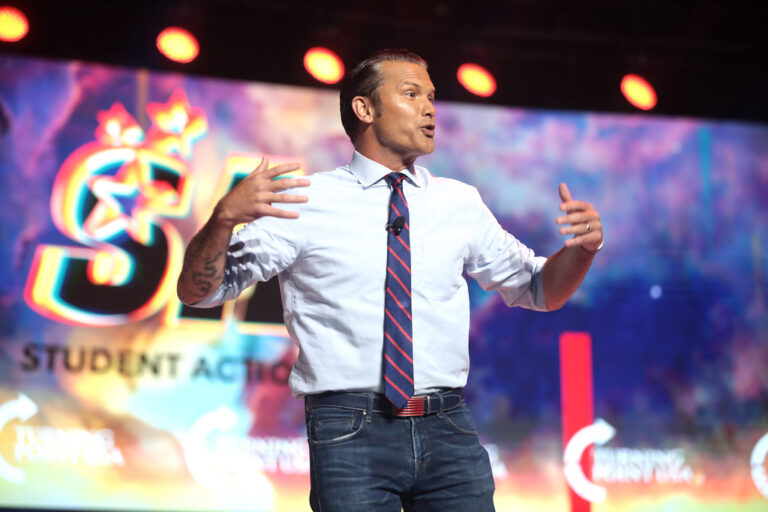

Top Secret War Plans Leak Sparks Fiery Exchange Between Journalist and Defense Secretary

0

Key Takeaways:

  • Jeffrey Goldberg accuses Defense Secretary Pete Hegseth of sharing secret war plans.
  • Hegseth denies the allegations, labeling Goldberg’s claims as false.
  • Goldberg stands by his report, citing detailed evidence.
  • The controversy raises concerns about national security and communication practices.

Fiery Exchange Over Secret War Plans

A heated dispute erupted between journalist Jeffrey Goldberg and Defense Secretary Pete Hegseth over the alleged sharing of classified war plans. Goldberg claimed Hegseth discussed sensitive information in a Signal chat, while Hegseth vehemently denied the accusations, calling them baseless.

Goldberg’s Accusations

Goldberg, editor-in-chief of The Atlantic, reported that Hegseth shared detailed plans in a messaging group. He implied that such actions were irresponsible, given the unsecured nature of the platform. Goldberg emphasized the seriousness of the leak, highlighting the potential risks to national security.

Hegseth’s Strong Response

Hegseth dismissed Goldberg’s claims, stating that no classified information was shared. He criticized Goldberg’s credibility, suggesting a history of unreliable reporting. Hegseth asserted that the discussion was mundane, not secretive.

Goldberg Stands Firm

Despite Hegseth’s denial, Goldberg maintained the accuracy of his report. He provided specifics about the plans, mentioning their origin from Central Command. Goldberg expressed concern over high-level officials using unsecured apps, risking security breaches.

Implications of the Controversy

The debate raises questions about officials’ communication methods. Using apps like Signal for sensitive discussions could expose information to potential leaks or hacks. This incident underscores the need for secure communication channels in handling classified data.

Why It Matters

The clash between Goldberg and Hegseth highlights issues of accountability and transparency. It questions the judgment of officials in using unsecured platforms and the credibility of journalists in reporting such incidents. The public’s trust in both institutions may be affected by how this situation is resolved.

Conclusion

The controversy between Goldberg and Hegseth continues to unfold, with significant implications for national security and journalistic integrity. As details emerge, the focus remains on ensuring secure communication and credible reporting.

Hegseth’s Signal Leak Sparks Security Concerns

0

Key Takeaways:

  • Defense Secretary Pete Hegseth accidentally shared classified info via Signal, a messaging app.
  • He criticized the journalist who reported it, calling them deceitful.
  • Senator Mark Kelly expressed concern, noting this wouldn’t happen under a Democrat.
  • The discussion was overly casual, like ordering pizza, according to Kelly.
  • A Senate hearing is scheduled to address the issue with the CIA director present.

Hegseth’s Mistake and Response Defense Secretary Pete Hegseth recently made headlines for accidentally sharing sensitive military plans on Signal. Instead of addressing the error, he blamed the journalist involved, labeling them deceitful. This reaction has raised eyebrows, highlighting concerns about accountability within the administration.

Senator Kelly’s Strong Reaction Senator Mark Kelly, a member of the Senate Intelligence Committee, criticized Hegseth’s actions. He emphasized that such a breach wouldn’t occur under a Democratic administration, suggesting a double standard in how security issues are handled. Kelly’s remarks underscore the gravity of the situation and the need for scrutiny.

Upcoming Senate Hearing Kelly revealed that a Senate hearing is set to discuss this incident. The CIA director, who was part of the Signal chat, will attend. This hearing aims to delve into the security lapse and evaluate the administration’s handling of classified information.

Casual Communication of Critical Decisions The discussion on Signal was remarkably casual, likened to ordering pizza. Kelly pointed out that such informality is inappropriate when deciding on military actions. This highlights a worrying lack of seriousness in high-stakes communications.

Implications and Next Steps The leak and subsequent response have significant implications for national security and governmental transparency. As the Senate hearing approaches, all eyes are on how these issues will be addressed and what measures will be taken to prevent future breaches. The focus remains on ensuring accountability and upholding the integrity of classified communications.

U.S. democracy at risk?

0

Key Takeaways:

  • The U.S. is facing a constitutional crisis due to actions by five Republican Supreme Court justices.
  • Trump is defying court orders and threatening judges, even prompting Chief Justice John Roberts to speak out.
  • America has a history of progress followed by backlash from wealthy elites and corporations.
  • Historic reforms like the 13th Amendment and Social Security were rolled back by conservative courts and politicians.
  • The Citizens United decision allowed billionaires like Elon Musk to influence politics, threatening democracy.
  • Progressives are fighting back, but the future of democracy depends on public action.

U.S. Democracy At Risk: How Corporate Power and Billionaires Are Hijacking America

The United States is in the middle of a constitutional crisis. Five Republican justices on the Supreme Court have made decisions that hurt the country, leading to fears of an oligarchic takeover. Oligarchy means a small group of wealthy and powerful people control the government.

Donald Trump, the former president, is making things worse. He is ignoring court orders and even threatening judges, which is extremely dangerous. Chief Justice John Roberts, who is usually quiet, has spoken out about this.

This isn’t the first time America has faced such a crisis. The country’s history is filled with periods of progress followed by pushback from wealthy elites and corporations.


A History of Progress and Backlash

The first 80 years of America were marked by the fight against an absolute monarch and corporations. But Southern oligarchs, who relied on slavery, rejected the Founders’ ideals. They turned the South into a brutal place and even started a war that Abraham Lincoln won.

Lincoln introduced progressive reforms like the 13th Amendment, which ended slavery, and the Homestead Act, which gave land to settlers. He also supported unions and created colleges with free education. However, his efforts were rolled back after his death, especially during the corrupt 1876 election.

In the late 1800s, corporations grew so powerful that presidents like Teddy Roosevelt had to step in. He broke up monopolies like Standard Oil. Laws like the Sherman Anti-Trust Act and the Tillman Act tried to stop corporations from controlling politics.

But in 2010, the Supreme Court’s Citizens United decision changed everything. It allowed corporations and billionaires to spend unlimited money on elections, treating money as free speech. This decision has led to the current crisis, where billionaires like Elon Musk can influence politics like never before.


The Current Crisis

The third 80-year cycle started after World War II and is now ending. Presidents like Eisenhower, Kennedy, and Johnson expanded Social Security, passed civil rights laws, and created Medicare. But the 1970s brought a new backlash with the Powell Memo, which encouraged corporations to take over politics.

Today, Trump and Musk are leading this push. They are breaking institutions, stopping the IRS from taxing the rich, and rewriting history to exclude women, Black, and queer people.

The 2010 Citizens United decision opened the door for billionaires to buy politicians. Elon Musk is now using his money to threaten Republican politicians and defeat Democrats.


Can Democracy Be Saved?

In 2022, Democrats tried to pass laws like the For the People Act and the John Lewis Voting Rights Act. These laws would have limited corporate money in politics, stopped gerrymandering, and protected voting rights.

Both bills passed the House but failed in the Senate because two Democratic senators, Sinema and Manchin, sided with Republicans.

However, there is hope. Bernie Sanders and AOC recently drew 86,000 people to rallies. Voters are waking up, and there’s a chance Democrats could win in 2026 and 2028.

But to save democracy, laws like the For the People Act must be passed. Money in politics has always been a problem, and billionaires like Musk are making it worse.


The Power of Public Sentiment

Abraham Lincoln once said, “In this age, in this country, public sentiment is everything. With it, nothing can fail; against it, nothing can succeed.”

This means Americans have the power to change things. By supporting progressive politicians and joining protests, people can push back against billionaires and corrupt politicians.

Judges, lawyers, and politicians who know what’s wrong need the public’s support to stand up to Trump and Musk. Together, we can save democracy and bring back progressive values.

The fight isn’t over yet. Will America return to its progressive roots, or will billionaires and corporations take over? The answer lies in what we do next.

Protest Wave Sweeps the Nation as Americans Stand Firm

0

Key Takeaways:

  • Americans are protesting more than ever, with Tesla showrooms as hotspots despite government pushback.
  • Protests are peaceful and widespread, from cities to unexpected towns.
  • Town halls see record attendance, even without elected officials present.
  • This movement isn’t just in liberal areas—it’s nationwide.

Introduction: Rachel Maddow, host of MSNBC’s The Rachel Maddow Show, highlights a surge in protests across America. She describes this wave as different from past demonstrations, driven by people asserting their right to be heard.

Protests at Tesla Showrooms: Tesla, owned by Elon Musk, has seen protests at its showrooms in New York City, Colorado Springs, and Pasadena. Despite threats from the Trump administration, activists continue to voice their concerns, showing the strength of public sentiment.

Town Hall Meetings See High Attendance: Across the country, town hall meetings are packed. Even when politicians like Senator Jim Banks don’t show up, people still come to express their views. This trend shows a climbing interest in civic engagement.

Protests Span the Country: These gatherings aren’t limited to liberal areas. They’re happening everywhere, from conservative strongholds to unexpected towns. Maddow notes this as a significant shift, indicating widespread dissatisfaction.

Conclusion: This rising wave of activism underscores Americans’ commitment to their rights. The persistence and spread of protests signal a notable shift in civic engagement, showing that people across the nation are uniting to make their voices heard.

Russian Strike on Sumy Wounds Nearly 90, Including 17 Children

0

Key Takeaways:

  • A Russian strike in Sumy, Ukraine, injured almost 90 people, including 17 children.
  • The attack occurred during US-Russia talks in Saudi Arabia about a potential ceasefire.
  • Residential and educational buildings were hit.
  • Rescue operations are ongoing.

Russian Strike on Sumy Wounds Nearly 90, Including 17 Children

In a tragic turn of events, the Ukrainian city of Sumy was struck by a Russian attack, injuring nearly 90 people, among them 17 children. This incident unfolded on the same day Russia engaged in discussions with the US, exploring possibilities for a ceasefire. The strike targeted residential areas and educational institutions, underscoring the ongoing human toll of the conflict.

The Strike’s Impact

Sumy, located near the Russian border, suffered significant damage. Residential buildings, including apartments, were affected, and a local hospital was impacted. Authorities released footage showing damaged high-rises with blackened balconies and debris scattered across a basketball court. Firefighters were seen battling blazes, highlighting the immediate aftermath of the attack.

A Glimmer of Hope for Peace

Meanwhile, in Saudi Arabia, talks between US and Russian officials continued, seeking a path to peace. Despite these efforts, attacks persist, with Sumy being a recent target. The region, once briefly occupied by Russia, remains vulnerable, especially after recent military engagements nearby.

Leader’s Response

Ukrainian President Volodymyr Zelensky addressed the nation, expressing deep concern over the casualties. He emphasized that children were in a shelter during the strike, a small comfort amidst the tragedy. Zelensky reiterated the war’s impact on Ukraine, stressing the ongoing losses and destruction.

Human Toll and Ongoing Conflict

The attack on Sumy serves as a stark reminder of the war’s relentless nature. The targeting of civilians, including children, evokes widespread concern. As diplomatic efforts continue, the situation remains fraught with uncertainty, leaving many hoping for a swift resolution to end the suffering.

This event underscores the urgency for peace and the need for continued global attention on the conflict’s human cost.

Fact Check: Does House Budget Really Protect Medicaid?

0

Key Takeaways:

  • Rep. Nick LaLota claimed he voted to protect Medicaid, Medicare, and Social Security.
  • The budget resolution doesn’t explicitly protect Medicaid.
  • Experts warn Medicaid could face significant cuts.
  • Public opinion strongly supports Medicaid.

Rep. Nick LaLota’s Claim on Medicaid Protection Ignores Budget Reality

In a recent video, Rep. Nick LaLota assured his constituents that his vote on a budget resolution protected Medicaid, Medicare, and Social Security while cutting other areas. However, experts and analysts disagree, pointing out inaccuracies in his claims. The budget resolution, passed by the House, sets spending targets that could put Medicaid at risk.


What the Budget Resolution Really Says

The resolution doesn’t mention protecting Medicaid. Instead, it aims to cut spending across various government programs. Lawmakers would need to draft separate legislation to achieve these cuts, which could directly impact Medicaid.

Medicaid serves over 79 million people, making it a crucial program. The Congressional Budget Office suggests that without cutting Medicare, Medicaid would likely face significant reductions to meet the spending targets. Even if all other areas were cut, Medicaid would still need to be reduced by over $700 billion.


Potential Impact on Medicaid

Proposed cuts could force states to reduce spending or find new funding sources. Changes might include capping federal spending per enrollee, reducing federal matching dollars, and eliminating provider taxes. These adjustments could affect low-income families, children, and the disabled who rely on Medicaid.

Experts warn that these cuts could harm both enrollees and medical providers. States might struggle to maintain current service levels, leading to reduced healthcare access for vulnerable populations.


Public Support for Medicaid

A KFF tracking poll shows strong public support for Medicaid, indicating that cutting it could face political backlash. Even among Trump voters, opposition to Medicaid cuts is significant.


LaLota’s Misleading Focus on Immigrants

LaLota suggested cutting Medicaid spending by targeting immigrants without legal status. However, most states use their own funds to cover such individuals, limiting federal spending in this area. This misrepresents the potential savings and distracts from the broader impact on Medicaid.


Conclusion: The Reality Behind the Rhetoric

Rep. LaLota’s claim that the budget protects Medicaid is misleading. The resolution sets the stage for significant cuts, putting the program at risk. With strong public support, any efforts to reduce Medicaid funding are likely to meet resistance. Accurate information is crucial for informed decisions on these vital programs.

Law Firms Under Fire for Silence on Trump Actions

0

Key Takeaways:

  • Law professor Deborah Pearlstein criticizes Big Law firms for not standing up against Trump’s actions.
  • Big Law firms have the power but remain silent, potentially undermining the legal system.
  • Examples of firms like Covington & Burling and Perkins Coie show their cautious responses.
  • Solidarity among firms is crucial to protect the legal system and democracy.

Introduction

Deborah Pearlstein, a law professor, is calling out top law firms for their silence in the face of Trump’s attacks on the legal system. These firms, known as Big Law, have the power and influence to make a difference but are choosing to stay quiet. Pearlstein argues that their inaction could have serious consequences for the rule of law and democracy.

The Role and Silence of Big Law

Big Law firms are crucial in upholding the legal system and economy. Despite their influence, they are not using their power to challenge Trump’s actions. Pearlstein points out that while individual judges and lawyers are pushing back, big firms are avoiding confrontation. This silence is seen as cowardice by Pearlstein, who believes they should be leading the charge against Trump’s tactics.

Examples of Inaction

Several firms have faced direct retaliation from Trump but have not spoken out. Covington & Burling, which worked with a special counsel investigating Trump, saw their lawyers’ security clearances revoked. Yet, the firm remained silent. Similarly, Perkins Coie, which represented Hillary Clinton, lost federal contracts and access but also stayed quiet. Most strikingly, Paul, Weiss struck a deal with Trump, contributing to his causes, reportedly due to client concerns and competition from other firms.

A Call to Action

Pearlstein emphasizes that Big Law must act collectively. Individual efforts are not enough; solidarity is key. By standing together, these firms can show their commitment to the law and protect the legal system. This solidarity is not just for law firms but also for their clients and the broader democracy.

The Bigger Picture

The silence of Big Law reflects a broader issue where powerful institutions hesitate to challenge authority. This reluctance can weaken the legal system and democracy. Pearlstein urges these firms to remember their obligations to the law and their clients, rather than just avoiding conflict.

Conclusion

Pearlstein’s criticism highlights the critical role of Big Law in defending the legal system. Their silence could have long-term consequences. By standing together, these firms can uphold the law and set an example for others. The time to act is now, to ensure that the rule of law and democracy prevail.

Montana Senate Narrowly Fails to Expel Senator Amid Ethics Scandal

0

Key Takeaways:

  • Senator Jason Ellsworth faced expulsion due to ethical and criminal investigations.
  • The Senate voted 27-23 to expel, but it required a two-thirds majority.
  • Ellsworth apologized for the appearance of wrongdoing but denied any misconduct.
  • A censure motion also failed, leaving his punishment uncertain.

Montana Senate Narrowly Fails to Expel Senator Amid Ethics Scandal

In a dramatic session, the Montana Senate recently tried to expel Senator Jason Ellsworth due to ethical concerns. The attempt failed, but it highlighted deep divisions within the legislative body.

Ellsworth, a Republican from Hamilton, has been under scrutiny for a $170,000 contract with a friend. This deal, along with past issues, led many lawmakers to question his conduct. Despite the controversy, Ellsworth maintained his innocence, though he acknowledged how his actions might have appeared improper.

The Senate Ethics Committee and a Legislative Audit both found issues with Ellsworth’s actions. Additionally, a federal investigation into his business practices added to the pressure. Senator Greg Hertz strongly urged expulsion, citing past incidents like a $600,000 FTC fine and Ellsworth using connections to avoid traffic consequences.

However, not all senators agreed. Some argued that censure, rather than expulsion, was more appropriate. Senator Josh Kassmier proposed stripping Ellsworth of committee roles and privileges as a form of punishment. This approach also failed to gain enough support.

The divide on how to handle Ellsworth reflects broader tensions in the Senate. Four Democrats supported expulsion, but it wasn’t enough to pass. Now, many are considering rule changes to address such issues more clearly in the future.

The situation remains unresolved, with the Senate reluctant to let go of the scandal. As Senator Dave Fern remarked, the chamber may need to accept that expulsion isn’t feasible, leaving the focus on other forms of accountability.

This incident underscores the challenges of holding elected officials accountable and the complexities of political decision-making. It also highlights the need for clear rules to guide future actions when ethical questions arise.


This structured approach ensures clarity and engagement, with each section flowing naturally into the next, providing readers with a comprehensive understanding of the situation.

Calls for Pete Hegseth’s Resignation Grow After Security Breach

0

Key Takeaways:

  • Pete Hegseth, the new Defense Secretary, is under fire for sharing classified war plans in a private chat.
  • A reporter accidentally received the sensitive information, sparking a major security scandal.
  • Conservative columnist David French is leading calls for Hegseth’s resignation, citing a loss of credibility.
  • The breach is considered one of the most severe, with potential criminal charges on the horizon.

Top official faces backlash over classified leak

In a shocking turn of events, Pete Hegseth, the newly appointed Defense Secretary, is facing intense scrutiny after a major security breach. A recent report revealed that Hegseth inadvertently shared classified war plans in a private messaging group, which included a reporter. This stunning leak has sparked widespread outrage and calls for his resignation.


How did this happen?

The incident came to light when a prominent media outlet disclosed that Hegseth had used a private messaging app to discuss sensitive military operations. Unbeknownst to him, a journalist was part of this group, leading to the exposure of classified information about an imminent military strike. This lapse in security has raised serious concerns about Hegseth’s ability to handle sensitive information responsibly.

Critics argue that such a breach is unacceptable, especially for someone in such a high-ranking position. The leak not only compromises national security but also undermines trust in the Defense Department’s leadership.


A conservative critic speaks out

David French, a well-known columnist from a prominent newspaper, has been vocal in his criticism of Hegseth. French, who has a military background, described the incident as a “stunning breach of security” and called for Hegseth’s immediate resignation. He emphasized that no military officer would survive such a serious lapse in protocol, let alone a Defense Secretary.

French also highlighted the severity of the leak, stating that it is one of the most egregious security breaches he has ever encountered. He stressed that such negligence could have dire consequences and demanded a thorough investigation into the matter.


Implications of the breach

The fallout from this incident extends far beyond Hegseth’s credibility as a leader. Experts warn that the leak could jeopardize national security and put lives at risk. Military operations rely heavily on secrecy to ensure success, and the exposure of such details could give adversaries a significant advantage.

Furthermore, this breach raises questions about the broader culture of security within the Defense Department. If classified information is being shared so carelessly, it may indicate a systemic problem that needs to be addressed immediately.


What’s next?

As the situation unfolds, many are calling for swift action. French and others argue that Hegseth’s resignation is the first step toward restoring trust and accountability. They also demand a comprehensive investigation to determine how such a breach occurred and to prevent similar incidents in the future.

The incident has also sparked debates about the use of private messaging apps for official business. Critics argue that such platforms are not secure enough for sensitive government communications and that stricter protocols are needed.


Conclusion

The leak of classified information by Pete Hegseth has sent shockwaves through the political and military communities. The calls for his resignation are growing louder, with critics arguing that his actions have irreparably damaged his credibility as a leader. As the situation continues to unfold, one thing is clear: accountability must be a priority, and steps must be taken to ensure that such a breach never happens again.

In this challenging time, the nation looks for strong, responsible leadership to navigate the complexities of national security. Anything less is unacceptable.