76.1 F
San Francisco
Friday, March 20, 2026
Home Blog Page 103

DeSantis vs Foreign Professors: What’s at Stake?

0

Key takeaways

• Florida’s governor wants to ban foreign professors on H-1B visas at state colleges.
• Only 1.7 percent of faculty in Florida’s public schools hold H-1B visas.
• Critics say foreign professors boost research, teaching, and grants.
• DeSantis calls the move “America First,” while opponents warn of lost expertise.
• A public lawsuit challenges state limits on federal visa rules.

Florida’s governor says he will block H-1B visas for foreign professors in state colleges. He argues that Americans can fill those jobs. His critics warn that cutting foreign talent will harm research and teaching. So far, only about 1,020 out of 60,000 faculty hold H-1B visas in Florida. Yet the fight touches on jobs, science, freedom of thought, and state versus federal power.

Why foreign professors matter in Florida

Foreign professors play key roles in teaching and research. They hold many grants and run labs that study cancer, vaccines, and advanced physics. For example, a clinical researcher from the West Bank works on new therapies at the University of Florida. Meanwhile, a Russian scientist at FSU builds special instruments for magnetic studies. In addition, an Egyptian immunologist ranks among the nation’s top researchers. Without these experts, Florida students and patients might face delays in new treatments and discoveries.

Moreover, foreign professors often bring new ideas. They share methods from other countries. This exchange can spark fresh research questions. It can also open doors for local students to study abroad. Therefore, foreign professors help Florida’s colleges stay competitive worldwide.

How foreign professors shape research and teaching

First, these faculty members lead major grants from national agencies. They secure millions for public universities. Often, foreign professors apply at twice the rate of U.S. peers. They also publish high-impact papers in top journals. Consequently, their work raises the reputation of Florida’s schools.

Second, foreign professors teach classes in STEM fields. Their experience with different education systems can benefit students. A microbiology student at the University of Miami noted that visiting lecturers had unique teaching styles. She said those lessons deepened her understanding of complex topics. Without that diversity, some classes might feel routine and narrow.

Third, international faculty mentor graduate students and postdocs. They guide research projects and help students publish. In turn, these students can enter the workforce with strong credentials. If Florida limits foreign professors, the pipeline for skilled scientists may shrink.

What change would DeSantis’ plan bring?

The governor demands that Florida’s Board of Governors stop issuing new H-1B visas for faculty. He claims universities favor foreign hires over local talent. His team also wants to cut off visas for undocumented students and staff. Finally, he plans new state rules to screen social media of international applicants.

However, H-1B visas fall under federal law. Many experts say the state cannot override federal immigration rules. A coalition of business groups, state attorneys general, and unions has already sued. They argue that Florida’s plan is illegal and harms the economy.

What experts and students say

University leaders warn that research will suffer. They point to labs run by foreign professors that study HIV vaccines and cancer therapies. One provost said that shrinking these teams could halt critical work on new treatments.

Students voice mixed views. Some support the governor’s push for local jobs. Yet plenty fear losing classes taught by foreign professors who inspired them. A sophomore in immunology said she learned to ask bolder questions after hearing a lecturer from China. Without that perspective, she worries her training would feel narrow.

Meanwhile, international scholars feel uncertain. Many came on H-1B visas for short-term research stays. They worry about families, homes, and careers if visas dry up. Some plan to leave Florida or explore jobs at private companies. That could drain the state’s academic talent pool.

Balancing state power and federal law

State leaders argue they should guard taxpayer dollars and local jobs. On the other hand, immigration experts note that visa authority is federal. Courts will decide if Florida can set its own rules. Until then, universities face confusion over hiring and renewals.

Questions also arise about academic freedom. Opponents say that limiting foreign professors can narrow debate and censor ideas. They point out that scholars from certain countries may already feel pressure to avoid sensitive topics. Adding state visa bans could worsen self-censorship on campus.

The broader impact on Florida’s economy

Florida invests heavily in research at public universities. Grants bring in federal money and create private-sector partnerships. Labs develop new biotech startups. Tourists and industries value Florida’s science reputation. If foreign professors leave, these benefits could dwindle.
Moreover, high-tech companies often follow academic research. They hire graduates, license patents, and set up offices near universities. Without a steady flow of new discoveries and talent, Florida risks losing jobs and investment.

A path forward

Some policymakers suggest a compromise. They propose stricter reviews for H-1B applications but no outright ban. Others recommend better training programs for local students and researchers. That could help fill gaps without cutting off foreign expertise.

Finally, open dialogue among state officials, university leaders, and students may ease tensions. By working together, they could set clear, fair priorities. This way, Florida can protect local jobs and remain a hub for global research talent.

Frequently asked questions

How many foreign professors work in Florida’s public universities?

About 1.7 percent of faculty, roughly 1,020 professors, hold H-1B visas in Florida’s colleges.

Why does the governor want to ban H-1B visas for faculty?

He argues that local Americans can fill those roles and that universities should hire more U.S. residents.

Can Florida override federal visa rules?

Federal immigration law generally controls H-1B visas. Courts will decide if a state can set its own limits.

What might happen if foreign professors leave Florida?

Research on health, technology, and basic science could slow. Universities may lose grants and industry partnerships.
Bari Weiss Faces Heat Over CECOT Debate

0


Key Takeaways:

  • CBS News boss Bari Weiss sparked staff revolt with her call for a “fair” CECOT Debate.
  • Legal expert Aaron Reichlin-Melnic says the issue is settled by a unanimous Supreme Court ruling.
  • Critics argue the Trump administration broke due process under the Alien Enemies Act.
  • CBS reporters and anchors openly criticized Weiss’s flawed reasoning.
  • The dispute raises questions about CBS News credibility and future coverage

Inside the CECOT Debate

CBS News chief Bari Weiss recently asked her team to cover a “real debate” over the CECOT megaprison. She suggested giving equal time to those who say President Trump followed the law. However, she ignored that the Supreme Court already ruled the process illegal. This CECOT Debate has divided CBS staff. It has also sparked a fight over reporting standards and journalistic fairness.

How the CECOT Debate Unfolded

Bari Weiss made her comments on social media platform X. She said, “The admin argues detainees deserve judicial review. We should show voices on both sides.” She added the network could spare time by cutting down analysis by Governor Kristi Noem. In response, Aaron Reichlin-Melnic, senior fellow at the American Immigration Council, shredded her argument in a post. He called it “complete nonsense” and accused Weiss of inventing a false controversy.

Why Critics Call Out the CECOT Debate

Critics say the CECOT Debate is already settled. The Supreme Court ruled 9-0 that the process used to send people to CECOT violated due process. There was not a single dissent. Furthermore, the Trump team lied to detainees about their rights. They rushed the operation overnight to dodge judicial review. Reichlin-Melnic argues that treating the case as open to debate ignores these facts. He says there is no room for “both sides” when the law is clear.

What This Means for CBS News

Key CBS reporters and anchors have gone public with their frustration. They worry this approach will harm the network’s reputation. Many staff feel that asking for a “debate” over a settled legal issue undermines journalistic integrity. Meanwhile, other news outlets have pointed out the Supreme Court’s decision twice over. Some insiders believe this clash could trigger more resignations or edits to the news desk.

Looking Ahead

In the coming weeks, CBS News may revisit its coverage plan for CECOT. Journalists and legal experts will push for context and clarity. They want fresh reporting on what went wrong and how to avoid repeating legal mistakes. At the same time, the network’s leadership faces pressure to restore trust. Viewers will watch to see if CBS offers a transparent, fact-based account of the CECOT saga.

Frequently Asked Questions

What is the CECOT megaprison?

CECOT is a high-security detention center where the Trump administration sent certain non-citizens under the Alien Enemies Act. Critics say the process denied detainees basic rights.

Why do critics say the debate over CECOT is over?

Because the Supreme Court ruled unanimously that the process broke due process rules. The court found no valid legal argument to keep it in place.

Who is Bari Weiss and what did she propose?

Bari Weiss is the new head of CBS News. She suggested giving airtime to those who argue Trump’s actions were legal, creating a “debate” on CECOT.

What did Aaron Reichlin-Melnic say about this debate?

He called it “complete nonsense.” He pointed out the Supreme Court’s clear ruling and accused Weiss of ignoring key facts.

What might happen next after this controversy?

CBS may revise its coverage to focus on legal rulings and firsthand accounts. The network’s credibility and staff morale will likely guide those changes.

JD Vance Workout Photos Ignite Online Mockery

0

Key Takeaways

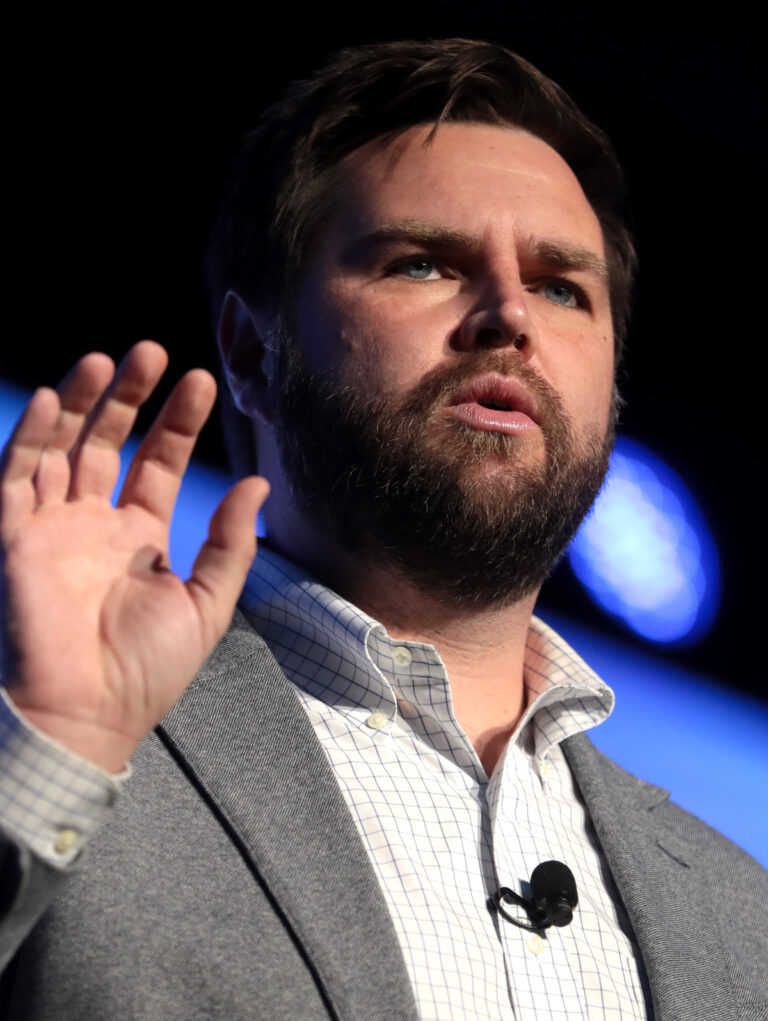
• Vice President JD Vance promised to share photos from a 90-minute workout with Navy SEALs.
• The pledge led to a flood of jokes and critiques on social media.
• Critics said the Vance workout photos felt like a publicity stunt.
• Questions arose about why he trained with SEALs and why he shared images.
• Observers urged Vance to focus on policy issues instead.

Vice President JD Vance announced he had finished a 90-minute exercise session with U.S. Navy SEALs. He added he would post photos once he got them. However, rather than praise, the promise sparked jokes and eye rolls online. Many users wondered why Vance needed to show off a military workout. Others said it felt like a reality show instead of real government work.

Why Vance Workout Photos Matter

Vance said he felt like he had been “hit by a freight train.” He thanked the SEALs for taking it easy on him. He also praised their high standards. Soon after, people on social media reacted. A student in London called for no one to see the Vance workout photos. He wrote, “Dawg, we don’t want your workout pics.” Another user said, “Reality TV instead of effective government.” These responses show how quickly political moves can backfire when they feel staged.

Online Critics Poke Fun at Vance Workout Photos

Many critics felt Vance crossed a line by sharing training snapshots. They argued that leaders should focus on real problems. For example, a Democratic strategist pointed out the cost of housing and groceries. He asked, “Cool, man—but when you’re done cosplaying, can you and your boss do something about prices?” As a result, the focus shifted from Vance’s words to his motives. Moreover, some people complained the post was out of touch.

What’s Behind the Training Session?

It remains unclear why Vance joined the Navy SEALs for a workout. He served as a military journalist in the Marine Corps years ago. Then he won a Senate seat in 2022. Just two years later, he became vice president. Yet no details explain where or why he trained with elite forces. This gap led to even more questions about the Vance workout photos. People wondered if it was part of a campaign, a gift, or a random opportunity. In addition, they doubted if it truly reflected his daily routine.

Impact on Public Image

The social media reaction shows how images shape public support. Vance likely hoped the post would highlight his respect for the military. Instead, the Vance workout photos became a source of mockery. Observers said posting such photos is more like a reality show stunt. They felt it distracted from key issues like the economy. Therefore, some noted it might harm his credibility. Meanwhile, others argued it was harmless fun. Still, in politics, perception can influence real-world outcomes.

Future Considerations for Vance

After the backlash, Vance faces choices. He could share the promised photos and risk more jokes. Or he could skip the images and move on. Either way, he needs to regain focus on policy. People expect leaders to solve serious challenges. They want action on inflation, job growth, and safety. If Vance shifts attention back to these topics, he may recover. However, if he keeps posting elaborate stunts, critics will pounce again.

FAQs

Why did JD Vance promise to share his workout photos?

He wanted to show appreciation for the Navy SEALs and highlight their dedication. He also aimed to connect with followers on social media.

What did critics say about the Vance workout photos?

Critics called the move a publicity stunt. They argued leaders should focus on policy issues, not fitness bragging.

Did Vance explain why he trained with SEALs?

No. He did not specify where or why he joined the 90-minute session, leaving people to guess.

Could posting these photos hurt Vance’s career?

Potentially. The backlash shows how public perception matters. If he keeps focusing on such stunts, he may lose credibility.

Why the Justice Department Deadline Failed

0

Key Takeaways

  • The Justice Department deadline for releasing Epstein documents was missed.
  • The law has no penalty or clear enforcement method for missing that deadline.
  • Legal expert Elliott Williams says nobody can force the Justice Department to act.
  • Congress has few realistic options to demand accountability.

The Justice Department deadline is a date set by Congress. It told the department to make certain files public by a specific time. Those files involve documents tied to the Jeffrey Epstein case. However, the department only released some of the records. More files are still hidden. Even though the deadline passed, the documents remain partly secret.

Why the Trump Justice Department struggled with it

The deadline fell while the Trump Justice Department led the effort. Yet they did not meet even the basic requirements. They released some files, but many remain under wraps. When agencies expect a miss, they usually warn Congress or the court. They send a status update or ask for more time. In this case, the Justice Department stayed mostly silent. As a result, the deadline came and went without full compliance.

The flaw in the law that sets this deadline

A major problem lies in Congress’s law itself. The law orders a Justice Department deadline but includes no penalty for missing it. It also offers no way for people to sue. Even victims who want those files can’t force their release. Without an enforcement tool, the deadline lacks real power. It stands more like a suggestion than a rule.

What experts say about enforcement

Elliott Williams, a former federal prosecutor, talked about this on CNN. He noted the missing penalty and the lack of a path for lawsuits. He said that without a way to challenge the department, nobody can demand those documents. He added that victims or outside groups would face a tough fight in court. They would struggle to prove they have the right to sue Congress or the Justice Department over the delay.

Ways Congress could respond

Congress has a few choices, but none are guaranteed to work. Members of Congress can summon Justice Department officials for questioning. They can hold public hearings to apply pressure. In extreme cases, lawmakers could vote to hold the attorney general in contempt. However, experts say that outcome is very unlikely. Political will and public interest would have to stay high for any of these moves to succeed.

How courts might step in

Courts often demand status reports when agencies miss deadlines. They can issue orders to keep things on track. Yet, experts point out that courts need a clear rule to enforce. Since the law didn’t include a penalty, judges may say they have no basis to force the department. In practice, courts avoid stepping on executive branch authority unless Congress gives them strong direction.

What this means for the public

Many people want full transparency in the Epstein case. They hope for all the hidden details to see the whole picture. However, with no real penalty for missing the Justice Department deadline, they must wait and watch. The delay could last months or even years. Meanwhile, critics say this shows a gap in how laws on public records work. They argue that future laws need better enforcement tools.

What might happen next

More documents could appear at any time without warning. The Justice Department might release the rest in a final batch. Or Congress could pass a new law to fix the enforcement gap. Public pressure might grow if activists and the media keep pushing. Still, until a clear penalty or action plan exists, accountability will remain weak. In short, we just have to hope the department acts in good faith.

Frequently Asked Questions

What happens if the Justice Department misses a deadline?

If the department misses this deadline, nothing immediate happens. The law includes no penalty. Congress can question officials or hold hearings, but real consequences are limited.

Can victims sue to force document release?

No. According to legal experts, victims have no standing to sue. The law provides no clear path to challenge the department’s delay in court.

Could Congress add penalties to future deadlines?

Yes. Congress can draft new language to include fines or other penalties. They can also specify legal actions that outside parties can bring.

Why are the Epstein documents so important?

These files may shed light on how high-profile figures interacted with Epstein. They could reveal new details about his crimes and possible connections.

Why the Heritage Foundation Is in Chaos

0


Key Takeaways

  • The Heritage Foundation faces mass resignations from top scholars.
  • A scathing letter by Josh Blackman blamed leadership over antisemitism.
  • Judges and advocates are cutting ties with the Foundation’s constitution guide.
  • The Meese Center programs and book signings have been canceled.
  • This upheaval could change the Heritage Foundation’s role in conservative politics.

The Heritage Foundation’s Crisis Unfolds

The Heritage Foundation once held great power. It helped shape Project 2025, Donald Trump’s plan to reshape government. However, a fight over antisemitism has pushed it to the brink of collapse. Many top scholars have resigned in protest. They blame the leadership for defending a figure tied to hate speech.

Josh Blackman, a senior editor of the Foundation’s constitution guide, led the exodus. He wrote an open letter to CEO Kevin Roberts. In it, he slammed the defense of a guest who promoted antisemitic ideas. His words set off a chain reaction across the conservative legal world.

Heritage Foundation Faces Scholar Exodus

Josh Blackman spoke out for many when he resigned. He called Roberts’s defense of a controversial figure “an unforced blunder.” He said it gave comfort to rising antisemitism on the right. As a result, judges, scholars, and advocates can no longer attach their names to the guide.

First, the controversy halted the launch of the third edition of the guide. Then, contributors pulled out one by one. Even Supreme Court Justice Samuel Alito, who wrote the foreword, faced pressure. Many asked, How can we stay linked to a group under such scrutiny?

What Triggered the Mass Exodus?

The spark that set off the chaos was a defense of a media host. That host had given a platform to a Holocaust denier and white supremacist. When Kevin Roberts stood by that decision, alarms rang at Heritage.

Moreover, the comments repeated some antisemitic tropes. As Blackman noted, antisemitism is a warning sign for any society. It shows danger ahead. His letter said the Foundation’s work “came to a crashing halt” and that he could no longer stay on board.

Furthermore, the controversy reached the Federalist Society convention. The Meese Center for Legal and Judicial Studies had to cancel its book signing there. That event was meant to highlight the new constitution guide. Instead, it became a symbol of the Foundation’s fractured state.

Impact on the Heritage Guide and Meese Center

The Heritage Foundation’s guide to the Constitution had been a crown jewel. It boasted contributions from over 150 jurists, scholars, and advocates. Now, courts and law firms no longer recommend it. Law students drop plans to attend the Clerkship Academy.

Consequently, the Meese Center risks losing its influence. It once trained new conservative judicial nominees. Now, it faces empty seats, canceled events, and a shrinking reputation. Blackman lamented the damage as “irreparable” to the Meese Center brand.

The guide itself may survive in libraries, but its power has dimmed. Without top names attached, its authority fades. Judges who once cited it in decisions may avoid any link to the Foundation.

Why This Matters to Conservatives

The Heritage Foundation helped shape public policy for decades. Its research and guides gave conservative ideas weight. Now, a civil war within its walls could weaken the entire movement.

Furthermore, other think tanks watch closely. They wonder if similar controversies could rock their world. They see how quickly a single comment can trigger a scholar exodus. Therefore, they may tighten controls on who speaks for them.

Moreover, conservative donors may rethink their support. They prize unity and respectability. Antisemitism accusations threaten both. If the Heritage Foundation can’t contain this breach, donors might look elsewhere.

Is There a Path to Recovery?

Some call for new leadership at the top. They want a CEO who can unite the ranks and uphold clear values. Others urge a formal apology and real policy changes. They demand firm stances against hate speech and bigotry.

However, rebuilding trust takes time. Many scholars doubt the Foundation can heal under current leadership. Therefore, a full board review or an outsider audit may be needed. Only strong action could reassure contributors and judges.

The Future of the Heritage Foundation

The coming weeks will show if the Foundation can regain stability. It must choose between reform or further decline. If it fails, rival think tanks may step in to fill the void.

Yet, there is still hope. Many supporters want the Heritage Foundation to succeed. They believe in its mission to defend the Constitution and free markets. With clear policies and respectful debate, it can rebuild.

Until then, the Foundation remains in chaos. The exodus of top scholars marks a turning point. How the leadership responds will shape its legacy for years to come.

FAQs

What caused the scholars to resign from the Heritage Foundation?

They left after the CEO defended giving a platform to a figure tied to antisemitic views. This sparked a strong protest from legal experts.

Who is Josh Blackman and why did he speak out?

Josh Blackman was a senior editor on the Foundation’s constitution guide. He wrote an open letter blaming leadership for aiding antisemitism.

How did the controversy affect the Meese Center?

The Meese Center lost events, contributors, and its reputation. Its book signing at a major convention was canceled.

Can the Heritage Foundation recover from this crisis?

Recovery will require leadership changes, clear anti-hate policies, and rebuilding trust with scholars and donors. This process could take months or years.

Lawsuit Seeks to Block Trump Rename at Kennedy Center

Key Takeaways

• A lawsuit aims to stop President Trump’s rename of the Kennedy Center.
• Representative Joyce Beatty says only Congress can change the center’s name.
• The lawsuit names Trump and his Kennedy Center board members.
• Beatty tried to speak up but was cut off during the board vote.
• The case could set a key ruling on federal authority and the Constitution.

What’s Happening at the Kennedy Center

Last week, the Kennedy Center board voted to add President Trump’s name to the building. Immediately, staff changed the website and social media to “Trump Kennedy Center.” This move shocked supporters of the arts and many lawmakers. Representative Joyce Beatty, who sits on the board by right of her office, called the vote illegal. She says only Congress can change the center’s name. Therefore, she filed a lawsuit in federal court in Washington, D.C.

Why This Lawsuit Targets the Kennedy Center Name Change

Representative Beatty argues the name change breaks federal law and the Constitution. She filed the lawsuit against President Trump and board members he chose. Beatty’s lawyer, Norman Eisen, served as ethics counsel under President Obama. He says the board acted outside its authority. Moreover, Congress clearly stated the name must honor John F. Kennedy. The lawsuit asks a judge to force removal of Trump’s name and restore the original name.

How the Lawsuit Will Proceed

The case is now before a federal judge in D.C. First, the court will decide if Beatty has the right to sue. Next, judges will consider whether the board’s vote really broke federal law. If the court agrees with Beatty, it could order the Kennedy Center to remove Trump’s name at once. However, Trump’s team says no congressional approval was needed. Therefore, the court could side with Trump. Either way, the decision may set a precedent on limits to presidential power.

What Led to the Naming Dispute

President Trump’s allies on the Kennedy Center board picked him as chair. Soon after, they proposed adding his name to the building’s exterior. Board members held a virtual meeting to approve the change. Beatty tried to object but could not speak. She says the call cut her off, then members declared the vote unanimous. The next morning, work crews placed new letters on the front of the center. The website and social media accounts followed, calling it the Trump Kennedy Center.

Reactions and Impact on the Arts Community

Many artists, patrons, and staff worry this rename will harm the center’s reputation. The Kennedy Center hosts top musicians, actors, and dance companies. They fear the change will turn a respected national arts institution into a political stage. Some performers may skip events or demand refunds. Donors could halt their gifts. Local businesses nearby might also feel the shock if visitor numbers drop. Overall, the unexpected rename has sparked deep concern in Washington’s cultural scene.

Legal and Constitutional Questions

This lawsuit raises big questions about federal power. First, it tests if a president can change the name of a building created by Congress. Second, it examines checks and balances: can Congress act to reverse the decision? Third, it touches on free speech and government control over public landmarks. If the court rules in Beatty’s favor, it confirms that Congress controls all federal facility names. If it sides with Trump, the president may gain more power over federal sites.

What Could Happen Next

The court may hold hearings in coming weeks. Both sides will present legal arguments and evidence. Observers expect a swift ruling because the case concerns clear statutory language. Meanwhile, Congress could step in. Some lawmakers already said they plan to introduce a bill to reaffirm John F. Kennedy’s legacy at the center. If passed, such a bill would override the board’s action and force removal of Trump’s name. Regardless, the battle highlights how one name can shape national memory.

Looking Ahead for the Kennedy Center

No matter the outcome, this lawsuit will leave a mark on the Kennedy Center’s history. If the name returns to honor JFK, the center may emerge stronger. It could spark new debates about presidential legacy and art funding. If the court upholds the rename, Congress may face pressure to tighten rules on federal landmarks. Meanwhile, visitors can still enjoy world-class performances at the center, even as the future of its name hangs in the balance.

Frequently Asked Questions

What law says only Congress can rename the Kennedy Center

The law that created the Kennedy Center specifies its name in federal code. Only Congress can amend that code.

What happens if the court rules against Trump

If the court sides with Beatty, it will order the removal of Trump’s name. The center would revert to its original name.

Can Congress act before the court decides

Yes. Congress could pass a law to restore the Kennedy Center’s name anytime. Such a law would take effect once signed by the president.

Will this case affect other federal buildings

Potentially. A ruling limiting presidential power here could apply to other federal sites. It could curb future name changes without congressional approval.

Why the Heritage Foundation Is Losing Scholars

0

Key Takeaways

• The Heritage Foundation faces a mass departure of top scholars.
• Leaders from major policy centers are moving to Advancing American Freedom.
• The think tank’s shift on trade, defense, and judicial views fueled unrest.
• Experts warn that abandoning core principles risks the Heritage Foundation’s future.

Heritage Foundation’s Internal Crisis Grows

The Heritage Foundation stands at a critical crossroads. Over the past weeks, many top experts have left. This unusual exodus shocks political circles. Indeed, it all began when the president defended a controversial interview.

A Turning Point in Heritage History

Last month, Heritage Foundation president Kevin Roberts applauded Tucker Carlson. Carlson had hosted an interview with a known extremist. The move triggered fierce backlash over fears of antisemitism. As a result, more than 15 scholars quit. They cited a betrayal of core values.

Key Players Jump Ship

Among the defectors are heads of three vital centers. These include the Edwin Meese III Center for Legal and Judicial Studies. Also leaving were leaders from the Center for Data Analysis. In addition, the head of the Roe Institute for Economic Policy Studies resigned. Edwin Meese himself endorsed the shift. At ninety, the former attorney general broke from the group bearing his name.

A New Haven for Former Scholars

The departing staff joined Advancing American Freedom. This foundation launched in 2021 by former Vice President Mike Pence. There, they hope to restore their old ideals. Moreover, they aim to draft policy without fear of extremism.

How Heritage Foundation Policies Shifted

Previously, the Heritage Foundation backed free trade deals. Now, it favors protectionist tariffs. It once supported a strong American role overseas. Yet it purged top defense experts two years ago. At first, it championed an originalist view of the Constitution. Today, it often defends broad executive power, especially for former President Trump.

Why Scholars Are Worried

First, they see the think tank straying from proven ideas. Second, they sense a tolerance for hate speech. Third, they fear donors will flee. After all, donors back clear principles, not daily drama. If the Heritage Foundation loses support, it may not recover.

The Role of Leadership

Critics argue the board failed to act quickly. They warn that slow responses to scandals can sink trust. A think tank lives on credibility and talent. Without clear leadership, both may vanish.

Rebuilding Trust and Purpose

To survive, the Heritage Foundation needs new leaders. They must reaffirm core principles. They also should repair ties with scholars and donors. Transparent policies and open dialogue can help. Only then can it regain respect in policy circles.

What This Means for Policy Debates

Heritage scholars shaped major ideas for decades. Their work influenced courts, trade talks, and defense habits. If the Foundation collapses, a big void opens in conservative circles. Meanwhile, rivals like Advancing American Freedom gain ground.

Looking Ahead for the Heritage Foundation

Can the Heritage Foundation reclaim its former glory? It must start by listening to those who left. Then, it needs a clear vision that honors its history. Without that, it risks fading into irrelevance.

The Broader Impact on Think Tanks

Other policy groups now watch closely. They see a reminder that values matter more than fame. Think tanks thrive when people and money believe in the mission. Otherwise, they crumble from within.

Moving Forward with Principles

In essence, the Heritage Foundation must choose. Stay true to founding ideas or chase headlines. Its next steps will decide if it remains a leading voice. Scholars, donors, and the public will judge it by its actions.

Frequently Asked Questions

What triggered the mass departure from the Heritage Foundation?

The exodus began when the president defended a controversial interview seen as antisemitic. This led over 15 scholars to resign.

Where did the departing scholars go?

They joined Advancing American Freedom, a foundation started by former Vice President Mike Pence.

How did the Heritage Foundation’s policies change?

The think tank shifted from supporting free trade and strong defense to backing protectionism and broad executive power.

Can the Heritage Foundation recover from this crisis?

Recovery depends on new leadership, a clear return to core principles, and rebuilding trust with scholars and donors.

Missed Redaction Sparks Outrage in Epstein Files Release

0

Key Takeaways

  • The Justice Department failed to hide the name of at least one Epstein survivor in the newly released Epstein files.
  • CNN anchor Erin Burnett sharply criticized the DOJ for this major oversight.
  • Survivor “Jane Doe” found her full name unredacted, even after alerting officials.
  • Lawmakers, including Rep. Ro Khanna, demand answers and faster action.

Why the Epstein files mistake matters

Late Monday, CNN anchor Erin Burnett revealed that the Justice Department did not shield the identity of at least one Epstein survivor in the newly released Epstein files. This lapse directly contradicts the DOJ’s stated reason for delaying the documents. Officials insisted they needed extra time to protect victims. Yet one woman found her name in plain sight.

Burnett explained that the survivor, who goes by Jane Doe, saw her full name listed multiple times in the files. She then contacted the DOJ over the weekend. Despite her warning, the agency still failed to remove her name. This error highlights a deep problem in the release process.

Burnett’s Sharp Criticism

Burnett wasted no words. She called the mistake “a huge oversight on the DOJ’s part” and labeled it “unacceptable and dangerous.” She pointed out that the Justice Department redacted the names of men accused of rape, yet left a victim’s name exposed. “That doesn’t add up,” Burnett said. She played a DOJ statement that claimed protecting victims was central to the review. Then, she asked why the department took so long if they could not even get that right.

Political Reaction and Oversight

Rep. Ro Khanna sits on the House Oversight Committee. He joined Burnett’s show to condemn the error. He called it “shameful” and “infuriating.” Other members of Congress have also voiced concern. They want hearing dates and clear answers on how the mistake happened. Moreover, they demand to know when the rest of the Epstein files will be released.

Impact on Survivors

The unredacted name raises real fears. Survivors count on the DOJ to guard their privacy. When that trust breaks, they may hesitate to come forward. In fact, some may fear more exposure. This can delay justice for victims who need to speak out. It also hurts public confidence in the legal system.

What Comes Next

Lawmakers now insist on fast fixes. They urge the DOJ to:
• Redact any unprotected survivor names immediately
• Explain why the original process failed
• Share a clear timeline for releasing all remaining files

Meanwhile, CNN and other news outlets will keep pressure on the DOJ. Viewers and readers deserve full transparency. They also need assurance that victim safety comes first.

Conclusion

The Epstein files saga took a new turn when Erin Burnett revealed the Justice Department’s redaction blunder. That error now threatens both victim privacy and the DOJ’s credibility. As oversight committees demand answers, a speedy fix is critical. Otherwise, survivors and the public will face greater harm.

Frequently Asked Questions

What are the Epstein files?

The Epstein files are court documents related to cases against Jeffrey Epstein. They include witness statements and legal filings.

Why did the DOJ delay releasing these documents?

The Justice Department said it needed time to protect the identities of Epstein survivors.

How did Jane Doe find her name unredacted?

Jane Doe searched the files after their release. She saw her full name listed multiple times. Then she alerted DOJ officials.

What happens next for the unredacted names?

Lawmakers call for an immediate review. They want all survivor names to be redacted and a clear plan for finishing the document release.

JD Vance Sparks Fiery Clash on CNN

0


Key Takeaways:

• A heated on-air argument broke out over JD Vance’s role in the MAGA movement.
• Conservative strategist Tim Parrish and progressive commentator Adam Mockler clashed fiercely.
• The fight highlighted divisions over antisemitism and extremism at a recent political convention.
• Host Abby Phillip had to step in to regain control of the discussion.
• The dispute raises fresh questions about unity and leadership within the MAGA movement.

JD Vance Faces Heated Debate on CNN

On Monday night, CNN’s “NewNight” turned tense when host Abby Phillip asked about JD Vance’s vision for the MAGA movement. She mentioned disputes over antisemitism and extremist language at the Turning Point USA convention in Phoenix. Conservative strategist Tim Parrish leaped to Vance’s defense. Meanwhile, progressive voice Adam Mockler argued that Vance has sidestepped hard questions about extremism. As the panel continued, sparks flew between Parrish and Mockler, forcing Phillip to step in.

Phillip opened the segment by asking whether controversial remarks from some conservatives reflect the leadership that JD Vance offers as a new figurehead. She noted comparisons of diversity initiatives to extremist ideology. Then she asked Parrish if Vance truly believes Americans from all backgrounds belong in the party.

Parrish responded forcefully. He insisted that Vance wants a party where everyone feels welcome. He accused Democrats of hypocrisy for ignoring past inflammatory remarks from one of their own. Parrish pointed at Mockler and said Democrats stayed silent about those comments. In his view, that silence showed a double standard.

Divisions in MAGA Movement Surrounding JD Vance

Recent events at the Turning Point USA convention highlighted sharp divides in the conservative camp. Some figures compared diversity programs to extremist views, creating outrage among other attendees. Critics worry that such rhetoric alienates minority voters and tarnishes the broader movement. Supporters of JD Vance argue he has tried to steer clear of these controversies.

However, the infighting suggests deeper fractures. On one side, traditional conservatives urge a big-tent approach that welcomes all Americans. On the other, hardliners reject what they see as guided by elite or academic influence. JD Vance finds himself in the middle of this tug-of-war. Therefore, any debate about his leadership becomes a proxy for broader ideological battles.

Moreover, the clash on CNN showed how quickly discussions about policy can become personal attacks. On live television, the conversation shifted from political disagreement to pointed insults. That slide underscores how raw feelings run on both sides of the aisle.

A Personal Exchange Heats Up

As Parrish defended Vance, Mockler accused him of dodging the movement’s extremist elements. Mockler argued that Vance has avoided directly confronting those voices. He claimed Vance “plays fast and loose” with the MAGA base to keep them onside. Then Mockler targeted CNN’s conservative commentator Scott Jennings, adding more fuel to the fire.

Parrish shot back, pointing his finger at Mockler. He said it was “sickening” that Democrats didn’t speak up against those earlier remarks. “You went dead silent,” Parrish pushed. Mockler snapped back in disbelief, questioning why Parrish would assume silence from him. The two spoke over each other, raising their voices as tension grew.

Phillip had to intervene. She reminded both panelists to speak one at a time. Then she steered the conversation back to the bigger question: What does all this mean for JD Vance’s reputation and the unity of the MAGA movement?

What This Means for the MAGA Movement

This on-air confrontation highlights real challenges within the conservative coalition. On the one hand, JD Vance brings fresh energy and a connected public profile. His rise to the vice presidency signals a new chapter for the MAGA brand. On the other hand, the movement faces criticism for tolerating extreme language and fringe views.

Division over antisemitism accusations shows how sensitive these issues have become. If one faction claims the other tolerates bigotry, trust erodes fast. Meanwhile, leaders like JD Vance must decide whether to calm the rhetoric or risk losing core supporters. Either choice carries risk: stand firm on inclusivity and upset hardliners, or embrace extreme voices and alienate moderate voters.

Furthermore, the public airing of these disputes on CNN adds pressure. Voters nationwide saw a candid look at a fractured group. Opponents can seize on this moment to question the movement’s stability and message discipline. Therefore, how JD Vance responds in coming weeks could shape broader perceptions of his leadership.

Looking Ahead

Going forward, the focus will shift back to campaigning and policy ideas. JD Vance will need to clarify his stance on diversity, free speech, and party unity. He may choose high-profile appearances to reassure moderates. Alternatively, he might double down on criticism of establishment figures to solidify his base.

In addition, party operatives will watch how other leaders react. Will they rally behind calls for a more inclusive movement? Or will hardliners continue to push controversial comparisons and statements? The outcome will affect future conventions, fundraising, and election strategies.

CNN’s heated exchange underscores one fact: unity in politics is fragile. As JD Vance moves into a higher office, every split in his movement will draw scrutiny. Meanwhile, viewers and voters will judge whether he can bridge the divisions exposed on live television.

FAQs

What sparked the clash on CNN?

The argument began when Abby Phillip asked about antisemitism and extremist language at a recent convention. Tim Parrish and Adam Mockler then debated JD Vance’s leadership and moved into personal attacks.

Why is JD Vance under scrutiny?

Some critics say JD Vance has not forcefully condemned extremist elements. Supporters argue he promotes a big-tent approach. The debate spotlights divisions over inclusivity and ideology.

How did each side respond during the exchange?

Parrish defended JD Vance and accused Democrats of hypocrisy. Mockler countered that Vance avoids confronting extremists. Both raised voices until the host intervened.

What could this mean for the MAGA movement?

The public split highlights challenges in balancing broad appeal with hardline support. Future unity may depend on how JD Vance addresses these internal disputes.

NCAR Funding Threat Ignites Bipartisan Clash

0


Key Takeaways

• Lawmakers from both parties oppose cuts to NCAR funding.
• Eighty members of Congress signed a letter defending NCAR.
• NCAR’s research helps predict floods, fires, and storms.
• Blocking the budget bill also halts a plan to move Space Command.
• Colorado’s entire delegation, even Trump allies, stand against cuts.

The plan to cut NCAR funding has sparked an unexpected fight. Republicans and Democrats joined forces to protect the National Center for Atmospheric Research. They sent a strong letter to Congress. They want the center to keep its budget. NCAR studies weather risks like fires and floods. Its work helps families, farmers, and communities prepare for storms.

Why NCAR funding matters

NCAR funding supports vital weather research. Scientists study how heat, rain, and wind create floods and wildfires. They run supercomputers to predict storms days in advance. This warning time can save lives. It also helps farmers plan when to plant and harvest crops. Without enough money, NCAR may lose staff or cut projects. In turn, weather warnings could weaken. That risk could cost lives and damage property.

Moreover, NCAR helps the United States lead in climate science. Its findings shape safety plans for cities and states. They guide policies on water use and fire prevention. In a changing climate, this work grows more crucial each year. Therefore, ensuring stable NCAR funding is like investing in our security and economy.

Lawmakers unite to save NCAR

On Monday, a bipartisan group of 80 lawmakers signed a letter. It asked budget leaders to keep NCAR funding strong. Three Republican representatives joined the effort: Jeff Hurd, Jay Obernolte, and Brian Fitzpatrick. They stood alongside Democrat Joe Neguse and Senators Michael Bennet and John Hickenlooper. They all represent Colorado or care about its research labs.

Representative Jeff Hurd spoke for many when he said cutting NCAR makes no sense. He stressed that scientists there save lives by forecasting storms. He also noted that farmers rely on their data to plan their seasons. Hurd praised NCAR’s role in keeping America ahead globally. He added that supporting NCAR is a smart investment, not something to abandon.

This show of support came after the White House budget office proposed dismantling NCAR. Its director called NCAR a major source of “climate alarmism.” He promised to move key tasks to other agencies. Yet lawmakers fear this shift could break important research programs. They worry expertise and specialized tools might vanish.

Budget battles and broader impact

Senators Bennet and Hickenlooper used a bold move to defend NCAR funding. They blocked a “minibus” spending bill meant to prevent a government shutdown. This bill combined several smaller funding packages. It would have kept agencies open past January. But without NCAR funding secured, they refused to pass it.

Therefore, the fight over NCAR funding may shape the entire budget outcome. If Congress fails to act, a shutdown looms at the end of the month. That risks halting many services, including weather forecasts and park operations. Blocking the minibus package forces more negotiations. It pushes leaders to address NCAR now.

Meanwhile, environmental groups and local businesses in Boulder join the call. They point out that NCAR brings jobs and tourists to Colorado. The lab hosts workshops, training programs, and conferences. This activity fuels hotels, restaurants, and shuttle services. Losing NCAR or its funding could hurt the local economy.

Colorado fights back on Space Command move

As if NCAR funding were not enough, Colorado faces another federal decision. The Trump administration plans to relocate U.S. Space Command from Colorado Springs to Huntsville, Alabama. That plan started in his first term but stalled. Now it gains new momentum. Yet Colorado’s entire congressional delegation, including a pro-Trump member, opposes the move.

Representative Lauren Boebert joined Democrats Bennet and Hickenlooper in protesting this shift. She said keeping high-tech jobs in Colorado boosts national defense and local economies. She noted that Space Command benefits from nearby aerospace firms and skilled workers. Moving it could disrupt critical missions and slow military innovation.

In short, Colorado lawmakers see a pattern. They fear the federal government is abandoning key science and defense hubs. They argue that NCAR funding and Space Command jobs deserve full support. They see bipartisan unity as the best way to protect their state’s interests.

What happens next

For now, Congress faces tough choices. They can restore NCAR funding in the next spending bill. Or they can risk a broken weather research system. They must also decide on Space Command’s final home. Both issues have strong local and national importance.

If NCAR funding stays, the center can continue crucial studies on wildfires, floods, and severe storms. It can maintain its supercomputers and expert teams. That helps communities prepare and respond. It also keeps the U.S. at the forefront of climate science.

On the other hand, failing to secure funding could slow research progress. It may drive top scientists to other countries or private firms. The loss of talent would make America less prepared for extreme weather.

Meanwhile, the Space Command battle highlights how federal decisions affect local economies. Whether jobs stay or go, the outcome will shape regional growth for years.

In conclusion, the fight over NCAR funding shows how science and politics intersect. It reveals rare bipartisan unity in protecting essential research. As budget deadlines approach, all eyes remain on Congress. They must choose between cuts or continued investment in weather science.

FAQs

Why is NCAR funding so important?

NCAR funding supports research that forecasts severe weather like floods and wildfires. Accurate forecasts save lives, help farmers, and guide city planning.

Who opposes the funding cuts?

Eighty members of Congress, including Republicans and Democrats from Colorado and other states, oppose cuts. They signed a letter urging full NCAR funding.

What happens if NCAR funding is cut?

Reduced funding could lead to fewer forecasts, delayed warnings, and loss of expert staff. It may weaken the U.S. position in climate research.

How does this relate to the Space Command move?

Both battles involve protecting Colorado’s scientific and defense roles. Lawmakers worry about losing NCAR research and Space Command jobs together.