57.6 F
San Francisco
Saturday, May 16, 2026
Home Blog Page 1030

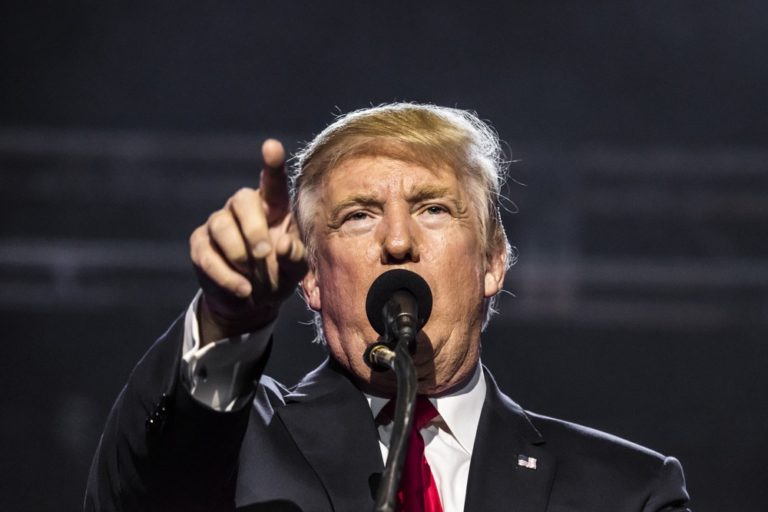
Trump Defies Gag Order, Attacks Judge’s Daughter Despite Legal Restrictions

0

Key Takeaways:

  • Trump violates a gag order by criticizing the daughter of Judge Juan Merchan.
  • The gag order remains until Judge Merchan lifts it or the trial court loses jurisdiction.
  • Republican lawmakers seek a probe into Loren Merchan’s connections to Kamala Harris’ campaign.
  • Trump received an unconditional discharge, avoiding fines or prison time.

Trump Breaches Gag Order with Recent Attack

President Trump has sparked controversy by attacking the daughter of Judge Juan Merchan, despite a gag order that remains in place. This gag order, designed to prevent public comments on the prosecution team and court staff, including Judge Merchan’s family, has not been lifted. Trump’s actions may lead to legal consequences, as violating a gag order can result in contempt of court charges.

The Gag Order and Its Implications

The gag order was implemented to ensure a fair trial by preventing external influences. It restricts Trump from discussing the prosecution, court staff, and their families. Judge Merchan emphasized that the order is still active until he decides otherwise or the trial court no longer has jurisdiction, typically after an appeal is filed.

Trump’s Statements on Truth Social

Trump recently took to Truth Social to criticize Judge Merchan and his daughter. He questioned the judge’s impartiality, alleging a conflict of interest due to his daughter’s work with a consulting firm that contracted with Kamala Harris’ campaign. The firm’s owner noted that Loren had minimal contact with the candidates, which might temper the perceived conflict.

Republican Lawmakers Call for Investigation

Republican lawmakers are pushing for a criminal investigation into Loren Merchan’s role in the campaign. They highlight her connection to the consulting company, suggesting potential impropriety. However, the company’s owner clarified her limited involvement, which may not support claims of significant conflict.

Trump’s Discharge and Sentence

Despite his conviction, Trump received an unconditional discharge, meaning he won’t face penalties like fines or imprisonment. This outcome was based on the judge’s decision to avoid impacting Trump’s presidential duties, as his actions were ruled not severe enough for harsher punishment.

Conclusion and Implications

Trump’s defiance of the gag order raises questions about the legal consequences he might face. The situation underscores the tension between free speech and judicial fairness. As this unfolds, it highlights the complexities of high-profile cases involving public figures and the challenges in maintaining impartial justice.
Trump Voter Learns the Hard Way: When Immigration Policies Hit Home

0

Key Takeaways:

  • A Wisconsin Trump voter’s Peruvian wife, awaiting legal status, was detained by ICE.
  • The man, expecting exceptions, feels betrayed but regrets neither his vote nor support.
  • This situation highlights the widening ICE crackdown beyond criminals to legal applicants.
  • It reflects a mentality of seeking personal exemptions, a challenge for Democrats’ strategies.

When Immigration Policies Hit Close to Home

In a surprising turn of events, a Wisconsin man who supported Trump is facing an unexpected consequence of the administration’s immigration policies. His Peruvian wife, in the process of obtaining legal status, was detained by ICE, leaving him shocked and confused.

The couple, with their plans for a future together, believed they were doing everything right. However, ICE’s expanding reach, now targeting even those with pending legal applications, caught them off guard. The man, initially thinking Trump’s crackdown would focus on undocumented immigrants, never imagined his wife would be affected.


A Voter’s Shock and Disappointment

Despite the detention, the man expresses no regret over his vote. His disbelief stems not from opposition to the policy itself but from the idea that it applied to his wife. He expected exceptions for law-abiding citizens like themselves, not realizing the policy’s broad scope.

This reaction reflects a broader mindset: seeking personal exemptions while supporting strict measures for others. It’s a challenge for Democrats aiming to appeal to such voters, as their disillusionment doesn’t translate to a shift in political alignment.


The Broader Political Landscape and Its Implications

The situation underscores the complexities of immigration policies and voter mentality. The man’s lack of regret despite personal hardship suggests a deep-rooted loyalty to Trump’s agenda, rooted in a belief that rules apply differently to them.

This poses a challenge for Democrats, who may struggle to attract voters expecting personal exemptions. Instead of chasing these voters, some strategists suggest focusing on core constituencies, emphasizing policies that resonate with their values.


Conclusion: The Path Forward

The story of the Wisconsin man and his wife serves as a stark reminder of the human impact of immigration policies. It also highlights the challenges faced by political strategists in bridging the gap between policy expectations and personal experiences.

As the political landscape continues to evolve, understanding these dynamics becomes crucial for shaping effective strategies that address both the legal and emotional aspects of immigration.

Trump Policies Hit US Tourism Hard: Visitors and Revenue Drop

0

Key Takeaways:

  • Foreign tourist arrivals in the US expected to drop by 5.1% in 2025.
  • Spending by foreign visitors predicted to fall by 10.9%.
  • Trump’s policies, tariffs, and strong dollar are key factors.
  • Canadians and Europeans are choosing other destinations.
  • Major events like the Olympics and World Cup may be impacted.
  • US tourism could lose $64 billion in 2025.

Tourism Trouble: How Trump’s Policies Are Scaring Visitors Away

The US tourism industry is facing tough times. Recent policies by President Trump have made some foreigners think twice about visiting America. Experts warn this could lead to fewer tourists and less money for the economy.

Fewer Visitors, Less Spending

Tourism Economics, a group that studies travel trends, says the number of foreign visitors to the US is likely to drop by 5.1% in 2025. This is a big change from earlier predictions of an 8.8% increase. Spending by these visitors is also expected to fall by 10.9%. This is bad news for hotels, restaurants, and tour companies that rely on foreign tourists.

Why Are Tourists Staying Away?

Several factors are scaring visitors. Tariffs on goods from countries like Canada, Mexico, and China, plus risks of more tariffs on European goods, are making some travelers nervous. Tough immigration rules and a stronger dollar make the US more expensive for foreigners. The dollar’s strength means tourists get less for their money, making trips to the US costlier.

Events and Business Travel at Risk

Big events like the 2025 Ryder Cup, 2026 FIFA World Cup, and 2026 Summer Olympics in Los Angeles might also feel the impact. Some groups may avoid hosting events in the US, hurting business travel. Companies might think twice about sending employees to the US, fearing trouble or higher costs.

Surveys Show Concern

A survey by YouGov found that 35% of people in 16 European and Asian countries are less likely to visit the US under Trump. Reasons include fears over safety, politics, and costly travel. However, some tourists are still coming. For example, Marianela Lopez and Ailen Hadjikovakis from Argentina used their European passports to avoid issues. The Lagardere family from France said they didn’t change their plans because they respect America’s democratic choice.

Canadians Say No to Trump’s America

Canadians, the largest group of foreign tourists in the US, are especially concerned. In February, fewer Canadians visited the US, with a 23% drop in returns. New York, a top destination, has seen Canadian cancellations. Julie Coker, head of NYC Tourism, says while Europeans aren’t canceling yet, they’re watching the situation closely.

Economic Impact Grows

Experts warn the tourism industry could lose $64 billion in 2025. Americans are also worried about the economy, with fears of recession and inflation affecting travel plans. A strong dollar makes the US pricier, reducing visits and stays.

The US is still a popular destination, but Trump’s policies are making some think twice. As the situation evolves, it’s unclear if this trend will continue or change. One thing is clear—tourism is a delicate industry, influenced by politics, economy, and global perceptions.

Mia Love, Trailblazing Congresswoman, Passes Away at 49

0

Key Takeaways:

  • Mia Love, the first Black Republican woman elected to Congress, has passed away at 49.
  • She died at her Utah home and had been battling a brain tumor since 2022.
  • Her family announced her death on social media.
  • Love served in Congress from 2015 to 2019 and left a lasting impact on politics.

Mia Love: A Life of Firsts and Fearless Leadership

Mia Love, a trailblazer in American politics, left an indelible mark on history. As the first Black Republican woman to serve in Congress, her journey was one of courage and determination. Love’s life was cut short when she passed away on Sunday at her Utah home, leaving behind a legacy of resilience and commitment to public service.

Her Early Life and Rise to Politics

Born on December 6, 1975, in Brooklyn, New York, Love grew up in a family that valued hard work and perseverance. Her parents, Haitian immigrants, instilled in her a strong sense of purpose. Love’s upbringing shaped her conservative values and drive to make a difference.

Before entering national politics, Love served in local government in Utah. Her grassroots approach and passion for community issues quickly made her a standout leader. In 2014, she made history by winning Utah’s 4th Congressional District, becoming the first Black Republican woman in Congress.

A Congresswoman for the People

During her time in Congress from 2015 to 2019, Love was known for her unwavering commitment to her constituents. She championed policies that supported small businesses, education reform, and immigration solutions. Love’s ability to connect with people from all walks of life earned her widespread respect.

One of her most notable efforts was her work on behalf of Utah’s residents affected by the closure of a local mine. Love fought tirelessly to ensure fair compensation and support for those impacted. Her dedication to justice and equality was evident in every piece of legislation she supported.

A Brave Fighter Until the End

In 2022, Love faced her greatest challenge when she was diagnosed with a glioblastoma, an aggressive form of brain cancer. Despite the prognosis, she remained optimistic and continued to inspire others with her strength. Love used her platform to raise awareness about the disease and advocate for cancer research.

Even as she battled her illness, Love remained involved in politics, mentoring young leaders and encouraging civic engagement. Her resilience in the face of adversity was a testament to her indomitable spirit.

Mia Love’s Lasting Legacy

Mia Love’s impact on American politics is undeniable. She broke barriers as the first Black Republican woman in Congress, paving the way for others to follow. Love’s commitment to public service and her ability to connect with people from all backgrounds left a lasting legacy.

Her story is one of hope and resilience, reminding us that even in the toughest times, courage and determination can lead to extraordinary achievements.

A Final Farewell to a True Leader

Mia Love’s passing leaves a void in American politics, but her contributions will never be forgotten. She was more than a politician; she was a wife, a mother, and a inspiration to countless individuals. As we say goodbye to this remarkable leader, we honor her memory by continuing her work and striving to make a difference in the world.

Rest in peace, Mia Love. Your legacy lives on.

Second Lady Usha Vance Heads to Greenland on Diplomatic Visit

0

Key Takeaways:

  • Second Lady Usha Vance is visiting Greenland this week with a U.S. delegation.
  • She will be joined by one of her three children and top officials like Mike Waltz and Chris Wright.
  • The trip aims to strengthen U.S.-Greenland relations and focus on key issues like climate change.
  • Vance will explore historical sites and meet with local leaders during her three-day stay.

Greenland, one of the world’s most remote locations, is gearing up for a high-profile visitor. Second Lady Usha Vance, wife of U.S. Vice President JD Vance, is set to arrive in the autonomous Danish territory this week. This trip is part of a larger effort to build stronger ties between the United States and Greenland, a region gaining global attention due to its strategic location and climate challenges.

Who Is Going Along With Usha Vance?

Usha Vance won’t be traveling alone. She’ll be joined by one of her three children, making the trip a unique blend of family and diplomacy. Additionally, the U.S. delegation includes some big names.

  • Mike Waltz, President Donald Trump’s National Security Adviser, is one of the key figures on the trip. His presence highlights the importance of Greenland to U.S. security interests.
  • Chris Wright, the Energy Secretary, is also part of the group. His expertise in energy and climate issues will likely be crucial during discussions.

This team shows how serious the U.S. is about addressing shared challenges with Greenland, such as climate change and energy security.


What Will Usha Vance Do in Greenland?

The three-day trip, starting Thursday, is packed with activities. Usha Vance plans to visit historical sites, meet with local leaders, and discuss pressing issues like environmental conservation and economic partnerships.

1. Exploring History and Culture Greenland is rich in history, from its Viking settlements to its Indigenous Inuit heritage. Vance will get a glimpse of these cultural treasures during her visit.

2. Climate Change Discussions Greenland’s melting ice sheets are a global concern. Vance and her team will likely talk about how the U.S. and Greenland can work together to address climate change.

3. Strengthening U.S.-Greenland Ties The trip is also about building friendships. Vance will meet with Greenlandic officials to discuss areas of cooperation, such as trade and scientific research.


Why Does This Visit Matter?

Greenland is more than just ice and snow. It’s a key player in Arctic affairs and has significant natural resources. The U.S. sees this visit as an opportunity to deepen its partnership with Greenland and show support for its people.

  • Security in the Arctic: With climate change opening up new shipping routes, the Arctic is becoming a hotspot for global powers. The U.S. wants to ensure it has a strong presence in the region.
  • Climate Action: Greenland’s ice sheets are critical to understanding and fighting climate change. The U.S. hopes to collaborate on research and sustainable solutions.
  • Economic Opportunities: Greenland has vast mineral resources, including rare earth elements, which are essential for modern technology. The U.S. wants to explore ways to work together on mining and energy projects.

A Personal Touch to Diplomacy

Usha Vance’s trip isn’t just about politics. It also brings a personal touch to U.S.-Greenland relations. By bringing one of her children along, she’s showing that this visit is about more than just business—it’s about building connections between people.

Her presence in Greenland sends a positive message: the U.S. values its relationship with this unique and important territory.


This visit is a significant step in U.S.-Greenland relations. With a mix of history, diplomacy, and family, Usha Vance’s trip is sure to leave a lasting impact. Stay tuned for updates as this story unfolds!

Trump Criticized for Failing Presidency and Social Security Stance

0

Key Takeaways:

  • Representative Becca Balint says Donald Trump is failing as president.
  • Trump is accused of prioritizing the wealthy over everyday Americans.
  • Millions rely on Social Security and Medicaid, but some Republicans want to cut these programs.
  • Critics say Trump’s administration is out of touch with working-class struggles.

Vermont Representative Calls Out Trump’s Leadership

Representative Becca Balint of Vermont recently spoke out about Donald Trump’s performance as president. On a weekend MSNBC appearance, she criticized Trump for attacking judges who disagree with him. Balint said, “He is failing in the presidency.” She also accused Trump of working mainly for the benefit of billionaires, not regular Americans.

Anger Over Threats to Social Security and Medicaid

Balint highlighted growing anger among citizens about threats to Social Security and Medicaid. These programs are crucial for millions of people who depend on them to survive. Balint called Trump’s leadership style “governing by gimmicks,” implying his policies are more about show than substance.

She also criticized a recent comment by Howard Lutnick, Trump’s Commerce Secretary and a billionaire. Lutnick allegedly said his mother wouldn’t notice if her Social Security check didn’t arrive. Balint called this comment out of touch, saying, “What planet are you on?”

The Battle Over Social Security

Balint pointed out that Republicans have long wanted to change or cut Social Security, even though they often deny it. She referenced Elon Musk’s recent claim that Social Security is a “Ponzi scheme,” which many see as an attempt to undermine the program.

Balint emphasized that Social Security and Medicaid are not handouts. They are programs workers pay into throughout their lives. “These are programs people have earned,” she said. “And we need to stand up for them.”

Why This Matters

The debate over Social Security and Medicaid isn’t just about politics. It’s about the lives of millions of Americans who rely on these programs to get by. Balint argued that Trump’s administration doesn’t understand the struggles of everyday people. By focusing on the wealthy, she says, Trump is forgetting the people who need help the most.

What’s Next?

As the 2024 election approaches, issues like Social Security and Medicaid will likely play a big role. Balint’s comments suggest that Democrats will continue to push for protecting these programs, while Republicans may face criticism for their stance.

For now, one thing is clear: the fight over Social Security is far from over. And with millions of Americans depending on it, the stakes couldn’t be higher.

Trump’s War on Judges: A Warning from a Retired Judge

0

Key Takeaways:

  • A retired judge warns Trump’s conflict with the judiciary may harm his presidency.
  • Chief Justice Roberts criticizes Trump’s attacks on judges.
  • The judiciary may limit Trump’s power if he oversteps.

Introduction: A retired judge is cautioning that Trump’s ongoing feud with the judiciary could lead to significant consequences. This comes after Chief Justice John Roberts criticized Trump’s behavior, a rare move. Judge J. Michael Luttig, a conservative, believes Trump’s tactics may backfire, affecting his presidency negatively.

The Rising Conflict: Trump’s disputes with judges are escalating. Recently, his attacks on Judge James E. Boasberg, a D.C. District Court chief judge, have intensified. This has drawn attention and criticism, including a rare rebuke from Chief Justice John Roberts, who defended judicial independence.

A Warning from Judge Luttig: In a recent column, Judge Luttig expressed concerns about Trump’s approach. He believes Trump’s aggressive tactics against the judiciary mirror his post-election actions. Luttig warns that if Trump doesn’t change course, he risks a constitutional crisis and diminished political power.

Constitutional Implications: Judge Luttig highlights the importance of an independent judiciary, as noted by Alexander Hamilton. If Trump challenges the judiciary’s authority, the Supreme Court may step in to assert its power. This could lead to a significant blow to Trump’s presidency and legacy.

Potential Outcomes: If Trump continues down this path, Luttig predicts severe consequences. The judiciary is a crucial check on presidential power, and its rebuke could weaken Trump’s position and harm his legacy. This underscores the risks of Trump’s confrontational approach.

Conclusion: The judiciary plays a vital role in balancing power, and Trump’s conflict with judges may lead to his downfall. As the situation unfolds, the nation watches to see how these events will shape Trump’s presidency and legacy. The retired judge’s warning serves as a reminder of the potential costs of Trump’s actions.

Boycotts Against Trump May Last Longer

0

Key Takeaways:

  • Boycotts targeting companies that align with Trump’s policies may persist longer than anticipated.
  • One in five Americans plan to permanently stop supporting these brands.
  • Major companies like Target and Pepsi are facing potential long-term damage.
  • Consumers are using their buying power to protest against current policies.
  • Firms may have underestimated the strength of public conviction over convenience.

Companies Face Long-Term Backlash Over DEI Rollbacks

Major corporations, including Target, Pepsi, and Amazon, have recently scaled back their diversity, equity, and inclusion (DEI) initiatives. This shift, seemingly in response to Donald Trump’s policies, has triggered significant public outcry and boycotts. Unlike short-lived protests of the past, these boycotts may endure, posing a prolonged challenge for these companies.

The Rise of Consumer Activism

A recent poll reveals that 20% of Americans are committed to permanently boycotting brands that align with Trump’s agenda. This trend indicates a shift in consumer behavior, where people are using their spending power to voice dissent. This movement isn’t just about temporary dissatisfaction; it’s a strategic, long-term stance against policies they oppose.

Why Are People Boycotting?

The primary reasons for these boycotts are clear. Over half of the participants in the poll want companies to recognize the influence of consumer power. Almost half are expressing their discontent with current government policies. This dual motivation suggests that the boycotts are driven by both a desire for change and a flexing of economic muscle.

A High-Stakes Game of Conviction vs. Convenience

Experts observe that companies are engaging in a risky strategy by betting on customer convenience over commitment to values. However, the data indicates this approach might be flawed. With nearly a third of boycotters unwilling to backtrack, the convenience factor may no longer dictate consumer decisions as predicted.

What Does This Mean for Companies?

The implications are clear: companies closely tied to divisive political agendas face significant risks. The backlash isn’t fleeting; it’s a durable shift in consumer loyalty. Brands must now weigh the consequences of aligning with controversial policies against the potential loss of customer trust and revenue.

The Path Forward for Brands

In light of these findings, companies need to reassess their strategies. The balance between business interests and consumer values has never been more critical. As the market evolves, brands must consider the long-term impacts of their decisions on their reputation and customer base.

Conclusion: Rethinking Alignments

The growing momentum of boycotts serves as a stark reminder of the power of consumer voice. Companies that have rolled back DEI initiatives must now confront the reality of prolonged public backlash. As the landscape continues to shift, brands are compelled to rethink their alignment with divisive agendas to avoid losing loyal customers and damaging their reputation irreparably.

Senator Paul Calls for Education Reform: A New Vision for America’s Schools

0

Key Takeaways:

  • Senator Rand Paul suggests that despite significant federal funding, Kentucky’s education system underperforms.
  • He advocates for state control over education and innovative teacher recruitment strategies.
  • Paul proposes a model similar to professional sports leagues to attract top teaching talent.

The Education Funding Puzzle in Kentucky

Kentucky stands out as one of the top recipients of federal education funding, yet its academic performance remains disappointing. During a recent interview, Senator Rand Paul highlighted this paradox, questioning the effectiveness of current funding strategies. He emphasized that increased federal spending doesn’t necessarily translate to better educational outcomes, pointing to the need for a different approach.

A New Vision for Teaching

Senator Paul’s solution is both innovative and ambitious. Drawing parallels with professional sports leagues, he envisions a system where top teachers are recruited and rewarded, much like NBA or NFL players. This approach would not only attract exceptional educators but also allow for smaller class sizes, fostering a more personalized learning environment. By investing in teacher quality, Paul believes student performance can significantly improve.

Statement:

In a recent interview, Senator Rand Paul addressed concerns about education funding and proposed innovative solutions. He noted that despite substantial federal investment, academic results remain subpar, prompting a call for state-level control and a new teaching model.

Summary:

  • Kentucky receives significant federal education funding but struggles academically.
  • Senator Paul suggests state control and a competitive teaching model.
  • He proposes higher pay for top teachers and smaller classes.

The Funding Question

Senator Paul questioned the efficacy of federal education funding, pointing to Kentucky’s situation as a prime example. Despite receiving substantial funds, the state’s academic performance lags. This raises questions about how and where the money is being spent, suggesting that federal allocations may not be the most effective strategy for improving education.

The Case for State Control

Advocating for state-level control, Senator Paul believes decision-making should be closer to the community. He argues that federal involvement can lead to bureaucratic inefficiencies, diverting resources away from classroom needs. By empowering states, education can be tailored to local priorities, potentially leading to better outcomes.

A New Vision for Teaching

Senator Paul’s vision for education extends beyond funding to the quality of teaching. Drawing inspiration from professional sports, he suggests creating a competitive system where top educators are recruited and compensated like elite athletes. This would not only elevate the profession but also allow for smaller class sizes, enhancing the learning experience for students.

The Bigger Picture

Senator Paul’s comments reflect broader debates on education reform, emphasizing state autonomy and teacher excellence. His proposed model challenges traditional approaches, aiming to revitalize education through innovation and incentives. By focusing on these elements, the goal is to create a system where both teachers and students thrive, addressing the current underperformance despite significant investment.


This structured approach ensures clarity and engagement, addressing the key points in an accessible manner suitable for a younger audience.

Trump Supporters Sour on Elon Musk Amid Budget Cuts

0

Key Takeaways:

  • Some Trump supporters are growing uneasy with Elon Musk’s role in cutting federal spending.
  • Fans at a wrestling championship expressed discomfort with Musk’s policies and presence.
  • Critics say Musk’s actions make Trump look out of touch with everyday Americans.
  • Despite this, most supporters still back Trump, even if they disapprove of Musk.

Trump and Musk’s Partnership Takes a Hit

President Donald Trump brought Elon Musk on board to slash federal spending. Many thought Musk, the richest man in the world, was the perfect person for the job. But now, some Trump fans are having second thoughts.

At a recent wrestling event in Philadelphia, fans expressed mixed feelings about Musk. The crowd was made up of Trump supporters from states like Ohio, Missouri, and Pennsylvania. While they praised Trump’s presidency, they were less thrilled about Musk.

One wrestling coach, Blaize Cabell, said, “Not a big fan of Elon. He’s making a lot of callous cuts.” Another attendee, Bobby Coll, a finance broker, added, “He’s going a little rampant—I think everyone can agree with that.” His girlfriend chimed in, saying, “It’s someone putting their hand in a cookie jar they don’t belong in.”

Why Are Fans Turning on Musk?

Fans at the wrestling championship weren’t shy about their concerns. Many feel Musk’s cost-cutting measures are too harsh. They worry his actions are hurting everyday Americans, not just big government.

Katy Travis, a wrestling mom at the event, said, “It looks ridiculous that Musk is always around. It makes Trump look like he’s kissing up to get money.” This sentiment was echoed by others who feel Musk’s influence is overshadowing Trump’s agenda.

What Does This Mean for Trump?

Trump’s decision to bring Musk on board was seen as a smart move by some. Critics, however, think Trump is using Musk as a “heat shield” to take the blame for unpopular decisions.

So far, Trump’s supporters are still backing him strongly. But the growing criticism of Musk could spell trouble. If fans feel Trump is prioritizing billionaires over regular Americans, it could hurt his popularity.

The Bigger Picture

This isn’t just about Trump and Musk. It’s about how voters feel about politics and money. When leaders team up with wealthy figures like Musk, it can create the perception that they’re out of touch with the average person.

For now, Trump’s base remains loyal. But if Musk’s policies continue to frustrate fans, it could add fuel to the fire of discontent.

A Final Thought

The wrestling championship incident shows that even Trump’s strongest supporters have limits. While they still trust Trump, they’re losing patience with Musk. For now, Trump’s popularity remains intact, but the situation highlights the challenges of balancing big-money deals with everyday American needs.

As the partnership between Trump and Musk continues, one thing is clear: The road ahead won’t be without its bumps.