54 F
San Francisco
Saturday, May 16, 2026
Home Blog Page 1036

Trump Clashes with Courts Over Deportation Orders

0

Key Takeaways:

  • President Trump demands courts stop blocking his agenda, escalating a constitutional showdown.
  • A federal judge accuses the administration of ignoring a deportation order, giving them until Tuesday to respond.
  • Trump criticizes the judiciary, prompting a rare rebuke from Chief Justice John Roberts.
  • The case involves deporting Venezuelan migrants to El Salvador, with some claiming they committed no crimes.

Introduction: President Trump is in a heated battle with the courts over his deportation policies. A federal judge has accused his administration of ignoring a court order, leading to a tense standoff. Trump is urging the Supreme Court to intervene, while Chief Justice John Roberts has criticized his attacks on the judiciary.

The Judge’s Actions: Judge James Boasberg ordered the administration to stop deporting Venezuelan migrants, giving them until Tuesday to explain their actions. He expressed frustration, stating that the government’s justification was insufficient. The migrants were being sent to El Salvador, a move opposed by the judge.

Trump’s Response: Trump lashed out at the judiciary, calling for an end to court blocks on his policies. He accused judges of being partisan and obstructing justice. His comments were seen as a direct challenge to the Supreme Court and Chief Justice Roberts.

Chief Justice Roberts’ Rebuttal: Chief Justice John Roberts responded to Trump’s criticism, emphasizing that impeachment is not the right response to judicial decisions. He defended the independence of the judiciary and the importance of the appellate process.

Implications of the Conflict: This clash highlights the growing tension between the executive and judicial branches. It raises concerns about the rule of law and the separation of powers. The outcome could set a precedent for future conflicts between the presidency and the courts.

Conclusion: The conflict between Trump and the judiciary continues to escalate, with significant implications for the balance of power in the U.S. government. As the situation unfolds, the nation watches to see how this constitutional showdown will resolve.

Rep. Lawler’s Outcry Over Social Security Office Closure Sparks Backlash

0

Key Takeaways:

  • Rep. Mike Lawler faces backlash for criticizing the closure of a Social Security office he earlier supported.
  • Critics accuse him of hypocrisy after he blamed President Biden despite backing policies leading to the closure.
  • The closure is part of Trump’s DOGE efforts to restructure government, which Lawler has supported.
  • Constituents and critics express frustration over Lawler’s stance and its impact on them.

The Closure and Its Impact: A Social Security office in Rep. Mike Lawler’s district has closed, affecting many locals. This closure is part of broader government restructuring under Trump’s DOGE initiative, which Lawler has supported. The office shutdown has left many without essential services, highlighting the policy’s real-world consequences.

Lawler’s Response: Rep. Lawler expressed outrage on social media, blaming President Biden for the closure, despite his support for the policies causing it. His attempt to shift blame underscores the political challenges of balancing policy support with constituent needs.

Public Backlash: Critics quickly pointed out Lawler’s hypocrisy. Figures like Josh Marshall and Don Winslow highlighted the irony of Lawler backing policies that hurt his constituents. They accused him of political opportunism, seeking to appear moderate while supporting controversial measures.

A Deeper Political Issue: This incident reflects broader issues with policy-making. Lawler’s situation shows the risks of endorsing policies without considering their impact. Constituents now hold him accountable, feeling betrayed by his actions.

Conclusion: The backlash against Rep. Lawler serves as a reminder of political accountability. Supporting policies with significant public impact requires careful consideration, as seen in the uproar over the Social Security office closure. This story highlights the delicate balance between political allegiance and constituent welfare.

Trump Signs Order to Shrink Education Department, Keep Key Programs

0

Key Takeaways:

  • President Trump will sign an executive order to reduce the size of the Department of Education.
  • Some critical programs, like Title I and student loans, will stay under federal control.
  • The goal is to give more control over education to state governments.
  • The order reflects Trump’s long-standing promise to limit federal involvement in schools.

Trump’s Big Change: Shrinking the Education Department

President Donald Trump is making a major move in education. On Thursday, he will sign an executive order that will make the Department of Education significantly smaller. However, some important programs, like Title I funding for schools and federal student loans, will remain under federal control.

This change is part of Trump’s plan to give states more control over education. White House Press Secretary Karoline Leavitt explained that the federal government will still handle a few key areas, but overall, states will have more freedom to decide how to run their schools.

What’s Changing and What’s Staying the Same?

The Department of Education will become much smaller, but some programs are too important to remove. Title I, which provides money to schools with low-income students, and federal student loans, which help millions of students pay for college, will still be managed by the federal government.

By shrinking the Department of Education, Trump aims to reduce the federal government’s role in schools and give states more power. This could mean big changes in how schools are funded, how teachers are trained, and what students learn.

Why Is This Happening?

Trump and his supporters believe that education decisions should be made at the local level. They argue that states and communities know what their schools need better than the federal government does. This approach is part of a broader effort to limit federal control and give more power to states.

Critics, however, worry that reducing the Department of Education could hurt schools that rely on federal funding. They also fear that some states might not prioritize education as much as the federal government does.

What Does This Mean for You?

If you’re a student or a parent, you might wonder how this change will affect your school. For now, programs like Title I and student loans will stay the same. However, in the future, schools might look different depending on how your state decides to handle education.

Teachers and educators are also watching closely. A smaller Department of Education could mean fewer federal rules, but it could also lead to changes in funding and support for schools.

Reactions Are Mixed

People have strong opinions about this change. Some see it as a way to give schools more freedom and make education better. Others worry it could lead to unequal opportunities for students across the country.

Karoline Leavitt said the order is designed to empower states while keeping critical programs intact. She emphasized that the federal government will still play a role but will focus on the most important areas.

What’s Next?

The executive order is just the first step. Implementing these changes will take time and could face challenges in Congress and the courts. States will also need to figure out how to take on more responsibility for education.

For now, the Department of Education will start shrinking, but key programs will remain in place. The future of education in America is likely to be a big topic in the coming months and years.

Conclusion

President Trump’s executive order marks a significant shift in how education is managed in the U.S. While the Department of Education will become smaller, critical programs like Title I and student loans will stay under federal control. The goal is to give states more control over schools, but the impact of this change is still uncertain.

As the details unfold, students, parents, and educators will be keeping a close eye on how this affects their schools and communities. One thing is clear: this is a big step toward limiting federal involvement in education and giving states more power.

Trump Revives 1798 Law to Deport 200 in Gang Crackdown

0

Key Takeaways:

  • Trump uses 1798 Alien Enemies Act to target gangs, sparking debate.
  • Around 200 alleged gang members deported without hearings.
  • A federal judge halts the action twice, citing legal concerns.
  • The move divides opinion on security versus human rights.

What Happened

In a surprising move, former President Donald Trump recently invoked the Alien Enemies Act of 1798. This old law was used to target immigrant street gangs, particularly the Venezuelan gang Tren de Aragua (TdA). The government detained about 200 people alleged to be part of this gang and deported them to El Salvador without any court hearings or evidence of their involvement.


The Legal Halt

However, this action was quickly challenged. Federal Judge James Boasberg stepped in and issued two orders to stop the use of this law temporarily. His decision highlighted concerns about the legality and fairness of deporting people without giving them a chance to defend themselves.


The Controversy Surrounding the Move

This situation has caused a lot of debate. On one side, the Trump administration argued that targeting violent gangs is crucial for national security and public safety. They believe these gangs pose a significant threat to communities, and quick action is necessary to protect citizens.

On the other side, critics, including human rights groups and legal experts, are worried about the lack of due process. They argue that deporting people without evidence or a fair hearing violates basic human rights and goes against the principles of justice.

The move also raises questions about the use of a law that is over 200 years old in modern times. Many are concerned about how such an outdated law can be applied today without proper checks and balances to protect people’s rights.


What’s Next

As the legal battle continues, it remains unclear how this situation will unfold. Judge Boasberg’s orders have temporarily halted the deportations, but the future of these individuals and the application of the Alien Enemies Act is still uncertain.

The administration will likely face more challenges in court as this issue moves forward. Meanwhile, the debate over immigration, national security, and human rights continues to be a hot topic in the country.


The Bigger Picture

This incident highlights the ongoing struggle between ensuring national security and protecting individual rights. While the government’s goal of combating violent gangs is understandable, the method used has raised serious concerns.

The use of an old law without modern safeguards has set a concerning precedent. Many fear it could lead to further abuses of power and violations of human rights if left unchecked.


Conclusion

The decision to use the Alien Enemies Act of 1798 has opened a Pandora’s box. While it aims to address a real issue, the manner in which it was executed has serious implications. As the legal system grapples with this, the nation is left questioning the balance between security and justice.

What do you think? Should national security take precedence over individual rights, or do we need stricter safeguards to protect everyone? Share your thoughts!

Congress’ Money Managers Are Losing Their Grip

0

Key Takeaways:

  • Appropriations Committees once held significant power in Congress.
  • Their influence has decreased, highlighted by recent funding decisions.
  • Polarization and leadership’s direct involvement contribute to their decline.
  • This shift affects how government funds are allocated.

Who Are Congress’ Money Managers?

In the U.S. Congress, there are special groups known as Appropriations Committees. These committees are responsible for deciding how the government spends its money. They act like the budget planners, ensuring funds are allocated to various sectors like defense, education, and healthcare. Historically, members of these committees were highly respected and powerful. They were skilled negotiators who could bring both parties together, even during tough times.


A Recent Example of Their Decline

Recently, there was a rush by GOP leaders to pass a stopgap funding bill. This bill is like a temporary fix, giving more time to agree on a long-term budget. Such quick actions highlight how the Appropriations Committees are losing their influence. These committees used to take the lead in budget decisions, but now, it seems their role is diminishing as others step in.


Why Are They Losing Power?

There are a few reasons why these committees aren’t as powerful as before:

  1. Increased Polarization: Politics has become more divided. It’s harder for Republicans and Democrats to agree, making it difficult for committees to reach bipartisan deals.
  2. Leadership Taking Over: Top leaders in Congress are now more involved in budget decisions. This leaves less room for the Appropriations Committees to negotiate.
  3. Rise of Stopgap Bills: Instead of passing regular budgets, Congress often relies on stopgap measures. These temporary solutions don’t require the same level of detailed planning from the committees.

What Does This Mean for the Future?

If Appropriations Committees continue to lose influence, it could change how the government allocates funds. Here’s how:

  • Less Expertise: Committees have experts who understand where money is needed. Without their input, decisions might not be as informed.
  • More Partisan Decisions: If leaders make all the decisions, it could lead to more partisan choices, favoring one party’s interests over the other.
  • Less Transparency: When decisions are made quickly, there’s less time for public scrutiny. This can make the process less transparent.

What Can Be Done to Fix This?

To strengthen Appropriations Committees, several steps could be taken:

  • Encourage Bipartisan Cooperation: Create incentives for both parties to work together on budget decisions.
  • Return to Regular Budgeting: Move away from relying on stopgap bills and embrace a more structured, annual budget process.
  • Empower Committees: Allow Appropriations Committees to take the lead in negotiations, using their expertise to inform decisions.

The Way Forward

The decline of Appropriations Committees’ influence is a sign of broader issues in Congress. To ensure effective governance, it’s crucial to find ways to make the budget process work better. This means supporting the committees and fostering cooperation between parties. The goal is a transparent, fair, and well-planned budget that benefits everyone.


Conclusion

The Appropriations Committees, once the backbone of Congress’ financial decisions, are facing a loss of power. This shift affects how the government manages its funds, potentially leading to less informed and more partisan decisions. To move forward, it’s essential to support these committees and encourage collaboration. Only then can Congress effectively manage the nation’s budget for the greater good.

Greenpeace Ordered to Pay $300 Million for Dakota Pipeline Protests

0

Key Takeaways:

  • A jury in North Dakota ruled Greenpeace must pay Energy Transfer hundreds of millions of dollars in damages.
  • The lawsuit stemmed from Greenpeace’s role in protests against the Dakota Access Pipeline nearly a decade ago.
  • Energy Transfer sued Greenpeace for $300 million, alleging defamation and other activities tied to the protests.
  • Greenpeace used the protests as a fundraising tool, which the court found problematic.

In a major legal blow, Greenpeace has been ordered to pay Energy Transfer, the company behind the Dakota Access Pipeline, hundreds of millions of dollars. A North Dakota jury made this decision on Wednesday, siding with Energy Transfer in a lawsuit that accused Greenpeace of defamation and other harmful activities during the Dakota Access Pipeline protests.

The protests, which took place nearly a decade ago, were a contentious moment in U.S. history. Thousands of activists gathered to oppose the construction of the pipeline, which they argued would harm the environment and sacred Native American lands. Greenpeace played a prominent role in these protests, using them to raise funds and awareness for its cause. Now, the environmental group must face the financial consequences.

The Lawsuit: What Happened?

Energy Transfer sued Greenpeace International, Greenpeace USA, and its fundraising arm, Greenpeace Fund Inc., for $300 million. The company alleged that Greenpeace engaged in defamation and other activities that damaged its reputation and business.

The lawsuit focused on Greenpeace’s actions during the Dakota Access Pipeline protests. The group used the protests to raise money, creating campaigns that Energy Transfer argued were misleading and harmful. The company claimed that Greenpeace’s actions led to financial losses and public backlash.

The jury agreed with Energy Transfer and ruled in their favor, ordering Greenpeace to pay hundreds of millions in damages. This ruling is a significant setback for the environmental group, which has long been a vocal advocate for climate action and environmental protection.

Greenpeace’s Role in the Protests

Greenpeace was one of the most visible organizations during the Dakota Access Pipeline protests. The group used its platform to organize rallies, create viral social media campaigns, and raise funds. However, Energy Transfer argued that Greenpeace crossed a line by spreading misinformation and engaging in activism that directly targeted the company.

Greenpeace fundraised off the protests, using emotional appeals to encourage donations. While the group claimed its actions were peaceful and lawful, Energy Transfer argued that Greenpeace’s tactics were reckless and damaging.

The jury’s decision suggests that Greenpeace’s actions went beyond free speech and activism, crossing into territory that harmed Energy Transfer’s business interests.

What’s Next for Greenpeace?

The ruling is a major financial blow to Greenpeace, which has faced criticism for its fundraising tactics in the past. The group will likely appeal the decision, but for now, it must contend with the possibility of paying hundreds of millions of dollars in damages.

Greenpeace has yet to comment on the ruling, but the group is expected to argue that the decision sets a dangerous precedent for free speech and activism. Environmental advocates are already expressing concerns that the ruling could chill dissent and limit the ability of organizations like Greenpeace to challenge corporations.

The Broader Implications

The decision in this case could have far-reaching implications for environmental activism and corporate accountability. On one hand, the ruling sends a message that corporations can hold activists accountable for harmful actions. On the other hand, it raises concerns about the limits of free speech and the role of advocacy groups in holding corporations accountable for their actions.

As the situation unfolds, one thing is clear: the battle between corporate interests and environmental activism is far from over. Greenpeace and other advocacy groups will need to navigate a legal landscape that is increasingly hostile to their tactics.

In the meantime, Energy Transfer has won a significant victory in its efforts to recover costs tied to the protests. The company has long argued that the protests caused financial harm, and the jury’s decision supports that claim.

Conclusion

The ruling against Greenpeace is a reminder that activism can have consequences, both on the streets and in the courtroom. While the decision is a setback for Greenpeace, it is unlikely to silence the environmental movement. As the case moves forward, the world will be watching to see how this impacts activism and corporate accountability.

For now, Greenpeace must grapple with the financial and reputational fallout from the ruling. The group’s next move will be crucial in determining how this decision shapes its future and the future of environmental activism.

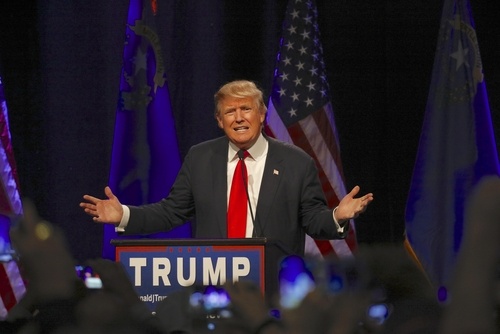
Germany Warns Citizens: Stricter U.S. Immigration Policies Could Mean Detention

0

Key Takeaways:

  • Germany updates travel advice for the U.S. due to stricter immigration policies.
  • German citizens face higher risks of detention or deportation under new rules.
  • Travelers should prepare for tougher checks at U.S. borders.

Germany Updates Travel Advice for the U.S.

The German government has updated its travel guidance for people heading to the United States. This move comes after three German citizens were detained while trying to enter the U.S. The updated advice warns travelers about stricter immigration policies under U.S. President Donald Trump. These policies could lead to detention or even deportation for some visitors.

The German foreign office is urging citizens to be cautious when planning trips to the U.S. They want travelers to be aware of the tougher rules and how they might affect their journeys. The new guidance is meant to help Germans avoid unexpected problems when entering the U.S.


Why Are the Rules Getting Stricter?

The U.S. government has been tightening its immigration policies in recent years. President Trump has made it a priority to enforce stricter border controls. This has led to more intense scrutiny of travelers arriving in the country. German officials are concerned that these changes could disproportionately affect their citizens.

The detained Germans were likely caught up in these stricter checks. Their cases highlight the risks travelers now face when entering the U.S. The German government wants to ensure its citizens are fully informed about these risks before they travel.


What Should Travelers Do?

The German foreign office has issued specific advice for anyone planning to visit the U.S. They recommend:

  1. Check Your Visa: Make sure you have the right visa and that all your documents are in order.
  2. Be Prepared for Questions: Expect more detailed questioning at border control. Be honest and provide clear answers.
  3. Stay Informed: Keep up with the latest travel advisories and policy changes before your trip.

Travelers should also be aware of their rights. If detained, they have the right to contact the German embassy or consulate in the U.S. for assistance.


What Does This Mean for German Citizens?

The updated travel advice reflects the growing challenges of traveling to the U.S. under the current administration. While many Germans visit the U.S. without issues, the risks of detention or deportation are now higher. The German government wants to minimize these risks by preparing travelers beforehand.

This situation also highlights the broader tensions around immigration policies in the U.S. As the country continues to enforce stricter rules, international travelers are increasingly affected. Germans are not the only ones facing these challenges, but the new guidance is a direct response to the recent detentions.


Conclusion

Germany’s updated travel advice is a clear response to the stricter immigration policies in the U.S. The detention of three German citizens serves as a stark reminder of the potential risks. By issuing this warning, the German government hopes to protect its citizens from unexpected problems during their trips.

Travelers should take the advice seriously and prepare thoroughly before heading to the U.S. While the majority of visits remain smooth, it’s better to be aware of the potential hurdles. The situation also underscores the importance of staying informed about changing policies and regulations when traveling internationally.

In the end, the updated travel guidance is a proactive step to help Germans navigate the complexities of U.S. immigration rules. As long as travelers are well-prepared and informed, they can minimize their chances of encountering issues during their journeys.

Trump Admin Cuts $175M Funding to UPenn Over Trans Athlete Policy

0

Key Takeaways:

  • The Trump administration froze $175 million in funding to the University of Pennsylvania (UPenn).
  • The reason cited is UPenn’s support for transgender athletes competing in women’s sports.
  • UPenn maintains its policies promote inclusion and fairness.
  • The funding cut may significantly impact university programs and research.
  • The decision fuels ongoing debates about transgender participation in sports.

The Trump administration recently made headlines by freezing a substantial sum of federal funds allocated to the University of Pennsylvania. This decision comes as a response to UPenn’s policies regarding transgender athletes. The administration claims these policies unfairly allow transgender women to compete against cisgender women, arguing it undermines fairness in women’s sports. UPenn, however, stands by its policies, emphasizing their commitment to inclusivity and equal opportunities for all athletes.

This move by the Trump administration highlights the contentious debate surrounding transgender participation in sports, a topic that has sparked intense discussion across the nation. The funding cut not only affects UPenn financially but also adds fuel to the political fire surrounding gender identity and sports.

UPenn, a prestigious Ivy League institution, has been a supporter of inclusive policies, allowing transgender athletes to compete according to their gender identity. The university believes this approach is fair and inclusive, ensuring all athletes have equal opportunities. However, opponents argue that biological differences give transgender women an unfair advantage, leading to calls for restrictions on their participation.

The decision to freeze $175 million in funding is a significant blow to UPenn, potentially impacting various programs, research initiatives, and student resources. As the university navigates this financial challenge, it also faces scrutiny over its stance on inclusivity and fairness in sports.

This situation reflects broader political tensions, with some hailing the move as a victory for women’s sports and others criticizing it as discriminatory. Public opinion is divided, with supporters of the administration’s decision arguing it protects women’s sports, while critics view it as an attack on transgender rights.

In conclusion, the Trump administration’s decision to cut funding to UPenn over its transgender athlete policies is a multifaceted issue with financial, social, and political implications. As the debate continues, it remains to be seen how this will affect not only UPenn but also the broader landscape of sports and gender identity discussions nationwide.

Trump Orders Overhaul of Education Dept.

0


Key Takeaways:

  • Trump signs an executive order to dismantle the Department of Education.
  • The agency won’t be completely eliminated but will be significantly reduced.
  • The move aims to fulfill a major campaign promise.
  • Republican governors and education leaders attended the White House signing ceremony.

Trump Takes Aim at the Department of Education

President Donald Trump made a bold move on Thursday by ordering his administration to begin dismantling the Department of Education. This step is part of a larger plan to keep a key promise he made during his campaign: reducing the federal government’s role in education.

The signing ceremony took place in the East Room of the White House. Dozens of students sat at school desks, creating a symbolic backdrop for the event. Several Republican governors and state education commissioners were also in attendance, showing their support for the plan.

Trump emphasized the need to return control of education to local communities. “We’re taking a major step toward empowering parents, teachers, and state leaders,” he said during the ceremony.


What Happens Next?

While Trump’s executive order signals a significant shift, the Department of Education won’t disappear overnight. The White House has already acknowledged that the agency can’t be completely dissolved. This is because many of its functions are mandated by federal laws, and Congress holds the power to approve or reject major changes.

Instead of eliminating the department entirely, the administration plans to scale it back dramatically. This could involve transferring some of its responsibilities to state governments or consolidating programs. The goal is to reduce federal involvement in education and give states more control over how schools are run.


Why Is This Happening?

Trump and his supporters argue that the federal government has overstepped its role in education. They believe decisions about schools and curriculum should be made locally, not in Washington, D.C. By downsizing the Department of Education, the administration hopes to reduce bureaucracy and give states more flexibility.

Critics, however, worry about the potential consequences. They argue that the Department of Education plays a crucial role in ensuring equal access to education and enforcing civil rights protections for students. Scaling it back could harm vulnerable populations, such as students with disabilities or those from low-income families.


Challenges Ahead

The path forward won’t be easy. Any major changes to the Department of Education will need approval from Congress, where there’s likely to be strong opposition. Democrats have already expressed concerns about the plan, calling it a threat to public education.

Additionally, the department employs thousands of people and manages billions of dollars in education funding. Shifting these responsibilities will require careful planning and coordination with states.


What Does This Mean for Students and Parents?

For now, students and parents won’t notice immediate changes. The process of dismantling the Department of Education will take time, and many of its functions will continue during the transition.

In the long term, however, the changes could have a significant impact. State governments may gain more authority to decide how schools are funded and what students learn. This could lead to more variability in education quality and curriculum across the country.


A Divisive Move

The decision to dismantle the Department of Education has sparked a heated debate. Supporters see it as a way to restore local control and reduce government waste. Opponents fear it will undermine critical protections and create inequality in education.

As the administration moves forward with its plan, all eyes will be on Capitol Hill to see how lawmakers respond. One thing is certain: this is just the beginning of a long and contentious process.

Space Debate: Who Brought Astronauts Home?

0

Key Takeaways:

  • Astronauts Suni Williams and Butch Wilmore returned safely to Earth after an extended stay on the International Space Station (ISS).
  • The return has sparked a debate between supporters of former President Donald Trump and current President Joe Biden.
  • White House adviser Elon Musk claims his SpaceX could have brought the astronauts back earlier, but the Biden administration said no.
  • NASA and space experts have different opinions about the situation.

A Successful Return to Earth

Astronauts Suni Williams and Butch Wilmore are finally back home after spending extra time on the ISS. Their safe return is a big success for space exploration. However, the story of how they came back has started a heated argument between supporters of two U.S. presidents: Donald Trump and Joe Biden.

The debate is about who deserves credit for bringing the astronauts home. Some people say the Biden administration made the right decision to keep them on the ISS longer. Others, including Elon Musk, claim the Biden team avoided an earlier return for political reasons.


Political Debate in Space

Elon Musk, a White House adviser and CEO of SpaceX, recently made headlines with his comments. He said SpaceX offered to bring Williams and Wilmore back last year, much sooner than their actual return. However, Musk claims the Biden administration rejected the offer.

Musk believes the decision was made for political reasons, possibly to avoid giving President Trump credit for the mission. Trump was president when the astronauts were launched to the ISS.

On the other hand, supporters of President Biden argue that keeping the astronauts on the ISS longer was a scientific decision. They say it allowed more research to be done, which benefits everyone.


NASA and Space Experts Weigh In

NASA and space experts have their own views on the situation. Some say the Biden administration made a responsible choice to extend the mission. They believe it was better to keep the astronauts on the ISS longer to complete important work.

Others, however, question why the Biden administration didn’t accept Musk’s offer. They argue that bringing the astronauts home earlier could have been safer and more efficient.

Musk’s SpaceX has played a big role in recent space missions. The company’s reusable rockets have made space travel more affordable and accessible.


The Role of Elon Musk and SpaceX

Elon Musk’s involvement in space missions has always been controversial. On one hand, his company has achieved amazing things, like successfully launching astronauts into space and bringing them back safely. On the other hand, Musk’s comments often stir up political debates.

Some people admire Musk for his innovative ideas and his ability to push boundaries in space exploration. Others criticize him for mixing politics with science, which they believe should remain separate.

The debate over Williams and Wilmore’s return is just one example of how space exploration has become tied to politics. While some see it as a way to show national strength, others believe it should focus solely on scientific progress.


Conclusion

The safe return of Suni Williams and Butch Wilmore is a celebration for everyone who loves space. However, the debate over who deserves credit for their return shows how politics can influence even the most impressive achievements.

As space exploration continues to grow, it’s important to remember why we venture into space in the first place: to discover, to learn, and to push the limits of what’s possible.

Whether it’s the Trump administration, the Biden administration, or Elon Musk’s SpaceX, the real winners are the astronauts who bravely represent humanity in space and the scientists who work tirelessly behind the scenes.

Let’s hope that future space missions can focus more on science and less on politics, so we can all enjoy the incredible progress being made.