53.1 F
San Francisco
Saturday, May 16, 2026
Home Blog Page 1039

Mystery Deepens as Missing File Sparks Questions About JFK Assassination

0

Key Takeaways:

  • A file is missing from the JFK assassination documents released by Donald Trump.
  • Over 2,000 PDF files were made public to shed light on the 1963 assassination.
  • Conspiracy theories are swirling due to the missing document.
  • The release was intended to provide transparency but has raised more questions.

The JFK Files Release

After decades of secrecy, former President Donald Trump released thousands of documents related to the assassination of President John F. Kennedy. These files were supposed to reveal new details about the tragic event that shocked the nation in 1963. However, eagle-eyed researchers quickly noticed something strange—a file was missing from the collection.

The release of over 2,000 PDF files was a major step toward transparency. Many hoped these documents would finally answer lingering questions about Kennedy’s death. But the missing file has only added fuel to the conspiracy theories that have surrounded this event for years.


The Missing File Sparks Questions

So, why is this missing file such a big deal? Well, it could contain important information that helps piece together what really happened. Some believe the missing document might reveal new clues about the assassination, while others think it could expose secrets the government wanted to keep hidden.

This isn’t the first time JFK files have been partially released. In the past, some documents were withheld due to national security concerns. But this latest release was supposed to be different. Trump had promised to make all the files public, giving the public a chance to see everything.

However, the missing file has left many feeling frustrated.Researchers are now scrambling to figure out what the missing document might have contained. Was it an accident, or was it intentional? These questions are adding to the mystery.


What’s Next?

The missing file has reignited the debate about government transparency. While the release of these documents was a significant step forward, the gap in the records has left many wondering if we’ll ever get the full story.

For now, the missing file remains a mystery. Whether it was left out by mistake or on purpose, it’s clear that the JFK assassination continues to capture the public’s imagination. As researchers dig deeper, one thing is certain—this isn’t the end of the story.

Stay tuned for more updates as this story unfolds. What do you think about the missing file? Share your thoughts!

Trump’s Putin Support Backfires, Boosts Ukraine Aid

0

Key Takeaways:

  • Trump’s criticism of Zelenskyy and support for Putin has increased U.S. support for Ukraine.
  • A recent poll shows 46% of Americans believe the U.S. isn’t doing enough for Ukraine, a 16-point rise.
  • 53% now favor prolonged support for Ukraine, up from 50% in December.
  • These shifts may impact the 2026 midterm elections, challenging Republican strategies.

Introduction: Donald Trump’s recent stance on Ukraine, criticizing President Zelenskyy and aligning with Putin, has led to unexpected consequences. A Gallup poll reveals that Trump’s actions have inadvertently boosted American support for Ukraine, marking a significant shift in public opinion. This article explores how Trump’s strategies have backfired and what this means for future politics.

Trump’s Approach and Public Reaction: Trump’s critique of Zelenskyy and apparent support for Putin have not weakened U.S. resolve. Instead, they’ve unified Americans in favor of Ukraine. The poll indicates a notable rise in those believing the U.S. should do more, from 30% to 46%, and an increase in support for prolonged involvement. This reaction suggests Trump’s influence may be waning, contrary to his expectations.

Shift in American Attitudes: The Gallup poll highlights a marked change in American sentiment. More citizens now prioritize supporting Ukraine over a quick resolution, reflecting a strong stance against Russian aggression. This shift underscores a growing understanding of the conflict’s global implications and the importance of democratic alliances.

Political Implications for 2026: The increased support for Ukraine could pose challenges for Republicans in the 2026 midterms. Trump’s stance may alienate moderate voters, potentially affecting election outcomes. As the political landscape evolves, this issue could become a key talking point, influencing voter decisions.

Conclusion: Trump’s strategies have had unintended effects, strengthening U.S. support for Ukraine. As the 2026 elections approach, this shift may impact Republican campaigns. Share your thoughts on how you think this will influence the political arena.

Trump Dismantles Global News Agencies, Critics Warn of Propaganda Threat

0

Key Takeaways:

  • President Trump is shutting down U.S.-funded news agencies that counter communism and spread truth in countries with controlled media.
  • Critics say this decision shows Trump’s “blind spot” on promoting freedom and fighting propaganda.
  • These agencies, like Voice of America and Radio Free Asia, have been crucial in exposing human rights abuses and supporting democracy.
  • Experts warn that abandoning these efforts will let hostile powers fill the information gap.

Trump’s Decision to Dismantle Global News Agencies

President Donald Trump recently decided to close several U.S.-funded news agencies that were created to challenge communism and spread accurate information in countries where governments control the media. These agencies, such as the U.S. Agency for Global Media, oversee popular broadcasters like Voice of America and Radio Free Europe.

Over the weekend, Trump signed an executive order to eliminate these agencies. This move has caused concern among critics, who argue that it weakens America’s ability to counter propaganda from its adversaries.


Critics Slam Trump’s Decision

The Wall Street Journal’s conservative editorial board criticized Trump’s decision, calling it a “retreat in the global war of ideas.” They argue that Trump is ignoring the importance of “soft power,” which is the ability to influence others through ideas, culture, and values rather than military strength.

The board compared Trump to former President Ronald Reagan, who successfully combined military strength with the promotion of freedom to undermine dictatorships. However, Trump’s focus on military power alone, they say, leaves a gap in the ideological battle against authoritarian regimes.


What These Agencies Do

The agencies Trump is shutting down play a vital role in providing truthful information to people living under oppressive regimes. For example:

  • Radio Farda has delivered critical news to audiences in countries like Syria and Iran, even during times of political upheaval.
  • Radio Free Asia has exposed human rights abuses, such as the mistreatment of the Uyghur minority in China.
  • These platforms often operate in dangerous environments where independent journalism is rare or non-existent.

By closing these agencies, the U.S. is leaving a void that authoritarian governments and their propaganda machines can easily fill.


The Warning: A Blind Spot with Dangerous Consequences

The Wall Street Journal’s editorial board warns that Trump’s decision is a “blind spot” that could have serious consequences. While Trump understands the importance of military strength, he seems unaware of how critical it is to promote democratic values and counter false information.

The board fears that without these agencies, hostile powers like Russia, China, and Iran will dominate the narrative in regions where unbiased news is scarce. This could weaken U.S. influence and embolden authoritarian regimes.


A Step Backward in the Fight for Freedom

Trump’s decision to dismantle these agencies is seen as a step backward in the fight for global freedom. At a time when authoritarian governments are becoming more aggressive in spreading their propaganda, the U.S. is reducing its ability to counter these efforts.

As the editorial board put it, “Mr. Trump understands the leverage of hard military power, but he has no interest in soft power or the war of ideas. It’s a blind spot that will be filled by the propaganda of our adversaries.”


What’s Next?

The closure of these agencies marks a significant shift in how the U.S. engages with the world. While Trump’s focus on military strength has its merits, the loss of these broadcasters leaves a gaping hole in the global battle for ideas.

Critics hope that future leaders will recognize the importance of soft power and restore these vital tools for promoting freedom and countering misinformation. Until then, the U.S. risks losing ground in a war that goes far beyond weapons and armies—a war of ideas.

Trump’s Plan to Shut Down Education Dept Faces Major Hurdles

0

Introduction

President Trump is set to sign an executive order aiming to close the Department of Education, but this move is expected to face significant legal challenges. The order, which instructs Secretary Linda McMahon to begin the closure process, has sparked debate over the limits of presidential power.

Key Takeaways

  • Trump plans to sign an executive order to shut down the Department of Education.
  • The order instructs Secretary McMahon to facilitate the closure and transfer authority to states.
  • McMahon acknowledges the need for Congressional approval, which is required for such a move.
  • Legal experts argue that only Congress can close federal agencies, not the president alone.
  • The closure requires majority votes in both the House and Senate, which seems unlikely.
  • Public reaction is skeptical, with many highlighting constitutional limits on Trump’s power.

What’s Happening

The executive order directs Secretary McMahon to take steps to close the Department of Education, aiming to return control to states. McMahon, acknowledging the necessity of Congressional action, has stated her role involves leading the agency’s shutdown. However, experts emphasize that Trump cannot unilaterally dissolve a federal agency, as Congress holds the authority.

The Legal Perspective

Legal analysts point out that closing a federal department requires legislative action. The Department of Education, with a $286 billion budget, is a significant part of the federal government. Shutting it down would need a House majority and 60 Senate votes, a challenging task given the current political makeup. Experts and critics stress that Trump’s order likely faces court challenges.

Public Reaction

The public response includes skepticism and humor, with many questioning Trump’s authority. Critics argue that closing a department isn’t as simple as ending a membership, highlighting the constitutional limits of presidential power.

Conclusion

Trump’s executive order to close the Education Department faces significant hurdles, both legally and politically. Given the required Congressional votes and potential legal challenges, the order’s success seems unlikely. The situation underscores the constitutional balance of powers and the constraints on presidential authority.

Rep. Sean Casten’s Town Hall Erupts in Chaos Amid Tensions

1

Key Takeaways:

  • Rep. Sean Casten faced a chaotic town hall in Illinois.
  • Pro-Israel and pro-Palestinian supporters confronted him.
  • A man jumped on stage, leading to police intervention.
  • Tensions mirror broader conflicts in U.S. politics.

Rep. Sean Casten’s Town Hall Turns Chaotic

A recent town hall meeting with Rep. Sean Casten took an unexpected turn when it erupted in chaos. The event, held in a Chicago suburb, saw heated exchanges between supporters of Israel and Palestine, leading to a dramatic confrontation.

The Town Hall Unfolds

Rep. Casten arrived prepared for a constructive dialogue but faced immediate tensions. The meeting quickly turned volatile as attendees expressed strong opinions. The congressman, flanked by aides, tried to maintain order, appealing for respect and civility.

The Confrontation Escalates

A particularly agitated man approached Casten, voicing concerns about violence against his people. The situation intensified as the man jumped on stage, prompting aides to intervene. The exchange became personal, with the individual harshly criticizing Casten.

Police Intervention

Security stepped in as the crowd remained unruly after a brief break. Police ultimately ended the event, underscoring the heightened tensions present.

A Bigger Picture

This incident reflects a growing trend of confrontations at political events, driven by tensions over Israel-Palestine and other issues. Lawmakers from both parties have faced similar disruptions, highlighting the challenges of public discourse in polarized times.

What’s Next?

As tensions persist, such incidents may continue, testing the resilience of democratic dialogue. The ability to address conflicts peacefully remains crucial for constructive engagement.

Greenpeace Ordered to Pay Millions in Dakota Pipeline Ruling

0

Key Takeaways:

  • Greenpeace must pay hundreds of millions in damages after a North Dakota jury ruled against them in a lawsuit involving the Dakota Access Pipeline protests.
  • The case centers on Greenpeace’s involvement in the 2016-2017 protests against the pipeline construction.
  • Environmentalists worry this ruling could discourage future climate activism.
  • The Dakota Access Pipeline protests were a significant cultural event, drawing thousands of protesters.

Introduction: In a landmark decision, a North Dakota jury ruled that Greenpeace, an international environmental group, must pay an oil company hundreds of millions of dollars. This ruling stems from Greenpeace’s involvement in the protests against the Dakota Access Pipeline, a project that sparked widespread controversy and protests. This decision could have significant implications for environmental activism.


The Dakota Access Pipeline: What’s the Big Deal? The Dakota Access Pipeline is a major oil pipeline that faced strong opposition, particularly from the Standing Rock Sioux Tribe. They feared the pipeline would contaminate their water source and disturb sacred sites. The protests, which began in 2016, became a symbol of environmental and indigenous rights, drawing thousands nationally and worldwide.


Greenpeace’s Role in the Protests Greenpeace was a prominent supporter of the protests, using campaigns and media attention to highlight the cause. Their actions included organizing protests, spreading information, and advocating for international support. The oil company involved sued Greenpeace for defamation and racketeering, claiming their actions were harmful.


The Ruling: A Financial Blow The jury’s decision is a massive financial hit for Greenpeace, a nonprofit relying on donations. Paying hundreds of millions could strain their resources and impact future campaigns. Environmentalists fear this ruling might discourage other groups from speaking out against similar projects, potentially chilling activism.


What’s Next for Greenpeace and Environmental Activism? Greenpeace has expressed their intention to appeal the decision, maintaining their commitment to environmental justice. This case raises questions about the balance between free speech and corporate interests. Activists worry it could set a precedent, making it harder for organizations to challenge projects without fear of legal retaliation.


Conclusion: The ruling against Greenpeace marks a significant moment in environmental advocacy. As the organization considers an appeal, the broader implications for activism remain uncertain. This case underscores the challenges faced by groups advocating for the environment and indigenous rights. The future of such movements may depend on how these legal challenges are navigated.

Columbia Student’s Detention Case Moves to New Jersey

0

Key Takeaways:

  • A federal judge ruled that Mahmoud Khalil’s case will be heard in New Jersey, not New York or Louisiana.
  • Khalil, a Columbia University student, was detained for his role in pro-Palestinian protests.
  • He can challenge the legality of his detention, but the case will proceed in New Jersey.

Columbia Student’s Detention Case Heads to New Jersey

Mahmoud Khalil, a student at Columbia University and an activist, has been in the news recently. He was detained by U.S. authorities for his involvement in pro-Palestinian protests. Now, a federal judge has made a decision about where his case will be heard.

Judge Jesse Furman, who works in Manhattan, ruled that New Jersey is the right place for Khalil’s case. The reason? Khalil was first detained in New Jersey when his legal team filed the lawsuit. This means the case will move forward in New Jersey, not in New York or Louisiana, as some might have expected.

What’s Next for Khalil?

Khalil’s lawyers are fighting to challenge the legality of his detention. They argue that holding him is unfair and possibly against the law. The judge’s decision allows Khalil to pursue this challenge, but it must happen in New Jersey.

Meanwhile, the U.S. government will also have a chance to present its side. They will explain why they believe Khalil’s detention is lawful. The court will then decide whether Khalil should be released or remain in detention.

What Does This Mean?

This case is important because it raises questions about protest, free speech, and the rights of activists. Khalil’s supporters say he was exercising his right to protest peacefully and should not be detained for that. They argue that his detention sets a worrying precedent for others who want to voice their opinions.

On the other hand, the government may argue that Khalil’s actions crossed a line and posed a risk to public safety. The court will now weigh these arguments and decide what’s fair.

Why New Jersey?

The judge decided to move the case to New Jersey because that’s where Khalil was first held. Legal rules often dictate where cases should be heard, and in this situation, New Jersey makes the most sense. This doesn’t mean the case is less important or that Khalil’s rights are being ignored. It simply follows the rules of the legal system.

What’s the Next Step?

Now that the case is moving to New Jersey, both sides will prepare their arguments. Khalil’s legal team will work to prove that his detention is unlawful, while the government will defend its actions. The court will then make a decision based on the evidence and the law.

This process could take time, but it’s an important step in ensuring that everyone’s rights are protected.

The Bigger Picture

Khalil’s case is part of a larger conversation about activism, protest, and the law. Many people are watching this case closely because it could set an example for how authorities handle similar situations in the future.

For now, Khalil’s supporters are hopeful that the court in New Jersey will listen to his case fairly and make a just decision. They believe that everyone deserves the right to speak out for what they believe in, even if it’s an unpopular view.

Conclusion

Mahmoud Khalil’s case is a reminder of how complex and important the legal system is. While the decision to move the case to New Jersey might seem small, it’s a critical step in ensuring fairness. As the case unfolds, many will be watching to see how the court balances the rights of activists with the responsibilities of the government.

Stay tuned for updates on this developing story.

Jim Jordan Likes Vivek Ramaswamy But Stops Short of Endorsement for Ohio Governor

0

Key Takeaways:

  • Rep. Jim Jordan praised Vivek Ramaswamy but didn’t endorse him for Ohio governor.
  • Ramaswamy, a tech billionaire, is running in the 2026 Republican primary.
  • Jordan highlighted Ramaswamy’s conservative views and energy.
  • Other candidates, like Ohio Attorney General Dave Yost, are also in the race.
  • Jordan remained silent when asked if his praise was a formal endorsement.

Rep. Jim Jordan’s Stance on Vivek Ramaswamy

Rep. Jim Jordan, a prominent Republican from Ohio, recently shared his thoughts on Vivek Ramaswamy, a tech billionaire and candidate for Ohio governor. While Jordan expressed admiration for Ramaswamy, he stopped short of giving him a full endorsement.

During a CNN interview on The Arena, Jordan said, “Yeah, I like Vivek. I think he’ll be a great governor of our state.” He praised Ramaswamy’s energy and conservative philosophy, especially his plan to eliminate the state income tax. However, when CNN anchor Kasie Hunt asked if this was a formal endorsement, Jordan remained silent and simply laughed.

Jordan’s cautious approach isn’t surprising. With several candidates already in the race, he might be waiting to see how the field shapes up before making a commitment.


Who is Vivek Ramaswamy?

Vivek Ramaswamy is a 39-year-old biotech entrepreneur born in Cincinnati, Ohio. He gained national attention during his short stint as co-chair of former President Donald Trump’s “DOGE” initiative, a program aimed at reducing government waste. Ramaswamy left the role on Trump’s first day in office.

Last year, Ramaswamy ran for the Republican presidential nomination but did not succeed. Now, he’s shifting his focus to Ohio politics. In June, he announced his bid for governor in 2026, aiming to replace Republican Gov. Mike DeWine, who cannot run again due to term limits.

Ramaswamy’s campaign has already drawn attention. He’s positioned himself as a conservative outsider, promising to shake up state politics. His message of lowering taxes and cutting government bureaucracy resonates with many Republican voters.


The Competitive Race for Governor

The 2026 Ohio governor’s race is shaping up to be highly competitive. Ramaswamy is just one of several candidates vying for the Republican nomination. Other notable contenders include:

  • Dave Yost, Ohio’s current attorney general. Yost has a strong reputation as a law-and-order candidate and is well-known in state politics.
  • Heather Hill, an entrepreneur and business leader. Her background in the private sector could appeal to voters looking for fresh perspectives.
  • Dr. Amy Acton, a former state health director. She gained fame during the COVID-19 pandemic but is now running as a Republican after previously identifying as a Democrat.

Ramaswamy’s biggest challenge will be standing out in this crowded field. While he has name recognition and financial resources, other candidates have deeper ties to Ohio politics.


Why Jordan Isn’t Endorsing—Yet

So why isn’t Rep. Jordan endorsing Ramaswamy outright? It could be because Jordan wants to keep his options open. With multiple candidates in the race, he may be waiting to see how the primary unfolds. Endorsing too early could backfire if his preferred candidate doesn’t win.

Additionally, Jordan’s focus on Ramaswamy’s conservative policies suggests he’s more interested in the ideas than the candidate himself. By emphasizing shared values rather than giving a full endorsement, Jordan can maintain flexibility.

It’s also worth noting that Jordan’s refusal toendorse Ramaswamy doesn’t mean he opposes him. Jordan’s praise for Ramaswamy’s energy and philosophy indicates he’s open to supporting him in the future.


Trump’s Influence in the Race

One factor that could shape the race is former President Donald Trump’s involvement. Trump has already expressed his support for Ramaswamy, which could give him a boost in the Republican primary. Trump’s endorsement is highly influential among GOP voters, especially in a state like Ohio, which has been a battleground in recent elections.

However, Jordan’s cautious approach shows that even with Trump’s backing, Ramaswamy isn’t guaranteed to win. The race will likely come down to which candidate can best articulate a vision for Ohio’s future while appealing to the party’s base.


Conclusion

Vivek Ramaswamy’s candidacy for Ohio governor has sparked excitement among conservatives, and Rep. Jim Jordan’s praise highlights his potential as a candidate. However, Jordan’s decision not to endorse Ramaswamy reflects the unpredictability of the race. With multiple strong candidates in the running, the 2026 Ohio governor’s race is one to watch.

As the campaign heats up, voters will be paying close attention to see which candidate can best represent their values and lead the state forward. For now, Ramaswamy has Jordan’s admiration—but time will tell if that translates into an endorsement.

North Carolina on the Brink: How Democracy is Eroding in the Tar Heel State

2

Key Takeaways:

  • North Carolina’s democracy is under threat as the Republican-controlled legislature consolidates power.
  • Voter suppression tactics disproportionately target minority communities.
  • The state’s judiciary and executive branch are being stripped of their independence.
  • A controversial election dispute in the NC Supreme Court remains unresolved.
  • A new bill aims to undermine the Attorney General’s authority.
  • The situation in North Carolina could set a dangerous precedent for other states.

North Carolina’s Democratic Crisis: What’s Happening?

North Carolina is facing a severe democratic crisis. The state’s Republican-led legislature has been quietly stripping away democratic safeguards, turning the state into what many call an electoral autocracy. This means the government is prioritizing power over the people, threatening the freedoms of everyday citizens, especially working-class communities and minorities.


1. Voter Suppression: Disguised as “Election Integrity”

The North Carolina legislature has passed strict voter ID laws and other barriers under the guise of “election integrity.” These laws are designed to make it harder for certain groups—like Black, Latine, Asian, Pacific Islander, LGBTQ, and Indigenous communities—to vote. Historically, these groups tend to support progressive candidates. By limiting their access to the ballot box, lawmakers are ensuring these voters have less say in the state’s future.

For example, voter ID laws can disproportionately affect people of color, who may face more challenges in obtaining the required identification. This isn’t about protecting elections—it’s about controlling who gets to participate.


2. Stripping Power from the Executive Branch

The legislature is also targeting the executive branch, specifically the governor’s office. By limiting the governor’s authority and manipulating the judiciary, lawmakers are concentrating power in their own hands. They have introduced policies that threaten judicial independence, undermining the system of checks and balances that’s supposed to keep the government in line.

One alarming move is their attempt to control the courts. They want to decide who sits on the bench and how judges are selected. If they succeed, the judiciary could become a tool for the political elite rather than a fair arbitrator of the law.


3. Election Manipulation: Stealing Votes Through Legal Loopholes

In a shocking move, the legislature is trying to steal an election—not by tampering with ballots, but through legal maneuvers. The North Carolina Supreme Court race remains uncertified, even after multiple recounts and a certified audit confirmed the results. This is the only race in the country still unresolved for the 2024 General Election.

This tactic is a direct attack on democracy. It disregards the will of the people and undermines trust in the electoral process. If allowed to proceed, it sets a dangerous precedent for future elections.


4. Senate Bill 58: Silencing the Attorney General

Senate Bill 58 is another concerning development. This bill would strip the Attorney General of their power to challenge executive orders issued by the President. In simple terms, it prevents the state’s top legal officer from acting in the best interest of North Carolinians if it conflicts with the President’s agenda.

During a committee hearing, Sen. Moffitt hinted that if the Attorney General refuses to comply with the bill, their position could become meaningless. This is not just a power grab—it’s a chilling example of authoritarianism. Lawmakers are trying to silence dissent and remove checks on their power.


5. A National Warning Sign

North Carolina’s situation isn’t just a local problem—it’s a warning for the entire country. A recent poll found that 51% of Americans believe the U.S. is in a constitutional crisis. While 74% of Democrats agree, even 32% of Republicans share this concern. If North Carolina’s democratic safeguards continue to crumble, other states could follow suit.

The Tar Heel State was once seen as a beacon of progress, but now it’s a cautionary tale. If this trend goes unchecked, it could pave the way for authoritarianism to spread nationwide.


What’s Next for North Carolina?

The situation in North Carolina is alarming, but it’s not too late to act. Residents and advocates must stay vigilant and push back against these attacks on democracy. Whether it’s through protests, voting in local elections, or demanding accountability from lawmakers, every voice matters.

The erosion of democracy doesn’t happen overnight—it happens gradually, often under the guise of legality. North Carolina’s story is a reminder that democracy is fragile and must be defended at all costs.


Conclusion

North Carolina is at a crossroads. The state’s once-thriving democracy is being dismantled piece by piece. From voter suppression to judicial manipulation, the Republican-controlled legislature is prioritizing power over the people. If this trend continues, the consequences won’t just be felt in North Carolina—they could ripple across the entire country.

The time to act is now. By staying informed, speaking out, and supporting organizations fighting for democracy, we can ensure that North Carolina remains a state where every voice is heard and every vote matters.

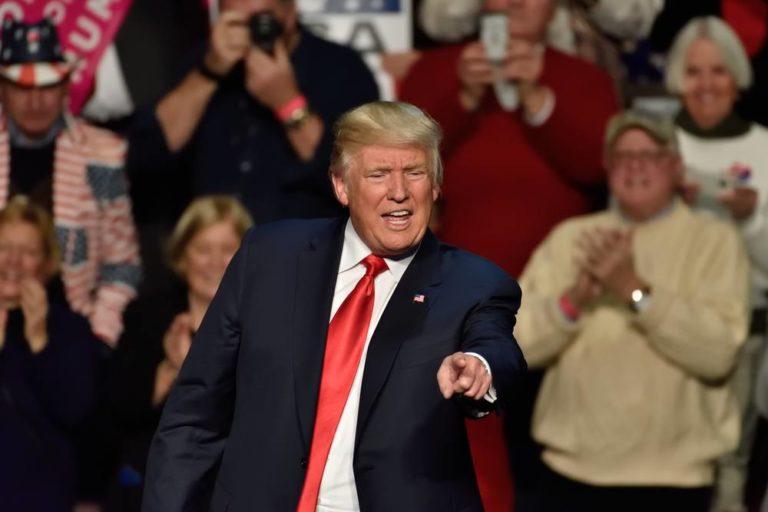
Trump’s Lonely White House Stint: Scaramucci Highlights Policy Worries

0

Title: Key Takeaways:

  • Anthony Scaramucci notes Trump’s solitary White House life may affect decisions.
  • A 15% market drop could shift Trump’s focus to government cuts.
  • The DOGE initiative, led by Elon Musk, is cutting government agencies.
  • Steve Bannon criticizes DOGE for harming the MAGA base.
  • Economic downturn could lead Democrats back to power, reducing Trump’s influence.

Introduction: Anthony Scaramucci, a former aide to Donald Trump, recently shared insights into Trump’s isolated life in the White House and its potential impact on policy decisions. According to Scaramucci, Trump’s solitude might be influencing his approach to governance, particularly with initiatives like the Department of Government Efficiency (DOGE).

A Lonely Decision-Maker: Living alone in the White House, Trump has no family or close advisors to challenge his decisions. Scaramucci suggests this isolation means Trump is more susceptible to influence from CEOs and others who contact him directly. This lack of checks could lead to impulsive decisions without thorough consideration.

The DOGE Initiative and Its Impact: Trump established DOGE via executive order, appointing Elon Musk to lead the effort aimed at reducing government spending. DOGE has significantly cut various government agencies, freezing websites, grants, and programs. While promoted as a cost-saving measure, critics argue these cuts may have unforeseen consequences on public services.

A 15% Market Drop Could Change Trump’s Mind: Scaramucci predicts a significant stock market decline could prompt Trump to rethink his policy stance on government cuts. A 15% drop might trigger concerns over economic stability, pushing Trump to reassess his priorities.

Criticism from Former Allies: Steve Bannon, a former Trump strategist, has openly criticized DOGE, asserting that the cuts disproportionately affect Trump’s base. Bannon argues that the initiative undermines the very people who supported Trump’s agenda.

Potential Economic and Political Fallout: Scaramucci warns that a recession from a market downturn could flip Congress to Democratic control, diminishing Trump’s power. This shift might hinder Trump’s efforts to advance his policies, potentially undoing his recent initiatives.

Conclusion: Scaramucci’s comments highlight concerns about Trump’s isolated decision-making and the potential consequences of policies like DOGE. The impact on the economy and political landscape could be significant, emphasizing the need for balanced governance and consideration of various perspectives.