76.1 F
San Francisco
Friday, March 20, 2026
Home Blog Page 104

Mystery Deepens: Mexican Navy Plane Crash off Texas Coast

0


Key Takeaways

• Five people died, two survived, and one remains missing after the Mexican Navy plane crash near Galveston.
• The aircraft was on a specialized medical transport mission in heavy fog.
• U.S. Coast Guard, local officials, and Mexican Navy coordinate search and rescue efforts.
• A young child bound for Shriners Children’s Texas burn center was aboard the flight.

Mexican Navy plane crash shocks Gulf Coast

A small Mexican Navy plane crash off the Gulf Coast shocked residents. It went down about 50 miles southeast of Houston near Galveston. Eight people were on board. Five died, two lived, and one is still missing. The scene lay under heavy fog, complicating rescue work.

Overview of the crash

The aircraft took off for a humanitarian flight. It carried medical staff, patients, and supplies. Local reports say the plane tried to land in dense fog. Visibility was almost zero near the shoreline. Suddenly, it disappeared from view and then crashed into the water.

Humanitarian mission details

The Mexican Navy said the flight served a medical transport mission. It carried specialized burn care equipment and staff. Among the passengers was a young child bound for burn treatment. The child’s condition remained unclear after the crash. Shriners Children’s Texas confirmed they had not yet admitted the patient.

Search and rescue efforts

Immediately after the Mexican Navy plane crash, teams launched rescue operations. The U.S. Coast Guard joined local fire and police units. Mexican Navy divers crossed into U.S. waters to assist. They searched by air, sea, and boat crews. So far, they found two survivors. Sadly, five bodies have washed ashore.

Aftermath of the Mexican Navy plane crash

Communities from both countries feel the tragedy’s impact. Families await word on the missing passenger. Galveston residents watched navy ships and helicopters overhead. Volunteers offered food and blankets to first responders. Shrines staff prepared to care for any survivors.

Reactions and support

Shriners Children’s Texas issued a heartfelt statement. They said, “We have profound sadness for the child involved.” The hospital deferred all medical updates to the Mexican Navy. They praised the Mexican teams for their swift action. Meanwhile, local leaders expressed sympathy for the victims’ families.

U.S. Ambassador Ronald Johnson spoke on social media. He said the United States works closely with Mexico. He extended condolences to the families. He promised continued support for rescue and recovery. As a result, both nations strengthened their maritime cooperation.

Ongoing investigation

Officials have not determined the crash cause yet. Investigators will study weather data, equipment, and crew records. Heavy fog remains a key factor under review. Moreover, experts will inspect the plane’s maintenance history. Results could take weeks or months.

Steps to improve safety may follow. Authorities may add stricter fog protocols for international flights. They could also update emergency communication systems. In addition, joint drills might prepare crews for similar missions. Consequently, both countries aim to prevent future tragedies.

Looking ahead

While search efforts continue, hope remains for the missing passenger. Community groups plan candlelight vigils along the shore. They will honor the lives lost and pray for survivors. In the coming days, more details should emerge from official reports. As families await closure, cooperation remains strong between Mexico and the U.S.

Frequently Asked Questions

What caused the Mexican Navy plane crash?

Investigators are examining weather, equipment, and crew records. Heavy fog during landing appears central, but final findings will come later.

How many people were on the flight?

Eight people were aboard: five died, two survived, and one is still missing.

Who is leading the search and rescue?

The U.S. Coast Guard, local Texas authorities, and the Mexican Navy lead the coordinated operation.

Was there a hospital patient on the plane?

Yes, a young child bound for burn care at Shriners Children’s Texas was on board. The hospital has deferred medical updates to the Mexican Navy.

Crocs Lawsuit Challenges Trump’s Emergency Tariffs

0


Key Takeaways

• Colorado-based Crocs has sued the Trump administration for $54 million in tariffs.
• The company argues the emergency declaration lacked a real national threat.
• The Crocs lawsuit could reshape how future trade policies work.
• Crocs has already cut back Chinese production due to rising duties.
• This move follows similar challenges by Costco, Revlon, and Kawasaki.

Crocs Lawsuit Sparks Big Legal Battle

Colorado shoemaker Crocs filed a major lawsuit against the Trump administration. The company claims the emergency tariffs hurt its profits and broke the law. They want back $54 million plus interest. In addition, Crocs aims to stop any future unauthorized levies. The suit names several federal agencies and top officials. As a result, this case could alter how presidents use emergency powers in trade.

Behind the Crocs Lawsuit Filing

In April, the president issued an order to impose emergency tariffs. He cited a law meant for true crises. However, Crocs says the situation never rose to a real emergency. Therefore, the company believes the White House overstepped its authority. The Crocs lawsuit went to the U.S. Court of International Trade in New York. It names U.S. Customs and Border Protection, Homeland Security, Treasury, and the Office of the U.S. Trade Representative. Moreover, key Trump administration leaders appear in the case. Crocs hopes the court will side with its view of an improper tariff move.

Why Crocs Filed Suit

Crocs has seen its profits slide after paying extra duties for two straight quarters. In fact, the firm lost hundreds of millions of dollars due to higher costs. Consequently, Crocs warns it may leave China entirely if tariffs stay high. The company says emergency tariffs do not follow the law Trump cited. That law applies to unusual or extraordinary threats to national security. Yet, Crocs argues the order never proved such a threat. Thus, their Crocs lawsuit claims the administration broke its own rules. They want a clear ruling to protect against future surprise tariffs.

What the Trump Administration Did

The administration used an emergency powers law to impose steep duties on imports. It aimed to protect U.S. companies from foreign competition it saw as risky. However, critics say the move stretched the law too far. They note that the cited threats never matched past emergencies like wars or actual shortages. Still, federal agencies enforced the new tariffs, and importers paid extra fees. As a result, many corporations felt blindsided by sudden cost hikes. Now, businesses like Crocs are pushing back in court.

What Crocs Seeks

In the suit, Crocs demands a refund of $54 million in paid duties. The company also wants interest on that money. Furthermore, Crocs asks the court to rule that future emergency tariffs are illegal under the cited law. If successful, this part of the Crocs lawsuit could block similar moves by future presidents. In addition, a win would offer clarity for companies planning global production and pricing. Crocs hopes to avoid repeat cost shocks and safeguard its supply chain.

Potential Impact on U.S. Trade

If the Crocs lawsuit succeeds, it could change how presidents use emergency powers for trade. Moreover, it might reshape the balance between the executive branch and Congress. Businesses would gain more certainty in planning imports and exports. In turn, that certainty could boost investment and growth in manufacturing. On the other hand, some say tight rules could slow fast government responses to real crises. Nevertheless, major corporations are watching this case closely. Their own legal challenges could join forces if Crocs wins.

Corporate Pushback Grows

Crocs is not alone in this legal fight. Retail giant Costco sued for similar relief last year. Beauty brand Revlon and Kawasaki Motors also filed suits against emergency tariffs. This wave of challenges shows broad concern over unchecked executive power in trade. Consequently, courts will face multiple cases asking for legal limits. Additionally, lawmakers may revisit the emergency powers law to close any loopholes. Therefore, the Crocs lawsuit could spark both judicial and legislative changes.

Looking Ahead

The U.S. Court of International Trade will set hearings and establish timelines. If the court finds the tariffs unlawful, many importers could file for refunds. Conversely, a ruling for the administration would uphold the president’s reach. In either scenario, businesses will adjust their strategies. Crocs has already started diversifying its production outside China. Hence, whether it wins or loses, the company plans to reduce exposure to sudden policy shifts.

Conclusion

Crocs’ bold lawsuit raises crucial questions about emergency trade powers. The company seeks $54 million in refunds and a clear legal ruling. This fight could reshape how presidents use tariffs to protect national interests. Moreover, it reveals growing corporate resistance to surprise cost hikes. As similar lawsuits advance, U.S. trade policy may enter a new era of checks and balances.

Frequently Asked Questions

What exactly did Crocs claim in their lawsuit?

Crocs argued that the emergency tariffs lacked legal basis and that no genuine national threat existed.

How much money does Crocs want back?

The company seeks $54 million in paid duties plus interest.

Who else has sued over these emergency tariffs?

Other major firms, including Costco, Revlon, and Kawasaki Motors, have filed similar challenges.

What could happen if Crocs wins?

A victory could limit future emergency tariffs and prompt Congress to revise trade laws.

Trump Halts Offshore Wind: A Big Step Back?

0

Key Takeaways

  • President Trump paused all offshore wind leases.
  • Five East Coast projects now face work stoppages.
  • Together, these plans could power over 2.5 million homes.
  • Experts warn it will slow down energy for the AI boom.
  • Lawmakers hope for faster, technology-neutral permits.

Why the Offshore Wind Ban Matters

Last Monday, the Interior Department stopped every lease deal for offshore wind projects. This move marks the president’s biggest broadside yet against wind energy. Moreover, it follows months of critical remarks from the White House aimed at wind power. Environmental groups immediately condemned the decision. Even some congressional allies of the president joined in the backlash.

With this halt, five major projects along the Eastern Seaboard face immediate delays. Together, they had planned to produce enough clean energy for more than 2.5 million homes. As a result, construction crews must pause their work until further notice. In simple terms, this means fewer jobs and slower growth in clean energy.

Beyond these immediate effects, experts worry this freeze will hurt the nation’s long-term energy goals. Right now, the country needs more power to support growing industries, such as artificial intelligence. Without new wind energy coming online, the U.S. risks a power shortage. This could force the country to rely more on carbon-based fuels.

Impact of the Offshore Wind Freeze

Financial Strain on Projects

Several developers invested millions in planning and survey work. Now, they face uncertain timelines and added costs. They must halt surveys at sea and bring equipment back to shore. This means wasted dollars and stalled timelines.

Lost Jobs and Local Growth

Ports and shipyards along the coast prepared to expand for these projects. Workers trained to install turbines now wait for new orders. As a result, local economies count lost wages and fewer business activities.

Setbacks for Clean Power Targets

States on the Eastern Seaboard set goals to increase clean energy. Offshore wind played a key part in meeting these targets. With no new projects moving forward, states may miss their deadlines. Consequently, the fight against climate change loses momentum.

Slowing Momentum on Permitting Reform

On Capitol Hill, lawmakers aimed to pass a bill that treats all power permits the same. This “technology-neutral” approach could speed up approvals for solar, wind, and even clean fossil fuels. Yet, the offshore wind pause highlights a broken permitting system. Many now see an even greater need for reform. However, delays in Congress could stall any new law.

Why Experts Say This Hurts the AI Boom

Artificial intelligence and other data-driven industries need massive amounts of electricity. Data centers run day and night and can use as much power as small cities. Therefore, a reliable and affordable energy supply is vital. Clean sources, like offshore wind, offer steady output without fuel costs. By halting wind plans, the U.S. may face higher power bills. In turn, this could slow investments in AI research and development.

Arguments for a Technology-Neutral Approach

Treating all energy sources the same makes sense to many lawmakers. For instance, if solar farms wait one year for approval, wind farms should also wait one year. Under a true technology-neutral law, neither source gets special treatment. Supporters say this would:

• Cut red tape by merging multiple permit processes.
• Level the playing field for clean energy and carbon-based power.
• Attract more private investment into energy projects.
• Bring down electricity costs for homes and businesses.

Despite broad support, the new offshore wind freeze shows how slow change can be. Until Congress acts, each project faces its own unique hurdles. Right now, that means delays, higher costs, and fewer clean energy options.

What Could Happen Next

Review and Appeal

Developers can ask the courts to challenge the decision. This process might lift the freeze. Yet, court battles can drag on for years, keeping workers and investors in limbo.

New Leadership Choices

If the White House names new agency heads, policies could shift again. A different approach might restart the leasing process. Still, the timeline for new hires remains uncertain.

Congressional Action

Lawmakers could pass a stand-alone bill to resume offshore wind leases. However, reaching agreement on energy policy often proves hard. The focus on permitting reform offers one path, but it may not address this pause quickly enough.

State-Level Efforts

Some states might fund their own offshore wind studies. They could bypass federal leases by buying power from international projects. Yet, these options remain complex and costly.

Moving Forward

This ban on offshore wind leasing shows how policy wounds can slow clean energy growth. While some see it as a way to protect coastlines or question wind reliability, experts largely agree the costs outweigh benefits. In addition, a lack of new energy capacity could raise bills and slow new technology industries.

On the bright side, the debate has shone a spotlight on the need to fix our permitting process. Momentum is growing to pass laws that treat every energy source fairly. If lawmakers succeed, the U.S. could rapidly expand solar, wind, and other power options. That would help meet both climate goals and the growing energy demands of the AI boom.

Until then, the future of offshore wind in America hangs in the balance. Projects that once promised clean power for millions now face an uncertain fate. As the nation watches, leaders in Washington must decide if they want to push forward or fall back on traditional energy paths.

Frequently Asked Questions

What is offshore wind?

Offshore wind refers to wind farms built in bodies of water, usually on the continental shelf. They capture stronger and steadier winds than land-based turbines.

Why did the president halt offshore wind leases?

The administration cited concerns about environmental impacts, shipping lanes, and views along the coast. Critics argue politics and a push for fossil fuels drove the decision.

How many homes will this decision affect?

Five paused projects were set to power over 2.5 million homes. Delaying work on these plans means slower growth in clean electricity.

What is a technology-neutral permitting reform?

This approach treats all energy sources—renewables and carbon-based—equally during approval. It aims to cut red tape and speed up energy project launches.

Heritage Foundation Shake-Up: Top Legal Leader Resigns

0

Key Takeaways

  • Hans von Spakovsky and Cully Stimson resigned from the Heritage Foundation.
  • They were named interim heads of the Meese Center for Legal and Judicial Studies.
  • Their exit follows a growing scandal over ties to extremist figures.
  • The Heritage Foundation’s legal arm now stands nearly empty.
  • Conservative commentators on X reacted with surprise and concern.

Why Leaders Are Leaving the Heritage Foundation

The Heritage Foundation has lost two top legal scholars in a single day. Their departure shocked many who follow conservative politics. In particular, Hans von Spakovsky—known for pushing strict voting laws—announced his immediate resignation. He left alongside Cully Stimson, another senior lawyer. Both had just been put in charge of the Meese Center for Legal and Judicial Studies. Yet they stepped down within hours.

Spakovsky and Stimson wrote a joint letter explaining their decision. They said they felt unable to carry on the mission set by the foundation’s founders, Ed Feulner and Edwin Meese. They added that leaving was painful, but necessary. Because of recent events, they could no longer lead the premier conservative legal institution.

Background on the Heritage Foundation

For decades, the Heritage Foundation has ranked among the most influential conservative think tanks in Washington. It advises lawmakers on policy issues, from taxes to national security. Moreover, it shapes debates on social and cultural matters. Over time, it built a reputation for solid research and smart legal analysis. However, this reputation came under strain.

In recent months, the foundation’s president faced growing criticism. He refused to condemn Tucker Carlson for appearing alongside Nick Fuentes, a known neo-Nazi sympathizer. As a result, legal scholars began to leave in protest. First, a wave of experts exited the Meese Center. Then, more names followed. Finally, Hans von Spakovsky and Cully Stimson bowed out as well.

Inside the Heritage Foundation Exodus

First, many objected when the foundation would not take a stand against extremist ties. They saw silence as tacit approval. Second, some staff felt the organization no longer represented the conservative principles they valued. Third, the exodus accelerated once Spakovsky stepped down. After all, he was one of the group’s most respected voices on election law.

Spakovsky’s Career and Influence

Hans von Spakovsky has long championed stricter voting rules. He helped craft laws to require voter ID and limit mail ballots. He also led a task force on alleged voter fraud. Notably, he refused to include Democratic election officials on that group. Critics say his work fueled unfounded claims of stolen elections. Yet his supporters call him a principled defender of election integrity.

Meanwhile, Cully Stimson served as general counsel for the foundation. He advised on legal matters and helped shape policy papers. Together, they offered intellectual heft and practical guidance. In theory, their interim roles at the Meese Center would strengthen that arm of the foundation. In reality, their immediate resignations left a gap that few can fill.

Reactions to the Heritage Foundation Exodus

News of Spakovsky’s resignation exploded on the social platform X. Right-wing analyst Erick Erickson called it “a very big deal.” National Review’s Noah Rothman said he was eager to learn how a veteran like Spakovsky became an “ideological deviationist.” Josh Blackman, another recent Heritage exit, noted that the Meese Center is “basically empty now.” Even a pro-Trump aide described being “speechless” over losing such a key figure.

Many conservatives worry that the Heritage Foundation is losing its way. They fear the think tank can no longer unite legal experts around core principles. Moreover, some believe the foundation’s leadership is deeply broken. After all, you don’t often see top figures quit together on short notice.

Impact on the Heritage Foundation’s Legal Team

Without Spakovsky and Stimson, the foundation faces a shortage of seasoned legal minds. The Meese Center has lost nearly all its staff. Therefore, its capacity to publish reports or advise lawmakers has declined sharply. In turn, Republican legislators may seek guidance from smaller groups or outside experts.

However, the foundation still has other experts in economics, foreign policy, and health care. It may rebuild its legal team in time. Yet the process could be long and difficult. Potential hires might fear working under a leadership seen as unwilling to uphold core values.

What Comes Next for the Heritage Foundation

First, the foundation’s president must address the unrest over extremist ties. He could issue a clear rebuke of any hateful ideology. That step might reassure some resigning experts. Second, the organization may need a talent search to refill its legal ranks. Third, it should restore trust by revisiting its commitment to conservative principles.

Otherwise, more experts may leave. Moreover, donors and lawmakers who rely on the foundation’s work might look elsewhere. In a crowded conservative ecosystem, every think tank vies for credibility. The Heritage Foundation now faces a serious test of its resilience.

In summary, the sudden exit of Hans von Spakovsky and Cully Stimson signals a crisis at the Heritage Foundation. Observers see their departure as a direct result of leadership failures and a refusal to condemn extremist links. For the once-mighty think tank, the challenge now is to rebuild trust, hire new talent, and once more stand for the conservative ideas it once championed.

Frequently Asked Questions

What prompted Hans von Spakovsky to resign?

He and Cully Stimson cited a breakdown in leadership and a failure to uphold the foundation’s mission. They felt they could no longer support its direction.

Who is Cully Stimson?

Cully Stimson served as general counsel at the Heritage Foundation, advising on legal strategies and policy development.

What is the Meese Center for Legal and Judicial Studies?

The Meese Center is the Heritage Foundation’s hub for legal research. It produces policy papers, hosts events, and advises on judicial matters.

How will these departures affect the Heritage Foundation?

Losing key legal experts leaves the foundation’s legal arm nearly empty. It may struggle to advise lawmakers and maintain its influence.

Why Trump Recalls Diplomats in Major Shake-Up


Key Takeaways:

  • President Donald Trump plans to recall 30 apolitical diplomats from key overseas posts.
  • Reassigned diplomats will make way for loyal MAGA supporters in senior roles.
  • Africa will lose ambassadors in Somalia, Niger, and Congo, all under Trump’s travel ban.
  • The move aims to uproot the “deep state” and has drawn sharp criticism.

Trump Recalls Diplomats With New Plan

President Trump recalls diplomats from 30 overseas posts that normally stay filled across administrations. However, he wants these career envoys replaced by his own loyal team. He calls it a necessary step to uproot the so-called deep state. While the diplomats will not lose their jobs, they will soon face new assignments in other countries.

Why Trump Recalls Diplomats Now

According to reports, Trump recalls diplomats to clear out officials he sees as blocking his agenda. Many of these envoys have served both Democratic and Republican presidents. They enjoy reputations for neutrality and skill. Yet, Trump views them as part of a hidden power network. Consequently, he decided to act swiftly.

How the Plan Works

First, the administration will recall each diplomat from their current post. Then it will assign them to new roles in different countries. They will retain their pay and rank but may move to less prominent locations. Meanwhile, Trump will fill the openings with loyalists from his campaign and political circle. These appointees may lack deep diplomatic experience but carry the president’s trust.

Africa Feels the Impact

Africa will be hit hardest by this shake-up. Trump recalls diplomats from Somalia, Niger, and Congo—countries under his travel ban. As a result, their ambassadors will be sent elsewhere, potentially slowing aid and straining relationships. In addition, foreign service staff in Egypt and Algeria will change posts. Eastern Europe and the Balkans also face reshuffles, including Slovakia, Montenegro, Armenia, and North Macedonia.

Diplomats Speak Out

Former career diplomats reacted with dismay. One senior ex-official called the move a “travesty” because it seemed random. He said no one knew why some were pulled and others spared. Meanwhile, the American Foreign Service Association, the union for U.S. diplomats, condemned the action. It said these professionals are being unfairly penalized despite doing their jobs well.

What Comes Next

In the short term, Trump recalls diplomats will lead to a major foreign service shuffle. Loyalists will take key roles overseas, potentially shifting U.S. policy on the ground. Critics worry these newcomers lack the expertise to manage complex international issues. They fear damaged relationships with partner nations and weakened U.S. influence.

In the longer run, this move could set a new standard for political control over the foreign service. Future presidents might feel free to replace career diplomats with party loyalists. That shift could erode the professional system that has guided U.S. diplomacy for decades.

Balancing Tradition and Politics

Historically, career diplomats have provided stability across administrations. They build relationships, learn local cultures, and earn trust from foreign leaders. Political appointees often leave after a term. By contrast, Trump’s plan breaks from this tradition. It shows his determination to surround himself with loyal allies rather than neutral experts.

The Deep State Debate

The phrase “deep state” describes a hidden network of government officials who work behind the scenes. Some say it protects policy from sudden political swings. Others see it as blocking necessary change. By recalling these diplomats, Trump aims to curb this shadow network. However, critics argue that this purge could do more harm than good.

Impact on U.S. Diplomacy

U.S. diplomacy relies on skilled professionals who know local languages and customs. If Trump brings in loyalists without that background, trust may erode. In turn, American influence abroad could weaken. Observers worry policy planning will suffer and relationships will fray.

Possible Congressional Response

Congress controls funding and confirms key posts. Some lawmakers may push back with hearings or demands for transparency. Yet, given party divisions, strong action seems unlikely. Still, media scrutiny could pressure the White House to explain its choices.

Life for Reassigned Diplomats

Those diplomats who move will arrive at new posts with unfamiliar challenges. They must rebuild local networks. Some may face reduced resources. However, they will keep their jobs, rank, and pay. Over time, many could rise again in the service, but for now, uncertainty reigns.

Possible Outcomes

If new appointees perform well, critics may soften. Yet, if they struggle, pressure will mount on the administration. Foreign leaders may question American competence. The State Department could face internal conflict. Overall, this plan adds tension to U.S. diplomacy.

Conclusion

The news that Trump recalls diplomats marks a historic shift in U.S. foreign service practice. While the administration calls it a fight against the deep state, many see a political purge. As this story unfolds, all eyes will remain on how these changes reshape America’s role in the world.

Frequently Asked Questions

How many diplomats will be reassigned?

About thirty apolitical U.S. diplomats will face reassignment under this plan.

Will the diplomats lose their jobs?

No. They will keep their rank and pay but move to new overseas posts.

Which countries will feel the biggest impact?

Africa, especially Somalia, Niger, and Congo, will be hit hardest by these recalls.

Why is the administration doing this?

Officials say the aim is to uproot the so-called deep state by installing loyalists.

Why JD Vance Missed a Big Moment at the MAGA Super Bowl


Key Takeaways

  • JD Vance spoke at AmericaFest, the MAGA “Super Bowl” by Turning Point USA.
  • He did not denounce antisemitic or racist influencers like Nick Fuentes.
  • CNN analyst Kate Bedingfield called it a failed moral moment.
  • Vance has hinted at a 2028 presidential run, possibly with Marco Rubio.
  • Critics warn ignoring hate speech could harm his political future.

Key Moments for JD Vance at AmericaFest

AmericaFest billed itself as the MAGA “Super Bowl.” Big names like Charlie Kirk’s widow, Erika Kirk, noted the group would back JD Vance in 2028. Moreover, former President Donald Trump said he would support Vance. In this high-profile setting, Vance could have taken a clear stand against hate. Instead, his speech skirted around the issue.

Why JD Vance Failed to Denounce Hate

During his address, JD Vance had the chance to condemn antisemitic and racist voices. For example, the event “platformed” Nick Fuentes, known for praising Hitler. Yet Vance remained silent. CNN analyst Kate Bedingfield, once Biden’s communications director, blasted this choice. She said Vance “failed in this moral moment.” Therefore, many see this as a major misstep.

How This Affects a JD Vance 2028 Bid

JD Vance has signaled his intent to run for president in 2028. He even hinted that Marco Rubio could be his running mate. With Trump’s blessing, Vance seemed poised for a smooth rise. However, avoiding a clear break from extremist figures may shake his base. If voters want leaders who reject hate speech, Vance must clarify his stance. Otherwise, opponents could use this silence against him during primaries.

Critics Sound the Alarm on MAGA Antisemitism

The MAGA movement has faced repeated accusations of antisemitism and racism. Civil rights groups report a spike in hateful content online and at rallies. They note antisemitic tropes about Jewish control of finance and media. Racist attacks often target immigrants, Black Americans, and other minorities. Meanwhile, some influencers deny or downplay these issues. Thus, critics argue that leaders like JD Vance must step up. If they don’t, hate speech can spread unchecked.

What Lies Ahead for JD Vance

JD Vance has said in the past that he disavows figures like Nick Fuentes. Yet on this stage, that promise fell flat. Moving forward, Vance will face tough questions. He may need to explicitly condemn antisemitism and racism. Otherwise, voters and watchdogs will press him for answers. For his 2028 ambitions, clarity will be key.

A Closer Look at Turning Point USA’s AmericaFest

AmericaFest brings together thousands of young conservatives. It features speeches, panels, and meet-and-greets. Organizers call it the ultimate gathering for the MAGA base. This year, they invited a range of influencers, some with extreme views. By letting them share the stage, they risk normalizing hate speech. As a result, every speaker must consider the message they send.

Why Denouncing Hate Matters in Politics

Leaders shape what followers believe is acceptable. When politicians clearly reject racism and antisemitism, they draw a line. They protect minorities and promote unity. On the other hand, silence can look like approval. Therefore, public figures must use their platform wisely. In a polarized climate, every word counts.

The Role of Influencers Like Nick Fuentes

Nick Fuentes calls himself a nationalist commentator. He has praised Hitler and pushed antisemitic conspiracy theories. Despite this, he often appears at conservative events. This creates tension within the movement. Some figures, like Ben Shapiro, openly challenge him. Others, like JD Vance at AmericaFest, stay quiet. The divide shows a broader fight over the soul of the right.

Voices Calling Out the Extremists

Several conservatives have broken ranks to criticize hate speech. For instance, Ben Shapiro and Megyn Kelly spoke out against antisemitism. They argued that promoting conspiracy theories hurts the movement’s credibility. Kate Bedingfield praised their actions. She said it’s “important and good” for them to speak up. Their courage highlights that not all in the MAGA sphere accept extremist rhetoric.

How Vance’s Silence Compares to Others

In past moments, JD Vance disavowed extremist voices. Yet on this MAGA stage, he stayed silent. Contrast that with leaders who refuse to share a platform with known bigots. Those leaders send a message: hate has no place in politics. By failing to denounce antisemitism, Vance missed a chance to stand with them.

What Supporters and Critics Are Saying

Supporters of JD Vance focus on his policy ideas and loyalty to Trump. They believe he can unite different factions of the party. Critics worry his moral hesitation reveals deeper issues. They ask whether he’ll stand up to extremist elements in the future. With both sides watching closely, Vance’s next moves will matter.

Next Steps for JD Vance

If JD Vance wants to restore confidence, he must act. He could issue a clear statement rejecting Nick Fuentes and others. Alternatively, he could host an event focused on unity and tolerance. Either way, he needs to turn words into action. For a potential 2028 campaign, voters will expect solid proof of his stance.

Conclusion

JD Vance’s speech at AmericaFest was billed as a major moment. Instead, his silence on antisemitism and racism left many disappointed. As he eyes 2028, he’ll have to address this gap. Leadership demands both vision and moral clarity. If Vance wants to win, he must show he won’t tolerate hate.

Frequently Asked Questions

What was the Turning Point USA AmericaFest event?

AmericaFest is a large gathering for young conservatives. It features well-known speakers and influencers. This year, it was called the MAGA “Super Bowl.”

Why did CNN analyst Kate Bedingfield criticize JD Vance?

She said Vance failed a moral test by not condemning antisemitic and racist influencers. She felt he missed a chance to take a clear stand.

Could JD Vance still run for president in 2028?

Yes. He has hinted at a 2028 bid and mentioned Marco Rubio as a possible running mate. His future may depend on how he handles this controversy.

What can JD Vance do to address the criticism?

He could publicly disavow hate figures like Nick Fuentes. He might also speak at events focused on unity and tolerance. Clear, decisive action will be key.

RealPage Settlement: No Penalties Spark Outrage

0

Key Takeaways

  • The RealPage settlement ends the DOJ’s antitrust lawsuit without fines or admissions of guilt.
  • Renters saw slight relief when the case was active, but now face renewed risks.
  • Nine states refuse to accept the RealPage settlement and keep fighting.
  • Experts call the RealPage settlement too weak to curb algorithmic rent hikes.
  • RealPage plans to use the deal to challenge new state laws against price fixing.

RealPage settlement draws fierce criticism

The Justice Department dropped its antitrust case against RealPage. Instead of penalties, it agreed to a deal that keeps RealPage’s rent-setting software free of blame. As a result, renters across the country remain vulnerable to price hikes driven by secret algorithms.

How the RealPage settlement unfolded

Earlier this year, the DOJ under President Biden sued RealPage for using data tools that let big landlords coordinate rent increases. Soon after taking office, the Trump antitrust chief ended that case. Despite claims of protecting consumers, the RealPage settlement demands no payments or wrongdoing admissions. RealPage’s lawyer even called the deal a “blessing.”

Why renters briefly saw relief

Before the RealPage settlement, rent growth slowed. Analysts saw a 0.3 percent national rent drop from August. That small relief came because the DOJ lawsuit forced landlords to pause algorithmic price fixes. However, once the case ended, that check on collusion disappeared.

States rebel against the RealPage settlement

Nine states that joined the original case refused to sign the RealPage settlement. They argue it leaves renters unprotected. These states vow to continue legal action. In a healthy democracy, they say, antitrust enforcers should defend consumers, not help big firms dodge responsibility.

What the RealPage settlement means for affordability

Millions of families struggle to afford rent, groceries, and health care. By one estimate, algorithm-driven rent fixing cost Americans three billion dollars extra. In Phoenix alone, tenants overpaid by 30 percent. With the RealPage settlement wiping out consequences, that unfair system can keep running.

Experts slam the weak RealPage settlement

Former federal trade commissioner Lina Khan called the RealPage settlement “too weak to describe as a slap on the wrist.” She warned that RealPage will use this deal to fight new state laws banning algorithmic price fixing. In fact, the company already sued New York after its governor outlawed such software.

How RealPage benefits from the settlement

Without admitting guilt, RealPage can keep selling its rent-management tools. It also gained a new argument in court: its business is “fair game” under the DOJ deal. Therefore, any attempt by states to ban algorithmic collusion may face costly legal fights funded by RealPage.

What happens next after the RealPage settlement

States that refused to join plan to press on with their lawsuits. Consumer groups may push Congress to set clear rules on algorithmic tools. Meanwhile, renters face higher costs if landlords resume using RealPage software to set prices without oversight.

Why this matters to you

Even young people feel the impact when rent climbs. Families need fair competition to keep housing costs down. When antitrust cases end in soft deals like the RealPage settlement, big companies gain power over everyday expenses. As a result, consumers lose out.

Looking ahead

Pressure will build on the Justice Department to revisit its approach. Lawmakers may push for tougher rules on data-driven collusion. In the end, renters hope stronger enforcement will prevent secret algorithms from driving up their bills again.

FAQs

What is the RealPage settlement about?

The RealPage settlement ends a DOJ lawsuit against a software firm accused of helping landlords fix rent prices. It includes no fines or admissions of guilt.

Why are states opposing the RealPage settlement?

Nine states say the settlement fails to protect renters and lets RealPage avoid real consequences for its alleged price-fixing tools.

How did algorithmic price fixing affect rents?

By analyzing market data, software could set rents higher and keep competing properties off the market, costing Americans billions extra.

Can Congress stop software-driven collusion?

Yes. Lawmakers can create laws that ban or regulate algorithmic tools that enable price fixing, ensuring fair competition in housing markets.

The Epstein Files Secret Trump Must Explain

Key Takeaways

  • Rep. Eric Swalwell says Donald Trump must explain one key document in the Epstein files.
  • A memo names an anonymous caller who offered a female to Jeffrey Epstein.
  • The caller’s name is redacted, fueling public outrage.
  • Democrats demand the full Epstein files, not partial disclosures.

A lawmaker says Donald Trump must face questions about the Epstein files. These documents relate to convicted abuser Jeffrey Epstein. They list names, dates, and events tied to Epstein’s crimes. Now, a single memo in those files has captured national attention.

Why This Epstein File in the Epstein Files Matters

Rep. Eric Swalwell spoke on live TV. He said this file is “stirring and unnerving.” In fact, the memo reads: “I have a female for him.” Then the name of the caller is blacked out. Swalwell asked why the public cannot see who made that call. He insisted Trump should let Americans read the full file.

What the Memo Reveals and What It Hides

The memo shows a direct offer to supply a female to Epstein. It proves how people connected with him. Yet, a key name is missing. That name could tie the caller to high-profile circles.

Moreover, the redaction raises fresh doubts. Why hide this caller’s identity? In addition, why did the Trump administration keep it secret? Many feel these questions deserve clear answers.

Political Fallout Over the Epstein Files

Since the Epstein files first surfaced, they have sparked a political fight. Democrats claim Trump’s team is blocking transparency. They want to know if any allies of the president appear in the files.

Meanwhile, Republican lawmakers face pressure from their own side. Some fear the scandal could harm Trump’s reputation. In fact, Rep. Swalwell suggested that certain Republicans might drop their support.

Furthermore, the issue distracts from other topics. For instance, Democrats note that Trump released files on a different figure instead. They see that choice as proof of misplaced priorities.

Public Demand for Full Disclosure

Americans want to see the entire Epstein files. They argue partial release only breeds more suspicion. They insist full access would settle many rumors.

Likewise, victims’ advocates demand transparency. They believe open records show commitment to justice. They argue that secrecy shields wrongdoers and their enablers.

What Happens Next?

The ball is now in Trump’s court. If he releases the files, it could calm some critics. On the other hand, if he holds back, calls for accountability will only grow louder.

Meanwhile, Congress may take more steps. Committees could issue subpoenas. Courts might rule on the legality of redactions. Each move will shape how this story unfolds.

In the end, the single memo stands as a test. Will the public ever know who offered a female to Epstein? And what will that discovery mean for the president?

Frequently Asked Questions

What exactly is in the Epstein files?

The Epstein files include memos, flight logs, court documents, and witness statements tied to Jeffrey Epstein’s crimes. They list dates and names linked to his network.

Why is the redacted caller in the memo so important?

That caller’s identity could reveal who helped Epstein. It may connect high-profile figures to his criminal activities, raising questions of accountability.

Have any other parts of the Epstein files been released?

Yes, some documents have been made public. However, key pages remain redacted, prompting demands for full disclosure.

What could happen if Trump releases the full Epstein files?

Full release might satisfy some critics and improve transparency. Yet, it could also spark new investigations if other sensitive names appear.

Unlock Epstein Files: Search FBI 302 Reports

0

Key Takeaways:

• Legal analyst Kristy Greenberg urges viewers to search Epstein files for FBI 302 reports.
• An FBI 302 is a summary an agent writes after interviewing witnesses or victims.
• These reports add context to photos, documents, and evidence in the files.
• Without FBI 302 reports, many details stay unclear.

Why FBI 302 Reports Matter

Every investigation needs clear notes from interviews. An FBI 302 report is exactly that. When agents talk with witnesses or victims, they write down what they learn. As a result, these notes become a key record of what someone saw or experienced. Without them, you only have photos and paperwork with no real story behind them. Therefore, searching the Epstein files for FBI 302 reports is crucial.

How to Search for FBI 302 in the Epstein Files

First, download or open the released file collection. Then use the search box to type “FBI 302.” Next, click through each result to read the full report. You may find dozens of these summaries. Moreover, each report tells you who was interviewed and what they said. If you want more detail, note the page number and look for any related documents or photos nearby. That way, you can piece together how a photo or letter fits into the bigger picture.

What You Learn When You Read FBI 302 Reports

For example, one FBI 302 might describe a victim’s account of a meeting at a mansion. As a result, you know the time, place, and people involved. Then you can match that story to a photo taken at the same event. In addition, these reports often list documents shown to the witness. Therefore, you see why an agent thought a document mattered. Without the FBI 302, you only see the paper without a reason.

Context Gaps in the Epstein Documents

So far, the released files include many pictures of people, planes, and places. However, you don’t know who is in them or why they matter. As a result, readers can only guess at the story. Likewise, you might find letters but miss the link between a signature and a crime. Thus, FBI 302 reports fill the gap. They tell you who said what and why an agent kept a copy of a document.

Looking Ahead: What Should Come Next

For full transparency, more FBI 302 reports should be released. Furthermore, we need any emails or notes agents used before or after interviews. In addition, a list of all witnesses would help people track patterns. Finally, putting these pieces together will let the public see the investigation as a whole.

FAQs

What exactly is an FBI 302 report?

An FBI 302 report is an agent’s summary of an interview. It typically covers what a witness or victim said and what documents they saw.

Why focus on FBI 302 when reading the Epstein files?

FBI 302 reports give context. They explain why photos or documents are important and who provided key information.

Can anyone access these FBI 302 reports?

Yes. The files have been released to the public. You only need to search for “FBI 302” inside the documents.

What will we learn after reviewing more FBI 302 reports?

We will understand victims’ stories, see why certain evidence mattered, and get a clearer picture of the investigation.

Trump Lame Duck? Greene Says He’s Losing Power

0

Key Takeaways:

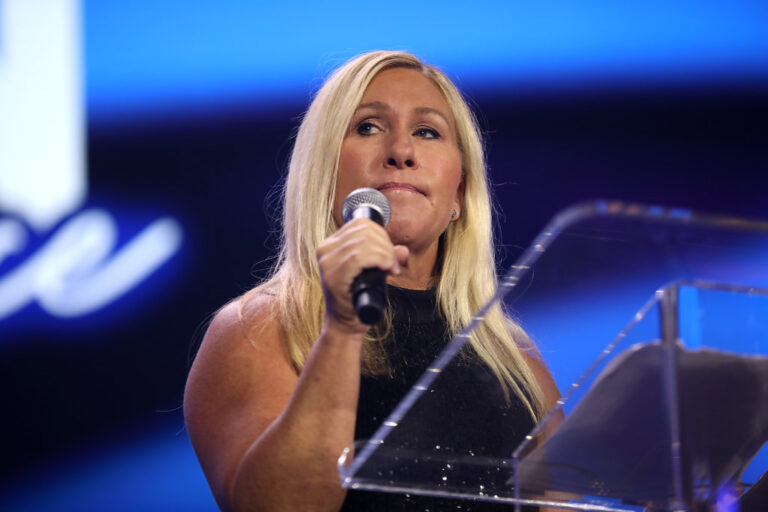
• Marjorie Taylor Greene now calls President Trump a “lame duck” who’s losing power.
• Greene and Trump clashed over U.S.-Israel ties and Epstein file transparency.
• Trump withdrew his endorsement, and Greene announced she will retire from Congress.
• Greene praises a new grassroots movement uniting right and left Americans.
• This feud shows growing tensions within the Republican Party.

Is “Trump Lame Duck” Label Fair?

Marjorie Taylor Greene surprised many by calling President Trump a Trump lame duck. She once backed him fully. However, she now says he’s lost his grip on power. Indeed, she argues he behaves like a powerless leader. Since they fought over secrets on Jeffrey Epstein, Trump withdrew his support. Now Greene describes her split as freeing. Meanwhile, she champions a new grassroots force beyond party control. Yet fans wonder if calling him a “Trump lame duck” goes too far.

Greene Breaks Ties and Calls Trump Lame Duck

First, Greene demanded the release of files on Jeffrey Epstein. Next, Trump called her a “ranting lunatic.” Then he urged a challenger to run against her in the next primary. Soon after, Trump removed his endorsement. Eventually, Greene announced she will retire from Congress. Now she says breaking free from the “bully” feels liberating. Furthermore, she claims the bully is now a Trump lame duck. This phrase has spread quickly on social media.

The Rise of the Grassroots Movement

Meanwhile, Greene celebrates what she calls a new grassroots movement. She writes that this group stands outside the old party control. Moreover, she believes it will unite right and left with fury. She adds this force will protect America’s future, children’s future, and grandchildren’s future. Indeed, she says Americans spent years divided. As a result, she vows to refuse hate and embrace unity. Therefore, she says real America is rising while the Trump lame duck era ends.

Why Greene Says He’s a Lame Duck

Greene uses strong words to explain why Trump is a lame duck. First, she points to his loss of endorsements. Next, she mentions his public criticism of her transparency push. She says he fights hard to keep Epstein’s files secret. Also, she argues he no longer commands loyalty in her state. Finally, she suggests that a true leader welcomes scrutiny, not suppression. Thus, she believes he acts like a leader without power—a genuine Trump lame duck.

Response From Trump

In turn, Trump did not stay silent. He lashed out at Greene over her Epstein file demands. He said she called him repeatedly and hung up when he did not answer. Greene disagreed. She claimed her support for the Epstein Files Transparency Act set him off. Even so, Trump has not forgiven her. His camp now backs a primary foe in Georgia. As a result, Greene’s future in politics grows dim. Meanwhile, the label “Trump lame duck” echoes in GOP circles.

What Comes Next for the GOP?

This clash reveals deep rifts in the Republican Party. On one side, old-guard leaders follow Trump’s path. On the other, a new wave of activists challenges authority. Greene believes this grassroots revolt will reshape politics. However, some warn that division could weaken Republicans in elections. Furthermore, moderate voices question whether calling a former ally a Trump lame duck helps unity. Still, the feud raises key questions: Will Trump rebuild loyalty? And can new leaders bridge the gap between right and left?

Conclusion

In a dramatic turn, Marjorie Taylor Greene labels President Trump a Trump lame duck. She once stood firmly by him, but their feud over Epstein files and U.S.-Israel ties broke their bond. Now Greene backs a wide grassroots movement she says transcends party lines. Meanwhile, Trump fights back by supporting a rival in Georgia. This conflict highlights growing tensions in the GOP. As Greene and others push for change, the question remains: Will the Trump lame duck label hold, or will he regain his former power?

Frequently Asked Questions

What does “lame duck” mean in politics?

A lame duck is an official whose power is weakened before they leave office. Often, this happens when they lose support from their party or voters.

Why did Marjorie Taylor Greene turn against Trump?

She clashed with Trump over his refusal to release files on Jeffrey Epstein. After calling for transparency, Trump withdrew his endorsement and criticized her publicly.

How is the grassroots movement different from the old guard?

The grassroots movement claims to stand outside party influence. It seeks to unite people from both the right and the left, focusing on shared American values.

Could this feud impact the next election?

Yes. A split between Trump supporters and critics could divide Republican voters. This division might affect key races, including those in Georgia.

What might help heal these divisions in the GOP?

Open dialogue and cooperation on shared goals could bridge gaps. Leaders who welcome debate and transparency may unite different factions.