66 F
San Francisco
Saturday, May 16, 2026
Home Blog Page 1051

Stephen Miller Unleashes Fiery Tirade Against Andrew Weissmann on Fox News

0

Key Takeaways:

  • Stephen Miller had a heated outburst on Fox News during an interview with Martha MacCallum.
  • He attacked Andrew Weissmann with harsh words and defended Trump’s policies.
  • The interview took a turn when MacCallum tried to regain control but couldn’t.
  • The exchange between Miller and Weissmann highlights ongoing political tensions.

Introduction: In a recent Fox News interview, Stephen Miller, a former Trump advisor, lost his temper when discussing Andrew Weissmann, a critic of Trump. The exchange quickly went viral as Miller’s strong reaction dominated the conversation.

Stephen Miller’s Outburst: Stephen Miller became visibly angry when Martha MacCallum mentioned Andrew Weissmann’s comments. Weissmann, a former prosecutor, had criticized Trump’s use of an old law for deporting gang members, suggesting it was meant for wartime. Miller called Weissmann names and accused him of harming innocent Americans, which he said was part of a plot against Trump.

What Happened During the Interview: MacCallum tried to keep the conversation on track, noting that name-calling isn’t helpful. However, Miller continued his attack, emphasizing his support for Trump’s policies and questioning Weissmann’s credibility.

His Defense of Trump: Miller defended Trump’s actions, stating that deporting gang members is crucial for public safety. He argued that Trump’s policies protect Americans, contrasting himself with Weissmann, who he accused of siding with criminals.

MacCallum’s Response: Martha MacCallum attempted to steer the interview back on course, acknowledging Miller’s points. Despite her efforts, the discussion remained tense, reflecting the deep divide in political views.

Implications of the Exchange: This heated debate underscores the intense rivalry between Trump supporters and critics, a recurring theme in U.S. politics. It also shows how emotional discussions can distract from meaningful policy debates, highlighting challenges in addressing illegal immigration constructively.

Verdict and Conclusion: The interview became a platform for Miller to express his strong support for Trump and his disdain for critics. While it didn’t provide new insights, it showed how deeply personal political debates can get. The exchange ended without resolution, leaving viewers with a clear picture of the ongoing polarization in American politics.

Final Thoughts: The clash between Miller and Weissmann symbolizes broader political conflicts. As debates continue, it’s important to focus on solutions to address illegal immigration and maintain civil discourse. Share your thoughts on how to bridge these divides in the comments below.

Astronauts Return Home After 9-Month ISS Stay

0

Key Takeaways:

  • After over nine months aboard the International Space Station (ISS), astronauts Butch Wilmore and Suni Williams are returning to Earth.
  • Their initial mission with Boeing’s Starliner faced propulsion issues, extending their stay.
  • They joined SpaceX’s Crew-9 mission before returning with Crew-10.
  • The astronauts are set for a Florida splashdown.
  • Their extended stay sparked both admiration and political controversy.

The Journey Back

Astronauts Butch Wilmore and Suni Williams are heading home after an unexpected nine-month stay on the ISS. Their initial mission, a short trip with Boeing’s Starliner, hit a snag when the spacecraft developed propulsion problems. Initially meant to be a brief test flight, their journey turned into an extended stay when the Starliner couldn’t bring them back.

Transitioning to SpaceX’s Crew-9 mission, which launched in September, allowed them to continue their work in space. This crew adjustment accommodated the pair, ensuring they could return safely.

The arrival of Crew-10 marked the beginning of their journey home. With final preparations underway, the astronauts are scheduled to splash down off the coast of Florida, where a recovery team awaits.


Extended Stay Challenges

The extended mission highlighted the resilience of the astronauts. Astronauts typically stay on the ISS for six months, but Wilmore and Williams surpassed this, though not breaking records. Their prolonged stay posed challenges, including muscle and bone loss, which are well-managed with exercise routines.

Public interest grew as the duo adapted to life away from home, showcasing their adaptability and determination.


Political Controversy

The situation drew political attention, with figures like Donald Trump and Elon Musk voicing opinions. Trump suggested the astronauts were abandoned, despite NASA’s consistent plans. Musk’s involvement added to the saga, drawing criticism for lacking specific details.

The comments sparked debate, emphasizing the astronauts’ resilience. Despite controversies, the focus remains on their safe return.


Conclusion

The astronauts’ journey is a tale of resilience, highlighting space travel’s challenges and human adaptability. Their return marks the end of an unexpected saga, showcasing the strength of space programs and the individuals involved.

Jury Deliberates in Landmark Free Speech Case Involving Pipeline and Protesters

0

Key Takeaways:

  • A jury in North Dakota is deciding a high-stakes case that could impact free speech rights.
  • Energy Transfer is suing Greenpeace for its role in protests against the Dakota Access Pipeline.
  • Critics argue this is a SLAPP suit meant to silence activists.
  • Greenpeace is fighting back with a lawsuit in the EU.

A Trial with Big Implications for Free Speech

In North Dakota, a jury has started considering a case that could change how we think about free speech, especially when it comes to protests against big companies. The case involves Energy Transfer, the company behind the Dakota Access Pipeline, and Greenpeace, an environmental group known for its activism.

Energy Transfer claims Greenpeace led a violent campaign against the pipeline, damaging its reputation and causing financial loss. They’re asking for millions in damages. However, many people see this lawsuit as a strategic move to quiet critics, known as a SLAPP suit.


A Pipeline and a Protest

Almost a decade ago, the Standing Rock Sioux tribe led massive protests against the Dakota Access Pipeline. The pipeline carries oil from fracking sites to refineries and global markets. The protests were some of the biggest against fossil fuels in U.S. history, with hundreds arrested and injured. This caught the attention of the United Nations, which raised concerns about Indigenous rights.

Despite these protests, the pipeline has been operational since 2017. But the legal battle between Energy Transfer and Greenpeace continues.


What is a SLAPP Suit?

A SLAPP suit is a legal tactic used to silence critics by burying them in expensive lawsuits. These suits often aim to stop public participation in issues of public concern. While many states have laws against SLAPP suits, North Dakota does not, making it a target for such lawsuits.

This case is seen by critics as a clear example of a SLAPP suit, where the goal is not to win in court, but to drain resources and scare others from speaking out.


Greenpeace Fights Back

Greenpeace isn’t backing down. They’ve taken their fight to the EU, becoming the first to use the EU’s new anti-SLAPP directive. They’re suing Energy Transfer in the Netherlands, seeking damages and a public admission of wrongdoing.

The case has drawn support from over 400 organizations, including celebrities like Billie Eilish, Jane Fonda, and Susan Sarandon. Hundreds of thousands of people worldwide have also signed on to support Greenpeace.


Why This Matters

This case hits at the heart of free speech. If Energy Transfer wins, it could set a precedent that makes it easier for corporations to silence activists. If Greenpeace wins, it could protect the rights of people to speak out against big companies.

As the jury in North Dakota deliberates, the world watches. The outcome could shape the future of environmental activism and free speech for years to come.

Trump vs. Biden: The Pardon Debate Heats Up

0

Key Takeaways:

  • Trump claims Biden’s pardons are invalid, citing use of an autopen.
  • Experts dismiss Trump’s claims, stating pardons remain legally valid.
  • Trump threatens to investigate January 6 Committee members despite pardons.
  • Legal experts warn of authoritarian tendencies in Trump’s rhetoric.

Introduction: A recent controversy erupted as former President Donald Trump challenged the validity of pardons issued by President Joe Biden. Trump alleged that Biden used an autopen, an automated signing device, rendering the pardons void. This claim has sparked intense debate, with legal experts weighing in on the matter.

What Trump Said: During his Mar-a-Lago golf weekend, Trump asserted that the use of an autopen by Biden’s administration made the pardons illegitimate. He specifically targeted members of the January 6 Committee, implying they were responsible for the automated signings without Biden’s knowledge. Trump suggested these individuals could face high-level investigations.

The Reality of Pardons: Legal experts quickly debunked Trump’s claims. The Justice Department has long held that a president’s physical signature is unnecessary for a document’s validity. Historically, presidents, including Thomas Jefferson, have used devices like autopens for efficiency, with pardons remaining legally binding regardless of the signing method.

Trump’s Bottom Line: Despite acknowledging that the decision lies with the courts, Trump expressed his belief that the pardons are void. He repeated conspiracy theories about Biden’s awareness, further fueling speculation about the president’s cognitive state.

Reactions and Implications: Legal and media figures strongly condemned Trump’s assertions. They emphasized the lack of legal grounds to overturn pardons and warned of authoritarian undertones in Trump’s rhetoric. Some highlighted the potential consequences of undermining established legal processes.

The Broader Context: This dispute reflects ongoing political tensions and differing views on executive power. The use of autopens, a common practice, was thrust into the spotlight, raising questions about the limits of presidential authority and the role of legal precedent.

Conclusion: The pardon controversy underscores deepening political divisions, with significant implications for the interpretation of executive power. As the debate unfolds, the focus remains on the legal and democratic principles at stake.

Texas Abortion Arrests: First Charges Under New Law

0

Key Takeaways:

  • Two Houston-area clinic employees face charges for performing illegal abortions.
  • This is the first case under Texas’s near-total abortion ban.
  • The suspects include a midwife and her employee.
  • They also face charges for practicing medicine without a license.

Breaking News: First Criminal Charges Filed Under Texas Abortion Law

In a groundbreaking case, two employees at a Houston-area clinic have been arrested and charged for allegedly performing illegal abortions. This marks the first criminal charges under Texas’s strict abortion ban, which went into effect in 2025.


What Happened?

The suspects, Maria Margarita Rojas, 48, and Jose Ley, her employee, were taken into custody. Rojas, who called herself “Dr. Maria,” ran several clinics in Waller, Cypress, and Spring. Authorities claim these clinics illegally allowed unlicensed individuals to pose as medical professionals.

According to court documents, Rojas and Ley attempted an abortion on a patient, E.G., twice in March. Rojas is also accused of performing another abortion in Harris County earlier this year.

The state has charged both suspects with performing an illegal abortion, a second-degree felony carrying up to 20 years in prison. They also face charges for practicing medicine without a license.


The Legal Process

Waller County District Attorney Sean Whittmore explained that Texas Attorney General Ken Paxton’s office brought the case to his attention. While the Attorney General’s office doesn’t prosecute cases independently, Whittmore invited them to handle this one. Whittmore, a former assistant attorney general, was appointed by Governor Greg Abbott in December 2023.

The case will now go to a grand jury for possible indictment. A Waller County judge set their bonds at $500,000 for the abortion-related charges and an additional $200,000 for the medical license charges.


The Law in Texas

Abortion in Texas is illegal except in very specific cases to save the life of the pregnant person. However, the law does not punish the person who had the abortion, only those who perform it.

Texas Attorney General Ken Paxton said, “In Texas, life is sacred. I will always do everything in my power to protect the unborn, defend our state’s pro-life laws, and work to ensure that unlicensed individuals endangering the lives of women by performing illegal abortions are fully prosecuted.”


Reactions to the Arrests

Calls to Rojas’ clinics went unanswered Monday. Holly Shearman, a midwife who worked with Rojas at Tomball Birth Center, expressed shock at the news. She described Rojas as a devout Catholic and a skilled midwife who provided care to a mostly Spanish-speaking, low-income community.

“I don’t believe it for one second,” Shearman said. “I’ve known her for eight years and have never heard her talk about anything like this. I just can’t picture Maria being involved in something like this.”


What’s Next?

This case is the first of its kind under Texas’s near-total abortion ban. It highlights the state’s commitment to enforcing its strict pro-life laws. As the case moves forward, it will likely draw attention from both supporters and opponents of the abortion ban.

For now, Rojas and Ley remain in custody, facing serious charges that could change their lives forever. This case is a significant moment in the debate over abortion rights in Texas and beyond.


Trump Defies Courts: Deportation Crisis Deepens

0

Key Takeaways:

  • A federal judge ruled that Trump’s administration cannot use a 200-year-old law to deport migrants.
  • Despite court orders, Trump deported 137 people to El Salvador using the Alien Enemies Act of 1798.
  • Legal experts warn of a constitutional crisis as the administration defies court orders.
  • A judge will decide whether to hold officials in contempt for ignoring a deportation order.
  • The case highlights a growing clash between the judiciary and the executive branch.

A New Phase of the Constitutional Crisis

The Trump administration has sparked a heated debate over its recent actions regarding deportations. Two legal experts, Dahlia Lithwick and Mark Joseph Stern, argue that the country is facing a serious constitutional crisis. They point to a recent decision by a federal judge who ruled that President Donald Trump’s administration cannot legally deport migrants using the Alien Enemies Act of 1798. This law, created over 200 years ago, allows the president to deport noncitizens during times of war.

Despite the judge’s ruling, the Trump administration went ahead and deported 261 people to El Salvador over the weekend. CBS News reported that 137 of these individuals were deported under the outdated law. This move has raised concerns about the administration’s willingness to follow court orders and respect the rule of law.


Defying Court Orders

The situation took a dramatic turn when a U.S. District Judge, James E. Boasberg, stepped in to stop the deportation of a specific individual, Rasha Alawieh. Alawieh is a kidney transplant specialist at Brown University. On Friday, Judge Boasberg issued an order halting her removal. However, the Trump administration ignored this order and deported her anyway.

The Justice Department claimed it couldn’t comply with the judge’s order because it arrived too late. But the White House defended its actions, arguing that the judge had no jurisdiction over the migrants. They also claimed that Trump has absolute authority to expel noncitizens, even if it means ignoring court orders.


A Serious Constitutional Crisis

Legal experts warn that this is just the latest example of a growing constitutional crisis. “It would appear we have arrived” at a point where the courts must decide whether they matter, Lithwick and Stern wrote. They explained that the administration has repeatedly ignored court orders, using rhetorical tricks and misdirection to justify its actions.

The experts argue that courts can no longer trust the administration’s lawyers when they claim compliance with judicial orders is delayed in good faith. They say judges must now decide whether to enforce their decisions through sanctions or contempt charges, or risk being made irrelevant.


What’s Next?

Judge Boasberg will hold a hearing on Monday at 5 p.m. Eastern Time to determine whether to hold those involved in contempt for violating his order. This hearing could set a precedent for how courts handle similar cases in the future.

The situation highlights a growing tension between the judiciary and the executive branch. Legal experts fear that if the administration continues to defy court orders, it could undermine the rule of law and the balance of power in the U.S. government.


Why This Matters

The deportation of migrants using the Alien Enemies Act of 1798 is not just a legal issue—it’s a matter of constitutional importance. The law was created during a time of war, and its use today raises serious questions about executive power and judicial authority.

The case of Rasha Alawieh, a medical professional with no known ties to criminal activity, adds a human face to the crisis. Her deportation, despite a court order, has sparked outrage and concern among legal experts and advocates.


A Growing Pattern of Defiance

This is not the first time the Trump administration has been accused of ignoring court orders. legal experts point to a pattern of defiance that began early in Trump’s presidency. They warn that this behavior could set a dangerous precedent, eroding public trust in the judiciary and the rule of law.

As the constitutional crisis deepens, all eyes are on Judge Boasberg’s hearing on Monday. His decision could influence how courts handle similar cases in the future and whether the administration will continue to defy judicial orders.


The Bigger Picture

The clash between the Trump administration and the judiciary is part of a larger debate over the separation of powers. The Constitution establishes a system of checks and balances to prevent any one branch of government from becoming too powerful. When one branch ignores the others, it can lead to a constitutional crisis.

Legal experts argue that the courts must take a stand to ensure their orders are enforced. If they fail to do so, it could embolden the administration to continue defying the law, leading to a further erosion of democracy.


Conclusion

The deportation crisis has brought the country to a crossroads. The courts must decide whether to enforce their orders or allow the administration to act without oversight. The outcome of this case could have far-reaching implications for the balance of power in the U.S. government and the rule of law.

As the situation unfolds, one thing is clear: the constitutional crisis is real, and the courts must act to protect their authority and uphold the law.

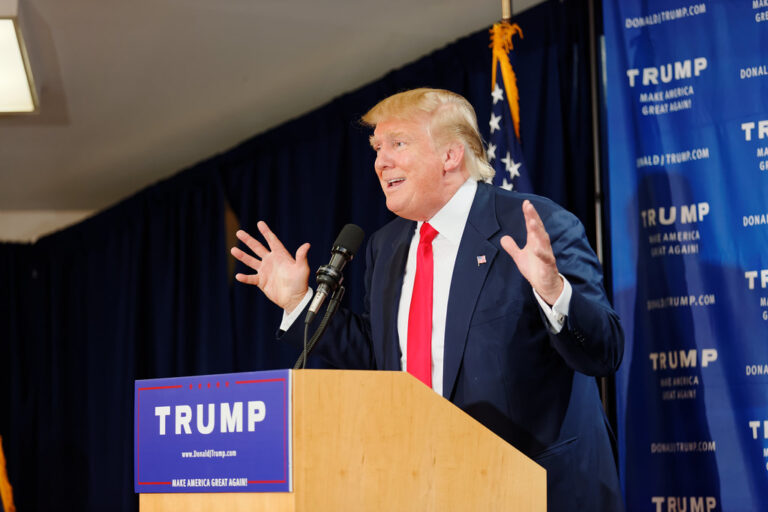
Trump Admin Asks to Remove Judge, Critics Call It a Tantrum

0

Key Takeaways:

  • The Trump administration has requested the removal of Judge James Boasberg from a deportation case.
  • The administration claims Judge Boasberg’s procedures were inappropriate.
  • Legal experts describe the move as a tantrum and questioned its validity.
  • A hearing on deportation flights to El Salvador was set to occur but may be affected.
  • Experts argue Judge Boasberg is experienced in national security cases.

Introduction: President Trump’s administration recently made headlines by asking an appeals court to remove Judge James Boasberg from a deportation case. The administration cited inappropriate procedures by the judge. Legal experts are criticizing this move, calling it a tantrum and questioning its seriousness. Here’s a breakdown of the situation.

The Administration’s Request: The Trump administration wants Judge Boasberg removed from overseeing a deportation case. They claim his handling of the case was inappropriate, particularly his swift certification of a class action involving individuals linked to a foreign terrorist group. The administration argues they should not be forced to discuss sensitive national security issues.

Who Is Judge Boasberg? Judge Boasberg is a seasoned jurist, having served as the Chief Judge of the Foreign Intelligence Surveillance Court. This role involves handling serious national security cases, making the administration’s concerns seem overblown to experts.

Upcoming Hearing: A hearing was scheduled where Judge Boasberg would rule on whether deportation flights to El Salvador violated his previous orders. The administration sought immediate intervention, claiming the judge’s actions impede the President’s constitutional powers.

Legal Expert Reactions: Legal experts are vocal in their criticism. Aaron Reichlin-Melnick compared the administration’s move to a child’s tantrum. Katherine Yon Ebright suggested the administration overstepped, given Judge Boasberg’s expertise in national security.

The Bigger Picture: The administration’s move reflects broader tensions between the judiciary and executive branches. It raises questions about the limits of executive power and judicial independence.

Conclusion: The Trump administration’s request to remove Judge Boasberg has sparked debate. While the administration cites national security concerns, experts view the move as exaggerated and an overreaction. The outcome of this case may set a precedent for future judicial/executive interactions.

Trump Taps Michelle Bowman for Key Fed Role

0

Key Takeaways:

  • President Trump nominates Michelle Bowman as Vice Chair for Supervision at the Federal Reserve.
  • Bowman supports lighter banking regulations.
  • Senate confirmation is required.
  • Bowman is a former community banker and current Fed Governor.
  • The American Bankers Association backs her nomination.

Who Is Michelle Bowman? Michelle Bowman is a familiar name in banking circles. She served as a community banker before joining the Federal Reserve as a Governor in 2018. Bowman is known for her belief in less strict banking rules, which has made her a key figure in shaping financial policies.

A New Role at the Fed As Vice Chair for Supervision, Bowman will oversee how banks are regulated. Her approach is seen as more lenient compared to her predecessor, Michael Barr, who pushed for tougher rules after the 2008 financial crisis. Bowman has criticized Barr’s efforts, arguing that stricter regulations can stifle economic growth.

Why This Role Matters The Vice Chair for Supervision plays a crucial role in ensuring banks operate safely without unnecessary constraints. Bowman’s nomination signals a shift towards a more industry-friendly approach, which could impact how banks lend and manage risk.

What Others Are Saying The American Bankers Association quickly praised Trump’s choice. They highlighted Bowman’s understanding of banking’s role in the economy and her balanced approach to regulation. Industry leaders see her as a voice for sensible policies that support economic stability.

What’s Next? Bowman’s nomination now heads to the Senate for confirmation. Given the Republican majority, her approval seems likely. However, discussions around her views on regulation and the economy are expected during her confirmation hearings.

Conclusion Michelle Bowman’s nomination marks a significant shift in the Fed’s regulatory stance. Her background and beliefs suggest a lighter touch, which could have far-reaching implications for banks and the economy. As the Senate reviews her nomination, the focus will be on how her leadership might shape financial policies in the coming years.

Democrats’ New Hope? Six Leaders Step Up

0

Key Takeaways:

  • Democrats face challenges after a divisive spending bill vote.
  • Six leaders emerge to resist Trump’s administration.
  • Gavin Newsom excluded due to controversial podcast decisions.
  • These leaders aim to galvanize opposition and gain media attention.

Introduction: Amid recent setbacks, the Democratic Party has found renewed hope in six dynamic leaders. These individuals are actively opposing President Trump’s initiatives, offering a fresh approach to political resistance.

The Challenge Democrats Face: Recent political events have left Democrats searching for strength. A spending bill vote saw 10 Democrats, including Chuck Schumer, supporting Republican proposals. This division has highlighted the need for cohesive leadership.

The New Leaders Emerging: A Washington Post piece by Perry Bacon Jr. identifies six figures ready to lead Democrats. Despite the odds, these individuals are challenging Trump’s policies with vigor.

Who Made the List: The six leaders are Rep. Jasmine Crockett, Sen. Chris Murphy, Rep. Alexandria Ocasio-Cortez, Gov. J.B. Pritzker, Sen. Bernie Sanders, and Gov. Tim Walz. Their proactive stance against Trump has set them apart.

Why These Leaders Stand Out: These leaders are not just voting against Trump’s plans; they’re actively seeking media attention to unite opposition. Their bold strategies are inspiring others to follow suit.

The Road Ahead: While the path is tough, these leaders represent a shift towards more assertive politics. They may well shape the party’s future, even without formal leadership roles.

Conclusion: Though challenges remain, the emergence of these six leaders offers Democrats a promising direction. Their determination could be the key to reviving the party’s momentum.

Trump’s Ukraine Claims Under Fire

0

Key Takeaways:

  • President Trump claims Ukrainian soldiers are surrounded by Russian forces.
  • A reporter in Kyiv disputes Trump’s assertion, stating Ukrainian forces are retreating, not encircled.
  • Experts and Ukrainian military deny the claims, calling them Russian propaganda.

Introduction: President Donald Trump recently sparked controversy with claims that Ukrainian soldiers are in grave danger, surrounded by Russian forces. However, these assertions were quickly contradicted by a reporter on the ground and military experts.

Trump’s Claims: Speaking at a public event, Trump stated he plans to discuss the situation with Russian President Vladimir Putin. He emphasized the urgency, suggesting the soldiers’ lives depend on his intervention. This follows a pattern of Trump highlighting his role in international diplomacy, though this time, his claims have faced strong rebuttal.

Reporter’s Rebuttal: A correspondent in Kyiv challenged Trump’s statements, describing them as false and aligned with Kremlin narratives. The reporter, who has been in contact with Ukrainian forces, explained that while there is a retreat underway, there is no encirclement. The situation is chaotic, typical of shifting battle dynamics, but not as dire as Trump suggested.

Expert Analysis: Military experts corroborate the reporter’s account. They note no evidence of significant Ukrainian forces being encircled, undermining Trump’s allegations. This lack of evidence suggests Trump’s claims may be overstated or misinformed.

Ukraine’s Denial: The Ukrainian military categorically denied the encirclement, labeling it Russian propaganda aimed at manipulating public perception. They stressed that their units are not under the threatened encirclement Trump described, reinforcing the view that his claims lack substance.

Conclusion: The dispute over Trump’s assertions highlights the challenges of verifying information in conflict zones. It underscores the importance of relying on credible sources and expert analysis to discern fact from fiction. As the situation in Ukraine continues to evolve, ensuring the accuracy of such claims remains paramount.