58.1 F
San Francisco
Wednesday, June 10, 2026
Home Blog Page 1053

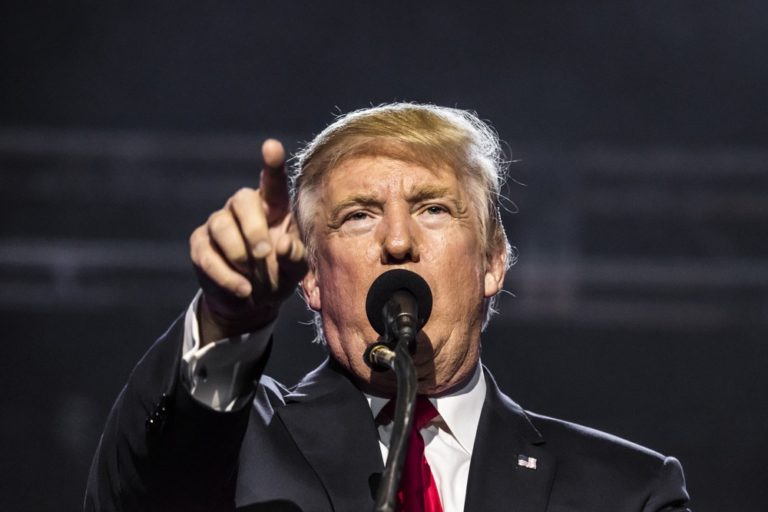
Erin Burnett Exposes Flaws in Trump’s Tariff Math

0

Key Takeaways:

  • CNN’s Erin Burnett criticized Trump’s tariff plan, calling it mathematically flawed.
  • Trump claimed other countries have high tariffs on U.S. goods, but Burnett says the numbers don’t add up.
  • Burnett used Vietnam as an example, showing how Trump’s calculations were misleading.
  • She argued that Trump confused trade deficits with tariffs, which she called a misunderstanding of capitalism.

Erin Burnett Breaks Down Trump’s Tariff Claims

CNN host Erin Burnett recently took a close look at President Donald Trump’s new tariff plan and found some big problems. During her show, she explained why Trump’s numbers don’t make sense and how his approach to tariffs could be misleading.

Burnett started by showing a chart of the stock market, which was mostly red, indicating a bad day for investors. She said Trump’s math on tariffs was confusing and incorrect.


What Trump Said vs. What’s True

Trump claimed that other countries, like Vietnam, are charging the U.S. very high tariffs. For example, he said Vietnam has a 90% tariff on American goods. But Burnett said this isn’t true.

The Real Numbers:

  • Vietnam’s average tariff rate is actually around 9%, not 90%.
  • Burnett explained that Trump’s team got the 90% number by dividing the U.S. trade deficit with Vietnam ($23.5 billion) by the value of Vietnam’s exports to the U.S.
  • This math doesn’t make sense because a trade deficit is not the same as a tariff.

The Bottom Line

Burnett made it clear that Trump’s approach isn’t just confusing—it’s wrong. She said, “If the U.S. buys more from a country than it sells to that country, Trump is calling that a tariff. But that’s not a tariff. That’s capitalism.”

In simpler terms, just because the U.S. imports more from Vietnam doesn’t mean Vietnam is charging high tariffs. It means Americans are buying more Vietnamese goods, which is how trade works.


Why This Matters

Burnett’s analysis shows that Trump’s tariff plan is based on incorrect math. This could lead to bad economic decisions that hurt American businesses and consumers.

She ended her segment by urging viewers to pay attention to the facts and not the misleading charts.


Watch the Full Breakdown

To see Burnett’s full explanation and how she exposed the flaws in Trump’s tariff math, watch the video here.


This story highlights the importance of understanding trade policies and ensuring that leaders are held accountable for the numbers they present. As the debate over tariffs continues, it’s crucial to focus on the facts rather than misleading claims.


Judge Considers Contempt for Trump Officials in Deportation Case

0

Key Takeaways:

  • A U.S. District Judge is considering holding Trump administration officials in contempt.
  • The case involves Venezuelan immigrants wrongly deported to El Salvador.
  • The judge questioned who made the decision and if the government can fix the issue.
  • Legal experts believe the judge is close to taking action against officials.

What Happened?

A U.S. District Judge, James E. Boasberg, recently raised eyebrows with some tough questions. These questions suggest he might hold some Trump administration officials in contempt of court. Contempt of court happens when someone disobeys a court order, and it can lead to serious consequences.

The case involves Venezuelan immigrants who were detained and flown to El Salvador. This happened even though Judge Boasberg had ordered that they should not be deported. The judge has been overseeing this lawsuit and has expressed frustration with the administration’s handling of the situation.

Why It Matters

Judge Boasberg’s questions show he’s serious about getting answers. He asked who exactly made the decision to ignore his order and deport the immigrants anyway. He also wondered if the government could bring the detainees back to fix the situation.

A legal expert, Ryan Goodman, thinks the judge is ready to act. Goodman believes Judge Boasberg is likely to hold officials in contempt and is now focusing on who was responsible for the decision. He also thinks the judge wants to know if the government can undo the harm by returning the immigrants.

What’s Next?

If Judge Boasberg finds probable cause for contempt, the government might get a chance to fix the issue. This could mean bringing the immigrants back or taking other steps to comply with the court’s orders. However, if the government doesn’t cooperate, officials could face serious consequences, including fines or even jail time.

A Deeper Look

This case is part of a larger pattern. The Trump administration has been criticized for ignoring court orders and pushing aggressive immigration policies. Judge Boasberg’s actions show that courts are still committed to holding the government accountable.

The judge’s decision could set an important precedent. It would show that even high-ranking officials are not above the law. If he holds them in contempt, it would send a strong message that disobeying court orders has real consequences.

Conclusion

Judge Boasberg’s tough questions suggest he’s ready to take action. Legal experts think he’s likely to hold Trump administration officials in contempt. Whether the government can fix the issue remains to be seen. For now, all eyes are on the judge as he decides how to handle this serious case.

AI Tools for Students: Boosting Schoolwork with Tech

Key Takeaways:

  1. AI tools are gaining popularity among students for schoolwork.
  2. They assist with writing, research, and studying.
  3. Tools include summarization, essay help, and exam prep.
  4. Integration with learning platforms enhances efficiency.
  5. Benefits are clear, but limitations exist.
  6. Experts advise responsible use.

AI in Education: A New Era

In recent years, education has seen a surge in AI tools designed to aid students. These tools are transforming how students approach schoolwork, offering assistance in writing, research, and studying. While incredibly helpful, it’s important to consider both the benefits and limitations.


How AI Tools Work for Students

AI tools for students are diverse, ranging from summarization tools that condense long texts into key points to essay helpers that suggest improvements. These tools act like digital study buddies, making complex tasks manageable.


The Benefits of AI Tools

  • Efficiency: AI tools save time by quickly summarizing notes and suggesting study strategies.
  • Personalization: They tailor advice to individual learning styles, enhancing understanding.
  • Accessibility: Available anytime, these tools offer constant support.

Limitations and Concerns

While AI is helpful, it’s not a replacement for human effort. Over-reliance can hinder critical thinking. Additionally, AI may occasionally provide incorrect information, requiring users to verify facts.


Expert Advice on Using AI Responsibly

Experts suggest using AI as a supplement to traditional learning, not a replacement. Balancing AI use with manual practice ensures a well-rounded education.


The Future of AI in Education

Looking ahead, AI could revolutionize education by offering personalized learning paths and real-time feedback. However, ethical use and proper guidance are essential to maximize benefits.


Conclusion

AI tools offer exciting possibilities for students, enhancing study efficiency and understanding. By using them wisely, students can leverage these tools to achieve academic success while maintaining critical thinking skills. The future of education is bright with AI, promising even more innovative solutions for learners.

Instagram Unveils AI-Powered Content Creation Tools: Here’s What You Need to Know

0

Key Takeaways:

  • Instagram introduces AI tools for creating content.
  • Users can generate videos and photos using new AI features.
  • The rollout starts this week, with global availability soon.

Instagram has announced the launch of groundbreaking AI-powered content creation tools, set to revolutionize how users generate and share content. This update introduces innovative features like text-to-video and photo enhancement, making content creation more accessible and efficient.

What Are These AI Tools?

The new AI tools allow users to transform text into video content and enhance photos with advanced editing capabilities. For instance, users can input a description, and the AI will generate a short video. Photos can be refined with options for lighting, color, and even object removal, ensuring high-quality visuals without professional editing skills.

Why Is Instagram Rolling This Out?

In a competitive landscape, Instagram aims to stay ahead by offering tools that simplify content creation. With the rise of short-form videos, these AI features cater to both casual users and creators, helping them produce engaging content effortlessly.

How Will This Change Content Creation?

These tools empower users to create polished content quickly. Creators can focus on storytelling and ideas rather than technical editing, potentially raising the bar for quality expectations on the platform.

When Will These Tools Be Available?

The rollout begins this week in selected regions, with a global release planned for the coming months. Users can expect the tools to appear in the app’s creation menu, following Instagram’s tradition of phased feature releases.

User Reactions and Concerns

Excitement abounds among creators anticipating easier workflows. However, concerns loom about the authenticity of AI-generated content and potential misuse, such as deepfakes. Instagram has assured users of ongoing efforts to maintain trust and safety.

Conclusion

Instagram’s AI-powered tools mark a significant step in content creation, offering users powerful yet simple tools. As the platform evolves, staying attuned to user needs and concerns will be crucial. This update underscores Instagram’s commitment to innovation, setting the stage for future advancements in social media.

Earth’s Temperature Soars: Understanding the Climate Crisis

0

Key Takeaways:

  • Earth’s temperature has risen significantly due to climate change.
  • Polar ice caps are melting at an alarming rate.
  • Extreme weather events are becoming more frequent.
  • Wildlife is struggling to adapt to rapid changes.
  • Immediate global action is crucial to combat climate change.

Earth’s Temperature Soars: A Call to Action

The Earth’s temperature is rising faster than ever, and it’s a serious problem. Scientists warn that human activities are causing this dramatic change. This isn’t just about the planet; it affects us all.


Rising Temperatures: A Threat to Our World

In the last century, the Earth’s average temperature has gone up by about 1°C. This may seem small, but it’s causing big issues. Melting ice caps and rising sea levels are clear signs of this change. The Arctic is particularly hard hit, with ice melting much faster than expected.


Extreme Weather: The New Normal

As temperatures rise, we’re seeing more extreme weather. Hurricanes, heatwaves, and heavy rains are occurring more often. These events are destructive and dangerous. They remind us that climate change isn’t just a future problem—it’s happening now.


Wildlife in Danger

Animals and plants are struggling to cope with the rapid change. Polar bears lose their homes as ice melts. Fish populations decline as oceans get warmer. Many species are at risk of disappearing forever.


What Can We Do?

The good news is that we can make a difference. Switching to renewable energy, planting trees, and reducing waste are just a few steps. Every small action counts, and together we can create big change.


A Global Effort

No one can solve this alone. Countries must work together to reduce emissions and protect the environment. We all need to take responsibility for our actions.


Conclusion: The Time to Act is Now

The climate crisis is real, but there’s hope. By understanding the problem and taking action, we can protect our planet. Let’s work together to ensure a safer future for all.


This article provides a clear overview of the climate crisis, highlighting key points and the need for urgent action, all while keeping the language simple and engaging.

Trump’s Tariffs Spark Market Fears, Dems See Opportunity

0

Key Takeaways:

  • Trump’s “Liberation Day” tariffs cause market downturn, raising recession fears.
  • Democrats aim to challenge Trump and split Republican support in Congress.
  • A House staffer reveals a strategy to counter Trump’s tariffs through legislative actions.
  • Legal authority for tariffs and potential congressional pushback explained.
  • Republican divisions emerge as some support terminating tariffs.

Trump’s Tariffs Stir Market Panic

President Trump’s new tariffs, called “Liberation Day,” have caused market worries. Many fear this could lead to a recession, even after strong job and inflation reports. These tariffs are taxes on imported goods, and while they aim to protect American industries, they might hurt the economy and consumers.


A Strategic Moment for Democrats

Democrats see an opportunity to oppose Trump and create division among Republicans. Aaron Fritschner, a House staffer, shared a plan on how Democrats can challenge these tariffs. He explained that Trump is using special legal powers to impose these tariffs, but Congress can stop them.


Trump’s tariffs use two main legal authorities:

  1. Section 232 of the Trade Expansion Act – Used for specific industries like steel.
  2. International Emergency Economic Powers Act (IEEPA) – Requires a national emergency declaration for tariffs on all imports from certain countries.

Fritschner noted that Congress can end these emergencies and stop the tariffs. For example, Senator Tim Kaine introduced a resolution to end tariffs on Canada, gaining support from some Republicans, including Mitch McConnell.


Democrats’ Plan to Fight Back

Democrats are preparing to force votes in Congress to terminate Trump’s tariffs. A recent move by House Republicans tried to block this, but Fritschner believes Democrats can still push for a vote. If successful, this could undermine Trump’s economic policies and expose Republican divisions.


Republicans Divided

The tariffs have split Republican lawmakers. Some, like McConnell, supported ending tariffs on Canada, angering Trump. This shows growing tensions within the Republican Party over Trump’s policies.


What’s Next?

Democrats are likely to continue challenging Trump’s tariffs. They aim to make Republicans take difficult votes, potentially weakening Trump’s position. The public should watch these developments closely, as they could shape the 2024 elections.


Conclusion

Trump’s tariffs have sparked economic worries but also a political battle. Democrats see a chance to challenge Trump and divide Republicans. The coming weeks will reveal if they can succeed in countering these tariffs and influencing the economic debate. Stay tuned for more updates as this story unfolds.

AI-Generated Paper Stokes Climate Change debate

Key Takeaways:

  • An AI-generated paper doubts human impact on climate change.
  • Critics highlight flaws and bias in the research.
  • Experts warn against AI-generated studies lacking transparency.
  • AI’s role in science sparks broader concerns.

The Paper’s Claims

A new AI-generated paper, written by Elon Musk’s Grok 3, questions human responsibility for climate change. It argues against widely accepted climate models, suggesting natural factors are more influential. The paper has gained traction online, shared by climate skeptics. However, scientists point out flaws in its data and references.


Expert Reactions

Experts express concern over the paper’s credibility. They argue that AI can’t reason; it only predicts text based on training data. Mark Neff, an environmental scientist, notes AI lacks the capacity for original research. The study’s references are disputed, and its peer-review process is unclear.


The AI Factor

The paper’s creation process is murky. It claims Grok 3 wrote the manuscript, guided by co-authors like Willie Soon, who has fossil fuel ties. Elisabeth Bik, a microbiologist, questions the lack of detail in how data was analyzed. Ashwinee Panda warns AI-generated research may mask bias.


The Bigger Picture

This paper reflects a broader trend of using AI to spread doubtful science. Naomi Oreskes, a Harvard historian, sees it as a tactic to revive debunked arguments. The lack of transparent peer review raises ethical concerns, with the journal not following standard ethical guidelines.


What’s Next

As AI in research grows, so do concerns about credibility and bias. Transparent processes and robust scrutiny are essential to maintain trust in science. The scientific community calls for clear guidelines to govern AI’s role in research.


This AI-generated paper highlights the challenges of blending technology with science, emphasizing the need for transparency and accountability.

How to Write Engaging News Stories That Captivate Readers

Key Takeaways:

  • Start with catchy headlines to grab attention.
  • Use simple language that’s easy to understand.
  • Add bullet points for quick summaries.
  • Keep sentences short and clear.
  • Make the content feel natural and real.

Writing engaging news stories is a skill that takes practice, but it’s easy to learn if you know the right steps. Let’s break it down!


1. Start with a Catchy Title

The headline is the first thing people see, so it needs to be exciting. A good title should summarize the story and make readers curious. For example, instead of saying “New Study Released,” you could say “Breakthrough Study Reveals Surprising Findings.”

Keep your title short—under 60 characters—and avoid fancy language. The goal is to hook your reader in seconds.


2. Use Bullet Points for Quick Info

Bullet points are great for highlighting key facts. They make the article easier to read and help readers get the main points fast. For example:

  • What happened?
  • Who was involved?
  • Why does it matter?

This format works well because it’s simple and straight to the point.


3. Write in Simple Language

You don’t need big words to impress people. Simple language makes your story easier to understand. For instance, instead of saying “utilize,” say “use.” Instead of “approximately,” say “about.”

Think about how you’d explain the story to a friend. That’s the tone you should aim for in your writing.


4. Keep Sentences Short

Short sentences are easier to read. They also make your writing feel more energetic. Try to keep most of your sentences under 20 words.

Here’s an example of a long sentence: “The company announced a major update to their product, which includes new features, better performance, and exciting improvements for users.”

Now, let’s break it into shorter sentences: “The company announced a major update to their product. It includes new features, better performance, and exciting improvements for users.”

See how much clearer that is?


5. Make the Content Feel Human

Readers want to feel like they’re reading something written by a real person, not a robot. To do this, use a friendly tone and avoid sounding too formal.

For example, instead of saying “The findings of the research were significant,” you could say, “The research results were really surprising.”

You can also add personal touches, like sharing your opinion or asking questions to engage the reader.


6. Avoid Plagiarism

It’s important to write original content. Copying someone else’s work is not only wrong but can also hurt your website’s reputation.

If you need to include information from another source, paraphrase it in your own words. For example, instead of copying a sentence word for word, rewrite it using different words and structure.


7. Use Transition Words

Transition words help your story flow smoothly. They guide the reader from one idea to the next. Here are some examples:

  • First,
  • Next,
  • However,
  • In conclusion,

These words make your writing feel more connected and professional.


8. Add Subheadings

Subheadings break up the text and make the article easier to scan. They also help readers find the information they’re interested in quickly. For example:

  • What’s Happening?
  • Why Does It Matter?
  • What’s Next?

Use bold or larger text to make subheadings stand out.


9. Write in Active Voice

Active voice makes your writing more direct and engaging. It’s also easier to read. Here’s an example:

  • Passive voice: “The ball was thrown by the boy.”
  • Active voice: “The boy threw the ball.”

Always try to use active voice unless you have a good reason to use passive.


10. Aim for 1,000+ Words

Longer articles tend to perform better in search results. They also give you more space to cover the topic in depth.

Focus on quality, not just quantity. Every sentence should add value to the story.


Final Tips

  • Avoid symbols: Stick to plain text without emojis or special characters.
  • Don’t mention sources: Keep the focus on the story, not where you got the information.
  • Be original: Make sure your content is unique and reflects your voice.

By following these steps, you can write engaging news stories that attract and keep readers. Remember, the key to great writing is to keep it simple, clear, and human. Start practicing today, and you’ll see improvement in no time!

Video Games: How They Boost Brain and Social Skills

Key Takeaways:

  • Video games improve problem-solving and decision-making skills.
  • Playing video games can enhance hand-eye coordination.
  • Games teach teamwork and communication when played with others.
  • Some games boost creativity and storytelling abilities.
  • Video games can reduce stress and improve focus.

How Video Games Help Your Brain and Social Life

Video games are more than just fun. They can actually make you smarter and better at working with others. Here’s how:

1. Brain Benefits of Video Games

Video games are like workouts for your brain. They help you think faster and solve problems better.

  • Quick Thinking: Action games like shooters or racing games make you react fast. Players must make split-second decisions, which sharpens their reflexes.
  • Problem Solving: Adventure and puzzle games challenge you to find creative solutions. These games teach you to think outside the box.
  • Memory Boost: Remembering game details, like where items are hidden or how to defeat a boss, improves memory.

2. Better at Multi-Tasking

Some games require you to juggle multiple tasks. For example, strategy games ask you to manage resources, build structures, and defend yourself all at once. This trains your brain to handle several things at once.

3. Hand-Eye Coordination

Shooting, sports, or fighting games need precise movements. Players learn to use their hands and eyes together better, which can help in real-life activities like sports or even surgery.

4. Building Creativity

Games with open worlds, like Minecraft or The Sims, let you build and create. Players express their creativity by designing buildings or characters. This creative thinking can help in school or work projects.

5. Less Stress and More Focus

Playing video games can be relaxing. They distract you from daily stress and give you a sense of accomplishment when you win or complete a challenge. This relaxation can help you focus better in real life.


Why Playing Video Games with Friends Matters

Playing with others is a big part of gaming. It teaches teamwork and Communication.

1. Teamwork Wins

Multiplayer games need coordination with your team. Whether it’s capturing a flag or defeating a boss, working together is key. This teaches you to rely on others and lead when needed.

2. Communicate Clearly

In games, clear communication is crucial. You must tell your team where the enemy is or what strategy to use. This skill helps in real-life conversations and group work.

3. Making Friends

Online games let you meet new people who like the same games as you. You can make friends and learn to work with different personalities, which is an important social skill.

4. Dealing with Loss

Losing a game isn’t fun, but it teaches you to handle defeat gracefully. You learn from mistakes and try harder next time, a valuable life skill.


Final Thoughts on Video Games

Video games are more than just entertainment. They improve brainpower, social skills, and mental health. They make you sharper, more creative, and better at working with others. Just remember to play in moderation and choose games that challenge your mind. So next time you play, remember all the cool ways you’re getting smarter and more skilled!

AI in Education: Enhancing Learning and Beyond

Key Takeaways:

  • AI revolutionizes education with personalized learning.
  • Enhances accessibility, breaking barriers of location and resources.
  • Offers real-time feedback, boosting student performance.
  • Draws concerns over student-teacher relationships and biases. -atile future careers needing AI skills.

AI: The Game-Changer in Education

In recent years, AI has significantly transformed education, creating opportunities for more personalized and accessible learning. This transformation is reshaping how students engage with learning materials, challenging traditional teaching methods. AI’s integration into education is promising, though not without its challenges.

Personalized Learning Experiences

AI excels at tailoring learning experiences to individual student needs. By analyzing strengths and areas for improvement, AI creates customized learning plans that cater to each student’s pace and learning style. For example, struggling math students can benefit from AI-driven exercises that adapt difficulty based on performance.

Breaking Accessibility Barriers

AI bridges gaps in education access, offering learning tools to students globally. Language learners can practice through AI chatbots, while visually impaired students benefit from AI-powered screen readers.

Real-Time Feedback and Support

Immediate feedback is crucial for student growth. AI tools enable instant grading and performance insights, allowing students to track progress and identify areas needing attention. Tutors like ChatGPT assist with homework and provide explanations, supplementing traditional learning.

The Flip Side: Challenges and Concerns

Despite its benefits, AI’s reliance on data raises concerns about biases influencing learning materials. Moreover, reduced human interaction may strain student-teacher relationships, which are vital for emotional development.

The Essential Role of Teachers

AI is not here to replace teachers; it supports them by handling administrative tasks, freeing time for mentorship. Teachers guide students emotionally and academically, providing context and fostering creativity areas where AI falls short.

Preparing for an AI-Driven World

As AI becomes integral to industries, students need to adapt. Understanding AI basics can open doors to technology careers. However, skills like critical thinking and empathy will remain essential in a world relying on technology.

Looking Ahead: A Balanced Approach

AI’s role in education is promising yet complex. While it enhances learning, it’s important to preserve the human aspects. Striking a balance ensures students gain the best from technology without losing vital interpersonal connections.

In conclusion, AI brings exciting possibilities to education, from personalized learning to improved accessibility. Addressing challenges and maintaining the human touch will ensure a comprehensive educational experience for students. The future is bright, with AI and human collaboration paving the way for educational excellence.