63.3 F
San Francisco
Tuesday, June 9, 2026
Home Blog Page 1055

Elon Musk’s Time in the White House Might Be Ending Soon

0

Key Takeaways:

  • Elon Musk might step back from his influential role in the White House.
  • Despite leading significant government cuts, his tenure is facing challenges.
  • President Trump hints Musk could return to his companies soon.
  • Tension arises as Musk’s prominent role creates friction.
  • A recent election loss in Wisconsin and Tesla’s sales drop add to his struggles.
  • His special government status is set to expire in June.

Musk’s Role in Question

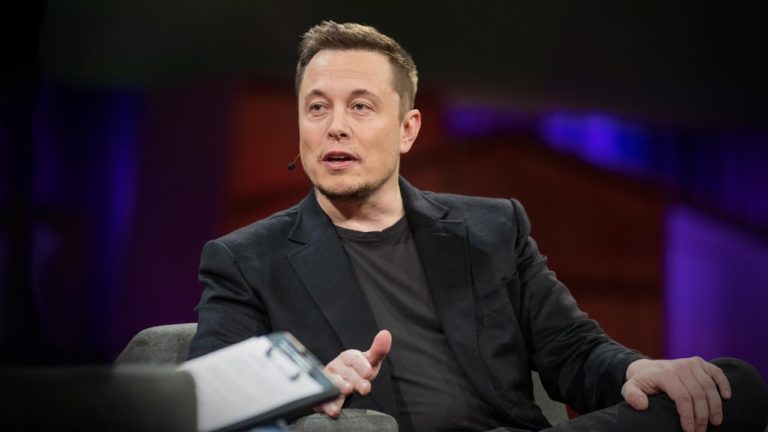
Elon Musk, known for his vast influence as a tech mogul, has been a key figure in the White House, leading major cuts through an initiative called the Department of Government Efficiency. However, recent reports suggest his time there may be limited, sparking debate over his future in politics.

White House Denies Reports

The White House has dismissed these rumors, calling them unfounded. Yet, speculation persists about Musk’s ability to maintain his position, especially given the tension his presence has caused. As someone who stands out, Musk’s role has led to friction, challenging Trump’s preference for being the sole center of attention.

Trump Hints at Musk’s Departure

President Trump recently mentioned that Musk might soon return to his businesses. This hint comes as Musk faces setbacks, including a significant loss in a Wisconsin election, where his candidate did not win despite substantial investment. This defeat, along with a drop in Tesla’s sales, highlights the challenges Musk is encountering.

Tension in the White House

Musk’s prominent role has always been a subject of speculation. His involvement in major meetings and frequent appearances with Trump have raised eyebrows. However, his recent failures are leading some to question his staying power in politics.

Election Loss and Tesla’s Struggles

Musk’s costly support for a candidate in Wisconsin ended in defeat, signaling potential political vulnerabilities. Additionally, Tesla’s declining sales add to the pressures he faces, both in business and politics.

Legal Deadline Looms

Beyond the political challenges, Musk’s special government status is set to expire in June, which might necessitate his departure from the White House. This legal deadline could mark the end of his tenure, regardless of other factors.

As the situation unfolds, one thing is clear: Elon Musk’s time in the White House is uncertain. Whether he steps back voluntarily or due to external pressures, the end of his influential role may be nearing. Stay tuned for more updates on this developing story.

US Supreme Court Debates Funding for Planned Parenthood

0

Key Takeaways:

  • The US Supreme Court heard arguments about South Carolina cutting Medicaid funding to Planned Parenthood.
  • The state claims funding Planned Parenthood supports abortion, even though the funds aren’t for abortion services.
  • Planned Parenthood argues patients should choose their own doctors.
  • The court is divided, and the ruling could affect other states.
  • A decision is expected by June 2024.

What’s Happening?

The US Supreme Court recently listened to arguments in a case about whether South Carolina can stop Medicaid funding for Planned Parenthood. Medicaid is a government program that helps low-income people pay for healthcare.

In 2018, South Carolina Governor Henry McMaster, a Republican, signed an executive order cutting off Medicaid payments to two Planned Parenthood clinics. McMaster argued that even though the funds don’t directly pay for abortions, they still support an organization that provides abortions.

But Planned Parenthood and a South Carolina woman with diabetes sued the state. They said Medicaid patients have the right to choose their own doctors, and Planned Parenthood is a qualified provider.


The Arguments for Both Sides

South Carolina’s Side

South Carolina’s lawyer, John Bursch, said states should decide which healthcare providers are qualified for Medicaid. He argued that patients don’t get to pick any doctor they want, just like how insurance companies don’t let you choose any doctor.

Bursch also said Planned Parenthood is “unqualified” because it’s the largest abortion provider in the US. However, Planned Parenthood’s lawyer, Nicole Saharsky, pointed out that the organization is fully qualified to provide other healthcare services.

Planned Parenthood’s Side

Justice Elena Kagan, one of the court’s liberal justices, suggested that banning Planned Parenthood from Medicaid might violate the rule that patients can choose their doctors. She said this could create a situation where states split healthcare providers into groups based on services like abortion or contraception.

Planned Parenthood’s lawyer, Saharsky, added that the state is punishing the organization for offering abortions outside of Medicaid, even though Planned Parenthood provides many other essential services.


What’s at Stake?

If South Carolina wins, other conservative states with strict abortion laws might also stop funding Planned Parenthood through Medicaid. This could make it harder for low-income patients to access healthcare services like birth control, cancer screenings, and diabetes care.

On the other hand, if Planned Parenthood wins, states might have fewer reasons to exclude healthcare providers from Medicaid programs.


How the Court Reacted

The Supreme Court, which has a 6-3 conservative majority, seemed divided during the arguments. Conservative Justice Amy Coney Barrett worried that letting Planned Parenthood win could lead to more lawsuits from patients who can’t see their preferred doctors.

But liberal justices like Kagan emphasized that states must allow Medicaid patients to choose their healthcare providers.


What’s Next?

The Supreme Court will rule on the case by the end of June 2024. The decision could have a big impact on healthcare access for millions of low-income Americans.

This case is part of a bigger debate over abortion rights and government funding. Whatever the court decides, it will likely shape how states handle Medicaid funding for organizations like Planned Parenthood in the future.


The outcome of this case is far from certain, but one thing is clear: the decision will have major consequences for healthcare access and the fight over abortion in the US.

GOP Sticks by Musk Despite Wisconsin Loss

0

Key Takeaways:

  • Republican senators defend Elon Musk after Wisconsin Supreme Court race loss.
  • Democrats criticize Musk, calling him toxic and corrupt.
  • Musk spent millions, but the GOP candidate lost.
  • Republicans dismiss criticism, blaming other factors.

The Battle Over Musk Intensifies

The recent Wisconsin Supreme Court race has sparked a heated debate among politicians about Elon Musk’s role in the election. Despite the GOP’s loss, many Republican senators are standing by Musk, while Democrats are quick to criticize him.


GOP Support for Musk

Republican senators like Ron Johnson from Wisconsin believe Musk was helpful. Johnson mentioned that without Musk’s financial support, the race might have had a worse outcome for the GOP. He suggested that the Democrats’ strong reaction against Musk is a sign of their obsession with opposing Trump.

Other Republican senators, such as Deb Fischer from Nebraska, downplay Musk’s influence. Fischer argued that local elections can’t be blamed on someone in Washington. Meanwhile, Shelley Moore Capito from West Virginia expressed no concern over Musk being a liability, focusing instead on the election’s broader issues.


Democrats’ Criticism

Democrats, however, are vocal about their disapproval of Musk. Chris Murphy from Connecticut criticized Musk for his actions, which he believes hurt people and enriched himself. Murphy sees Musk as a key figure in what he calls the most corrupt White House in history.

Tammy Baldwin from Wisconsin highlighted Musk’s active involvement, pointing out his campaign efforts in the state. She suggests that Musk’s presence undermines the GOP’s attempt to distance themselves from him.


The Impact of Musk’s Involvement

Musk invested heavily in the race, spending millions. He even wore a cheesehead hat in Green Bay to show support. However, his efforts didn’t prevent the GOP’s loss. Despite this, many Republicans believe his contribution was significant and helpful.


Looking Ahead

Democrats argue that even if Musk’s influence wanes, the issues he represents will remain. They plan to keep the focus on the Trump administration’s close ties with billionaires, regardless of Musk’s role.

Murphy emphasizes that the broader debate should focus on the president rather than Musk, as these elections often reflect public opinion on the ruling party.


Conclusion

The Wisconsin race has highlighted the deepening divide between Democrats and Republicans over Musk’s influence. As the political landscape evolves, this debate may set the stage for future elections, showing how external factors can shape voter decisions. The clash over Musk’s role is just the beginning of a larger discussion on money and influence in politics.

Louisiana Voters Reject Trump-Backed Governor’s Amendments

0

Key Takeaways:

  • Louisiana voters overwhelmingly rejected four amendments proposed by Governor Jeff Landry.
  • The amendments aimed to cut taxes for the wealthy, create specialty courts, change election dates, and allow sending minors to adult prisons.
  • High voter turnout, especially in New Orleans, contributed to the defeat.
  • An unexpected alliance between liberal and conservative groups opposed the amendments.
  • Landry’s base support was weaker than anticipated, leading to the loss.

A Significant Setback for Governor Landry

Louisiana Governor Jeff Landry, a strong ally of former President Donald Trump, faced a major defeat as voters rejected four controversial amendments he championed. These amendments were designed to reshape the state constitution in favor of Republican interests. The rejection was resounding, with voters opposing each amendment by a 2-to-1 margin, signaling a clear disapproval of Landry’s agenda.


The Amendments: What Were They About?

The four amendments were met with controversy from the start. They sought to:

  1. Cut Taxes for the Rich: This amendment aimed to reduce taxes for the wealthy, a move critics argued would widen income inequality.
  2. Create Specialty Courts: These courts would handle specific cases, raising concerns about fairness and access to justice.
  3. Change Judicial Election Dates: Critics feared this could influence election outcomes and undermine judicial independence.
  4. Ease Sending Kids to Adult Prisons: This amendment faced backlash for potentially harming juvenile justice reform efforts.

Each amendment’s defeat highlighted strong public opposition to policies perceived as unfair and regressive.


High Turnout and Motivated Voters

Voter turnout, especially in New Orleans, played a crucial role in the amendments’ defeat. More voters cast their ballots than in the previous governor’s race, with 91% in New Orleans rejecting all amendments. This surge was partly due to a successful grassroots digital campaign that mobilized black voters, many motivated by opposition to Landry and Trump.


Landry’s Response and Analyst Insights

Governor Landry blamed the loss on George Soros, a familiar target for conservatives. However, analysts suggest the defeat reflects his failure to garner sufficient Republican support. Even in GOP-dominated areas, the amendments struggled, indicating weakened backing from his base.


Unlikely Allies Against the Amendments

An unusual alliance between liberal and conservative groups emerged to oppose the amendments. Reverend Tony Spell, a conservative preacher, joined forces with progressive activists. Spell’s opposition to the tax-cut amendment exemplified this collaboration, showing that concern over the amendments transcended political lines.


Conclusion: A Blow to Landry’s Agenda

The rejection of these amendments is a significant blow to Governor Landry’s efforts to reshape Louisiana’s constitution. It underscores the power of voter engagement and bipartisan cooperation. As Landry faces this setback, the outcome may signal challenges ahead for his political ambitions and the broader Republican agenda in the state.

Myanmar Ceasefire After Devastating Earthquake

0

Key Takeaways:

  • Myanmar’s military declared a temporary ceasefire due to a deadly earthquake.
  • The ceasefire starts now and lasts until April 22 to help quake victims.
  • The 7.7-magnitude earthquake killed over 3,000 people.
  • The military announced this on state TV to show compassion.

Earthquake Strikes Myanmar, Thousands Dead

A massive earthquake hit Myanmar on Friday, causing widespread destruction. The quake measured 7.7 in magnitude, a scale that can level buildings and uproot lives. So far, more than 3,000 people have died, and many more are injured or missing. The earthquake has left families without homes and communities without essential supplies.

The disaster has overwhelmed local rescue teams, who are struggling to reach remote areas. International aid is on the way, but the situation remains dire.


Military Calls for Temporary Peace

In a surprising move, Myanmar’s military leaders announced a ceasefire on Wednesday. This means fighting in the country’s ongoing civil war will stop until April 22. The military, which controls the government, said the pause is to help quake victims.

This decision came after the earthquake highlighted the urgent need for aid. Without fighting, relief teams can reach affected areas more safely. The military also hopes this shows compassion for those suffering.


Why Is This Ceasefire Significant?

Myanmar has been in a brutal civil war for years. The military took power in 2021, leading to clashes with rebel groups. Fighting has caused immense suffering, with thousands displaced and many more killed.

The ceasefire is unexpected because the military has rarely shown willingness to stop fighting. However, the earthquake’s scale may have forced them to act.


Humanitarian Crisis Deepens

The earthquake has worsened Myanmar’s already dire situation. Many survivors lack food, water, and medical care. Roads are blocked, and communication lines are down. International aid groups are trying to deliver supplies, but access remains a challenge.

People are in shock and grief. Families are searching for loved ones, while others are trying to rebuild what’s left. The earthquake has left deep scars, both physical and emotional.


Challenges Ahead

While the ceasefire is a positive step, it’s only temporary. After April 22, fighting may resume, making long-term recovery difficult.

Additionally, trust in the military is low. Some fear the ceasefire is a tactic to regain public support rather than a genuine act of kindness.

The international community is watching closely. Many countries have offered help, but political tensions complicate aid efforts.


A Call for Action

The people of Myanmar need help now. The earthquake has shown how fragile life can be. While the ceasefire offers hope, it’s only the first step.

Global leaders must push for lasting peace and ensure aid reaches those in need. People’s lives depend on it.


This earthquake has reminded the world of Myanmar’s struggles. Let’s hope this ceasefire leads to real change and relief for its people.

US Agencies Lose Track of Thousands of Migrant Children

0

Key Takeaways:

  • Tens of thousands of unaccompanied migrant children are unaccounted for by US agencies.
  • 233,000 children haven’t received notices to appear in court.
  • 43,000 of those who did get notices didn’t show up.
  • The situation highlights gaps in tracking and support systems for migrant children.

The United States is facing a significant challenge in tracking unaccompanied migrant children, as recent reports reveal that thousands are no longer accounted for. This issue has raised concerns about their safety and the effectiveness of immigration processes.

How Many Children Are Missing? Approximately 233,000 unaccompanied migrant children have not received the necessary court notices since 2021. Without these notices, they aren’t enrolled in immigration proceedings, making it difficult to track their whereabouts. Additionally, 43,000 children who did receive notices failed to appear in court, adding to the growing number of missing cases.

The Problem of Losing Track The disappearance of these children is alarming. Without proper tracking, authorities can’t ensure their safety. These children, often fleeing difficult conditions, are more vulnerable to exploitation and danger.

Risks Faced by These Children Migrant children without proper legal status face multiple risks. They might be exploited for labor, targeted by criminals, or struggle with homelessness. Without legal protection, their futures are uncertain.

What’s Being Done About It? Authorities are aware of the problem and are working on solutions. Improved tracking systems and better support are being considered to help these children. Ensuring they receive legal notices and support is crucial for their safety.

Why This Matters The welfare of these children is a humanitarian concern. Ensuring their safety reflects the values of justice and compassion. Effective tracking and support systems are essential for their well-being.

Conclusion The disappearance of thousands of migrant children is a pressing issue that demands immediate attention. Ensuring their safety and well-being is a collective responsibility, requiring effective solutions and support systems.

Hungary Quits International Criminal Court as Netanyahu Visits

0

Key Takeaways:

  • Hungary is leaving the International Criminal Court (ICC).
  • Israeli Prime Minister Benjamin Netanyahu is visiting Budapest.
  • Netanyahu could technically be arrested in Hungary due to an ICC warrant.
  • Hungary’s withdrawal from the ICC is raising questions about its reasons.

Hungary Withdraws from the ICC

In a surprising move, Hungary announced it is pulling out of the International Criminal Court (ICC). This decision was revealed by the head of the Prime Minister’s Office on Thursday. The ICC is an international court that prosecutes war crimes, crimes against humanity, and genocide. Hungary joined the ICC in 2002 after signing the Rome Statute, the treaty that established the court.

The announcement came just as Israeli Prime Minister Benjamin Netanyahu arrived in Budapest for a meeting with Hungarian Prime Minister Viktor Orbán. This timing has sparked curiosity and debate.


Netanyahu’s Visit to Budapest

Netanyahu’s visit to Hungary is significant. Under the Rome Statute, Netanyahu could technically face arrest in Hungary because of an international warrant. The warrant relates to allegations of war crimes, reportedly tied to actions during conflicts involving Israel.

However, Hungary’s withdrawal from the ICC means it will no longer be bound by the court’s rules. This could shield Netanyahu from legal action during his visit.


Why Is Hungary Leaving the ICC?

The reasons behind Hungary’s decision to leave the ICC are not entirely clear. Some speculate that the move is politically motivated. Hungary has been a vocal supporter of Israel, and the timing of the withdrawal coinciding with Netanyahu’s visit has raised eyebrows.

Others suggest Hungary may be trying to distance itself from international institutions it views as biased or ineffective. Hungary’s government has been critical of certain international organizations in the past, often citing concerns about sovereignty and national independence.


What Does This Mean for the ICC?

Hungary’s withdrawal is a blow to the ICC, which relies on member states to enforce its rulings. If more countries follow Hungary’s lead, the court’s authority could weaken.

The ICC has faced criticism over the years, with some accusing it of targeting certain leaders or countries unfairly. However, supporters argue that the court plays a vital role in holding individuals accountable for serious crimes.


What’s Next for Hungary and the ICC?

Hungary’s withdrawal from the ICC will take effect after a formal notification process. Once completed, Hungary will no longer be required to cooperate with the court or enforce its rulings.

This decision could have broader implications for Hungary’s relationships with other countries and international organizations. Some may view Hungary’s withdrawal as a sign of alignment with nations critical of the ICC.


Netanyahu’s Meeting with Orbán

During his visit, Netanyahu is expected to discuss several topics with Hungarian Prime Minister Viktor Orbán. These may include strengthening bilateral ties, regional security, and economic cooperation.

Netanyahu’s visit has also drawn attention because of Hungary’s decision to leave the ICC. Critics argue that Hungary’s withdrawal could be seen as shielding Netanyahu from potential legal consequences.


Public Reaction

The news of Hungary’s withdrawal from the ICC and Netanyahu’s visit has sparked mixed reactions. Some people believe Hungary is prioritizing its political alliances over international justice. Others see the move as a way for Hungary to assert its independence on the global stage.


The Bigger Picture

Hungary’s decision to leave the ICC highlights ongoing debates about the role of international courts in global justice. While some see these institutions as essential for accountability, others believe they overstep their authority or unfairly target certain nations or leaders.

As more countries consider their relationship with the ICC, the future of international justice remains uncertain. Hungary’s withdrawal is just one piece of a much larger puzzle.


This situation is complex, with political, legal, and diplomatic implications. Stay tuned for more updates as this story continues to unfold.

Universal Unveils Spielberg and Nolan’s New Films at CinemaCon 2023

Key Takeaways:

  • Steven Spielberg is working on a sci-fi film set for June 2026.
  • Christopher Nolan is directing a star-studded adaptation of The Odyssey due in July 2026.
  • Universal showcased exciting new footage from Jurassic World: Rebirth and Wicked: For Good.
  • Studios are pushing to keep movies in theaters for at least 45 days before streaming.

Spielberg’s Mysterious Sci-Fi Film Teased Universal Pictures dropped big news at CinemaCon, a major event where studios show off their upcoming movies. One of the most exciting announcements was about Steven Spielberg, the legendary director behind classics like E.T. and Jurassic Park.

Spielberg is currently filming a new movie that promises to bring back the magic of his iconic films. While the title is still a secret, the movie is rumored to be a massive sci-fi blockbuster. Universal executive Jim Orr hinted that it will have a “propulsive, modern, out-of-this-world twist.” Fans will have to wait until June 2026 to see what Spielberg has in store.


Nolan’s Epic The Odyssey Adaptation Another major revelation was about Christopher Nolan, known for mind-blowing films like Inception and Interstellar. Nolan is directing a new adaptation of The Odyssey, the ancient Greek epic by Homer. The film, set to release in July 2026, boasts an A-list cast, including Matt Damon as Odysseus, Tom Holland, Zendaya, and Anne Hathaway.

Universal is betting big on this project, calling it a “once-in-a-generation cinematic masterpiece.” Orr even claimed that Homer himself would be proud of the film. With Nolan at the helm, expectations are sky-high.


New Footage from Jurassic World: Rebirth and Wicked: For Good Universal also gave fans a sneak peek into two highly anticipated sequels.

  1. Jurassic World: Rebirth: The next installment in the Jurassic World series is set to hit theaters this July. The movie returns to the iconic island from the original Jurassic Park, with dinosaurs once again being rare and hidden. Scarlett Johansson, the film’s star, promised that this movie will bring back the suspense and scares that made the first Jurassic Park a classic.
  2. Wicked: For Good: The second and final part of the Wicked saga, a musical fantasy series based on The Wizard of Oz, is coming to theaters in November. The movie stars Ariana Grande and Cynthia Erivo, who surprised fans by appearing at the CinemaCon event.

The Fight to Keep Movies in Theaters Longer A hot topic at CinemaCon this year is the push to keep new movies in theaters for at least 45 days before they’re available on streaming platforms. This is part of an effort to support movie theaters and give films more time to shine on the big screen.

So far, three of Hollywood’s six biggest studios have agreed to this plan. However, Universal, which has been quick to release its movies on streaming in the past, has not yet committed to the 45-day rule.


A Big Week for Movie Fans CinemaCon is a celebration of movies and the magic of the big screen. With exciting updates on Spielberg’s and Nolan’s new projects, plus fresh looks at Jurassic World and Wicked, Universal is clearly pulling out all the stops to get audiences back into theaters.

As the event wraps up on Thursday with presentations from Paramount and Disney, movie fans have plenty to look forward to in the coming year. Stay tuned for more updates from CinemaCon and get ready to mark your calendars for these must-see films!

Trump’s Tariffs Rock Global Markets: What You Need to Know

0

Key Takeaways:

  • Global markets tumbled after Donald Trump announced new tariffs targeting China and the European Union.
  • Stocks fell sharply, with tech giants like Apple and Nike seeing big drops.
  • Gold prices soared to a record high as investors sought safer options.
  • The dollar weakened against the euro, and Bitcoin also took a hit.

Stocks Take a Hit

Global markets were thrown into chaos after Trump announced new tariffs on imports from China and the European Union. This move sent shockwaves through the financial world, causing stock prices to drop sharply.

By the evening, US stock futures, which predict where markets will open the next day, were down significantly. The Dow Jones fell 2.4%, the Nasdaq dropped 4.2%, and the S&P 500 futures slid 3.5%. These declines were especially sharp in the tech sector, with companies like Apple, Nvidia, and TSMC seeing their shares plunge after hours.

The clothing industry was also hit hard. Brands like Gap, Ralph Lauren, and Nike, which rely on manufacturing in China and Vietnam, saw their stock prices fall by as much as 8.5%. Many of these companies face higher costs due to the new tariffs, and investors are worried about how this will affect their profits.


Safe-Haven Assets Shine

While stocks struggled, investors turned to safer options like gold and government bonds. Gold, often seen as a safe bet during uncertain times, hit a new record high, trading at over $3,160 an ounce. Since the start of 2025, gold prices have jumped by nearly 20%, showing how nervous investors are about the global economy.

The bond market also saw increased demand. The yield on the 10-year US Treasury, a key measure of borrowing costs, dropped to 4.10%. This happens when more investors buy bonds, driving up their prices and lowering their yields.


Dollar Weakens Against the Euro

The dollar took a hit too. Just minutes after Trump’s announcement, the euro gained strength, with one euro worth about 1.09 dollars by the end of the day. This shift could make European imports cheaper for American buyers but may also hurt US exports.

Bitcoin, the popular cryptocurrency, wasn’t spared either. It fell by more than 3% as investors moved away from riskier assets.


What’s Next?

While the tariffs have caused immediate concern, some experts believe this could be the start of negotiations with other countries. If these talks lead to lower tariffs in the future, the impact on markets might ease. For now, though, investors are acting quickly, selling stocks and moving to safer options like gold and bonds.

The global economy is facing a tough road ahead, and Trump’s tariffs are adding fuel to the fire. How this plays out in the coming weeks will be crucial for markets and consumers alike. Stay tuned.

NATO on Edge as US Allies Seek Reassurance Amid Trade War

0

Key Takeaways:

  • US Secretary of State Marco Rubio faces pressure from NATO allies to clarify Washington’s commitment to the alliance and Ukraine.
  • President Trump’s policies and trade tariffs are causing tension among NATO members.
  • Allies are worried about the US’s long-term support for NATO and its stance on Russia.
  • NATO members are pushing to increase defense spending ahead of a major summit.
  • Ukraine’s future and the alliance’s role in its defense are key topics of discussion.

Growing Tensions Over Trade and Security

NATO allies are growing nervous as they prepare for a crucial meeting with US Secretary of State Marco Rubio. The meeting comes at a time when President Donald Trump’s policies are causing widespread concern. Trump has questioned NATO’s collective defense pledge, reached out to Russia, and even criticized Canada and Denmark. These actions have left many allies wondering if the US will remain a reliable partner.

Trade War Adds to the Strain

To make things worse, Trump recently announced new tariffs that will affect NATO allies. These trade restrictions are likely to hurt European economies and could lead to retaliation. This growing trade war is overshadowing the alliance’s efforts to focus on security issues, including the ongoing war in Ukraine.

NATO’s Future in Question

NATO Secretary-General Mark Rutte has tried to calm nerves by stating that the US remains committed to the alliance. However, many allies are still worried. They want Rubio to provide clear answers about America’s plans for NATO, Ukraine, and Russia during the meeting.

Pressure to Increase Defense Spending

One of Trump’s main demands is that NATO members increase their defense spending. He has even hinted that the US might reduce its military presence in Europe if allies don’t contribute more. This has led to fears that Europe’s security could be at risk. NATO members are discussing new spending targets ahead of a major summit in June. They are aiming for an average defense spending of 3.5-3.7% of GDP, but many countries are still far from meeting this goal.

Europe’s Call for Reassurance

European diplomats are hoping Rubio will ease their concerns during the meeting. They want to hear that the US will stand by its allies despite the current tensions. One diplomat even joked that if Rubio doesn’t address their worries, it might feel like a therapy session.

Ukraine’s Uncertain Future

The situation in Ukraine is another major issue on the agenda. The US has been engaging with Russia in an effort to end the war, but European countries are nervous about Trump’s approach. They fear that Trump might seek a deal with Russia that doesn’t fully support Ukraine’s interests. Meanwhile, some European countries, like Britain and France, are considering sending troops to Ukraine to support any potential peace agreement.

A Shaky Alliance

NATO has been the cornerstone of European security for over 70 years. However, Trump’s criticism of the alliance and his demands for greater contributions have raised questions about its future. European countries are trying to show that they are committed to their own security, but they still rely heavily on US support.

A New Era for NATO?

As the alliance prepares for its June summit, there are many unanswered questions. Will the US continue to play a leading role in NATO? Will European countries step up their defense spending? And what will happen to Ukraine as tensions between the US and Russia continue to rise? These are the issues that NATO members will be grappling with in the coming months.

A Call for Clarity

Allies are hoping that Rubio’s visit will bring some clarity to these uncertain times. They need to know that the US remains a reliable partner, even as trade tensions and security challenges test the alliance. The next few months will be critical for NATO’s future, and the world will be watching closely to see how these challenges are addressed.