62.9 F
San Francisco
Saturday, May 16, 2026
Home Blog Page 1056

Columbia University Disciplines Students After Protests, Loses Federal Funds

0

Key Takeaways:

  • Columbia disciplines students involved in pro-Palestinian protests.
  • Protests led to a campus building takeover, prompting administrative action.
  • Trump administration cuts $400M in grants over antisemitism concerns.
  • Disciplinary actions include warnings and community service.
  • Columbia denies allegations, stating they don’t tolerate discrimination.

Protests and Disciplinary Actions at Columbia University

Columbia University has taken disciplinary actions against students who occupied a campus building during pro-Palestinian protests last spring. These actions include warnings and community service mandates. The university’s response came shortly after the Trump administration withdrew $400 million in federal grants and contracts, citing concerns over Columbia’s handling of antisemitism.

What Happened at Columbia University?

Last spring, students at Columbia University staged protests in support of Palestine, which included occupying a campus building. These demonstrations led to the administration reviewing the actions and imposing various penalties on the students involved. While the specifics of these disciplinary measures were not disclosed, they reportedly ranged from warnings to required community service.

Why Did the Trump Administration Step In?

The Trump administration’s decision to cancel the funding was based on claims that Columbia did not adequately address antisemitism on campus. This move was a significant blow to the university, as it lost a substantial amount of federal support. The administration stated that Columbia’s response to antisemitism was insufficient, prompting the funding cut.

What Does This Mean for Columbia?

Columbia University has denied these allegations, emphasizing their commitment to combating all forms of discrimination. The university maintains that it has always been dedicated to fostering an inclusive environment. However, the loss of federal funding may impact various programs and research projects that rely on these grants.

Impact on Students and the Community

The disciplinary actions and funding cut have sparked mixed reactions within the Columbia community. Some view the university’s response as necessary to maintain order, while others believe it unfairly targets students’ right to peaceful protest. The situation raises questions about the balance between free expression and institutional policies.

Broader Implications

This incident highlights the challenges universities face in addressing political activism and ensuring a safe environment for all students. It also underscores the potential consequences of federal scrutiny and funding decisions based on a university’s response to sensitive issues. As such, this situation could set a precedent for how other institutions handle similar protests and allegations in the future.

In conclusion, the events at Columbia University serve as a reminder of the intricate relationship between political activism, university policies, and federal funding. The outcome of this situation may have far-reaching implications for students, faculty, and the academic community at large.

Russia Shows Cautious Optimism on US-Backed Ceasefire Plan

0

Key Takeaways:

  • Russia supports the idea of a 30-day ceasefire proposed by the US but has set strict conditions.
  • The tone from Russia is calm but cautiously optimistic.
  • The situation remains uncertain as details are still being discussed.

Russia’s Stance on the 30-Day Ceasefire

Russia has given a mixed response to a US plan for a 30-day ceasefire. While they support the idea, they are not fully committing to it yet. This means Russia is open to the possibility but wants certain conditions met before agreeing.

The Russian government said the idea is worth considering, but they are not ready to Promise anything. They are being very careful and want to make sure their concerns are addressed.

This cautious approach suggests that Russia is hopeful but not overly optimistic. They believe the plan could work, but they are also aware of the challenges that might arise.


Why Is Russia Being Cautious?

Russia’s cautious tone might be because they have seen similar plans fail in the past. They want to avoid a situation where the ceasefire is agreed upon but not respected.

Another reason is that Russia wants to protect its interests. They are likely waiting to see if the US and other parties involved are serious about making the ceasefire work.

Additionally, Russia may be using this as a strategy to buy time. By not fully committing, they keep the situation flexible and retain control over their next steps.


What’s Next for the Ceasefire Plan?

For the ceasefire to happen, Russia and the US will need to agree on the terms. This includes deciding who will monitor the ceasefire and how violations will be handled.

Russia has already suggested some conditions, but it’s unclear if the US or other parties will accept them. If an agreement is reached, the ceasefire could provide much-needed relief to those affected by the conflict.

However, if the conditions can’t be met, the plan might fail before it even starts.


What Does This Mean for the Future?

Russia’s cautious optimism suggests that they are willing to explore peaceful solutions. This could be a positive sign for future negotiations.

At the same time, their hesitation shows that trust between Russia and the US is still limited. Building trust will be crucial for any long-term agreement.

The next few days will be important in determining whether the ceasefire moves forward. If successful, it could lead to more talks and potentially even a permanent resolution.


Conclusion

Russia’s response to the US-backed ceasefire plan is mixed. While they support the idea, they are not ready to commit without certain conditions being met. This cautious optimism indicates that there is hope, but the road ahead is uncertain.

As the situation develops, all eyes will be on Russia and the US to see if they can find common ground. If successful, the ceasefire could be a step toward peace. If not, the conflict may continue.

For now, the world waits to see what the future holds.

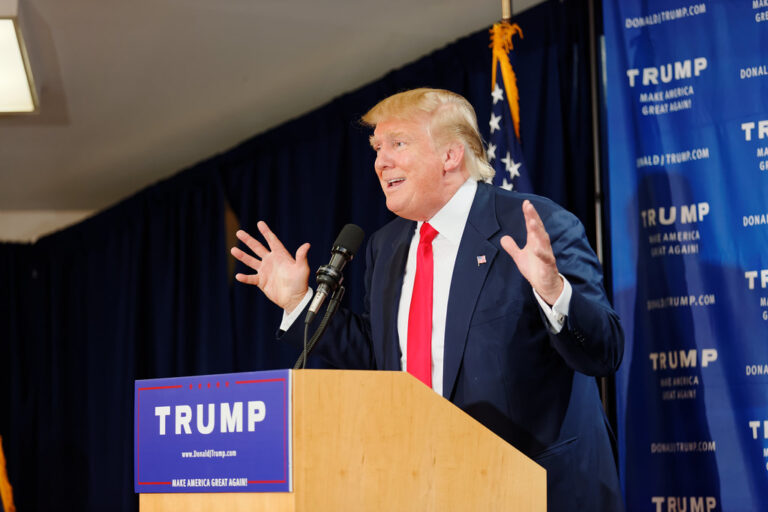
Economic Fears Rise as Trump Returns to Office

0

Key Takeaways:

  • Concerns about the economy have increased since Trump’s return.
  • Most Americans don’t see Trump’s policies as improving the economy.
  • 55% believe cuts to federal programs will harm the economy.

Economic Concerns Grow Under Trump’s Return

The economy has become a major worry for many Americans since President Trump resumed office. Recent polls indicate growing anxiety among citizens regarding the nation’s financial health. This shift in sentiment suggests that people are skeptical about the effectiveness of Trump’s policies in boosting economic conditions. Many are concerned that the changes made during his tenure are not leading to positive outcomes.


Most Americans Unimpressed by Trump’s Economic Policies

According to a recent survey, a significant portion of the population does not believe that Trump’s policies have improved the economy. These findings highlight a disconnect between the administration’s economic strategies and public perception. The lack of confidence in these policies underscores the challenges Trump faces in convincing Americans of their benefits.


Budget Cuts Spark Economic Worries

A notable aspect of the poll reveals that 55% of respondents fear that Trump’s cuts to federal programs will negatively impact the economy. This percentage signifies a substantial segment of the population that is uneasy about reduced government spending. The concern is that slashing funds for various programs could lead to broader economic harm, affecting sectors like education, healthcare, and infrastructure.


Everyday Impacts of Budget Decisions

The potential effects of budget cuts are a relatable concern for many. For instance, reductions in funding could mean fewer resources for schools, impacting education quality. Similarly, healthcare programs might face cutbacks, affecting access to necessary services. These everyday examples help explain why many view Trump’s budget decisions with apprehension.


The Road Ahead for Trump’s Policies

As Trump’s administration moves forward, the focus will be on whether his economic strategies can alleviate these concerns. The success of his policies will depend on their ability to address the worries of the American people. If perceptions do not improve, the skepticism towards his economic plans will likely persist.


Conclusion: Uncertainty Looms

The first months of Trump’s return have brought increased economic worries. With many doubting his policies’ effectiveness and concerned about budget cuts, the future of the economy remains uncertain. Whether Trump can change these perceptions will be a crucial factor in shaping his administration’s legacy on economic issues.

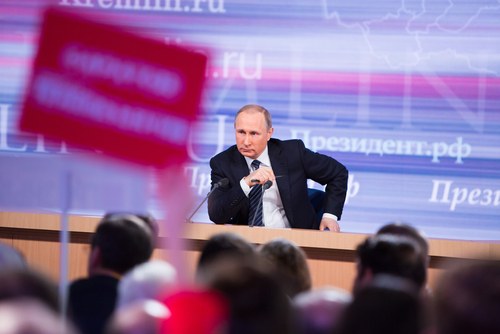
Hope for Ukraine Peace: Kremlin Expresses Cautious Optimism

0

Key Takeaways:

  • The Kremlin feels cautiously optimistic about Ukraine peace after recent talks.
  • Trump’s envoy met Putin in Moscow, sparking hope for negotiations.
  • This meeting could boost peace talks, offering a glimmer of progress.
  • Despite optimism, significant challenges remain in achieving lasting peace.
  • The international community remains hopeful yet cautious about the outcome.

Recent Developments in Ukraine Peace Talks

The Kremlin has expressed cautious optimism about the prospects of peace in Ukraine following a significant meeting in Moscow. President Donald Trump’s envoy recently met with Russian President Vladimir Putin, renewing hopes for a resolution to the ongoing conflict. This encounter has sparked discussions about the potential for renewed peace talks, offering a beacon of hope after months of tension.

While details of the meeting remain scarce, the fact that such high-level dialogue occurred is a positive sign. Diplomatic engagements at this level are rare and often indicative of a willingness to explore peaceful solutions. The Kremlin’s cautious optimism suggests that there may be a foundation for future negotiations, though it is too early to predict outcomes.

What This Means for Ukraine’s Future

The meeting between Trump’s envoy and Putin could mark a turning point in Ukraine’s journey toward peace. Ukraine has endured immense challenges, with widespread displacement and economic hardship affecting millions. The possibility of peace talks offers a ray of hope for those directly impacted by the conflict, suggesting that their struggles may soon ease.

Moreover, this development highlights the importance of diplomacy in resolving international disputes. Even in the face of adversity, dialogue can pave the way for understanding and cooperation. The meeting underscores that while challenges are significant, they are not insurmountable when approached with determination and good faith.

The Challenges Ahead

Despite the optimism, the path to peace in Ukraine is fraught with obstacles. Reaching a mutually acceptable agreement will require addressing deeply entrenched issues, including territorial disputes and security concerns. Both sides will need to make concessions, which can be politically challenging.

Additionally, rebuilding trust between the parties involved is crucial. Years of conflict have created a complex web of mistrust, which cannot be unravelled overnight. Any progress will depend on consistent effort and a genuine commitment to peace from all parties.

International Reaction and Next Steps

The international community is closely watching these developments, eager to see if this meeting translates into tangible progress. Many nations have expressed support for a peaceful resolution, recognizing the broader implications for global stability. The reaction reflects a shared desire to end the suffering and restore normalcy.

Moving forward, maintaining open communication channels will be vital. The international community can play a supportive role by facilitating dialogue and offering mediation where needed. The next steps will likely involve follow-up meetings and the exploration of specific terms for a potential agreement.

Conclusion: A Glimmer of Hope?

While it is premature to celebrate, the meeting between Trump’s envoy and Putin offers a glimmer of hope. The Kremlin’s cautious optimism is a step in the right direction, indicating that dialogue is valued and progress is possible. For Ukraine, this could mean a move towards healing and reconstruction.

However, the journey ahead is long and uncertain. Success will depend on sustained commitment and cooperation. As the world watches, the hope remains that this meeting is not just a gesture, but a genuine step toward lasting peace. The coming weeks and months will reveal if this optimism is warranted, but for now, it is a light in the darkness.

Senate Duty vs. Family Loss: John Thune’s Tough Choice

0

Key Takeaways:

  • Senator John Thune faced a heartbreaking decision between Senate duties and his brother’s funeral.
  • The Senate had a packed schedule with Trump’s cabinet nominees needing confirmation.
  • Democrats were slowing down the process, while Republicans pushed for faster action.
  • Thune, as the new majority leader, had to balance his responsibilities and personal grief.

A Senate in Overdrive

Late on the last Thursday of January, the Senate was in chaos. The schedule was packed with nominees for President Donald Trump’s cabinet who needed to be confirmed. Democrats were doing what they could to slow things down, while Trump’s Republican supporters wanted everything done as quickly as possible.

John Thune, the new Senate majority leader, had promised to work weekends if needed. This particular weekend was no exception. The pressure was high, and the Senate was in overdrive. But for Thune, the stakes were personal.


A Difficult Decision

Thune was supposed to attend his brother’s funeral. Family is important, and funerals are moments when you want to be with loved ones. However, Thune couldn’t go. His duties in the Senate made it impossible.

The Senate was in session late into the night, and the schedule was tight. Thune had to stay and manage the process of confirming Trump’s nominees. Democrats were dragging their feet, and Republicans were pushing hard to get things done.

Thune’s situation showed how demanding the job of a Senate leader can be. Sometimes, even personal tragedies have to take a backseat to political responsibilities.


The Weight of Leadership

Thune’s role as majority leader meant he had to keep everything running smoothly. He was responsible for getting Trump’s nominees confirmed, even if it meant working long hours and weekends.

The pressure from Republicans to move quickly added to the stress. They wanted President Trump’s team in place as soon as possible. Meanwhile, Democrats were using every trick in the book to slow things down.

For Thune, it was a tough balancing act. He had to lead the Senate while dealing with his own grief. His absence from his brother’s funeral was a painful reminder of the sacrifices leaders often make.


The Bigger Picture

Thune’s story is not unique. Many politicians face similar challenges where their duties clash with personal life. The job of a senator is demanding, especially in leadership roles.

The situation also highlighted the tense political climate at the time. The early days of Trump’s presidency were marked by deep divisions, and the Senate was at the center of the storm.

As the Senate worked late into the night, Thune’s absence from his brother’s funeral became a symbol of the sacrifices made by those in power. It showed how political battles can sometimes overshadow personal losses.


A Lesson in Sacrifice

Thune’s decision to prioritize his Senate duties over his brother’s funeral was not easy. It showed the heavy burden that comes with leadership.

For many, family is the most important thing in life. But for politicians like Thune, the demands of the job can sometimes take precedence.

This story is a reminder of the sacrifices made by those in public office. It also raises questions about the balance between political responsibilities and personal life.

As the Senate continued its work that late January night, Thune’s absence from his brother’s funeral served as a stark reminder of the high cost of leadership.


This story highlights the challenges faced by politicians in balancing their duties with personal life. It also shows how political pressure can sometimes overshadow even the most meaningful personal moments.

For John Thune, it was a tough choice between honoring his brother and fulfilling his role as Senate majority leader. In the end, duty called, but the cost was deeply personal.

Iran Cracks Down on Women’s Headscarf Protests with Spying and Harsher Punishments

0

Key Takeaways:

  • Iran is using more electronic surveillance to monitor women who don’t wear headscarves.
  • The government is encouraging people to report women who break the law.
  • Hard-liners want stricter penalties for protesters.
  • A new UN report highlights these findings after blaming Iran’s government for violence last year.
  • The situation has sparked global concern over human rights.

Iran is tightening its grip on women who refuse to wear headscarves in public. A new UN report reveals that the country is increasingly using electronic surveillance and even recruiting citizens to spy on women who disobey the law. This comes as hard-line supporters push for tougher punishments for those who protest against the mandatory headscarf rule.

The report, released by the Independent International Fact-Finding Mission on Iran, sheds light on the growing crackdown on women’s rights. It follows last year’s findings, which blamed the Iranian government for violence against protesters. Now, the situation seems to be getting worse.

Surveillance and Spying

Iran is investing more in technology to track women who don’t wear headscarves. Cameras, drones, and even smartphone apps are being used to monitor public spaces. Authorities are also targeting social media accounts to identify women who post photos or videos without headscarves.

But it’s not just technology. The government is encouraging ordinary citizens to act as informants. People are being asked to report women who violate the dress code. This has created a culture of fear, where neighbors, coworkers, and even family members might turn against each other.

Harsher Penalties for Protesters

While surveillance is one tool, hard-line officials want to go further. They are calling for stricter laws to punish women who refuse to wear headscarves. Proposals include longer prison sentences, heavier fines, and even public shaming.

Protesters who speak out against the law are already facing severe consequences. Many have been arrested, beaten, or forced into exile. The UN report warns that these actions are part of a broader pattern of repression in Iran.

Global Reaction

The international community is deeply concerned about the situation in Iran. Human rights groups are calling for urgent action to protect women’s rights and freedom of expression. The UN report adds to the growing pressure on Iran to stop its crackdown on dissent.

What’s Next?

Iran’s decision to increase surveillance and punish protesters has sparked outrage worldwide. The UN report is a reminder of the country’s ongoing human rights abuses. For now, women in Iran face an increasingly dangerous landscape, with little sign of relief in sight.

As the situation continues to unfold, one thing is clear: the fight for women’s rights in Iran is far from over.

AI Tools Are Changing the Game: What You Need to Know

Key Takeaways:

  • AI tools are becoming more advanced and widely used.
  • These tools are helping people work smarter, not harder.
  • AI can automate tasks, improve decision-making, and even create content.
  • Experts warn about potential risks like job losses and bias.
  • The future of AI looks exciting but requires careful planning.

What Are AI Tools?

AI tools are software or programs that use artificial intelligence to perform tasks that usually require human intelligence. Think of things like chatbots, voice assistants, or systems that analyze data to make predictions. These tools are designed to make life easier and help people get things done faster.

For example, some AI tools can write emails, create images, or even help doctors diagnose diseases. They’re like super-smart helpers that learn from data and improve over time.


How Are AI Tools Being Used?

AI tools are being used in almost every industry. Let’s break it down:

1. Business and Productivity

AI tools are helping businesses automate repetitive tasks like scheduling, data entry, and customer service. For instance, chatbots can answer common questions without human intervention. This frees up time for employees to focus on more important tasks.

2. Healthcare

In healthcare, AI tools are being used to analyze patient data, diagnose diseases, and even develop personalized treatment plans. For example, AI can spot early signs of cancer in scans more accurately than human doctors in some cases.

3. Education

AI tools are changing how we learn. They can create personalized study plans, grade assignments, and even tutor students in specific subjects. Some tools can also help teachers create engaging lesson plans.

4. Entertainment

AI tools are being used to create music, write stories, and even design video games. For example, some artists use AI to generate new music beats or edit their work.


The Benefits of AI Tools

The benefits of AI tools are huge:

  • Faster Work: AI tools can process data and complete tasks much faster than humans.
  • Better Accuracy: AI can reduce errors in repetitive tasks like data entry or calculations.
  • Cost-Effective: Automating tasks can save businesses money on labor costs.
  • Improved Decision-Making: AI tools can analyze large amounts of data to provide insights that humans might miss.
  • Personalization: AI can tailor experiences, like recommending movies or products based on your preferences.

The Risks of AI Tools

While AI tools are powerful, they also come with risks:

  • Job Losses: Automating tasks could lead to job losses, especially in industries that rely heavily on repetitive work.
  • Bias and Discrimination: If AI tools are trained on biased data, they can make unfair decisions. For example, some AI systems have been shown to discriminate in hiring or lending.
  • Privacy Concerns: AI tools often require large amounts of data, which can raise concerns about privacy and security.
  • Dependence on Technology: Over-reliance on AI tools could reduce human skills and creativity.

The Future of AI Tools

The future of AI tools is exciting but uncertain. Experts predict that AI will continue to improve and become even more integrated into our daily lives. However, it’s important to address the risks and ensure that AI tools are developed responsibly.

  • Ethical AI: There’s a growing focus on creating ethical AI that is fair, transparent, and respects privacy.
  • Human-AI Collaboration: Instead of replacing humans, AI tools could work alongside us, enhancing our abilities and creativity.
  • Regulation: Governments and organizations are starting to create rules to govern the use of AI tools and prevent misuse.

What Does This Mean for You?

If you’re wondering how AI tools will affect you, here’s what you need to know:

  • Learn to Use AI: As AI tools become more common, learning how to use them effectively will be a valuable skill.
  • Stay Aware: Be aware of the potential risks, like privacy concerns or bias, and advocate for responsible AI use.
  • Embrace Change: AI tools are here to stay, so embracing the change and understanding how they can help you will put you ahead.

Conclusion

AI tools are powerful technologies that are changing the way we live and work. While they offer many benefits, like increased efficiency and better decision-making, they also come with risks like job losses and bias. The future of AI depends on how we develop and use these tools responsibly.

As AI tools continue to evolve, it’s up to all of us to make sure they are used in ways that benefit everyone. Whether you’re a student, a worker, or just someone curious about the future, understanding AI tools and their impact is more important than ever.

AI Tool Launch: Revolutionize Content Creation with CreativeFlow

Key Takeaways:

  • CreativeFlow is a groundbreaking AI tool designed to enhance content creation.
  • It offers features like idea generation, content drafting, and optimization.
  • Ideal for marketers, bloggers, and businesses aiming to streamline their workflows.
  • Available now with flexible pricing plans, including a free trial.

Introducing CreativeFlow: The Future of Content Creation

In an era where digital content reigns supreme, the launch of CreativeFlow marks a significant leap in AI technology. This innovative tool is set to transform how we create content, catering to both seasoned professionals and newcomers alike. Whether you’re a marketer aiming to captivate your audience or a blogger seeking to carve out your niche, CreativeFlow offers a suite of features designed to elevate your content game.


Features That Set CreativeFlow Apart

1. Idea Generation CreativeFlow’s AI technology excels at brainstorming. It swiftly generates a wealth of ideas tailored to your audience and goals, helping you overcome writer’s block and discover fresh angles.

2. Content Drafting This tool doesn’t just stop at ideas. It crafts compelling content, whether it’s a blog post or a social media update, ensuring your message is clear and engaging.

3. Optimization Insights CreativeFlow provides valuable feedback to refine your content. From SEO suggestions to readability checks, it ensures your work is polished and primed for success.


Why CreativeFlow Matters

In today’s fast-paced digital world, efficiency is key. CreativeFlow helps you create high-quality content quickly, allowing you to focus on strategy and creativity rather than getting bogged down by time-consuming tasks.

For marketers, this means crafting campaigns that resonate deeply with your target audience, driving engagement and conversions. Bloggers can maintain consistency and quality without the stress of constant content creation. Businesses can enhance their online presence through tailored content that speaks to their brand values.


Tips for Maximizing CreativeFlow

  1. Start with Clear Goals: Define your objectives to get the most from CreativeFlow’s suggestions.
  2. Leverage AI but Add Your Touch: Use the tool’s output as a foundation and personalise it with your unique voice.
  3. Explore Different Features: Experiment with various functionalities to discover what works best for you.

The Future of Content Creation

As AI technology evolves, tools like CreativeFlow are paving the way for more innovative content creation. By automating routine tasks, creators can focus on innovation and connection, fostering a new era of digital storytelling.

In conclusion, CreativeFlow is more than just a tool—it’s a partner in your creative journey. Embrace the future of content creation with creativity and efficiency at your fingertips.


This article is designed to engage tech-savvy individuals and businesses, offering practical insights and a clear structure for easy understanding.

AI Takes Center Stage: Transforming Content Creation Forever

Key Takeaways:

  • AI is revolutionizing content creation in digital marketing.
  • Tools like AI-powered platforms personalize and accelerate content production.
  • Ethical concerns and job impacts are rising issues.
  • Digital marketers must adapt to remain competitive.

Introduction:

In today’s fast-paced digital world, Artificial Intelligence (AI) is not just a futuristic concept—it’s here, transforming how we create content. Acting like a smart assistant, AI is becoming indispensable in digital marketing, helping create content faster and better than ever before. This article explores AI’s impact on content creation and what it means for creators and marketers.


What Is AI-Driven Content Creation?

AI-driven content creation uses advanced algorithms to produce material like articles, ads, and social media posts. Think of it as having a skilled writer or designer at your fingertips, generating ideas and refining content swiftly.


How AI Is Revolutionizing Digital Marketing

AI’s personalization abilities are a game-changer. By analyzing data, AI tailors content to specific audiences, making ads more effective. For instance, businesses can target users based on their preferences, boosting engagement and sales.

AI’s speed and scalability allow quick content creation, crucial in fast-paced markets. It also analyzes data to predict trends, helping marketers make informed decisions. This efficiency ensures businesses stay ahead in the digital race.


The Rise of AI Tools in Content Creation

AI tools like WordLift and Acrolinx are popular for enhancing content quality. They suggest improvements, ensuring content is clear and engaging. Other tools such as Canva simplify design, enabling anyone to create professional visuals without formal training.


The Good and the Bad of AI in Content Creation

On the positive side, AI saves time and enhances creativity, allowing marketers to focus on strategy. However, ethical concerns arise, such as the potential for biased content and reduced originality. Job market worries include automation replacing some roles.


What Does the Future Hold for Digital Marketers?

Adapting to AI is crucial for marketers. While AI handles repetitive tasks, human creativity remains essential. Marketers should stay updated on AI tools to leverage their potential effectively.


Conclusion:

AI is reshaping content creation, offering exciting possibilities but also challenges. Embracing AI as a tool, not a replacement, is key. By adapting, marketers can enhance their strategies and stay competitive in the evolving digital landscape.

Electric Cars Take Over: Why They’re Here to Stay

Key Takeaways:

  • Electric cars are gaining popularity rapidly.
  • New models offer improved technology and design.
  • They provide significant environmental benefits.
  • Electric cars are becoming cost-effective.

Electric Cars: A New Era on the Road

Electric cars, once a niche choice, are now leading the automotive market, captivating drivers worldwide with their innovative technology and eco-friendly appeal. This shift marks a significant change in how we see transportation, blending style, efficiency, and sustainability.

Why Are Electric Cars So Popular?

The surge in popularity of electric cars can be attributed to several factors. First and foremost, advancements in technology have made these vehicles more accessible and desirable. Longer battery life, faster charging times, and quieter engines are just a few improvements that have turned heads. Additionally, governments are offering incentives, such as tax breaks and rebates, encouraging more people to switch to electric.

Moreover, environmental consciousness is at an all-time high. Electric cars offer a cleaner alternative to traditional gas-guzzlers, reducing carbon emissions and combating climate change. For eco-conscious consumers, they represent a responsible choice for the future of our planet.

A Closer Look: What Users Say

Owners of electric cars often praise the smooth and quiet ride, which is a stark contrast to traditional vehicles. Many also appreciate the lower maintenance costs, as electric cars have fewer moving parts. For instance, brakes last longer due to regenerative braking, and there’s no need for oil changes. These factors contribute to their growing popularity.

The Future of Electric Cars

Looking ahead, the future of electric cars is bright. With automakers investing heavily in innovation, new models are set to impress with even better technology and design. Companies are also expanding their charging networks, addressing one of the main concerns: range anxiety.

In conclusion, electric cars are not just a passing trend; they represent the future of transportation. Offering a blend of innovation, eco-friendliness, and cost-effectiveness, they are poised to dominate the roads for years to come. As the automotive industry evolves, embracing electric cars could be a wise and forward-thinking choice for many.