56.7 F
San Francisco
Friday, May 15, 2026
Home Blog Page 1061

Trump’s Executive Order Against Law Firm Sparks Outrage

0

Key Takeaways:

  • A U.S. District Court Judge issued a temporary restraining order against Trump’s executive order targeting a law firm.
  • The law firm, Perkins Coie, represented Hillary Clinton and George Soros.
  • Legal experts call the move a clear retaliation against political opponents.
  • The order raises concerns about First Amendment rights and government overreach.

A Temporary Restraining Order Against Trump’s Executive Order

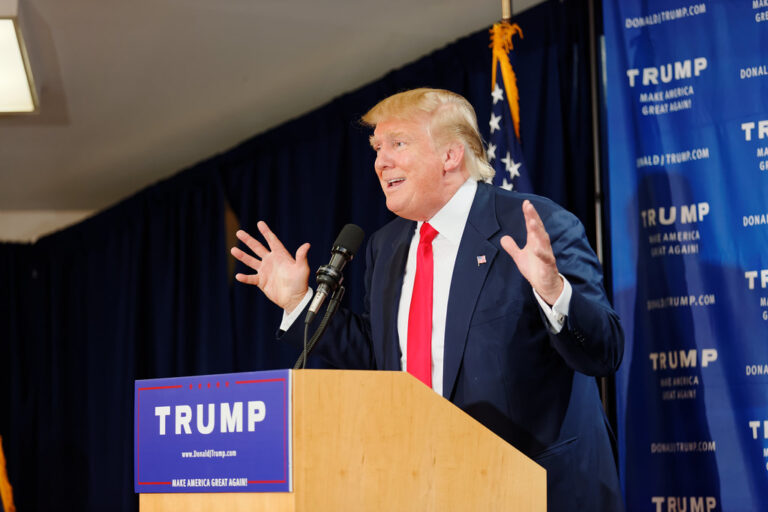
In a dramatic turn of events, U.S. District Court Judge Beryl Howell stepped in to block an executive order signed by President Trump. The order targeted a law firm called Perkins Coie, which has ties to high-profile Democratic figures like Hillary Clinton and George Soros. Judge Howell’s ruling came after critics accused Trump of retaliating against the firm for its political activities.

The situation has sparked widespread outrage, with many legal experts calling the move unprecedented. New York Times columnist David French, a veteran attorney, recently weighed in on the issue during an MSNBC appearance. French described the executive order as something he had never seen before in his 20+ years of practicing First Amendment law.


Perkins Coie: The Law Firm in the Spotlight

Perkins Coie is a well-known law firm that has represented several prominent Democratic clients, including Hillary Clinton during her presidential campaign. The firm has also worked with George Soros, a billionaire philanthropist and a frequent target of conservative criticism.

The executive order signed by Trump appears to single out Perkins Coie for its political affiliations. Legal experts argue that this could set a dangerous precedent, as it suggests the government is punishing individuals or organizations for their political beliefs or associations.


The First Amendment of the U.S. Constitution protects citizens from government retaliation based on their political speech or activities. In this case, critics say Trump’s executive order crosses a line by directly targeting a law firm for its connections to Democratic figures.

David French, who has extensive experience in First Amendment law, pointed out how unusual this situation is. “In retaliation cases, the government usually denies any wrongdoing,” he explained. “But here, they’re openly admitting it. They’re saying, ‘We’re doing this because of their political activities.’”

French emphasized that this kind of openness is rare and troubling. “They’re taking action against a law firm simply because of their First Amendment-protected expression,” he said. “It’s right there in the document.”


David French on MSNBC: “They Confessed to It”

French’s appearance on MSNBC highlighted the gravity of the situation. He described the executive order as a clear confession of retaliation, something he had never seen in his decades-long legal career.

“This is not subtle,” French said. “The government is saying, ‘We’re targeting this law firm because of their political actions.’ And that’s a direct violation of the First Amendment.”

French also warned that this could be just the beginning. “If they continue down this path, we’ll see more of these orders,” he said. “And that’s deeply concerning for anyone who cares about free speech and the rule of law.”


The Broader Significance: A Threat to Democracy?

The debate over Trump’s executive order goes beyond a single law firm. It raises questions about the limits of presidential power and the protection of political speech. If the government can retaliate against individuals or organizations for their political views, it sets a dangerous precedent.

“This is about more than just Perkins Coie,” said French. “It’s about whether the government can punish people for exercising their First Amendment rights. If this stands, it’s a threat to democracy itself.”

Judge Howell’s temporary restraining order is a step in the right direction, but the larger legal battle is far from over. As the case moves forward, many are watching closely to see how the courts will respond to this unprecedented challenge.


Conclusion: A Warning for the Future

Trump’s executive order targeting Perkins Coie has sent shockwaves through the legal and political communities. The move has been condemned as a blatant retaliation against political opponents, with serious implications for free speech and democracy.

David French’s analysis underscores the gravity of the situation. “They confessed to it,” he said, referring to the government’s open admission of retaliation. “And that’s something we’ve never seen before.”

As the courts continue to grapple with this case, one thing is clear: the outcome will have far-reaching consequences for the future of political expression in America. Will the government be allowed to retaliate against its critics, or will the courts uphold the protections of the First Amendment? Only time will tell.

Judge Blocks Trump’s Order Targeting Law Firm: Here’s What Happened

0

Key Takeaways:

  • A federal judge temporarily blocked Trump’s executive order targeting the law firm Perkins Coie.
  • The order aimed to revoke security clearances, bar employees from federal buildings, and restrict government contractors from working with the firm.
  • The judge ruled the order likely violated constitutional protections for free speech, due process, and the right to legal counsel.
  • Reactions are divided, with some praising the ruling as a win for democracy and others calling for the judge’s impeachment.

What Happened?

On Wednesday, a federal judge stepped in to stop an executive order by Donald Trump that targeted the law firm Perkins Coie. Trump’s order aimed to punish the firm by revoking security clearances for its employees, banning them from federal buildings, and preventing government contractors from working with them.

Judge Beryl Howell issued a temporary restraining order, blocking major parts of Trump’s plan. While she didn’t specifically address the security clearances part of the order, she made it clear that Trump’s actions likely broke the law.


Why Did the Judge Step In?

Judge Howell said Trump’s order violated key constitutional rights, including free speech, due process, and the right to legal representation. She explained that the legal system works best when everyone, even those with unpopular views, has strong advocates.

“Our justice system is based on the belief that justice works best when all parties have zealous advocates,” she said. “That promise applies to everyone, no matter if they hold ideas or beliefs that the President dislikes.”

The judge also warned that Trump’s order could have a “chilling effect” on lawyers nationwide. She said it could scare attorneys away from taking on cases that might upset powerful people, like the President.


How Did People React?

Reactions to the ruling were intense.

CNN legal analyst Jeffrey Toobin called it a “complete destruction of this executive order — for now.” He said the judge’s ruling was a major setback for Trump’s plan.

On the other side, Trump allies were furious. Stephen Miller, a former top Trump aide, called the judge’s decision “lawless judicial tyranny.” He argued that judges shouldn’t have the power to force the President to share classified information with firms he doesn’t like.

Rep. Lauren Boebert (R-CO) agreed, sharing Miller’s post and adding a single word: “IMPEACH.”

Others, like independent journalist Nick Sortor, questioned how a judge could “force” the President to grant security clearances. “These activist judges HAVE TO GO,” he wrote.


Not everyone agreed with the backlash. Legal experts and prosecutors praised the judge’s ruling.

New York Attorney General Letitia James called Trump’s actions “unacceptable” and said they could harm the entire legal profession. “I pushed back against this illegal action to defend the rights of all lawyers,” she said.

Joyce Vance, a former federal prosecutor, cheered the ruling as a “big win” for democracy. “Presidents can’t use their power to carry out personal vendettas,” she said. “This ruling protects lawyers’ ability to represent clients, no matter who they are.”


What’s Next?

For now, Trump’s order is blocked, but this isn’t the end of the story. The ruling is just a temporary restraining order, and the case will likely continue in court.

If Trump’s order is permanently struck down, it could limit his ability to target companies or individuals he sees as enemies. On the other hand, if the order is upheld later, it could set a dangerous precedent for how presidents can use their power.

One thing is clear: this case is a significant test of constitutional limits and the balance of power in the U.S.


This ruling is a reminder that even the President isn’t above the law. As Judge Howell made clear, the justice system depends on lawyers being able to advocate for their clients without fear of retaliation. Whether you agree with the ruling or not, it’s a moment that could shape the future of legal rights in America.

Trump’s Wild Idea: Why He Wants Canada to Join the US

0

Key Takeaways:

  • Trump suggests Canada should become the 51st US state, sparking strong reactions.
  • 33% of Canadians view the US positively, a drop from 52% in 2024.
  • Economic tensions rise with new tariffs and potential trade wars.
  • Experts see Trump’s move as a negotiation tactic or legacy play.

Trump Makes His Move

In a recent Truth Social post, Donald Trump proposed that Canada become the 51st US state. He painted a future with lower taxes, no tariffs, and enhanced security for Canadians. However, this idea has been met with skepticism and criticism, especially from Canada’s outgoing Prime Minister Justin Trudeau, who called the suggestion absurd.

What’s Behind Trump’s Desire?

Trump’s interest in expanding US territory isn’t new. He’s also expressed desires to claim Greenland and the Panama Canal. Experts suggest this might be a negotiation tactic to show strength or part of a legacy bid. Political scientist Todd Belt notes that acquiring territory could be seen as a marker of a great presidency, fitting Trump’s ambition.

Canada’s Strong Response

Canada’s leaders are firm in their rejection. Trudeau emphasized that Canada will never become the 51st state, and Prime Minister-designate Mark Carney vowed Canada would prevail in trade disputes, likening it to winning in hockey. Canada has already retaliated with tariffs on US products, signaling a tough stance.

Economic Battle Ahead

Economically, the stakes are high. A trade war could severely impact Canada, given its close economic ties with the US. Ian Lee, an economics professor, likened Canada’s position to a mouse facing an elephant, urging compromise. Yet, Carney remains optimistic, reflecting the nation’s resilience.

What’s Next?

As tensions rise, the future remains uncertain. Trade talks and territorial claims will likely dominate US-Canada relations. While Trump’s proposal seems unlikely, it underscores the unpredictable nature of international diplomacy. For now, Canada stands firm, determined to protect its sovereignty and economy.

Tesla’s MAGA Makeover Sparks Controversy and Stock Slump

0

Key Takeaways:

  • Tesla has lost $800 billion in market value since December.
  • Elon Musk’s alliance with Donald Trump has angered many customers and investors.
  • Protests and vandalism against Tesla have surged.
  • Analysts warn that politicizing the brand could hurt sales long-term.
  • Tesla’s sales are dropping in key markets like Europe, California, and China.

How It All Began

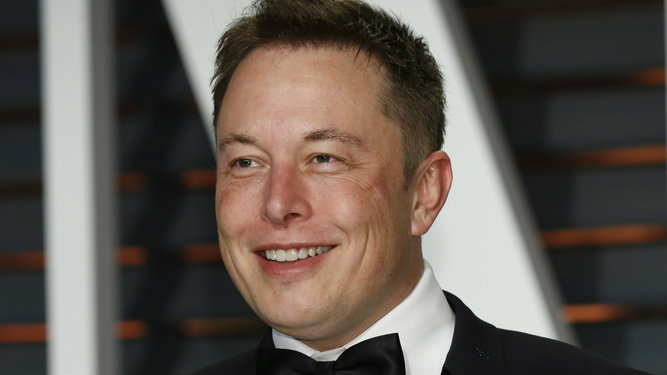
Tesla was once a symbol of environmental progress and liberal values. Its electric cars were seen as a smarter, cleaner alternative to gas-powered vehicles. However, things took a dramatic turn when Elon Musk, Tesla’s CEO, started openly supporting Donald Trump. This alliance has caused a lot of controversy, especially among Tesla’s traditional customer base.

Donald Trump recently hosted an event at the White House to promote Tesla. He even posed with Musk and a line of Teslas on the South Lawn. During the event, Trump said he would buy a Tesla Model S for White House staff and hinted at labeling anti-Tesla violence as domestic terrorism. Photographers caught Trump holding a Tesla sales script, which many saw as a bold and unethical move for a president.


Backlash and Controversy

Tesla’s market value has plummeted by $800 billion since December. This drop is largely due to the backlash against Musk’s political stance. Customers, potential buyers, and even stock investors have turned away from the brand.

Protests called “Tesla Takedown” have popped up outside Tesla dealerships. Some current Tesla owners have reported vandalism and harassment. The situation has become so tense that Trump threatened to classify attacks on Tesla as domestic terrorism.

Analysts are shocked by how quickly Tesla’s brand value has fallen. “We struggle to think of anything similar in automotive history,” said Ryan Brinkman, an analyst at J.P. Morgan.


What Analysts Are Saying

Wedbush analyst Dan Ives, who has long supported Tesla’s stock, warns that turning the brand into a political symbol is a “dangerous path.” He believes associating Tesla with Trump and his policies could hurt the company’s image for a long time.

A 2022 study by Scarborough Research found that Tesla owners were mostly Democrats. Now, the brand is seen as politically toxic to many in that group. The big question is whether Trump’s endorsement will draw enough Republican buyers to offset the losses.

“Car buying means something different to everyone,” said van Drury of Edmunds. “If the price is right, some people might set their personal feelings aside.” However, the damage to Tesla’s reputation could be hard to fix.


The Road Ahead

Tesla’s sales are struggling not just in the U.S. but also in Europe, California, and China—three of its most important markets. Analysts are worried that Musk is focusing too much on politics and not enough on running Tesla.

Ives told Fortune, “As someone who’s covered Tesla for many years, it’s time for Musk to show he’s still committed to Tesla.” He added that Musk needs to spend more time at Tesla’s factories and less time at the White House or Mar-a-Lago.

Ives still believes Tesla’s stock could rebound to $550 within a year—more than double its current value. But he made it clear that this depends on Musk refocusing on the company’s needs rather than political ventures.


Conclusion

Tesla’s alliance with Donald Trump has sparked widespread controversy. The brand, once a symbol of progress, is now seen as politically charged. While some analysts still see potential for recovery, others worry that the damage is done. Only time will tell if Tesla can regain its footing in the automotive world.

CEOs Sound Alarm on Trump Policies Amid Economic Uncertainty

0

Key Takeaways:

  • CEOs privately criticize Trump despite public support.
  • Recent tariffs on Canada and Mexico spark concern.
  • Executives fear retribution, staying quiet publicly.
  • Economic uncertainty rises, impacting financial markets.

CEOs Sound Alarm on Trump Policies Amid Economic Uncertainty

In a recent gathering at the Yale CEO Caucus, top executives openly shared their concerns about President Trump’s policies, revealing a stark contrast between their public stance and private sentiments. Despite their public support, CEOs like Jamie Dimon of JPMorgan and Michael Dell of Dell expressed discomfort with Trump’s recent tariff announcements, particularly the 25% tariffs on Canadian steel and aluminum.

The discussion highlighted the growing unease among corporate leaders regarding Trump’s unpredictable approach to trade policies. The abrupt imposition of tariffs has led to significant market fluctuations, causing worry among investors and corporations alike.


Why CEOs Are Worried About Trump’s Policies

The latest tariffs on imports from Canada have sparked fear among business leaders, who anticipate potential trade wars and economic instability. The tariffs, which took effect recently, have already caused financial markets to dip, signaling investor anxiety. CEOs are concerned that Trump’s impulsive decisions could directly impact their profits, leading to strategic moves to avoid his wrath.

Jeffrey Sonnenfeld, who organized the event, noted a strong consensus among attendees against Trump’s economic strategies, particularly the treatment of Canada. This unified opposition reflects a broader dissatisfaction within the corporate community, who view the administration’s policies as detrimental to global trade relations.


The Fear of Speaking Out

Despite their private criticisms, executives are hesitant to voice their concerns publicly. Bill George, former CEO of Medtronic, highlighted the climate of fear, where speaking out against Trump could result in retribution. This reluctance underscores the challenging environment corporate leaders face, balancing their businesses’ interests with the risks of opposing a powerful figure.

George emphasized the shift in mood among executives, who now prefer discretion over open criticism. This cautious approach contrasts sharply with the more vocal opposition seen in previous administrations, illustrating the unique challenges of the current political climate.


A Changing Economic Landscape

The economic landscape under Trump’s second term is increasingly uncertain, marked by volatile markets and unpredictable policy decisions. The recent tariff announcements have intensified these concerns, as businesses struggle to navigate an environment where sudden policy changes can significantly impact their operations.

Executives are particularly worried about Trump’s tendency to make unexpected statements, which can instantly affect market confidence and corporate bottom lines. This unpredictability has led some companies to seek favor with the administration, hoping to mitigate potential risks.


Conclusion

The private discussions among CEOs at the Yale CEO Caucus reveal a deeper anxiety within the corporate world about Trump’s policies and their implications. As the economic climate continues to shift, businesses are bracing for further instability, weighing the risks of speaking out against the need to protect their interests.

This evolving situation highlights the complex interplay between politics and business, where leaders must maneuver carefully to avoid repercussions while addressing the challenges posed by unpredictable policy decisions.

The GOP’s Plan to Cut Aid for the Poor to Fund Tax Cuts for the Rich

0

Key Takeaways:

  • Congressional Republicans are proposing cuts to Medicaid, food stamps, and other federal assistance programs to fund tax cuts for billionaires and corporations.
  • These cuts could impact millions of low-income families, children, and vulnerable communities across the U.S.
  • Advocacy groups and lawmakers warn that this plan prioritizes the ultra-wealthy over those in need, worsening economic inequality.
  • Critics argue that billionaires and corporations don’t rely on public services like Medicaid, public schools, or Social Security, so they don’t care if these programs disappear.

If you follow political news, you’ve probably seen stories about Republicans in Congress trying to cut programs like Medicaid and food stamps. These programs help millions of low-income families, children, and seniors survive. But why would lawmakers want to cut this aid? The answer lies in their plan to give massive tax cuts to billionaires and corporations.

To pass these tax cuts, Republicans need to follow a rule called “budget neutrality.” This means they can’t add to the national debt. So, they’re looking to take money from programs that help everyday Americans and give it to the ultra-wealthy.

How Will These Cuts Affect Real People?

Let’s break it down. In Connecticut alone, opponents of the plan say it could strip health coverage from over 800,000 low-income residents. That’s nearly one in every four people in the state. Additionally, 5,600 children in early education programs and nearly 400,000 families relying on food stamps could lose their support.

Emily Byrne, director of Connecticut Voices for Children, calls this plan a step backward. She says it will increase poverty, make life harder for families, and hurt efforts to provide basics like food and healthcare. “This is the wrong direction,” she said, adding that it goes against Connecticut’s values of fairness and support for those in need.

But Connecticut isn’t the only state affected. Across the country, local news outlets are reporting on how these cuts could devastate communities. Families who depend on Medicaid for healthcare, food stamps to buy groceries, and other programs to make ends meet are bracing for the worst.

Why Tax Cuts for the Ultra-Rich?

At the heart of this debate is a simple question: Why do billionaires and corporations need more money? They already have more wealth than they could ever spend in a lifetime. Yet, Republicans argue that giving them even more will somehow help the economy. Critics say this is just an excuse to hand over money to their wealthy donors.

Sen. Chris Murphy of Connecticut points out that billionaires live in a different world. “Billionaires don’t need Medicaid,” he said. “They don’t need public schools. They don’t need Social Security.” He explained that billionaires can afford private healthcare, private schools, and retirement funds. So, if programs like Medicaid or Social Security disappear, it won’t hurt them.

Murphy also criticized the so-called “billionaire mindset” that’s driving these policies. He believes that the focus on tax cuts for the rich shows that politicians are more interested in helping the wealthy than in supporting everyday Americans.

What’s at Stake for Everyday Americans?

The stakes are high. If these cuts go through, millions of people will lose access to vital programs. For example:

  • Without Medicaid, many low-income families and people with disabilities will lose their healthcare.
  • Without food stamps, families will struggle to put meals on the table.
  • Without funding for public schools, education quality will drop, leaving kids without the resources they need to succeed.

But it’s not just about money. These cuts represent a shift in values. They suggest that helping the wealthy is more important than supporting those who are struggling. As Murphy put it, “The billionaire mindset is different… They don’t care if rural hospitals close or addiction treatment centers shut down because they have the money to pay for private care.”

The Bigger Picture: Democracy and Greed

This isn’t just a fight over money—it’s a fight over democracy. Murphy warns that the billionaire mindset is turning America into a “kleptocratic oligarchy,” where the rich steal from the rest of us to get even richer. He compared this to foreign governments like the Kremlin, where a small group of wealthy elites control everything.

If this happens, the U.S. will no longer be a democracy where everyone has an equal voice. Instead, it will be a system where the wealthy wield all the power, and the rest of us are left to fight for scraps.

What Can We Do?

It’s easy to feel powerless when faced with such huge decisions. But here’s the truth: Politics is about people, and every decision affects someone. Whether it’s a family losing their healthcare or a billionaire getting another tax break, someone is winning, and someone is losing.

The media has a responsibility to tell these stories—to show how these policies hurt real people and benefit the ultra-wealthy. Local news outlets are stepping up, but they need our support. By paying attention and speaking out, we can make sure that the voices of everyday Americans are heard.

Ultimately, this is a fight for fairness. It’s about whether we as a society will prioritize the needs of the many over the greed of the few. If we let the billionaire mindset win, we’ll lose more than just money—we’ll lose the values that make America worth fighting for.

Stay informed, stay vocal, and remember: Democracy works best when everyone has a seat at the table, not just the billionaires.

Pope Francis’s Health Scare: What’s Next for the Catholic Church?

0

Key Takeaways:

  • Pope Francis, 88, is recovering from pneumonia after a month in hospital.
  • His health issues have sparked concerns about his ability to lead the Catholic Church.
  • Despite health challenges, Francis has maintained a busy schedule and introduced significant reforms.
  • There is speculation about his possible resignation, following the example of his predecessor.

Pope Francis’s Recent Health Challenges

Pope Francis, the leader of the Catholic Church, has faced a significant health setback recently. After being hospitalized for a month with pneumonia, the 88-year-old Pope is now on the road to recovery. His health issues have raised questions about his future as the spiritual leader of nearly 1.4 billion Catholics worldwide.

Francis was admitted to the hospital in Rome on February 14 with pneumonia in both lungs. Initially, his condition was critical, but he has since stabilized. The Vatican reported that he had peaceful nights and is slowly improving. However, his recovery could take weeks, given his age and recurring health problems. Francis had part of one lung removed when he was younger, which adds to his current health challenges.


The Impact on His Papacy

Pope Francis has been known for his energetic and hands-on approach to his role. Despite his advanced age and physical limitations—he began using a wheelchair three years ago—he has maintained a busy schedule, including international trips and presiding over large religious gatherings. However, his recent health scare has led to discussions about his ability to continue leading the Church.

Some experts suggest that Francis may need to slow down and delegate more responsibilities. However, the Pope has always been reluctant to step back, believing that the role of the Pope is for life. In recent years, he has distanced himself from the idea of resigning, even though his predecessor, Pope Benedict XVI, voluntarily stepped down in 2013.

While in the hospital, Francis has continued working, signing important documents and meeting with close colleagues. However, he has missed several key events related to the upcoming 2025 Jubilee, a holy year that is expected to attract millions of pilgrims to Rome. It remains uncertain whether he will be well enough to lead the Easter celebrations, which are just weeks away.


The Unfinished Reforms

Pope Francis has made significant reforms during his papacy, shifting the Church’s focus to inclusivity and social justice. He has introduced changes such as reorganizing Vatican finances, increasing the role of women, and opening the Church to LGBTQ members. However, many of his reforms are still ongoing, and their future remains uncertain.

One of the major initiatives of Francis’s papacy is the Synod, a wide-ranging discussion on the future of the Church. The Synod aims to address issues such as the role of women, clergy celibacy, and the Church’s stance on same-sex relationships. However, the discussion is still in progress, and many of the proposed changes have faced opposition from traditionalists within the Church.


Opposition and Challenges

Pope Francis’s progressive reforms have not been without criticism. Traditionalists within the Church have strongly opposed many of his changes, arguing that they go against long-standing Catholic teachings. Additionally, some regions, particularly in Africa, have pushed back against certain reforms, such as the blessing of same-sex couples.

Despite the challenges, Pope Francis has managed to shift the Church’s focus towards more inclusive and compassionate values. His emphasis on social justice and his outreach to marginalized communities have made a significant impact. However, many questions remain about whether his reforms will be fully implemented and whether they will survive after his papacy.


The Future of the Papacy

The recent health scare has raised questions about the future of Pope Francis’s papacy. While he has always said that the role of the Pope is for life, he has also left the door open to resigning if his health deteriorates significantly. Some experts believe that Francis may choose to step down if he feels he can no longer lead the Church effectively.

If Francis were to resign, it would mark the second time in recent history that a pope has voluntarily stepped down. Pope Benedict XVI’s resignation in 2013 set a precedent, and Francis has often been compared to his predecessor. However, Francis has distanced himself from the idea of resigning in recent years, emphasizing that he is committed to his role until the end.


Conclusion: A Legacy in the Making

Pope Francis’s health challenges have cast a shadow over his future as the leader of the Catholic Church. While he is on the road to recovery, his recent hospitalization has sparked discussions about his ability to continue leading the Church. Despite his health issues, Francis has managed to maintain a busy schedule and implement significant reforms.

The path ahead is uncertain, and many questions remain about the future of his papacy. However, one thing is clear: Pope Francis has already made a significant impact on the Catholic Church, shifting its focus towards inclusivity and social justice. Whether he continues as Pope or eventually steps down, his legacy will be remembered as a pivotal moment in the history of the Church.

As the world waits to see what the future holds for Pope Francis, one thing is certain: his influence on the Catholic Church will be felt for years to come.

Rep. Larson’s Fiery Speech Halts Social Security Cuts

0

Key Takeaways:

  • Rep. John Larson delivered a passionate speech against Social Security cuts.
  • Rachel Maddow highlighted his rant and a proposal to end phone services for claims.
  • The plan was reversed after public backlash.
  • The incident shows the impact of public pushback.

A Fiery Speech in Congress

Rep. John Larson, a Democrat from Connecticut, made headlines with a fiery speech in Congress. He expressed his anger over potential cuts to Social Security, particularly targeting Elon Musk’s rumored involvement. Larson’s passionate outburst caught attention, emphasizing the importance of protecting Social Security.

Rachel Maddow’s Coverage

Rachel Maddow featured Larson’s speech on her show, praising his determination. She linked his rant to a report about ending phone services for Social Security claims, which would hinder access for many, especially the elderly and disabled. Maddow highlighted the timeline of events, showing how Larson’s speech preceded the report’s release.

The Proposal and Backlash

The proposal to end phone services was met with strong public backlash. Critics argued it would isolate vulnerable populations. The plan’s reversal was a direct response to this outcry, demonstrating the power of public pressure.

The Outcome and Message

The reversal of the proposal underscored the effectiveness of public pushback. Maddow and Larson’s actions showed that vocal opposition can lead to change. This incident serves as a reminder of the impact individuals can have when they speak out.

Why This Matters

Social Security is a lifeline for millions. Any cuts or service reductions can deeply affect recipients. Larson’s speech and the subsequent backlash highlight the importance of advocacy and the need for transparency in policy decisions.

Conclusion

Rep. Larson’s speech and the public’s response led to a significant policy reversal. This event illustrates the power of vocal opposition and the importance of protecting social safety nets. It’s a testament to the impact of standing up for what matters.

Crenshaw Fires Back at Carlson in Heated Feud

0

Key Takeaways:

  • Rep. Dan Crenshaw labels Tucker Carlson as a hypocrite and unserious.
  • Crenshaw accuses Carlson of attacking without substance.
  • He highlights Carlson’s privileged background.
  • Challenges Carlson to a moderated debate.
  • The feud began with a hot mic incident.

Introduction: In a recent interview, Rep. Dan Crenshaw openly criticized Tucker Carlson, escalating their ongoing feud. The tension between them has been building, and their exchange offers insight into their differing views and personalities.

Crenshaw Calls Out Carlson as a Hypocrite: Crenshaw accused Carlson of being a hypocrite, claiming he criticizes Washington elites while embodying their traits. He pointed out Carlson’s privileged upbringing, including his education and family background, suggesting it contradicts his on-air persona.

Substance Over Insults: Crenshaw emphasized that Carlson’s attacks lack depth. He stated that while others, like Mehdi Hasan, may disagree with him on issues, at least they provide clear reasons. Carlson, however, relies on insults without offering substantial arguments.

A Challenge to Debate: Crenshaw extended an invitation to Carlson for a moderated debate, which Carlson declined. This refusal, according to Crenshaw, shows a lack of seriousness and willingness to engage in meaningful discourse.

The Feud’s Origins: The conflict began when Crenshaw was caught on a hot mic calling Carlson the worst person. Although he later clarified it as hyperbole, Carlson responded with harsh words, labeling Crenshaw unstable and a warmonger.

Conclusion: The feud between Crenshaw and Carlson continues to draw attention, highlighting the broader tensions within political media. Whether this leads to further engagement or fades away remains to be seen, but for now, both figures remain steadfast in their positions.

Trump Shows Off Tesla Cars at White House Amid Economic Concerns

0

Key Takeaways:

  • President Trump displayed Tesla electric vehicles at the White House.
  • Critics questioned the timing due to stock market drops and job uncertainties.
  • Trump blamed President Biden for high inflation and rising egg prices.
  • Egg prices have actually risen by nearly 59% over the past year.
  • USDA Secretary Brooke Rollins claims egg prices are starting to drop.

President Trump recently showcased Tesla electric vehicles on the White House lawn, sparking debates about the timing of the event. With stock markets falling and many Americans worried about job security, critics wondered why Trump chose to highlight cars from a company led by his ally and major donor, Elon Musk.

Trump remained optimistic. “I think they’re going to do great,” he said, claiming that prices are dropping. He criticized the economy he inherited from President Biden, insisting that he had a strong economy during his first term. “I had no inflation. I had a great economy. He gave you high prices,” Trump remarked.

Trump even mentioned eggs, saying, “You couldn’t buy bacon, you couldn’t buy anything, and also, I inherited a situation with eggs. The price of eggs was through the roof. Well, now the price of eggs has come down a lot.”

But the data tells a different story. According to a recent Consumer Price Index report, egg prices rose by 10.4% last month and have increased nearly 59% over the past year. This makes eggs one of the most inflated items in the U.S.

The high cost of eggs is partly due to a bird flu outbreak affecting chicken supplies. Meanwhile, U.S. Secretary of Agriculture Brooke Rollins announced that the average cost of a dozen eggs has dropped by $1.85 since the USDA introduced a plan to address the issue. She also pointed to “Easter season” as a factor in higher egg prices.

Rollins shared that wholesale egg prices have fallen by about $2.60 per dozen this month. However, the USDA’s “Egg Markets Overview” report stated that lower demand caused the price drop. Despite this, Rollins recently suggested that Americans might consider raising backyard chickens to deal with the high cost of eggs.

As the debate over egg prices continues, many are left wondering how these issues will impact everyday Americans and the broader economy. For now, the situation remains uncertain.