67 F
San Francisco
Friday, May 15, 2026
Home Blog Page 1078

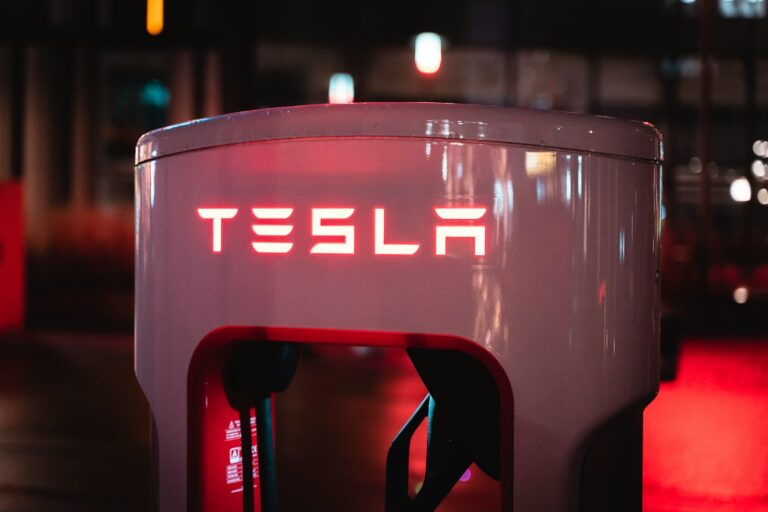
Tesla’s Stock Hits 7-Week Low Amid Musk’s Controversies

0

Key Takeaways:

  • Tesla’s stock has dropped for seven straight weeks, marking its longest decline on record.
  • Shares are at the lowest since the last election, making Tesla the worst-performing S&P 500 stock this year.
  • Analyst Ben Kallo suggests Elon Musk’s political actions could be harming Tesla’s brand and demand.
  • Production issues may be affecting deliveries, contributing to the narrative of declining demand.
  • Europe might be more vulnerable to demand destruction due to these challenges.

Introduction: Tesla’s stock is facing its longest losing streak ever, raising concerns about whether Elon Musk’s controversial behavior is to blame. While some see it as just noise, others believe it’s impacting the company’s value.

Musk’s Actions and the Tesla Brand: Elon Musk’s political antics have sparked debates about their impact on Tesla. Some argue that his actions, which include divisive tweets and public statements, might be deterring potential buyers. Even supporters of Musk might think twice before purchasing a Tesla if they fear backlash, like vandalism.

Production Issues and Deliveries: Beyond the controversy, Tesla’s production ramp is causing delivery delays. This could be a bigger factor in the perceived decline in demand. If production doesn’t meet expectations, it reinforces the idea that Tesla is struggling to attract buyers.

Europe’s Perspective: The situation in Europe looks even more concerning. With higher competition and different market dynamics, Tesla’s challenges might be more pronounced there, leading to more significant demand destruction.

Expert Opinions: Analysts are divided on whether Musk is attracting or losing buyers. The uncertainty surrounding Tesla’s future makes it hard to predict the company’s trajectory. It might take a few months to see the real impact of these issues.

Conclusion: Tesla’s stock decline and the potential impact of Musk’s actions are hot topics. While some dismiss the noise, others see real challenges ahead. Only time will tell if Tesla can recover or if these issues will persist.

This structured approach keeps the content simple, engaging, and easy to understand, appealing to a younger audience while covering all critical points.

Trump and Musk: Is the MAGA Bromance Over?

0


Key Takeaways:

  • Political pundit Charlie Sykes explores potential drama between Donald Trump and Elon Musk.
  • Trump’s team is reportedly distancing itself from Musk over recent actions.
  • A heated meeting involving Marco Rubio and Musk added fuel to the fire.
  • Experts predict the relationship won’t end explosively but will fade away quietly.

Trouble in MAGA Paradise: Trump and Musk’s Relationship Hits a Snag

For months, Donald Trump and Elon Musk have been two of the most influential figures in the MAGA movement. But now, cracks are appearing in their partnership, and it’s causing quite the stir.

Last weekend, conservative commentator Charlie Sykes sat down with Politico’s Jonathan Martin to discuss the situation. Sykes pointed out four important developments that suggest all isn’t well between Trump and Musk.

  1. Trump World Is on High Alert Sykes revealed that Trump’s inner circle is in “CYA-mode” (covering their own backsides) over Musk’s recent decisions. This suggests that Trump’s team is worried about being associated with Musk’s actions and is trying to protect itself from potential backlash.
  2. Trump Gives the Green Light to Criticize Musk According to Sykes, Trump has told his cabinet members to publicly blame Musk for making “reckless cuts” and even call him a liar. This indicates that Trump is distancing himself from Musk, possibly to avoid being dragged down by Musk’s controversies.
  3. Musk’s Wings May Have Been Clipped Sykes suggested that Trump may have “clipped the wings” of his fellow megalomaniac. This means Trump could be asserting dominance or limiting Musk’s influence within the MAGA movement.
  4. The Story Leaked Out When drama happens in high-profile circles, it’s hard to keep it under wraps. The details of this falling out have spilled into the public eye, adding more fuel to the speculation.

Why This Drama Was Inevitable

Sykes didn’t seem surprised by the tension between Trump and Musk. “The laws of human gravity make it impossible for two sociopathic megalomaniacs to occupy the same space,” he said. In other words, when two big egos collide, conflict is almost unavoidable. The real surprise, Sykes noted, is that it took so long for things to go sideways.


The Breakup Might Not Be Explosive

While the drama is juicy, Jonathan Martin doesn’t think it will end in a dramatic showdown. “I think it ends in more of a whimper,” he told Sykes.

Martin’s point makes sense. Both Trump and Musk are masters of the spotlight, and a quiet fade-out would allow them to avoid embarrassment. Instead of a messy breakup, their relationship might slowly lose steam as they focus on their own priorities.


What’s Next for Trump and Musk?

As the situation unfolds, here are a few things to watch for:

1. Will Trump Continue to Distance Himself? If Trump keeps criticizing Musk publicly, it could signal a permanent split. But if he changes his tune, it might mean the two are patching things up.

2. How Will Musk Respond? Musk is known for speaking his mind on Twitter. If Trump’s team keeps blaming him, Musk might fire back, escalating the drama.

3. What Do MAGA Fans Think? The MAGA movement is a key part of Trump’s base. If fans start turning on Musk, it could hurt his influence. But if they side with Musk, it might weaken Trump’s grip on the movement.


Why This Matters

The Trump-Musk relationship is about more than just egos. Both men have massive followings and influence. If their partnership crumbles, it could send shockwaves through the political and tech worlds.

For Trump, losing Musk’s support might hurt his 2024 presidential campaign. Musk’s endorsement could have brought in votes from tech-savvy Republicans and younger voters.

For Musk, a split with Trump could cost him credibility with MAGA supporters. This might impact his businesses, especially if conservatives decide to boycott his companies, like Tesla or Twitter/X.


The Bigger Picture

The drama between Trump and Musk highlights a larger issue in politics today: alliances are fleeting, and loyalty is often tested when power is on the line.

As Sykes and Martin pointed out, the relationship between two charismatic, larger-than-life figures like Trump and Musk is inherently unstable. Both are used to getting their way, and when they disagree, things can get messy.


Final Thoughts

While the current tension between Trump and Musk is intriguing, it’s important to remember that politics is full of temporary alliances. Whether this feud ends with a bang or a whimper, one thing is certain: both men will keep doing what they do best—staying in the spotlight and shaping the conversations that matter.

And who knows? If history is any guide, they might even patch things up in the future. After all, in the world of politics and Celebrity, yesterday’s enemies can become tomorrow’s allies.

For now, though, it’s clear that the MAGA bromance between Trump and Musk is hitting a rough patch. Whether it’s the end of the road or just a speed bump remains to be seen.

US Seeks to Reclaim Sea Dominance Amid China’s Growing Power

0

Key Takeaways:

  • The US Navy remains the most powerful, but America is falling behind in other maritime areas.
  • China is expanding its influence through shipping, ports, and even its fishing fleet.
  • Trump aims to boost US shipbuilding and control strategic locations like Greenland.
  • The melting Arctic is opening new opportunities—and tensions—for sea power.
  • The US struggles with an aging fleet and slow shipbuilding compared to global rivals.

The Battle for the Seas: Why Sea Power Matters Now

The oceans have always been a source of power and wealth. Today, the US and China are in a growing competition to control the seas. While the US Navy is still the strongest, China is making big moves in shipping, ports, and even icebreakers. This race for sea dominance is about more than just military might—it’s about economics, trade, and Influence.


Trump’s Plan to Rebuild US Sea Power

President Trump wants to make America’s maritime power great again. He has announced plans to revive the US shipbuilding industry, which includes both military and commercial ships. This push is part of a bigger strategy to challenge China’s growing influence.

Trump has also made headlines with bold ideas, like taxing Chinese ships that dock in US ports, buying Greenland for its minerals, and even suggesting military action to control the Panama Canal. These moves are seen as a mix of strategic thinking and appeals to his base of supporters.

Analysts are split on whether Trump’s actions are part of a clear plan or just political moves. Either way, his policies are pushing the US toward a more aggressive maritime strategy.


China’s Rising Sea Power

China is quickly becoming a major player in the oceans. The country is investing heavily in global ports, maritime infrastructure, and even weapons. For example, China’s fishing fleets are being used for more than just catching fish—they’re also monitoring the seas and supporting Chinese claims in disputed waters.

Chinese companies like COSCO and China Merchant Ports are buying or controlling key ports worldwide. These include strategic locations like those on the Panama Canal. Some experts worry that China could use these ports to Gain political leverage.

However, not all of China’s moves are about politics. Many of its maritime investments are simply good business. Chinese companies are meeting the global demand for goods, and US consumers are some of their biggest customers.

Still, the US is taking steps to counter China’s Influence. For instance, a US-led group recently bought control of key ports in the Panama Canal from a Chinese-owned company.


The Weakness in US Sea Power

While the US Navy is the strongest in the world, America is lagging in other maritime areas. The US merchant fleet has shrunk, and its ships are aging. This matters because civilian ships can be used for military purposes, like transporting troops and supplies.

The US also struggles with shipbuilding. Unlike China, South Korea, and Japan, which build ships quickly and at scale, the US shipbuilding industry is slow and expensive. This puts the country at a disadvantage in both military and commercial shipping.

The situation is even worse in the Arctic. As ice melts due to climate change, new sea routes and resources are becoming accessible. But while China and Russia are building icebreakers, the US Coast Guard is struggling to maintain its two aging icebreaking ships.


The Arctic: The Next Battlefield

The Arctic is becoming a new frontier in the battle for sea power. Melting ice is opening up opportunities for shipping, oil drilling, and military operations. Countries like China, Russia, and the US are all trying to Gain an advantage in this increasingly important region.

For the US, the Arctic is also critical for national security. Submarines that carry missiles are a key part of the country’s defense strategy, and the Arctic could play a bigger role in this in the future.

But right now, the US is falling behind in the Arctic race. China is investing in icebreakers and research stations, while Russia is expanding its military presence. The US needs to catch up if it wants to remain a major player.


Conclusion: The Future of Sea Power

The competition between the US and China at sea is about more than just ships and ports—it’s about who will shape the future of global trade, security, and influence. The US is taking steps to reclaim its dominance, but it faces serious challenges.

For now, China’s focus on building its maritime power—both military and economic—has put it in a strong position. The US will need to invest more in shipbuilding, Arctic capabilities, and strategic partnerships if it hopes to stay ahead.

As the oceans become increasingly important, the battle for sea power is only going to get more intense. Who will come out on top? Only time will tell.

Supreme Court Checks Trump’s Power: A Breakdown of the Recent Ruling

0

Key Takeaways:

  • The U.S. Supreme Court ruled 5-4 that Trump must release $2 billion in USAID funds, emphasizing Congress’s budget authority.
  • The decision underscores the separation of powers, with the judiciary upholding legislative authority.
  • Dissenting justices, including Alito and Thomas, have faced ethical scrutiny and provided strategies for Trump to bypass the ruling.

In a landmark decision, the U.S. Supreme Court delivered a significant rebuke to former President Donald Trump’s assertion of unchecked presidential power. By a narrow 5-4 margin, the Court ordered the Trump administration to release $2 billion in USAID funds, highlighting Congress’s critical role in budget allocation. This ruling not only upholds the rule of law but also addresses concerns about the judiciary’s independence and integrity.

The Majority’s Stance: Protecting Congressional Authority

The Court’s majority, including conservative justices like Roberts and Coney-Barrett, aligned with liberal justices to maintain Congress’s constitutional authority. Article I, Section 8 grants Congress the power of the purse, a cornerstone of U.S. governance designed to check executive overreach. The ruling clarifies that a president cannot unilaterally withhold funds appropriated by Congress, reinforcing the separation of powers essential to democracy.

The Dissent: A Call for Expanded Executive Power

The dissent, led by Justices Alito, Thomas, Kavanaugh, and Gorsuch, marks a troubling shift. Justice Alito’s dissent misrepresented the court record, questioning the District Judge’s jurisdiction and suggesting the ruling penalized taxpayers. This stance disregards how federal aid operates, as Congress determines appropriations, not the judiciary. Alito’s claims of judicial overreach are hypocritical, as the dissent effectively advocates for expanded executive authority, undermining checks and balances.

Ethical Concerns and Future Implications

The dissenting justices’ actions raise ethical eyebrows, particularly Alito and Thomas, who have faced calls for impeachment due to their partisan leanings. By advising the administration on legal bypass strategies, they signal a willingness to delay aid disbursement, exacerbating harm to nonprofits and global aid recipients. This behavior erodes public trust in the judiciary, casting doubt on its independence.

Conclusion: A Crucial Moment for American Democracy

The Supreme Court’s decision is a vital affirmation of the separation of powers and the rule of law. While the majority upheld constitutional checks on the presidency, the dissent’s actions highlight ongoing challenges in maintaining judicial integrity. The ruling’s impact extends beyond legal spheres, affecting real-world outcomes for aid recipients worldwide. As the judiciary navigates these complexities, upholding its independence is paramount for democracy’s survival.

Supreme Court May Side with Trump in Major Power Shift

0

Key Takeaways:

  • U.S. Supreme Court Justice John G. Roberts Jr. may reverse a decades-old precedent, potentially boosting Donald Trump’s power.
  • The case in question, Humphrey’s Executor, limits the president’s ability to fire certain officials without cause.
  • Legal experts warn this could shift more power to the executive branch and weaken checks and balances.

The U.S. Supreme Court may be on the brink of a major decision that could change how power works in the federal government. According to legal analyst and former federal prosecutor Joyce Vance, Justice John G. Roberts Jr. has hinted at reversing a decades-old precedent that could benefit former President Donald Trump and expand presidential authority.

What’s at Stake?

At the heart of this issue is a Supreme Court case from the 1930s called Humphrey’s Executor. This case involved a Federal Trade Commissioner named William Humphrey, who was fired by President Franklin D. Roosevelt after refusing to resign. Humphrey’s executor (the person managing his estate after his death) sued to recover the salary Humphrey would have earned if he hadn’t been fired.

The Supreme Court ultimately ruled that the president did not have the power to fire Humphrey because he was part of an independent agency. This decision set a precedent that presidents cannot fire certain officials without cause, balancing the power between the executive and legislative branches.

Why Does Trump Care?

Fast forward to today, and Trump is reportedly trying to overturn this precedent. Vance argues that Trump wants to consolidate more power for the executive branch, undermining the Constitution’s system of checks and balances. If the Supreme Court reverses the Humphrey’s Executor decision, it could give presidents greater control over independent agencies and limit Congressional oversight.

What Did Justice Roberts Say?

Justice Roberts recently wrote an opinion that caught the attention of legal experts. He emphasized the president’s unique role as the sole head of the executive branch. While his comments didn’t directly reference the Humphrey’s Executor case, Vance interprets them as a sign that Roberts might support Trump’s push for greater presidential authority.

The Bigger Picture

Vance warns that this could be part of a broader effort by Trump to reshape the government. She points to a recent ruling that granted former presidents sweeping immunity from criminal prosecution as evidence of a troubling trend. If the Supreme Court continues to expand presidential power, it could have long-lasting consequences for democracy.

Will Precedent Prevail?

The question now is whether the Supreme Court will stick to its past rulings or side with Trump’s vision of executive power. Vance fears that the Court’s conservative majority may prioritize politics over precedent, handing even more authority to the president.

What’s Next?

As the Supreme Court considers these issues, the stakes are high. Will it uphold the balance of power established by Humphrey’s Executor, or will it pave the way for a more powerful presidency? The answer could shape the future of American governance for years to come.


This potential shift in power highlights the ongoing debate over the role of the executive branch and the importance of judicial independence. Stay tuned for updates as this story unfolds.

Columbia University Protest Leader Arrested Amid Immigration Crackdown

0

Key Takeaways:

  • Mahmoud Khalil, a Palestinian activist and recent Columbia University graduate, was detained by immigration officers.
  • Khalil was a key figure in protests against Israel’s war in Gaza.
  • His arrest comes after President Trump vowed to deport foreign students involved in pro-Palestinian demonstrations.
  • Columbia University faces a $400 million funding cut for allegedly not protecting Jewish students.

The U.S. Department of Homeland Security (DHS) arrested Mahmoud Khalil, a Palestinian activist and recent Columbia University graduate, on Saturday. Khalil was a leader in protests against Israel’s war in Gaza, which began after the Hamas attack on October 7, 2023. The Student Workers of Columbia union confirmed his detention and expressed concern over ICE agents accessing campus buildings, including dorms.

Why Was Mahmoud Khalil Targeted?

Khalil was one of the main organizers of Columbia’s Gaza solidarity encampment last spring. The protests, which included occupying campus buildings and disrupting lectures, drew attention nationwide. While some demonstrations turned violent, Khalil became a prominent voice for students opposing Israel’s actions in Gaza.

The arrest has sparked outrage among students and supporters. A petition calling for Khalil’s release has gathered thousands of signatures. At the time of his arrest, Khalil was a permanent resident of the U.S., which has raised questions about the legality of his detention.

President Trump recently criticized pro-Palestinian student protests, threatening to deport foreign students involved. He also warned universities to crack down on what he called anti-Semitism or face funding cuts.

Columbia University’s Response

Columbia University has not directly commented on Khalil’s arrest. However, the university acknowledged reports of ICE agents near campus. In a statement, Columbia said it would follow the law and require judicial warrants for law enforcement to enter non-public university areas.

The Department of Homeland Security did not respond to requests for comment.

Trump’s Backlash Against Pro-Palestinian Protests

President Trump has been vocal about the student protests linked to the Gaza conflict. He promised to deport foreign students involved in pro-Palestinian demonstrations. Trump also threatened universities, saying they must do more to combat anti-Semitism on campuses.

Just last Friday, the Trump administration announced it would cut $400 million in federal grants to Columbia University. The reason given was the university’s alleged failure to protect Jewish students from harassment.

What’s Next?

The situation at Columbia University reflects the broader tensions on U.S. campuses since the October 7 attack. Student protests have sparked debates about free speech, anti-Semitism, and the Israeli-Palestinian conflict.

As the investigation into Khalil’s arrest continues, supporters are calling for his release and questioning the motivations behind his detention. The case has also raised concerns about immigration enforcement on college campuses and the targeting of student activists.

Stay tuned for more updates as this story unfolds.

VA Hospitals in Crisis: Trump’s Cuts Endanger Veterans’ Care

0

Key Takeaways:

  • VA hospitals face chaos due to DOGE’s budget cuts and firings.
  • Clinical trials halted, affecting veterans’ access to new treatments.
  • Support staff layoffs disrupt essential services like appointments and patient transport.
  • Republican lawmakers express concern over veterans’ care.
  • 2,400 employees fired, many being veterans with limited job protections.
  • Hiring freeze impacts critical research staff, stopping studies mid-way.

Imagine a hospital system in turmoil, where critical services are crumbling, and life-saving research is grinding to a halt. This is the reality for U.S. Veterans Administration hospitals under recent budget cuts and staffing decisions made by the Department of Government Efficiency (DOGE). These changes, introduced by the Trump administration, have wreaked havoc on the VA’s ability to care for veterans, sparking widespread concern among lawmakers and former employees.

This article explores the far-reaching consequences of these cuts, highlighting how they impact everything from clinical trials to everyday patient care. The situation is dire, and the effects could be felt for years to come.

Critical Research Grinding to a Halt

One of the most alarming consequences of the DOGE’s actions is the suspension of clinical trials. These trials are crucial for veterans, offering them early access to cutting-edge treatments that aren’t yet widely available. However, due to the hiring freeze and layoffs, many of these studies have been brought to a standstill.

Rashi Romanoff, a leader in veterans’ research, explained that the freeze on hiring has left many research projects without the staff needed to continue. This not only delays potential life-saving treatments but also wastes valuable time and resources already invested in these studies. For veterans awaiting experimental treatments, this means hope is being delayed, and for some, it could mean missing out on a chance to improve their health.

Support Staff Cuts Hurting Veterans

Behind the scenes, support staff plays a vital role in keeping VA hospitals running smoothly. These employees handle tasks ranging from scheduling appointments to arranging transportation for patients. However, many of these roles have been eliminated, leaving a gaping hole in the system.

Over 2,400 employees have been fired since the changes took effect. Many of these workers were new hires with fewer protections, and some were even veterans themselves. Without these support staff, patients are finding it harder to get the care they need. Appointments are being delayed, and some veterans are struggling to get to their treatments without help.

Lawmakers Speak Out

The situation has drawn the attention of lawmakers, with some Republican leaders expressing concern over the impact on veterans’ care. Senator John Barrasso of Wyoming emphasized the importance of ensuring veterans receive the care they need, highlighting the gravity of the situation.

While some lawmakers are pushing for change, the current situation remains dire. The back-and-forth over contract cancellations has added to the confusion, leaving both staff and patients uncertain about what lies ahead. For now, the focus remains on finding a solution before more damage is done.

Moving Forward

The challenges facing VA hospitals are clear, and the need for action is urgent. Veterans deserve the best care possible, and the current state of affairs is falling short of that standard. As lawmakers and advocacy groups push for change, the hope is that the situation will improve. Until then, the impact of these cuts will continue to be felt deeply by those who have served their country.

The story of VA hospitals under DOGE’s cuts is one of missed opportunities and broken promises. It serves as a reminder of the importance of prioritizing those who have given so much. As the situation continues to unfold, one thing is certain: the care of our veterans must come first.

Mary Trump Speaks Out on Family’s Struggles with Empathy

0

Key Takeaways:

  • Mary Trump, niece of Donald Trump, shares insights into her family’s challenges with empathy.
  • She discusses how her uncle and aunt struggled due to their father’s influence.
  • Mary Trump reveals that Donald Trump’s empathy was weakened by family dynamics.

Introduction

Mary Trump, a psychologist and niece of Donald Trump, recently opened up in a live Q&A about her family’s struggles with empathy. Her insights offer a glimpse into the personal side of the Trump family, revealing how their upbringing shaped their ability to empathize.


The Grandfather’s Influence

Mary Trump highlighted the significant role her grandfather played in her family’s dynamics. She explained that his behavior was abusive and had a lasting impact on both her uncle, Donald, and her aunt, Maryanne. This upbringing, according to Mary, affected their ability to show genuine kindness and empathy.

Family environments play a crucial role in shaping personalities. In this case, the influence was so strong that it altered the way Donald and Maryanne interacted with others, making it hard for them to express empathy.


Mary’s Analysis

During her Q&A, Mary Trump discussed how both her uncle and aunt had moments of kindness but struggled to maintain it. She noted that her aunt tried harder and sometimes succeeded, while her uncle’s efforts were weaker, influenced by those around him, including their grandfather.

This analysis suggests that while both siblings had the capacity for empathy, their environments and experiences shaped their ability to express it consistently.


The Impact on the Family

Mary Trump’s observations highlight how family dynamics can influence personal traits like empathy. She pointed out that the challenges her uncle and aunt faced were deeply rooted in their upbringing, affecting their relationships and public personas.

This dynamic is a reminder that personal struggles can have lasting effects, shaping behaviors in both private and public settings.


Public Reaction

Mary Trump’s comments have sparked interest and discussion, offering a different perspective on her family. While some find her insights enlightening, others remain skeptical, questioning the motives behind her statements.

The public’s reaction reflects the divided opinions about the Trump family, with some seeking to understand their personal dynamics better.


Conclusion

Mary Trump’s remarks provide a personal perspective on her family’s challenges, emphasizing the impact of upbringing on empathy. Her comments invite reflection on how family influences can shape individuals and their interactions.

As public figures, the Trumps’ personal dynamics continue to fascinate and divide opinions, offering a complex story of family, empathy, and influence.

Adam Schiff Warns Trump and Musk Are Targeting Social Security

0

Key Takeaways

  • Adam Schiff claims Donald Trump and Elon Musk are already targeting Social Security.
  • Schiff released a video explaining his concerns about their actions.
  • He believes this could threaten the future of Social Security for millions of Americans.
  • The video has sparked debate about the role of political leaders in shaping social programs.

Adam Schiff Sounds the Alarm on Social Security

Adam Schiff, a Democrat from California, has made a bold claim in a recent video. He says Donald Trump, the former president, and Elon Musk, the billionaire CEO of Tesla and Twitter, are already working to undermine Social Security. Schiff’s warning has caused a stir, especially among those who rely on the program for retirement and disability benefits.

Schiff, who is known for his outspoken views on politics, didn’t hold back in his video. He explained that he believes Trump and Musk are taking steps to weaken Social Security. “They already are,” he said, emphasizing the urgency of the situation.


What’s at Stake with Social Security?

Social Security is a vital program for millions of Americans. It provides financial support to retired workers, disabled individuals, and the families of deceased workers. For many, it’s their main source of income after retirement.

If Schiff’s claims are true, changes to Social Security could have serious consequences. For example, cuts to benefits or changes in eligibility could leave many people struggling to make ends meet.

Schiff’s warning is a call to action for Americans to pay attention to what’s happening in politics. He wants people to understand how decisions made by leaders like Trump and Musk could impact their lives.


Why Are Trump and Musk Targeting Social Security?

Schiff didn’t provide specific details about why he thinks Trump and Musk are targeting Social Security. However, there are a few theories. Some people believe that politicians and business leaders might see Social Security as a way to reduce government spending or shift resources to other priorities.

Others speculate that there could be broader ideological differences at play. For instance, some leaders might believe that Social Security should be privatized or restructured to rely more on personal savings rather than government support.

If these changes were to happen, they could fundamentally alter the nature of Social Security. That’s why Schiff’s warning is so important—he’s urging people to stay informed and get involved in the conversation.


The Broader Debate About Social Safety Nets

Schiff’s comments are part of a larger debate about the role of government in providing social safety nets. Programs like Social Security, Medicare, and Medicaid are designed to protect vulnerable populations, but they are often at the center of political battles.

Some leaders argue that these programs are essential and should be expanded to meet the needs of a growing population. Others believe they are too costly and need to be scaled back.

In recent years, concerns about the future of Social Security have grown. The program’s trust funds are projected to run out of money by 2035, according to some estimates. This has led to calls for reform, but there’s no consensus on what that reform should look like.


What Can You Do About It?

If you’re worried about the future of Social Security, there are steps you can take. First, stay informed about the political debate surrounding the program. Pay attention to what leaders like Trump and Musk are saying about it.

Second, consider reaching out to your elected representatives. Let them know how important Social Security is to you and your family. Your voice matters, and politicians often respond to the concerns of their constituents.

Finally, think about how you can prepare for the future, just in case. This might include saving more for retirement or exploring other sources of income. While Social Security is likely to remain a critical part of the safety net, it’s always a good idea to have a backup plan.


The Political Fallout

Schiff’s video has already sparked a lot of discussion. Supporters of Trump and Musk are questioning the accuracy of his claims, while Democrats are using it as a rallying cry to mobilize voters.

This isn’t the first time Social Security has been at the center of a political storm. It’s a program that evokes strong emotions, and any suggestion of changes to it can be contentious.

As the debate continues to unfold, one thing is clear: the future of Social Security is a topic that will remain in the spotlight for years to come.


By staying informed and engaged, you can play a role in shaping the future of this critical program. Whether you’re a retiree, a worker, or simply someone who cares about the well-being of others, your voice matters. Let’s hope that leaders like Schiff, Trump, and Musk can find a way to work together to ensure Social Security remains strong for generations to come.

Canada’s Liberals Pick Leader to Face Trump’s Policies

0

Key Takeaways:

  • Mark Carney expected to lead Canada’s Liberal Party.
  • Chrystia Freeland challenges despite Trudeau ties.
  • New leader faces election with Conservatives ahead.
  • Both candidates vow to counter Trump’s impact.
  • Carney leads in polls against Trump, lacks political experience.

New Leader for Canada’s Liberals

Canada’s Liberal Party is set to choose a new leader, with Mark Carney as the favorite. He will replace Prime Minister Justin Trudeau, who is stepping down. The new leader must quickly prepare for a general election, where the Conservative Party is currently leading in polls. The Liberals face a tough challenge, especially protecting Canada from US President Donald Trump’s policies.

Mark Carney’s Rise as a Leader

Mark Carney, a former top banker, has support from much of Trudeau’s government. He claims his economic experience makes him the best to handle Trump’s trade chaos. In a recent rally, Carney called Trump’s actions a threat to Canada’s economy, highlighting the need for strong leadership.

Carney has no political experience, which might be a weakness. The Conservatives are already questioning his credibility, accusing him of changing his positions. However, Carney, who has worked at Goldman Sachs and the UN, positions himself as a fresh face, untainted by Trudeau’s policies.

Chrystia Freeland’s Challenge

Chrystia Freeland, a veteran politician and Trudeau’s deputy, is the other candidate. She has held top cabinet roles but is closely linked to Trudeau. Her win would surprise many, as voters still connect her to Trudeau’s unpopular decisions. Freeland believes her experience makes her the best leader to stand up to Trump.

Canada-US Relations at Risk

The next leader must navigate tense US-Canada relations, hurt by Trump’s tariffs and comments on annexing Canada. Carney emphasizes his ability to steer through financial crises, like the 2008 recession and Brexit.

Polls show 43% of Canadians trust Carney over Conservative leader Pierre Poilievre. Yet, the Conservatives are still expected to win the election.

Carney: The Political Outsider

Carney, a political newcomer, jokes about calling himself a politician soon. His lack of experience could be risky but also appealing as a change from Trudeau.

Transition and Next Steps

Once the leader is chosen, Trudeau will hand over power. The new leader will form a government, possibly facing an election soon. The winner may serve briefly before Canadians vote.

Conclusion

The Liberal Party’s leadership race marks a critical moment for Canada, facing both internal challenges and external pressures from the US. The new leader must unite the party and rally Canadians against Conservative opposition and Trump’s policies. The road ahead is tough, but with the right strategy, Canada can navigate these uncertain times.